
Last Updated on July 28, 2026 by Daniel Globe
Sardinia, the second-largest island in the Mediterranean, combines white-sand coves, rugged mountains, ancient Nuragic sites, and lively coastal towns. The experience changes sharply by season. Summer is built around beaches and nightlife, while spring and fall are better for hiking, road trips, food, and festivals. Choosing the right month can also save money and help you avoid the island’s busiest roads and beaches.
Quick Answer
The best time to visit Sardinia is late May through June or September. These months usually offer warm beach weather, comfortable sightseeing conditions, more available rental cars, and fewer crowds than July and August. October is excellent for hiking, food, and culture, but beach services and swimming conditions become less predictable.
Key Takeaways
- Best overall: Late May, June, and September balance warm weather, open tourism services, and lighter crowds.
- Best for beaches and nightlife: July and August have the hottest, busiest conditions and the highest demand.
- Best for hiking and road trips: April, May, October, and early November are cooler, though rain and wind are more likely.
- Best for festivals: Visit Cagliari in early May for Sant’Efisio, Sassari in mid-May for the Cavalcata Sarda, or central Sardinia in fall for Autunno in Barbagia.
- Best for lower prices: Winter and the edges of shoulder season cost less, but some resorts, restaurants, boat tours, and direct routes operate on reduced schedules.
Sardinia by Season at a Glance
| Spring (March–May) |
Wildflowers, hiking, cycling, birdwatching, and major May festivals. Sea temperatures can still feel cool, especially early in the season. |
| Summer (June–August) |
Best for swimming, boat trips, diving, and nightlife. July and August bring peak heat, traffic, prices, and beach demand. |
| Fall (September–November) |
September remains beach-friendly; October and November suit food, wine, village festivals, and cooler walks. Rain risk rises as fall progresses. |
| Winter (December–February) |
Quiet towns, local food, cultural visits, and lower rates. Coastal weather is mild compared with northern Europe, but rain, wind, mountain cold, and seasonal closures are common. |
Disclosure: As an Amazon Associate I earn from qualifying purchases. Some links on this page are affiliate links, at no extra cost to you.
Best Time to Visit Sardinia by Travel Style
- For a first trip: Choose June or September for the broadest mix of beaches, sightseeing, restaurants, and boat tours.
- For swimming: Late June through September usually gives the most dependable combination of warm air and warmer sea temperatures.
- For hiking and cycling: April–May and October are more comfortable than midsummer. Check local trail conditions after heavy rain.
- For nightlife and luxury resorts: July and August are the liveliest months around Costa Smeralda and other major resort areas.
- For food and village culture: September through November brings harvest activity and the traveling Autunno in Barbagia program.
- For a quiet, low-cost trip: November through March works best for cities and inland towns, not a classic beach holiday.
Spring: The Best Time for Outdoor Activities
Exploring the Great Outdoors
Spring is one of Sardinia’s strongest seasons for active travel. Mild days make it easier to explore Nuragic sites, cycle quiet roads, and hike in the Gennargentu massif or Supramonte without midsummer heat. Gorropu Gorge is among the island’s most dramatic natural sites, but routes vary in length and difficulty. The official Sardinia trail guidance recommends proper equipment and local expertise for the wildest routes.
Warning: Do not treat Gorropu as a casual beach walk. Wear supportive hiking footwear, carry enough water, start early, and use a qualified local guide if you are unfamiliar with remote mountain terrain.
Birdwatching in Sardinia
Spring migration makes wetlands especially rewarding. The Stagni di Cabras and Sinis Peninsula support greater flamingos and other waterbirds. Near Cagliari, Molentargius-Saline Regional Park is another accessible place to watch flamingos, herons, avocets, and other wetland species.
Sardinia’s Biggest Festival: The Feast of Sant’Efisio
The Feast of Sant’Efisio takes place in Cagliari from May 1 to 4. The pilgrimage travels from Stampace to Nora and back, covering about 100 kilometers over four days. Flower petals and fragrant herbs, known as sa ramadura, cover parts of the route. The first solemn procession was held in 1657, and the tradition has continued even during wars, public-health emergencies, and other disruptions.
The normal procession includes historic dress, horsemen, religious brotherhoods, music, and a ceremonial chariot. Exact arrangements can change. In 2026, for example, the city altered the procession because oxen could not be used, so visitors should check the Comune di Cagliari’s latest Sant’Efisio notices before planning around a specific route or viewing point.
Note: The Cavalcata Sarda is held in Sassari in May, traditionally around the third Sunday rather than at the end of the month. The 2026 edition took place on May 17, so confirm the current year’s date with the Comune di Sassari.
A Peaceful Island Experience
Outside the major festival weekends, spring’s biggest advantage is space. Archaeological sites, scenic roads, and coastal towns are easier to enjoy than in July and August. Late May is more dependable for beach facilities than March or April, but the water can still feel cool to some swimmers.
Summer: The Peak Tourist Season
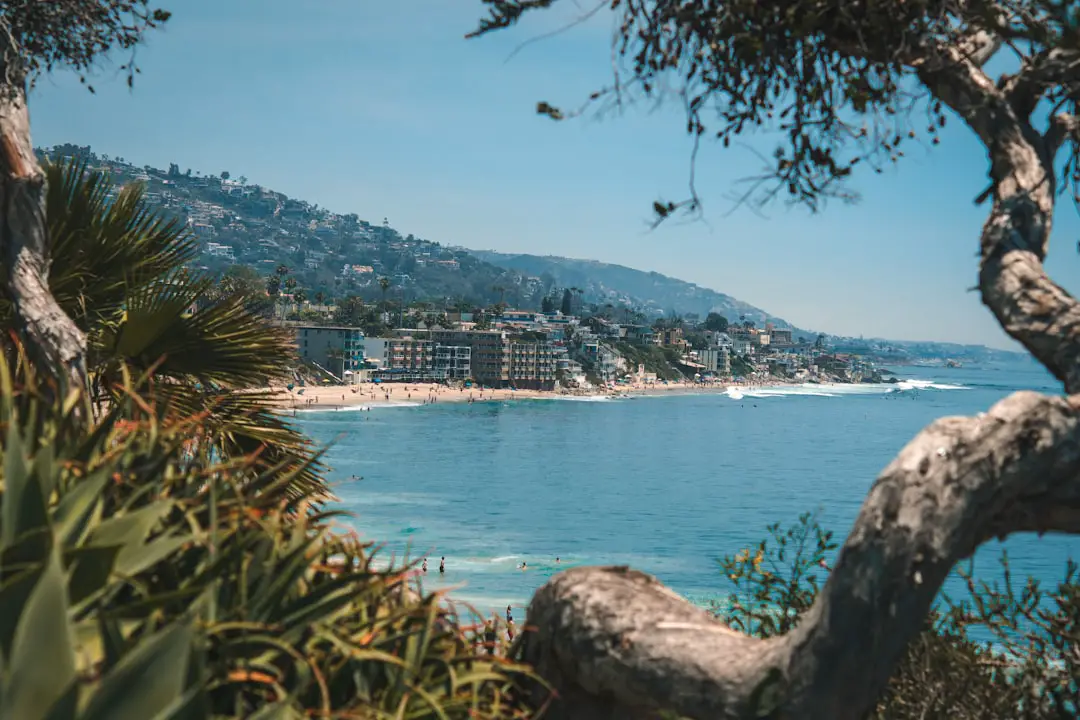
From June through August, Sardinia becomes one of the Mediterranean’s most in-demand island destinations. Beach clubs, boat tours, restaurants, and nightlife operate at full pace. Coastal highlights range from Porto Cervo and the Costa Smeralda to Cala Luna and the Gulf of Orosei.
Beaches and Water Sports
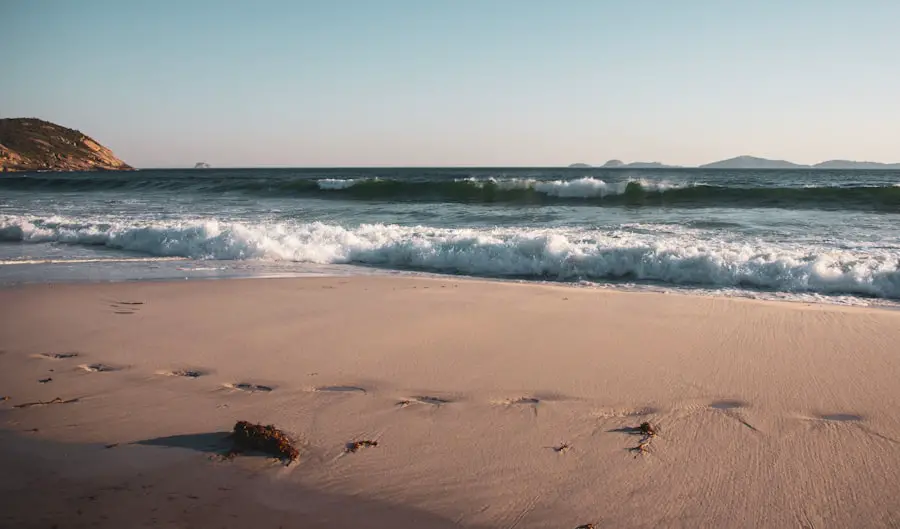
Summer is the most reliable season for snorkeling, diving, sailing, and swimming. The La Maddalena Archipelago is protected as a national park, and its clear coves are popular with boat tours. Porto Pollo is a major windsurfing and kitesurfing base, though strong winds can affect boat schedules and beginner conditions.
Heat, Crowds, and August Travel
Typical coastal summer highs are often in the upper 20s to low 30s°C, while inland areas can be hotter. Heat waves can push temperatures well above 35°C. July and August bring the heaviest demand, and the period around Ferragosto on August 15 is especially busy for Italian domestic travel.
Warning: Reserve popular beaches before arrival. La Pelosa limits access to 1,500 people per day from May 15 to October 15, 2026, and requires a QR-code reservation during controlled hours. Other protected beaches may use their own caps, fees, or booking systems.
Summer also brings major cultural events. Nuoro’s Festa del Redentore is usually held in late August and is known for traditional dress, music, dance, and religious observances. Local dishes to seek out include porceddu, slow-roasted suckling pig, and seadas, fried pastries filled with cheese and finished with honey.
Fall: Harvest Season and Cultural Festivals
September is one of the best months to visit Sardinia. The sea is still warm from summer, most tourism services remain open, and crowds begin to thin after the first part of the month. October shifts the focus toward hiking, food, wine, archaeological sites, and village life. By November, rain and closures become more common.
Sardinia’s Fall Events at a Glance
| Autunno in Barbagia | A traveling program across central Sardinian villages, generally from September into December, with open courtyards, crafts, food, music, and local traditions. The schedule changes each year. |
| Wine and Grape-Harvest Events | Local festivals, cellar visits, and tastings appear in wine-producing towns during September and October. Names and dates vary by municipality and producer. |
| Patron-Saint Festivals | Many towns hold religious processions, fairs, concerts, and food events. Check the local council or tourism office because dates can shift. |
Fall also brings olive and grape harvest activity. It is a good time to try Cannonau and Vermentino wines, local cheeses, chestnuts, cured meats, and dishes that feel too heavy during peak summer heat.
Winter: A Quiet and Charming Escape
From December to February, Sardinia is far quieter. Coastal cities such as Cagliari and Alghero remain active, but many seasonal resorts, beach restaurants, and boat operators close or reduce their hours. Winter works best for travelers interested in museums, archaeology, food, markets, and everyday island life.
Rain and wind are more frequent than in summer, and the Gennargentu highlands can be cold enough for frost or snow. On calmer days, coastal walks can still be pleasant. January celebrations connected with Sant’Antonio Abate often feature bonfires in towns around the island, but exact dates and programs should be checked locally.
Winter is also a strong season for traditional food. Look for malloreddus, small Sardinian pasta often served with sausage and tomato sauce, and zuppa gallurese, a baked dish layered with bread, broth, and cheese.
Weather and Climate Overview
Sardinia has a Mediterranean climate, but conditions vary between exposed coasts, sheltered bays, plains, and mountain areas. Summers are generally dry and sunny. Most rain falls from fall through early spring, although short, intense storms can occur. Wind is also a major factor; the mistral can cool hot days but can create rough seas and disrupt boat plans.
Summer Weather
July and August are the hottest and driest months. Coastal breezes may reduce how hot the air feels, but inland temperatures can climb sharply. ARPAS, Sardinia’s regional environmental agency, reported increasingly frequent hot conditions and significant heat extremes in its 2025 climate review.
Spring and Fall Weather
Spring and fall usually bring the most comfortable sightseeing weather. Conditions can change quickly, so pack a light rain layer and a warmer layer for evenings. September is generally more beach-oriented; October is better treated as a mixed outdoor and cultural month.
Winter Weather
Coastal winters are mild compared with northern Italy, but they are not reliably warm or dry. Expect cool evenings, periods of rain, strong wind, and colder conditions in the interior. Build flexibility into any winter road trip.
Month-by-Month Guide
| January–February | Quietest period; best for towns, food, museums, and local life. Expect reduced resort services, rain, and mountain cold. |
| March | Early wildflowers and fewer visitors, but changeable weather and limited beach services. |
| April | Good for hiking, cycling, and archaeology. Easter can increase demand in some towns. |
| May | Excellent for festivals, road trips, and outdoor activities. Late May is better than early May for beach time. |
| June | One of the best all-around months: warm, mostly open, and usually less crowded than July and August. |
| July–August | Best for a full beach-resort experience; hottest, busiest, and most expensive period. Book early. |
| September | Another top choice for warm sea, fewer families after school resumes, and broad tourism services. |
| October | Good for hiking, villages, food, and wine. Swimming is possible on warm days, but weather and services are less dependable. |
| November–December | Low season with village events and holiday traditions, but shorter days, more rain, and many coastal closures. |
Getting to Sardinia and Budgeting by Season
Sardinia’s main airports are Cagliari, Olbia, and Alghero. Ferries connect the island with mainland ports including Civitavecchia, Livorno, Genoa, and Naples, though the exact routes and frequencies depend on the season and operator. Northern Sardinia’s airport networks expand heavily for the summer timetable, and some ferry links are also seasonal.
Flights, ferries, hotels, and rental cars usually cost the most in July and August. Shoulder-season prices are often better, but fewer direct services can make some journeys less convenient. Compare the total trip cost rather than airfare alone.
A rental car is useful for remote beaches, mountain areas, and small villages. It is not essential for every trip: ARST buses and regional trains connect many towns, and the ARST Finder provides current routes, fares, and schedules. Service can be less frequent in rural areas and outside summer, so check return times before leaving.
Pro Tip: For a beach-focused trip with lower demand, target early to mid-June or the first three weeks of September. For hiking and culture, late April through May or October may offer better daytime comfort.
Seasonal Packing and Safety Tips
- Spring and fall: Pack layers, a light waterproof jacket, sun protection, and sturdy shoes.
- Summer: Carry water, a hat, high-SPF sunscreen, and footwear suitable for hot sand and rocky paths.
- Hiking: Download an offline map, tell someone your route, and check official trail or weather alerts before leaving.
- Beach access: Check reservation rules, parking limits, marine-park restrictions, and boat conditions before the day of your visit.
- Fire risk: Never use open flames in restricted areas. Follow regional closures and emergency instructions during hot, windy weather.
- Winter: Bring warmer clothing for inland and mountain areas, even when the coast feels mild.
Tips for Traveling to Sardinia at Different Times of the Year
Match the season to the trip you actually want. Choose spring for trails, wildflowers, archaeology, and major May festivals. Choose summer for swimming, nightlife, and the widest range of boat tours, but expect advance booking and heavy demand. Choose fall for warm September beaches or cooler October food-and-culture trips. Choose winter for quiet cities and inland traditions rather than resort life.
Whatever the month, do not plan Sardinia as though every region has the same weather or opening schedule. Check conditions for your exact base, confirm transport and attraction hours, and leave room to change plans when wind, heat, or rain affects outdoor activities.
Frequently Asked Questions
What is the best month to visit Sardinia?
June and September are the best all-around months for most travelers. They combine warm weather, active tourism services, and fewer crowds than peak summer. Late May is excellent for sightseeing and festivals, while October is better for hiking and food than a guaranteed beach trip.
Is May warm enough for swimming in Sardinia?
Swimming is possible on warm days, especially late in May, but the sea can still feel cool. Travelers who want reliably warmer water should favor late June through September.
Is October a good time to visit Sardinia?
Yes, especially for hiking, road trips, archaeology, food, and village events. Warm beach days still occur, but rain, wind, cooler evenings, and seasonal closures are more likely than in September.
When is Sardinia most crowded?
July and August are the busiest months, with the strongest demand around Ferragosto on August 15. Popular beaches, coastal roads, restaurants, rental cars, and boat trips can fill well in advance.
Which Sardinian festivals are worth planning around?
The Feast of Sant’Efisio in Cagliari runs from May 1 to 4. The Cavalcata Sarda takes place in Sassari in May, usually around the third Sunday. Nuoro’s Redentore celebrations are normally held in late August, and Autunno in Barbagia travels through central Sardinian villages from fall into early winter.
Do Sardinia’s beaches require reservations?
Some of the most popular or environmentally sensitive beaches use reservations, visitor caps, fees, or controlled access. Rules vary by beach and year. La Pelosa requires a reservation during its controlled 2026 season, so always check the official site for each beach before traveling.
What are the best activities during shoulder season?
Shoulder season is ideal for quieter beach visits, hiking, cycling, exploring historic towns and Nuragic sites, birdwatching, food and wine experiences, and scenic drives.
Sources
- ARPAS: Sardinia Weather and Climate Report 2025 — recent temperature, rainfall, heat, and climate-trend context
- Comune di Cagliari: Sant’Efisio 2026 — current festival dates and procession arrangements
- Comune di Sassari: Cavalcata Sarda 2026 — official date and event details
- ASPEN Nuoro: Autunno in Barbagia 2026 — confirmation of the current annual village circuit
- La Pelosa Official Reservation Site — 2026 access dates, daily cap, fee, and QR-code requirements
- ARST Finder — current public-transport routes, fares, schedules, and service news
