

Last Updated on September 10, 2026 by Daniel Globe
Quito, Ecuador’s capital, sits high in the Andes at about 2,850 meters (9,350 feet). Its UNESCO-listed historic center blends Spanish colonial design with Indigenous artistic traditions, while nearby mountains and volcanoes shape the city’s scenery and weather. Temperatures stay mild through the year, but rainfall changes sharply by month, so the timing of your visit affects hiking conditions, views, crowds, and prices.
Quick Answer
The best time to visit Quito is from June through September, with July and August usually offering the least rain and clearest mountain views. Choose November or early December for major cultural events, or visit from October through May for greener scenery and fewer tourists if you can plan around frequent afternoon showers.
Key Takeaways
- July and August are normally Quito’s driest months, making them the safest choice for hiking, volcano views, and outdoor sightseeing.
- Daytime highs stay near 21–22°C (70–72°F) in most months, while nights commonly fall near 9–10°C (48–50°F).
- March and April are usually the wettest months; rain is also frequent from October through May.
- Fiestas de Quito peaks around December 6, while the El Quinche pilgrimage usually takes place in November.
- Quito’s altitude can affect new arrivals, and the Teleférico climbs above 4,000 meters, so build in time to acclimatize.
Note: Quito is high enough for some visitors to develop headache, fatigue, dizziness, nausea, or shortness of breath after arrival. Keep your first day easy, drink water, eat light meals, and avoid rushing straight into a strenuous hike.
Disclosure: As an Amazon Associate I earn from qualifying purchases. Some links on this page are affiliate links, at no extra cost to you.
Weather and Climate in Quito
Quito has a mild highland climate because it lies close to the equator but sits at high elevation. The city does not have four strong temperature seasons. Instead, travelers notice a drier period and a wetter period, along with large changes between cool mornings, brighter afternoons, and chilly evenings.
World Meteorological Organization climate normals for Quito show average daily highs of about 20.8–22.3°C (69–72°F) and lows of about 9.4–10.2°C (49–50°F) throughout the year. Rainfall changes much more than temperature: April averages about 171 mm, while July averages about 22 mm.
Quito’s temperature is fairly steady, but its rainfall is not: July and August are usually the driest months, while March and April are among the wettest.
Weather can change quickly at this altitude. A clear morning may turn cloudy or rainy later in the day, and conditions can differ between the historic center, the northern districts, the valleys, and the slopes around Pichincha. Layers are useful in every month.
Quito Weather by Month
| Month | Average Low | Average High | Average Rainfall | What to Expect |
|---|---|---|---|---|
| January | 9.8°C / 50°F | 21.2°C / 70°F | 82.5 mm | Mixed sun and rain; flexible sightseeing works best. |
| February | 10.1°C / 50°F | 21.0°C / 70°F | 111.0 mm | Rain becomes more frequent; carry waterproof layers. |
| March | 10.1°C / 50°F | 20.8°C / 69°F | 146.6 mm | Wet, green, and changeable; morning tours are preferable. |
| April | 10.2°C / 50°F | 20.9°C / 70°F | 171.2 mm | Usually the wettest month; expect regular rain and cloud. |
| May | 10.1°C / 50°F | 21.0°C / 70°F | 105.5 mm | A transition month with greener views and improving conditions. |
| June | 9.8°C / 50°F | 21.1°C / 70°F | 39.5 mm | The drier season begins; good for outdoor plans. |
| July | 9.4°C / 49°F | 21.5°C / 71°F | 21.5 mm | One of the driest months; excellent for hiking and views. |
| August | 9.6°C / 49°F | 22.2°C / 72°F | 27.7 mm | Dry and bright, but often breezy on exposed trails. |
| September | 9.4°C / 49°F | 22.3°C / 72°F | 68.9 mm | Still favorable, though showers increase later in the month. |
| October | 9.5°C / 49°F | 21.8°C / 71°F | 114.9 mm | The wetter period returns; plan outdoor time early. |
| November | 9.6°C / 49°F | 21.3°C / 70°F | 108.5 mm | Rainy but culturally active, including the El Quinche pilgrimage. |
| December | 9.7°C / 49°F | 21.3°C / 70°F | 100.4 mm | Festive and busy around Fiestas de Quito; expect showers. |
Climate figures are 1981–2010 monthly normals from the World Meteorological Organization. Actual conditions vary from year to year and across Quito’s microclimates.
Best Time to Visit Quito by Travel Style
| Your Priority | Best Time | Why |
|---|---|---|
| Hiking and volcano views | July–August | Lowest average rainfall and a better chance of clear morning views. |
| Good weather with some flexibility | June or September | Generally drier than the wet season, with September becoming wetter as the month continues. |
| Fewer tourists and greener scenery | May, October, or November | More rain, but often better availability and a quieter feel outside major events. |
| Major city celebrations | Late November–early December | Fiestas de Quito brings concerts, food events, neighborhood celebrations, and busy streets. |
| Lowest rain risk | July | July has the lowest average monthly rainfall in the WMO normals. |
Products Worth Considering

PREMIUM QUALITY MATERIALS – Crafted from high-quality, ultra-waterproof 210T Terylene fabric with a drawstring hood and zipped neck, this one-size-fits-all backpack poncho...
Best Time to Visit Quito in the Dry Season
The broad dry season runs from June through September, although July and August are the most reliably dry months. This is the best period for travelers who want clearer views, easier walking conditions, and more dependable outdoor days. Cool mornings and evenings remain common, and wind can be strong on open slopes.
Dry-season weather suits the historic center, the Teleférico, Rucu Pichincha, nearby cloud-forest trips, and day tours toward Cotopaxi. Clear mornings can reveal a chain of Andean peaks that may disappear behind clouds later in the day.
Cotopaxi is an active volcano, and access conditions can change independently of the weather. In April 2026, Ecuador’s Geophysical Institute reported recent seismic anomalies and slightly stronger gas and steam emissions, while stating that a large eruption was not expected at that time. Check the latest IG-EPN Cotopaxi updates and current park instructions before leaving Quito.
Pro Tip: Schedule mountain viewpoints, the Teleférico, and exposed hikes early in the morning. Clouds and wind often build later, even during the driest months.
Best Time to Visit Quito in the Rainy Season
Quito’s wetter period generally runs from October through May. March and April receive the most rain in the WMO climate normals, while October, November, February, and May also have frequent wet days. Rain often develops after a brighter morning, but visitors should not assume every shower will be brief; some days stay cloudy or wet for longer.
The rainy season still works well for museum visits, churches, markets, food tours, and flexible city sightseeing. Hillsides and parks look greener, and popular attractions may feel less crowded outside holidays and major festivals. Travelers who start early and keep one indoor backup activity can still see a great deal.
November is especially interesting for the annual pilgrimage to the Sanctuary of the Virgin of El Quinche, usually held around the third weekend of the month. It is a large religious event rather than a standard sightseeing festival, and road closures can affect routes between Quito, El Quinche, and the airport area.
Note: Rainfall averages describe long-term patterns, not a guarantee. Quito’s mountain weather and year-to-year Pacific conditions can make an individual week much wetter or drier than normal.
Shoulder Months: May, June, and September
May, June, and September can offer a useful middle ground. May is still fairly wet but begins the shift toward drier weather. June is much drier and is one of the best all-around months for outdoor plans. September remains relatively favorable, though rainfall rises compared with July and August.
These months suit travelers who want better weather without limiting the trip to the driest peak period. They also work well for mixed itineraries that combine Quito with Mindo, Cotopaxi, the northern Andes, the Amazon, or flights onward to the Galápagos.
Products Worth Considering
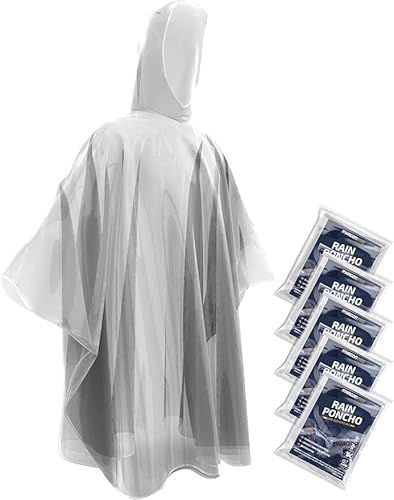
Reliable Rain Protection On-the-Go: Stay dry and confident during sudden downpours with Hagon PRO disposable rain ponchos, offering full-length 48" x 40" coverage and a secure hood for complete weather protection. Perfect for commuters, festival-goers, emergency kits and preparedness kits, these transparent rain coats keep you ready for anything

【Affordable Pack of 4】Enjoy great value with this 4-pack of disposable rain ponchos. Each poncho is individually packaged, providing practical and cost-effective protection from the rain. Perfect for stocking up or sharing with friends and family.
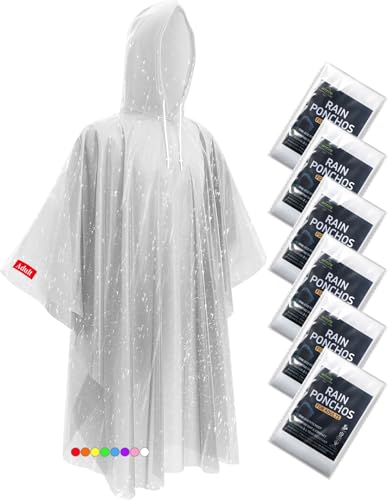
Be Ready for the Unexpected – Whether you're heading to concerts, theme parks, camping trips, or sports games, or stocking your Home Emergency Survival Kits, our disposable rain ponchos for adults keep you dry when the weather changes fast. Each pack includes individually wrapped ponchos for easy grab-and-go convenience
Crowds, Prices, and Booking Timing
Quito’s busiest dates do not depend on weather alone. July and August attract more international vacation traffic, while late November and early December become busy because of Fiestas de Quito. Holy Week can also increase demand around major processions and religious events.
Rainy-season travel may bring more room availability and occasional lower rates, but prices are not guaranteed to drop during holidays, conferences, concerts, or city festivals. Book earlier when your dates overlap with December 6 celebrations, Holy Week, or a major event announced by Quito Turismo.
Events and Festivals in Quito Throughout the Year
Quito’s calendar can be just as important as its weather. Dates and venues may change each year, so check the official event program before booking around a specific celebration.
Fiestas de Quito
Fiestas de Quito commemorates the city’s Spanish founding on December 6, 1534. Events usually begin in late November and continue into early December. Programs may include concerts, food festivals, sports, neighborhood celebrations, parades, and cultural activities. The atmosphere is lively, but central streets, restaurants, hotels, and transportation can be busier.
Inti Raymi
Inti Raymi, the Andean Festival of the Sun, is associated with the June solstice. Celebrations take place across Ecuador’s highlands, including communities within and around the Quito metropolitan district. It is better to confirm the year’s exact venue and schedule than to expect one fixed citywide procession.
El Quinche Pilgrimage
The pilgrimage to the Sanctuary of the Virgin of El Quinche normally takes place in November and draws many walkers to the rural parish east of Quito. It is culturally significant, but it also causes overnight crowds, traffic controls, and road closures along pilgrimage routes.
Holy Week
Quito’s Holy Week traditions include major religious processions in and around the historic center. The dates change each year with the Easter calendar. Travelers interested in the ceremonies should reserve lodging early and expect temporary street closures.
Tips for Traveling to Quito in Each Season

What to Pack in the Dry Season
- Light layers for mild afternoons and cool mornings
- A warm sweater or light insulated jacket for evenings
- Comfortable shoes with grip for steep streets and trails
- A compact rain shell because showers remain possible
- Sunscreen, sunglasses, a hat, and a reusable water bottle
What to Pack in the Rainy Season
- A waterproof jacket or poncho
- Quick-drying trousers and moisture-resistant footwear
- A small umbrella for city walks
- A dry bag or waterproof cover for electronics
- Layers for cool, damp mornings and evenings
Sun protection matters in every season. Quito is close to the equator and high above sea level, so strong ultraviolet exposure can occur even when the air feels cool or clouds are present.
Warning: Do not continue climbing to a higher altitude if you develop worsening headache, nausea, dizziness, unusual fatigue, confusion, poor coordination, or breathing trouble. Descend and seek medical care for severe or worsening symptoms.
Altitude and Acclimatization in Quito
At 2,850 meters, Quito is above the level where acute mountain sickness can occur. Symptoms often begin within hours of arrival and may include headache, tiredness, nausea, poor appetite, dizziness, or disturbed sleep. Most mild cases improve with rest and time, but worsening symptoms should be taken seriously.
Plan a gentle first day, especially if you arrive from sea level. Walk slowly, stay hydrated, and postpone hard exercise. The Teleférico climbs from the city to above 4,000 meters, so it adds a major altitude jump. Consider visiting after you have spent at least a day acclimatizing in Quito, and turn back if you feel unwell.
The CDC’s high-altitude travel guidance explains the symptoms and warning signs in more detail. Travelers with heart or lung disease, pregnancy concerns, or a history of severe altitude illness should discuss high-elevation plans with a qualified clinician before travel.
Outdoor Activities and Sightseeing in Quito by Season
Quito offers outdoor and cultural activities throughout the year, but the best timing depends on cloud cover, rain, trail conditions, and altitude.
Dry-Season Activities
- Teleférico de Quito: Ride early for the best chance of wide city and volcano views.
- Rucu Pichincha: Attempt the hike only when acclimatized and prepared for wind, cold, and sudden weather changes.
- Cotopaxi National Park: Use a reputable operator and confirm volcanic and park conditions before departure.
- Historic center walking: Drier streets make the steep lanes, plazas, churches, and viewpoints easier to explore.
- Cloud-forest day trips: Routes toward Mindo can still be wet, but the broader dry season may simplify road and trail plans.
Rainy-Season Activities
- Museums and churches: The historic center offers many indoor stops that can be combined with short outdoor walks.
- Markets and food tours: These are easy to schedule around afternoon rain.
- Parque Metropolitano Guangüiltagua: Green trails can be attractive between showers, but footwear may get muddy.
- Mitad del Mundo: The equator complex remains accessible year-round, though outdoor exhibits are more comfortable during dry periods.
- Birdwatching: Wet-season vegetation supports lush scenery, especially on lower cloud-forest routes outside the city.
Travel Safety and Practical Planning
Check current weather, transportation notices, attraction hours, and local event closures shortly before each outing. For mountain trips, use established routes or a qualified guide, carry warm and waterproof layers, and tell someone your plan.
Travel conditions in Ecuador can change. The U.S. Department of State currently advises travelers to exercise increased caution in Ecuador and lists higher-risk areas outside the main Quito visitor circuit. Review the latest Ecuador travel advisory before departure, use registered transportation, and avoid displaying valuables in crowded areas.
Conclusion and Final Recommendations for Traveling to Quito
For the most dependable outdoor weather, visit Quito from June through September, with July and August offering the lowest average rainfall. For cultural energy, consider late November or early December, but book ahead for Fiestas de Quito. Travelers who value greener scenery, lighter crowds, and flexible schedules can still enjoy the wetter months.
Whatever your travel dates, pack layers, carry rain protection, protect yourself from the sun, and leave room for weather changes. Most importantly, allow time to adjust to the altitude before taking the Teleférico or heading into the high Andes.
Frequently Asked Questions
What is the best time to travel to Quito?
June through September is the best general window. July and August are usually the driest months and offer the strongest odds of clear mountain views and easier hiking conditions.
What is the weather like during Quito’s best travel months?
Average daytime highs are about 21–22°C (70–72°F), while nights are commonly near 9–10°C (48–50°F). July and August receive much less rain than the wetter months, but a light rain jacket is still useful.
What is the rainiest month in Quito?
April is the rainiest month in the WMO 1981–2010 climate normals, averaging about 171 mm of rain and 20 rain days. March is also very wet.
Which festivals are worth planning a Quito trip around?
Fiestas de Quito peaks around December 6, Inti Raymi celebrations occur around the June solstice, the El Quinche pilgrimage usually takes place in November, and Holy Week brings major religious processions on dates that change each year.
What are the best attractions to visit in the dry season?
Good dry-season choices include Quito’s historic center, the Teleférico, Rucu Pichincha, Cotopaxi National Park when conditions permit, and outdoor viewpoints around the city. Mitad del Mundo is open to visitors year-round.
Will Quito’s altitude affect me?
It can. Quito sits at about 2,850 meters, so some visitors develop headache, fatigue, dizziness, nausea, or shortness of breath. Take the first day slowly and avoid climbing higher if symptoms worsen.
Is Quito crowded during the dry season?
July and August can be busier because of international vacation travel. The city also fills around major events, especially Fiestas de Quito in late November and early December. Reserve accommodations and popular tours early for those dates.
Is Cotopaxi National Park always open in the dry season?
No. Weather, road conditions, volcanic activity, and official safety decisions can affect access at any time of year. Check current IG-EPN reports and park instructions before traveling from Quito.
Sources
- World Meteorological Organization, Quito climate normals — monthly temperature, rainfall, and rain-day averages for 1981–2010
- UNESCO World Heritage Centre, City of Quito — elevation, historic-center significance, and 1978 inscription
- CDC Yellow Book, High-Altitude Travel and Altitude Illness — altitude symptoms, prevention, and warning signs
- Instituto Geofísico de la Escuela Politécnica Nacional, Cotopaxi update — April 2026 monitoring information and visitor-risk context
- Visit Quito, Quito Is Culture — annual festivals and the El Quinche pilgrimage calendar
- U.S. Department of State, Ecuador Travel Advisory — current country-level safety guidance
