
Last Updated on July 28, 2026 by Daniel Globe
Choosing the best time to visit Patagonia, Chile depends on what you want to do. Summer brings the longest days and the widest access to hiking routes, boat trips, and the Carretera Austral, but it is also the busiest season. Spring and fall can offer a quieter trip, while winter is beautiful but much more demanding because snow, cold, reduced services, and trail restrictions are possible.
Quick Answer
The best time to visit Chilean Patagonia is generally December through March, when days are longer and hiking, road-trip, and boat options are most widely available. December through February is the busiest period. For fewer crowds, consider October–November or March–April. Winter is scenic but brings colder weather and more trail and service restrictions.
Key Takeaways
- December through March is the easiest window for most first-time trips to Chilean Patagonia.
- December through February is peak season around Torres del Paine, with long days, broad trail access, and the greatest demand for lodging and tours.
- October–November and March–April can suit travelers who value fewer crowds and can accept less predictable weather or reduced services.
- Winter travel requires more planning. Snow, ice, short days, trail closures, and guide requirements can affect national parks.
- Patagonia is huge, so conditions in the Carretera Austral, Torres del Paine, Punta Arenas, and Tierra del Fuego should not be treated as identical.
Disclosure: As an Amazon Associate I earn from qualifying purchases. Some links on this page are affiliate links, at no extra cost to you.
Best Time to Visit Patagonia, Chile by Season
Chilean Patagonia stretches across a large part of southern Chile, and the climate changes with latitude, elevation, proximity to the ocean, and mountain exposure. A traveler driving the Carretera Austral through Aysén can face different conditions from someone hiking in Torres del Paine or sailing near Punta Arenas.
| Season | Best For | Main Trade-Off |
| December–February | Trekking, road trips, camping, wildlife excursions, long daylight hours | Largest crowds and strongest demand for lodging, campsites, buses, and tours |
| March–April | Quieter hiking, fall scenery, photography | Cooler weather and increasing risk of seasonal service reductions |
| May–September | Snowy landscapes, winter photography, specialist guided adventures | Cold, snow, short days, closures, limited transport and possible guide requirements |
| October–November | Spring trekking, wildlife, fewer visitors than midsummer | Highly changeable weather and some services still ramping up |
Patagonian summer does not mean hot weather. Official Chile Travel guidance for far-southern Punta Arenas describes January conditions around 5–15°C (41–59°F), along with strong, changeable winds.
For official destination guidance, see Chile Travel’s Torres del Paine information and its Carretera Austral guide.
Peak Tourist Season
December through February is the main peak season for Torres del Paine and many of the best-known destinations in Chilean Patagonia. Longer daylight hours and relatively mild conditions make this the easiest period for hiking, camping, sightseeing, navigation, and road trips.
The advantages are significant. Most tourism services are operating, popular trails are generally at their most accessible, and transportation connections are easier to combine into an itinerary. The trade-off is demand. Accommodations, campsites, refugios, guided hikes, boat trips, rental vehicles, and buses can fill well ahead of arrival.
The broader Carretera Austral has a slightly wider preferred window. Chile Travel recommends December through March because of the longer days and more favorable conditions for traveling the route.
Pro Tip: If Torres del Paine is the centerpiece of your trip, reserve park accommodation, campsites, transportation, and major excursions as soon as your dates are firm. Do not assume you can arrive during midsummer and find last-minute space on the W Trek.
Peak season is therefore best for travelers who place reliable access and long sightseeing days above solitude or bargain pricing.
Off-Peak Season
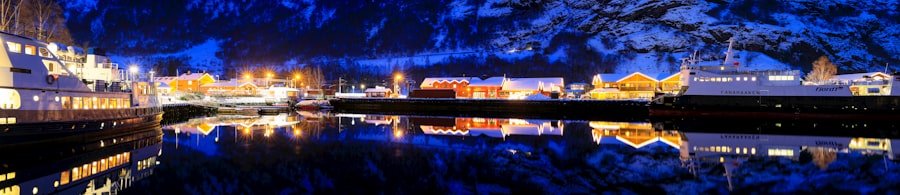
Patagonia’s off-peak periods can be rewarding, but “off-peak” covers very different conditions. A March hiking trip and a July winter trip should not be planned in the same way.
Spring and Fall Shoulder Seasons
October and November, along with March and early April, can provide a useful compromise between midsummer crowds and winter limitations. Travelers may find quieter trails and better accommodation availability while still being able to pursue many outdoor activities.
Weather becomes a bigger variable, however. Cold fronts, strong wind, rain, and even snow can affect plans. Some tourism operations also begin or end their seasonal schedules outside the main summer window.
Winter in Patagonia
Winter brings snowy mountains, frozen landscapes, and far fewer visitors, but it is not simply a cheaper version of summer. Trails can close, navigation services can stop, daylight is shorter, and specialized equipment or an authorized guide may be required.
For example, CONAF has imposed seasonal winter restrictions in Torres del Paine, including temporary circuit closures and mandatory guided access on certain trails when conditions require it. Similar seasonal closures can occur in Patagonia National Park in Aysén.
Note: Never plan a winter trek from an old blog post or last year’s itinerary. Check the current CONAF Torres del Paine notices shortly before your trip because trail status and winter requirements can change with conditions.
Wildlife Viewing Opportunities
| Location | Wildlife | Useful Viewing Window |
| Torres del Paine National Park | Guanacos, condors, foxes and pumas | Possible year-round; access and viewing conditions vary by season |
| Los Pingüinos Natural Monument / Isla Magdalena | Magellanic penguins and seabirds | Primarily spring and summer; official tourism guidance lists seasonal access rather than year-round visitation |
| Francisco Coloane Marine Park | Humpback whales, other cetaceans and marine wildlife | October–April, with January–February highlighted for strong whale-viewing opportunities |
| Patagonia National Park, Aysén | Huemul, guanaco, puma, condor and other native species | Varies by sector; confirm seasonal trail access with CONAF |
Wildlife timing is one reason the “best” Patagonia season can change from traveler to traveler. Torres del Paine supports guanacos, pumas, condors, foxes, and many bird species. Wildlife is never guaranteed, but patient observation and responsible guided outings can improve the experience.
For marine wildlife, the Strait of Magellan and surrounding channels provide completely different opportunities. Isla Magdalena is known for its Magellanic penguin colony, while southern Chile also offers seasonal whale-watching excursions. Chile Travel’s Los Pingüinos Natural Monument guide recommends planning the boat excursion in advance.
Warning: Never approach, feed, touch, or block wildlife for a photograph. Stay on marked routes and follow park-ranger or guide instructions. Weather can also cancel wildlife boat trips with little notice.
Outdoor Activities
Patagonia is best known for outdoor travel, but the ideal season depends on the activity.
- Multi-day trekking: Spring through early fall offers the broadest options, with the main W Trek season centered on the warmer months.
- Carretera Austral road trips: December through March is the easiest window because days are longer and tourism services are most available.
- Kayaking and boat excursions: Summer generally offers the widest choice, although wind and rough water can still cause cancellations.
- Photography: Fall can provide dramatic colors, while winter brings snow-covered landscapes and far fewer visitors.
- Winter hiking and snowshoeing: These can be excellent experiences with the right equipment and local guidance, but normal summer routes should never be assumed to remain open.
Torres del Paine’s W Circuit is one of the region’s signature treks. Chile Travel currently recommends spring and summer for the route, and reservations for refugios and campsites should be organized before arriving.
The Carretera Austral offers a different kind of adventure. The route extends through remote parts of northern and central Chilean Patagonia, with gravel sections, ferries, national parks, lakes, and small towns. Travelers should allow extra time rather than planning every driving day to the minute.
Festivals and Events
Immersing in Local Culture
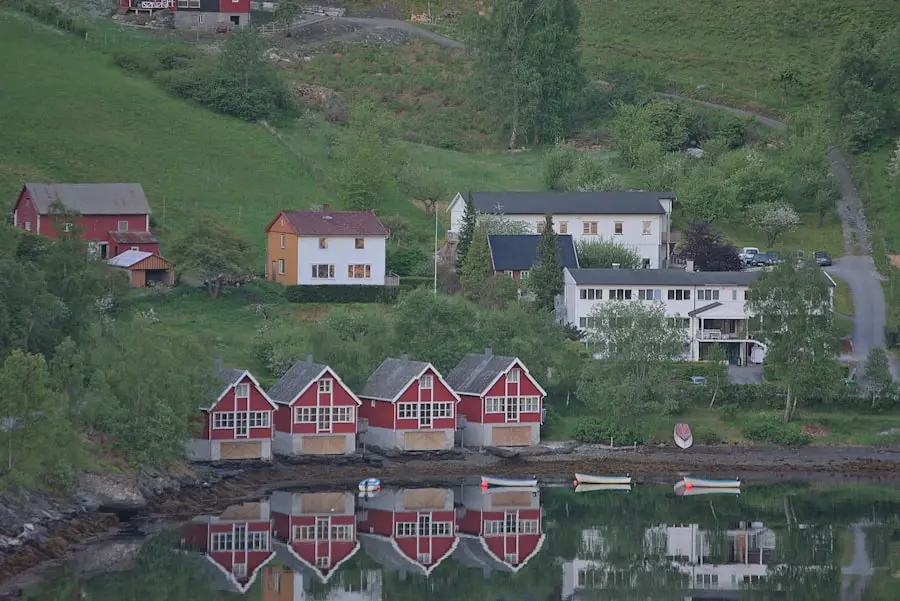
Patagonia is more than trekking and glaciers. Towns across southern Chile host cultural, agricultural, food, and traditional celebrations that reflect ranching, fishing, Indigenous, and regional traditions. Chile’s official tourism information specifically highlights events such as traditional sheep-shearing celebrations in Patagonia.
National celebrations can also shape a trip. Chile’s Fiestas Patrias take place around September 18 and 19, when communities throughout the country hold celebrations centered on food, music, dance, and local traditions.
Planning Ahead
Event calendars are much less predictable than Patagonia’s seasons. A race, festival, rodeo, food fair, or cultural gathering may change dates or skip a year. Avoid building an itinerary around an old event listing without confirming the current schedule.
The original article referred to the Torres del Paine Ultra Trail as a summer event. Trail-running events do take place in Patagonia, but exact dates should be checked directly with the organizer for the year of travel instead of assuming a fixed annual summer date.
Researching Local Calendars
Check the current Chile Travel calendar, regional tourism offices, municipalities, and individual event organizers shortly before booking. Festivals can make a trip more memorable, but they can also increase local accommodation demand.
Budget Considerations
Season has a major effect on the cost and availability of a Patagonia trip. December through February has the strongest demand around iconic destinations such as Torres del Paine, so waiting until the last minute can leave travelers with fewer choices rather than better deals.
Shoulder-season travel may offer more flexibility and better availability. However, a lower room rate does not automatically mean the entire trip will cost less. Reduced bus frequencies, closed campgrounds, fewer boat departures, or the need for guided winter travel can offset part of the savings.
For a better-value itinerary, compare several travel dates rather than focusing on a single weekend, reserve the hardest-to-replace components first, and choose bookings with sensible cancellation terms when possible.
Safety and Travel Tips
Patagonian weather can change quickly. A clear morning does not guarantee a clear afternoon, especially around exposed mountains, fjords, and the far south. Pack for wind, rain, and cold even during the summer.
Warning: Do not ignore park closures or continue onto a closed trail because the weather appears calm at the trailhead. Snow, ice, wind, river conditions, wildfire risk, and emergency-access limitations can make a route unsafe well beyond the point where conditions first look difficult.
Before entering a national park, check current CONAF notices, trail conditions, opening hours, and ticket requirements. Torres del Paine park tickets are handled through Chile’s official park-pass system, and specific winter activities may require an authorized guide.
Fire rules are also strict. CONAF has reiterated that unauthorized fires and heat sources in protected areas can result in serious penalties. Follow the rules posted for the exact park and campsite you are using rather than assuming that a camp stove or open flame is permitted.
Road travelers should keep fuel, food, ferry schedules, and weather in mind. Parts of the Carretera Austral remain remote, and services can be widely spaced. Download essential maps before leaving reliable internet coverage and allow time for delays.
Travel advisories can change. As of July 2026, the U.S. Department of State lists Chile at Level 2, “Exercise Increased Caution,” because of crime, civil unrest, and a health notice. Travelers should review the current Chile travel advisory again before departure rather than relying on a saved copy.
What to Pack for Patagonia
Layering is more useful than packing one very heavy coat. A practical Patagonia kit usually includes a moisture-managing base layer, warm mid-layer, waterproof and wind-resistant outer shell, hiking pants, sturdy footwear, hat, gloves, sun protection, and a daypack.
Carry water and food appropriate for the route, and consider a power bank and offline map for remote areas. Trekking poles can help on steep, muddy, snowy, or windy trails.
If your itinerary includes camping or backpacking, your sleep system matters just as much as your clothing. Choose an appropriately rated sleeping bag for backpacking travel and confirm the expected overnight conditions for your specific campground instead of relying on daytime temperatures.
Note: Patagonia’s wind can make a moderate air temperature feel much colder. A wind-resistant outer layer is useful even on a summer itinerary.
Frequently Asked Questions
What is the best time to travel to Patagonia, Chile?
For most first-time visitors, December through March is the easiest period because days are longer and hiking, road-trip, and tourism services are widely available. December through February is the busiest part of that window. Travelers seeking fewer crowds can also consider October–November or March–April.
What is the weather like in Patagonia, Chile during summer?
Summer is generally milder than the rest of the year, but Patagonia is not reliably warm. Conditions depend on the region and can change quickly. In far-southern Punta Arenas, official tourism guidance describes January temperatures of roughly 5–15°C (41–59°F). Wind, rain, and cold spells remain possible, so pack layers and a waterproof wind-resistant shell.
Is spring or fall a good time to visit Patagonia?
Yes. October–November and March–April can be excellent for travelers who prefer fewer visitors and do not mind less predictable weather. Check seasonal opening dates carefully because transport, campgrounds, trails, and boat services may not operate on the same schedule as they do in midsummer.
Can you visit Patagonia, Chile in winter?
Yes, but winter requires more preparation. Snow, ice, short daylight hours, reduced services, trail closures, and mandatory guides can affect some destinations. Winter is best suited to travelers who specifically want snowy scenery and are prepared to work around current park restrictions.
What are the popular activities to do in Patagonia, Chile during summer?
Popular summer activities include hiking in Torres del Paine, visiting Grey Glacier, driving sections of the Carretera Austral, kayaking, horseback riding, camping, birdwatching, penguin excursions near Punta Arenas, and boat trips through fjords and channels.
Is Perito Moreno Glacier in Chilean Patagonia?
No. Perito Moreno Glacier is in Los Glaciares National Park in Santa Cruz Province, Argentina. It is a famous Argentine Patagonia destination and can be combined with a cross-border itinerary, but it should not be described as an attraction in Chile.
Are there festivals or events in Patagonia during summer?
Yes. Patagonian towns host cultural, food, agricultural, outdoor-sport, and traditional events, but exact dates vary by year. Check current regional and municipal event calendars before building a trip around a particular race or festival.
Is it necessary to book accommodations and tours in advance during summer?
Yes, especially from December through February. Torres del Paine campsites, refugios, hotels, popular buses, rental vehicles, and wildlife excursions can have limited availability. Reserve the parts of your itinerary that would be difficult to replace before leaving home.
Sources
- Chile Travel — Torres del Paine — destination, wildlife, activities, and current travel-planning guidance.
- Chile Travel — Carretera Austral — recommended December–March travel window, road conditions, and route planning.
- Chile Travel — Los Pingüinos Natural Monument — Isla Magdalena wildlife, season, access, and booking guidance.
- CONAF — Torres del Paine National Park — official park notices, seasonal trail conditions, restrictions, and visitor information.
- U.S. Department of State — Chile Travel Advisory — current safety and security guidance for travelers.
- Visit Argentina — Perito Moreno Glacier — confirms that Perito Moreno Glacier is in Los Glaciares National Park, Santa Cruz Province, Argentina.

