

Last Updated on July 27, 2026 by Daniel Globe
When planning a trip, understanding the weather conditions, seasonal crowds, and local event schedules of your destination is paramount. Different regions experience drastically varying climates throughout the year, which can significantly influence your overall travel experience and budget. For instance, tropical destinations like the Caribbean typically experience a wet season from May to November, characterized by heavy rainfall and high humidity, alongside the official Atlantic hurricane window.
Quick Answer
The best time to travel generally falls during the shoulder seasons (spring and autumn for most temperate climates). During these months, you will experience a ideal balance of mild weather, significantly lower lodging rates, shorter lines at popular attractions, and fewer tourist crowds compared to peak summer or holiday periods.
Key Takeaways
- Monitor Seasonal Weather: Check historical climate data and regional microclimates to pack appropriate clothing and gear.
- Capitalize on Shoulder Seasons: Travel during off-peak or shoulder months to unlock substantial savings on flights and accommodations.
- Book Peak Travel Early: Secure hotel reservations and event tickets 3 to 6 months in advance if traveling during summer or holiday peaks.
- Research Local Logistics: Verify local driving laws, public transportation options, and local festival calendars before arrival.
- Seek Local Experiences: Visit neighborhood markets and community-led workshops for an authentic, budget-friendly cultural experience.
Conversely, winter months in northern regions bring frigid temperatures and heavy snowfall, which may be ideal for winter sports enthusiasts but far less appealing for travelers seeking a warm getaway. In addition to broad seasonal weather patterns, regional microclimates play a crucial role in itinerary planning. Coastal areas often enjoy mild sea breezes and temperate conditions compared to inland valleys, where summer heat waves can prove intense.
Note: Microclimates can drastically alter weather over short distances. For example, San Francisco is famous for its cool, foggy summer mornings along the coast, while areas just a few miles inland enjoy sunny, warm conditions.
Disclosure: As an Amazon Associate I earn from qualifying purchases. Some links on this page are affiliate links, at no extra cost to you.
Peak Tourist Seasons
Products Worth Considering

Used Book in Good Condition
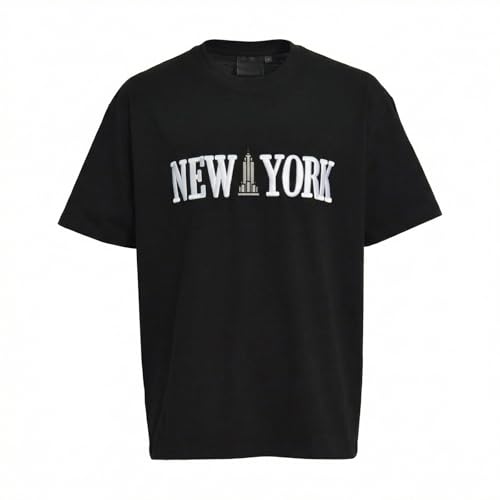
Premium 3D Puff Embroidery — Features bold "NEW YORK" lettering with the iconic Empire State Building replacing the "I". Raised textured design offers a tactile, premium look that won't fade or peel like printed graphics.
Summer Hotspots
In world-famous destinations like Paris and Rome, the summer months of June through August mark the primary peak tourist season. During this window, iconic landmarks are filled with visitors eager to explore under long, sunny summer days. However, this surge in tourism frequently results in overcrowded attractions, extended wait times, and inflated prices for flights, hotels, and guided services.
Unique Peak Seasons
Some global destinations experience unique peak seasons determined by local cultural events or seasonal natural phenomena rather than simple weather warmth. For instance, Japan experiences an intense surge in international tourism during the annual cherry blossom season from late March to early April, attracting travelers worldwide to view blooming sakura trees across Tokyo, Kyoto, and Osaka.
Warning: Traveling during unique event peaks (such as Japan’s cherry blossom season or Munich’s Oktoberfest) requires booking flights and lodging at least 6 to 9 months in advance to avoid extreme price markups or sold-out accommodations.
Planning Ahead
Recognizing regional peak periods is essential for travelers who want to minimize delays or secure competitive pricing on airfare and hotels. By mapping out expected crowd density in advance, travelers can adjust daily schedules—such as visiting major landmarks at opening hours—to maximize enjoyment while avoiding peak bottlenecks.
Off-Peak Travel Times

Traveling during off-peak times offers numerous distinct advantages, including significantly lower pricing, greater flight availability, and a relaxed, unhurried atmosphere. Off-peak travel periods typically coincide with active school semesters or months when local weather is slightly cooler or wetter than peak ideals.
Visiting European destinations in late autumn or early spring delivers an authentic atmosphere, allowing you to wander through uncrowded historic plazas and interact easily with locals. Furthermore, off-peak travel grants greater spontaneous flexibility in daily itineraries. With fewer tourists competing for tickets at famous venues, museums, galleries, and historical monuments offer shorter lines and intimate experiences.
Pro Tip: Visiting coastal cities like Barcelona or Amsterdam during shoulder seasons (April–May or September–October) allows you to enjoy pleasant temperatures while completely skipping peak summer heat waves and endless museum queues.
Special Events and Festivals
Local special events and seasonal festivals can transform a standard vacation into a rich cultural immersion. Many major global destinations host annual celebrations that showcase regional heritage, culinary arts, and performing arts. Events like Rio de Janeiro’s Carnival in Brazil or Munich’s Oktoberfest in Germany showcase rich traditions while creating an energetic atmosphere filled with live music and local food delicacies.
Participating in regional festivities provides rare opportunities to build meaningful connections with local residents. Attending cultural celebrations—such as the annual Diwali festival in India—allows travelers to observe historic light traditions, sample authentic seasonal sweets, and experience local hospitality firsthand. Always consult municipal event calendars when drafting travel dates to align your trip with these unique opportunities.
Transportation Tips
Navigating ground transportation effectively is a crucial component of stress-free travel planning. Depending on your destination’s infrastructure, travel options range from extensive urban subway networks and commuter railways to rental vehicles and ride-sharing services.
In high-density metropolises like New York City or Tokyo, public transportation represents the fastest and most cost-effective travel method. Extensive subway systems and urban bus routes reach major cultural landmarks without the severe costs and stress of city parking. Conversely, travelers visiting sprawling rural landscapes or national parks will find rental cars necessary for reaching remote trailheads at their own pace.
Warning: Always check international driving regulations before operating rental vehicles abroad. Countries such as the United Kingdom, Australia, and Japan drive on the left side of the road, requiring an International Driving Permit (IDP) alongside your domestic driver’s license.
Accommodation Availability

Lodging availability directly dictates vacation budgets and overall itinerary flexibility. During high-demand peak months, boutique hotels, central resorts, and vacation rentals sell out months in advance, leaving late planners with overpriced or poorly located options. Booking lodging early remains essential whenever traveling during peak holiday weeks.
In contrast, off-peak travel unlocks an abundant array of accommodation choices at discounted rates. Hotel properties routinely slash nightly pricing during slower travel months to maintain occupancy, making off-peak windows ideal for luxury upgrades on modest budgets. Additionally, exploring alternative lodging choices—such as traditional family-run guesthouses or localized vacation rentals—provides unique authentic experiences that standard hotel chains cannot match.
Products Worth Considering

Budget-Friendly Travel Times
Executing a budget-conscious vacation requires strategic timing regarding flight bookings and destination selection. Off-peak months offer maximum overall value thanks to lower airline ticket tariffs and discounted room rates. For example, visiting tropical regions like Thailand during monsoon or shoulder seasons yields substantial savings on top-tier resorts.
“Off-peak travel yields up to 40% airfare savings and lower hotel rates, transforming expensive bucket-list trips into highly affordable adventures.”
While tropical rainy seasons intimidate some travelers, downpours in these regions often manifest as brief, refreshing afternoon showers followed by sunshine, leaving plenty of daylight for uncrowded sightseeing. Furthermore, major cultural venues and municipal museums frequently offer discounted admission days or free evening entry hours during off-peak periods. Researching these promotional opportunities before departure helps maximize your travel itinerary while keeping daily expenses low.
Insider Recommendations for Local Experiences
To fully experience a destination’s rich authentic culture, make a point to prioritize local community activities over commercial tour traps. Interacting directly with community members quickly reveals hidden historical sites, neighborhood viewpoints, and authentic family-owned eateries.
Instead of dining near crowded tourist plazas, ask local shop owners or concierges where they enjoy dinner with their families. This simple practice ensures you enjoy genuine regional cuisine prepared at fair prices while supporting independent small businesses. Additionally, enrolling in community workshops—such as artisanal cooking classes in Florence or traditional tea preparation in Kyoto—allows travelers to gain hands-on appreciation for local culinary heritage straight from resident experts.
NYC Travel & Timing Insights
When selecting the ideal travel dates for New York City, balancing seasonal weather conditions with your personal packing preparation is essential. Packing smartly ensures comfort whether navigating winter wind tunnels or walking miles across Manhattan in spring weather. For actionable packing techniques and gear organization, review these top recommendations for 5 Must-Have Packing Cubes for Your Getaway to optimize your luggage capacity.
Additionally, while navigating busy metropolitan thoroughfares, keeping personal valuables secure and accessible is a key priority. Consider wearing a high-quality travel accessory like a Scarf with Hidden Pocket for Travel to discreetly safeguard your passport, transit cards, and cash. If your travel itinerary includes outdoor excursions or multi-day hiking beyond urban centers, pair your gear with the Best Hiking Backpack for Multi-Day Trek for ultimate durability and ergonomic comfort.
Frequently Asked Questions
What is the best time to travel to NYC?
The best time to travel to New York City is during the spring (April through June) and autumn (September through November). During these shoulder seasons, the weather is comfortably mild, outdoor street festivals are active, city parks are vibrant, and tourist crowds are noticeably smaller than in mid-summer or during December holiday weeks.
When is the peak tourist season in NYC?
The peak tourist seasons in New York City occur during the high summer months (July and August) and throughout the winter holiday season (late November through New Year’s Eve). During these times, major sights like Times Square, Central Park, and Rockefeller Center experience high visitor density and peak hotel pricing.
What is the weather like in NYC during the best time to travel?
During the spring and autumn shoulder seasons, New York City enjoys crisp, pleasant weather with daily temperatures ranging between 50°F and 70°F (10°C to 21°C). This climate is ideal for extensive walking tours and sightseeing without experiencing severe summer humidity or freezing winter temperatures.
Are there any major events or festivals during the best time to travel to NYC?
Yes, spring and fall feature numerous signature cultural events in NYC, including the Tribeca Film Festival, the Brooklyn Botanical Garden Cherry Blossom Festival, New York Fashion Week, and various neighborhood food street fairs across Manhattan and Brooklyn.
Is it more affordable to travel to NYC during the best time to travel?
Airfare and accommodation prices in NYC during early spring and mid-autumn are generally more affordable than during peak mid-summer travel or the December holiday rush. Travelers can find competitive hotel promotions during these spring and fall shoulder weeks.
Sources
- NOAA National Hurricane Center — Tropical climate and Atlantic hurricane season data.
- Japan National Tourism Organization — Seasonal travel timing and cherry blossom tourism metrics.
- NYC Tourism + Conventions — Official New York City seasonal travel guides and festival schedules.
- UK Department for Transport — Official international driving rules and road regulations.
