

Last Updated on July 27, 2026 by Daniel Globe
Morocco does not have one perfect travel month for every itinerary. The Atlantic coast, imperial cities, Atlas Mountains, and Sahara can feel like different destinations in the same week. For most first-time trips that combine cities, outdoor sightseeing, and the desert, spring and fall offer the best balance of comfortable weather and manageable travel conditions.
Quick Answer
The best time to visit Morocco is usually from mid-March through May or from late September through November. These periods suit Marrakech, Fez, the Atlas Mountains, and the Sahara. Summer is better for Atlantic beaches, while winter can work for quieter city trips and snow activities when mountain conditions allow.
Key Takeaways
- Choose spring or fall for a classic trip that includes cities, mountains, and the Sahara.
- Choose June through September for Atlantic beach destinations such as Agadir and Essaouira, but expect more visitors in popular coastal areas.
- Avoid planning demanding desert activities in the hottest part of summer.
- Winter can bring rain, cold nights, snow, and rapidly changing conditions in mountain areas.
- Check Ramadan, Eid, festival, school-holiday, and weather dates before booking because they can affect hours, crowds, transport, and prices.
Best Time to Visit Morocco at a Glance
The right season depends on where you are going and what you want to do. Morocco’s official tourism office recommends spring and fall for the Sahara, while coastal destinations remain attractive through much of the year. Use this table as a starting point, then check a local forecast shortly before departure.
| Trip Style | Best Period | Why It Works | Main Trade-Off |
|---|---|---|---|
| Marrakech, Fez, and imperial-city sightseeing | March to May; late September to November | Comfortable walking weather and cooler evenings than midsummer | Popular dates can still be busy and expensive |
| Sahara and southern Morocco | March to April; October to early November | Lower heat risk than summer and more comfortable daytime touring | Desert nights can still be cold |
| Atlantic beaches and water sports | June to September | Coastal breezes moderate the summer heat | Wind, cool ocean water, and seasonal crowds vary by location |
| High Atlas trekking | April to May; September to October | Generally milder trail conditions than peak summer or winter | Snow, storms, heat, and route conditions depend on elevation |
| Skiing and snow trips | Usually January to February, when snow is available | Possible access to Oukaïmeden and other mountain snow areas | Snow cover, lifts, roads, and services can be inconsistent |
Note: Seasonal labels are only a guide. Weather can differ sharply between Casablanca, Marrakech, Ifrane, the High Atlas, and Merzouga on the same date.
Spring: The Best Overall Time for Hiking and Sightseeing
Spring in Morocco generally runs from March through May. It is often the easiest season for a varied itinerary because inland cities are usually more comfortable for walking than they are in midsummer. Gardens, valleys, and lower mountain slopes may also be greener after winter rain.
Marrakech, Fez, Meknes, Rabat, Chefchaouen, and Essaouira are all practical choices in spring. You can spend more time in medinas and historic sites without planning every activity around intense midday heat. Even so, warm afternoons and strong sun are possible, so carry water, sunscreen, and a light layer.
Spring is also popular for Atlas Mountain hiking. Lower routes may be pleasant while snow remains on higher trails and summits. Trail conditions can change quickly, and the UK government’s Morocco travel guidance recommends researching the route, carrying suitable equipment, hiring a professional guide, and using insurance that covers the planned activity.
Pro Tip: Pack for temperature changes, not just the afternoon forecast. A spring day can feel warm in Marrakech and much colder after sunset in the mountains or desert.
Summer: Best for Atlantic Beaches, Not Desert Adventures

Summer lasts from June through August and can bring severe heat to inland cities, southern routes, and desert areas. It is not the best season for a first-time itinerary centered on Marrakech, long road transfers, or daytime Sahara activities. The Moroccan National Tourist Office specifically identifies spring and fall as the best times to venture into the Sahara.
The Atlantic coast is the main summer exception. Agadir-Taghazout offers a beach-focused setting with trade winds that soften the heat, while Essaouira-Mogador is known for wind, coastal scenery, and water sports. Coastal weather can still be cloudy, breezy, or cooler than expected, especially near the ocean.
Marrakech’s National Festival of Popular Arts was held from July 2-6 in 2026, not in spring. Travelers attending a summer cultural event in Marrakech should plan indoor breaks, carry water, and avoid long walks in the hottest hours.
If summer is your only travel window, build the itinerary around the coast, higher elevations, early-morning sightseeing, shaded breaks, and air-conditioned accommodation. Limit strenuous activity during the hottest part of the day. The CDC warns that heat-related illness can be deadly and advises regular food and water intake, lightweight clothing, and reduced physical activity during high temperatures.
Warning: An overnight desert camp does not remove the risks of summer heat. Road transfers, dune walks, and daytime stops can still expose travelers to dangerous temperatures. Ask the operator about vehicle air conditioning, water, shade, emergency plans, and cancellation rules.
Fall: Mild Weather and Major Cultural Events
| City or Region | Cultural Event or Planning Note | Fall Travel Conditions |
|---|---|---|
| Marrakech | The Marrakech International Film Festival is scheduled for November 20-28, 2026. Check the official program for future editions. | Warm early in the season, then increasingly comfortable for city walks and day trips |
| Fez | The Fez Festival of World Sacred Music is a June event in 2026, not a fall festival. Confirm dates before building a trip around it. | Generally easier for medina sightseeing than midsummer, with cooler evenings later in fall |
| Merzouga and Zagora routes | Local event dates vary; verify them with official tourism offices or organizers | October and early November are often more suitable for desert touring than summer |
Fall runs from September through November. September may still feel hot inland, but conditions usually become more comfortable as the season progresses. October is a strong choice for mixed itineraries that include Marrakech, the Atlas foothills, and the Sahara. November brings cooler evenings and a greater chance of rain in some northern and coastal areas.
The Fez Festival of World Sacred Music is scheduled for June 4-7, 2026. The Marrakech International Film Festival is scheduled for November 20-28, 2026. Festival dates, venues, and ticket rules can change from year to year, so confirm them on the organizer’s website before booking nonrefundable travel.
Winter: Quieter Cities, Cold Nights, and Mountain Snow
Winter covers December through February. Coastal cities can remain relatively mild, but inland nights may be cold. The Atlas Mountains can receive snow, while winter rain may cause hazardous conditions on some mountain roads, trails, river valleys, and low crossings.
Oukaïmeden, south of Marrakech, is Morocco’s best-known ski area and reaches about 3,200 meters. However, skiing depends on current snow, road access, lift operation, equipment availability, and local services. Treat it as a weather-dependent outing rather than a guaranteed resort experience.
Winter trekking can be rewarding for properly equipped travelers, but it is more technical than a warm-weather walk. High routes may require a qualified guide, winter clothing, navigation skills, traction equipment, and a plan for altitude and weather changes. Travelers should also confirm that their insurance covers trekking at the planned elevation.
Warning: Heavy rain can trigger flash flooding in mountain areas and near rivers. Never enter floodwater on foot or by vehicle, and follow local closures and instructions.
Traveling During Ramadan and Eid al-Fitr

Ramadan follows the Islamic lunar calendar, so its dates change each year and are confirmed locally. During the fasting month, many Moroccans do not eat, drink, or smoke between dawn and sunset. Visitors should avoid eating, drinking, smoking, or chewing gum in public during daylight hours and should be especially respectful near religious sites.
Tourist hotels and some restaurants may serve food during the day, but hours and seating arrangements can change. Museums, shops, transport services, and attractions may also use different schedules. Confirm opening times directly instead of relying on standard online listings.
The hour before sunset can be busy as people travel home for iftar. Allow extra time, avoid unnecessary driving at dusk, and expect a quieter period during the evening meal. Later at night, streets and cafés may become lively again.
Eid al-Fitr marks the end of Ramadan. It is a family and religious holiday, so some businesses and services may close or operate limited hours. Book transportation and accommodation early, remain flexible, and ask your host or hotel about local celebrations and etiquette.
Note: Check the expected Ramadan and Eid dates for the year of your trip, then confirm them closer to departure because lunar observation can affect the final dates.
Off-Season Travel: Pros and Cons
Morocco does not have one nationwide off-season. Demand changes by region. Summer can be quieter in very hot inland destinations but busy on the coast. Winter may bring fewer visitors to some cities while attracting travelers to holiday events, desert trips, or snow areas.
Advantages of Traveling in a Quieter Period
- More space at popular medinas, museums, gardens, and archaeological sites
- Better chances of finding accommodation deals outside holidays and major events
- More flexible choices for guides, restaurants, and room types
- A slower atmosphere in destinations that receive fewer seasonal visitors
Possible Disadvantages
- Shorter daylight hours in winter
- Cold nights, rain, snow, or road disruption
- Extreme heat and reduced comfort inland during summer
- Reduced schedules for some tours, restaurants, or attractions
- Weather-dependent cancellations for mountain and desert activities
Compare the same itinerary across several date ranges instead of assuming that “off-season” always means lower prices. A festival, public holiday, school break, conference, or major sporting event can raise demand even during a normally quiet month.
Morocco Weather and Travel by Month
| Month | Best For | What to Expect |
|---|---|---|
| January | Quieter city trips and possible mountain snow | Cool days, cold inland nights, and rain or snow in some regions |
| February | Cities, early blossoms, and snow activities when conditions allow | Variable weather and chilly evenings |
| March | City sightseeing and early desert trips | Milder days, changing spring weather, and possible mountain snow |
| April | Classic Morocco itineraries | Popular travel period with pleasant conditions in many regions |
| May | Hiking, cities, and coast | Warmer afternoons, especially inland and in the south |
| June | Atlantic coast and early-summer travel | Increasing inland heat; festival dates may affect demand |
| July | Beach stays and higher-elevation escapes | Very hot inland and in desert areas |
| August | Atlantic coast | Peak summer heat inland and strong coastal demand in some places |
| September | Coast and late-month city trips | Early September may remain hot; conditions improve later |
| October | Cities, Sahara, and lower mountain routes | One of the strongest all-around months for mixed itineraries |
| November | Culture, cities, and early-month desert travel | Cooler evenings and a growing chance of rain in some areas |
| December | Holiday trips and city breaks | Cold nights, shorter days, and higher demand around holidays |
Best Time to Visit Morocco by Activity
For a First-Time Tour
Choose April, May, October, or early November for an itinerary that combines Marrakech, Fez, the Atlas region, and a desert route. These months do not guarantee perfect weather, but they reduce the chance that extreme heat will control the entire schedule.
For the Sahara
Choose spring or fall. October is especially practical for many travelers because daytime conditions are generally more manageable than summer, while winter cold has not fully arrived. Bring warm clothing for the evening in every season.
For Beaches and Surfing
Choose summer for a beach-centered holiday in Agadir or nearby resorts. Essaouira and other Atlantic spots can be windy, which helps water sports but may feel cool when you leave the water. Surf conditions depend on the beach, swell, wind, and experience level, so use a reputable local school.
For Hiking
Choose late spring or early fall for many Atlas routes. The best month depends on elevation, snowpack, heat, water availability, and trail access. Hire a professional guide for unfamiliar or remote routes and do not treat a city forecast as a mountain forecast.
For Skiing
Choose a flexible winter date and confirm snow and operations shortly before travel. Morocco can offer memorable snow scenery, but conditions are less predictable than at large purpose-built ski destinations.
For Fewer Crowds
Look at January, February, parts of June, or late November, depending on the destination. Avoid assuming that every city will be quiet at the same time. Check festivals, school breaks, public holidays, conferences, and major events.
What to Pack for Morocco by Season
Products Worth Considering

This cool vintage Morocco pride design with Moroccan skyline is the perfect gift idea for men and women.

Heat seal backing. Iron on or Sew to any garment
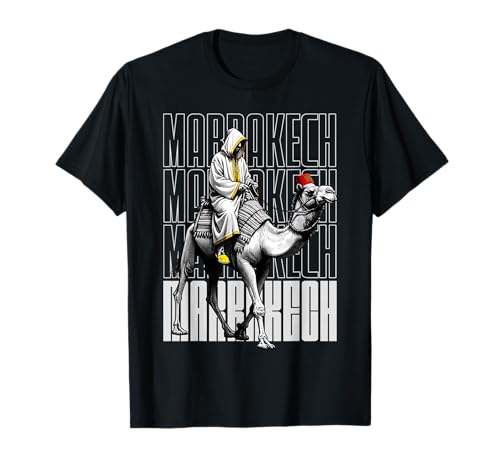
Marrakech Design Wearing traditional moroccan outfit and fez hat, riding camel,Summer Marrakech Morocco Retro lovers Sunset Vintage Palm trees Tropical great vacation souvenir tee, Moroccan, Sahara, Desert,
Spring and Fall
- Breathable daytime clothing
- A light jacket or warm layer for evenings
- Comfortable walking shoes
- Sun protection and a refillable water bottle
- Rain protection for northern, coastal, or mountain areas
Summer
- Loose, lightweight clothing that also respects local customs
- A sun hat, sunglasses, and broad-spectrum sunscreen
- Electrolytes or salty snacks for long outdoor days
- A light wind layer for Essaouira and exposed coastal areas
- Confirmed air conditioning for hot inland stays
Winter
- Warm layers for inland evenings and desert nights
- A waterproof outer layer
- Proper mountain footwear and specialist gear for snow routes
- Flexible travel plans for road or weather disruption
The best Morocco itinerary follows the region, not just the season: coast, city, mountain, and desert conditions can differ greatly on the same day.
Planning Your Ideal Trip to Morocco
Start by choosing the two or three experiences that matter most. A beach holiday, a High Atlas trek, and a Sahara camp do not share the same ideal weather window. Match the dates to the most weather-sensitive part of the trip, then build the rest of the route around it.
Before paying for nonrefundable bookings, check the current forecast, official travel advice, road conditions, festival schedules, and expected Ramadan or Eid dates. Ask activity providers specific questions about heat, snow, guide qualifications, insurance, transport, equipment, and cancellation policies.
For the broadest range of comfortable experiences, spring and fall remain the strongest choices. Summer works best when the coast is the priority, while winter suits travelers who accept colder nights and weather-dependent mountain plans.
Frequently Asked Questions
What is the best time to travel to Morocco?
For most travelers, the best time is mid-March through May or late September through November. These periods generally work well for city sightseeing, lower-elevation hiking, and desert routes.
What is Morocco’s weather like in spring and fall?
Days are often mild to warm in many popular cities, while evenings can be cool. Rain, wind, heat, or mountain snow is still possible, so pack layers and check forecasts for each stop.
When is the best time to visit the Sahara in Morocco?
Spring and fall are usually the best choices. March, April, October, and early November often provide more manageable daytime conditions than summer. Desert nights can be cold, so bring a warm layer.
When is the best time for a beach holiday in Morocco?
June through September is a common choice for Atlantic beach destinations. Agadir is suited to resort-style beach trips, while Essaouira is windier and popular for water sports.
Which festivals should I consider when planning a Morocco trip?
The 2026 National Festival of Popular Arts ran July 2-6 in Marrakech, the Fez Festival of World Sacred Music ran June 4-7, and the Marrakech International Film Festival is scheduled for November 20-28. Always verify future dates on official festival websites.
When is Morocco’s peak tourist season?
There is no single peak season for the whole country. Spring and fall are popular for classic tours, summer is busy at coastal resorts, and holiday periods or major events can raise demand in specific cities.
What should I know about visiting Morocco during Ramadan?
Avoid eating, drinking, smoking, or chewing gum in public during daylight hours. Check business and attraction hours, allow extra travel time before sunset, and expect some services to pause or change for iftar and Eid.
Can you ski in Morocco during winter?
Yes, skiing may be possible at Oukaïmeden and in other mountain areas when snow and access allow. Confirm snow cover, road conditions, lift operation, and rental availability shortly before the trip.
Sources
- Moroccan National Tourist Office: Climate and Seasons — regional climate and the recommended seasons for Sahara travel
- Moroccan National Tourist Office: Sport in Marrakech — Oukaïmeden and Atlas outdoor activities
- UK Government: Morocco Safety and Security — Ramadan etiquette, hiking guidance, road risks, and flash flooding
- CDC Travelers’ Health: Morocco — heat, sun, outdoor, and health precautions
- Fez Festival of World Sacred Music: 2026 Schedule — confirmed 2026 festival dates
- Marrakech International Film Festival — confirmed 2026 festival dates
