
Last Updated on September 10, 2026 by Daniel Globe
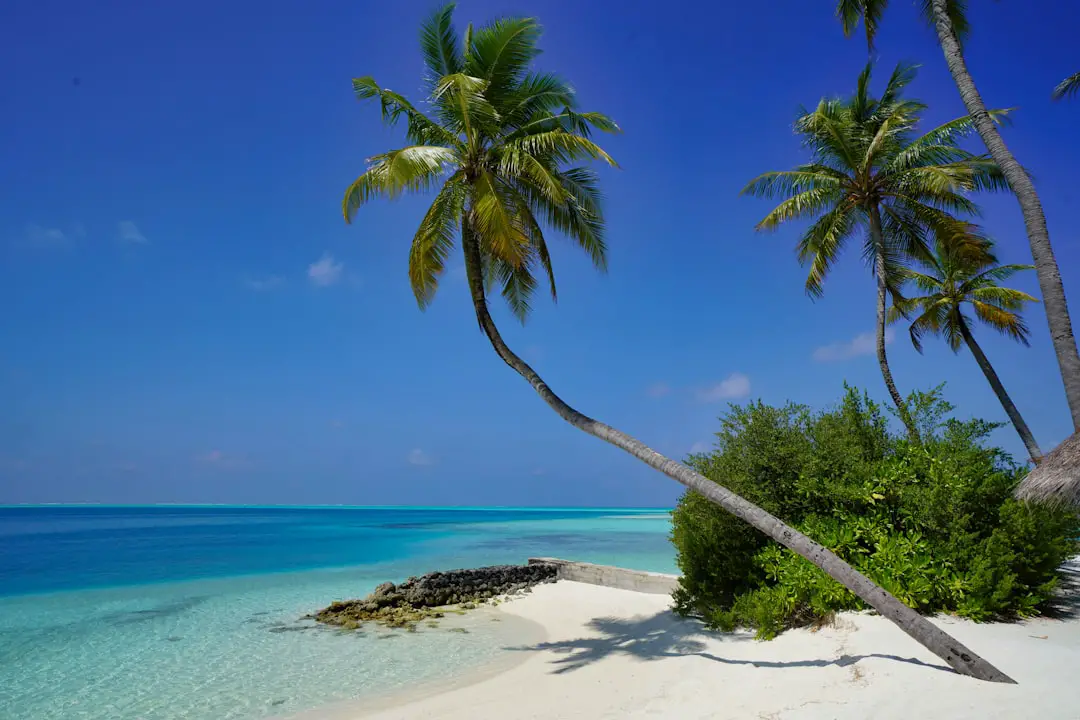
The Maldives, an archipelago of 26 natural atolls spread across the equator in the Indian Ocean, is renowned for its white-sand beaches, turquoise lagoons, and world-class marine ecosystems. Composed of over 1,000 coral islands, choosing the best time to visit the Maldives depends on your priorities—whether you are seeking unbroken sunshine for a honeymoon, peak underwater visibility for scuba diving, or discounted luxury rates during the tropical monsoon months.
Quick Answer
The best time to visit the Maldives is during the dry season from November to April. Temperatures remain consistently around 30°C (86°F) with low humidity, minimal rainfall, and exceptional sea clarity. For budget-conscious travelers, the shoulder months of April and November offer ideal weather combined with moderate resort pricing.
Key Takeaways
- Peak Season (Nov–Apr): Sunshine, calm seas, and dry weather, but highest accommodation rates and crowded resorts.
- Off-Peak Season (May–Oct): Higher chance of rain and brief tropical squalls, but resort prices drop up to 40-50%.
- Diving & Marine Life: Year-round diving is excellent; dry season offers 30-meter visibility, while wet season (May–Nov) brings mass feeding aggregations of manta rays and whale sharks to Hanifaru Bay.
- Surfing Season: The best swells occur during the Southwest Monsoon from April to October, peaking between June and August.
At a Glance: Maldives Travel Seasons
| Dry Season (High) | November to April — Sunny, dry, calm seas, maximum visibility |
| Monsoon Season (Low) | May to October — Brief heavy showers, higher humidity, lower prices |
| Average Temperature | 28°C to 31°C (82°F to 88°F) year-round |
| Best for Budget | May, September, and October |
Disclosure: As an Amazon Associate I earn from qualifying purchases. Some links on this page are affiliate links, at no extra cost to you.
Weather and Climate in the Maldives
The climate in the Maldives is tropical monsoon, governed by two distinct weather patterns that dictate temperature, rainfall, and ocean currents across the northern and southern atolls. According to data from the Maldives Meteorological Service, air temperatures remain exceptionally consistent throughout the year, averaging between 28°C and 31°C (82°F to 88°F), with water temperatures hovering at a pleasant 28°C (82°F).
The two main monsoon cycles are:
- Iruvai (Northeast Monsoon / Dry Season): Spanning from November to April, this season brings light winds, minimal precipitation, and low humidity. Ocean currents flow from the northeast, resulting in crystal-clear water visibility along the eastern reefs.
- Hulhangu (Southwest Monsoon / Wet Season): Spanning from May to October, this monsoon brings increased moisture, occasional heavy tropical downpours, and stronger winds. Rain showers during this period are typically intense but short-lived, frequently giving way to bright sunshine within an hour or two.
Note: Because the Maldives stretches over 800 kilometers north to south across the equator, climate conditions vary slightly between regions. Southern atolls (like Addu and Huvadhu) receive more uniform annual rainfall, while northern atolls experience sharper contrast between dry and wet seasons.
Peak Season for Travel to the Maldives (November – April)
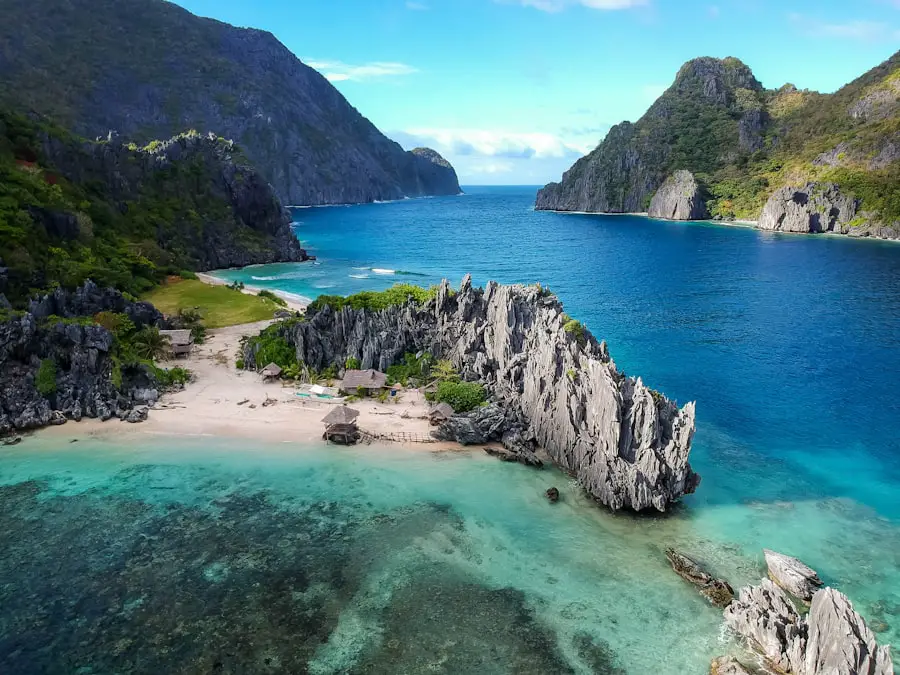
The peak travel season coincides with the dry northeast monsoon. Vacationers from Europe, Asia, and North America flock to the islands to escape winter conditions in the Northern Hemisphere. December through February marks the highest demand period, particularly during Christmas and New Year holidays, when resort rates peak and minimum stay requirements are widely enforced.
Key features of traveling during peak season include:
- Optimal Weather: Daily sunshine averages 8 to 10 hours with calm seas and virtually no rain.
- Water Activities: Ideal conditions for paddleboarding, kayaking, boat cruises, and snorkeling over shallow house reefs.
- Higher Costs: Luxury overwater villas and flights reach premium price tiers, requiring reservations 6 to 9 months in advance.
Off-Peak Season for Travel to the Maldives (May – October)
| Metric | Off-Peak Season (May – Oct) | Peak Season (Nov – Apr) |
|---|---|---|
| Weather & Conditions | Tropical rain showers, higher wind & humidity | Dry, low humidity, calm sea surface |
| Resort Nightly Rates | 30% to 50% discount off peak prices | Full price / Holiday surcharge pricing |
| Tourist Arrivals | Significantly lower; quieter resort beaches | High occupancy across all island resorts |
| Surfing Swells | Peak conditions across North/South Malé Atolls | Small, inconsistent swell activity |
The southwest monsoon brings monsoon rain and occasional stormy weather, making May through October the off-peak period. However, monsoon showers in the tropics rarely last all day. Rain generally falls in short bursts during early morning or afternoon, leaving plenty of dry hours to enjoy beach activities.
Pro Tip: Visiting during the off-peak season is the single best way to stay at ultra-luxury resorts (such as Soneva, St. Regis, or Ritz-Carlton) at a fraction of their standard pricing. Many properties offer complimentary room upgrades, free meal plan extensions (e.g., Half-Board to Full-Board), and free resort transfer packages to attract travelers.
Shoulder Season Strategy (April & November)
The transition months of April and November represent the shoulder seasons in the Maldives. During these months, wind directions shift, yielding a balance between pleasant weather and favorable pricing.
- April: Marks the end of the dry season. Water temperatures reach their highest of the year, humidity begins to rise slightly, and seas remain calm. Resort rates start to taper down after Easter.
- November: Marks the transition into the dry northeast monsoon. While occasional end-of-monsoon showers occur, sunshine increases significantly, and sea conditions stabilize before peak holiday pricing takes effect in mid-December.
Special Events, Cultural Festivals, and Holidays
Experiencing Maldivian cultural celebrations provides travelers with insight into the nation’s South Asian, Arab, and African heritage. According to Visit Maldives, several major events take place throughout the year:
- Eid al-Fitr & Eid al-Adha: Celebrated according to the Islamic lunar calendar, these religious holidays feature communal feasts, traditional music, and Bodu Beru (traditional drum) performances on inhabited local islands.
- Independence Day (July 26th): Commemorates the end of British protectorate status in 1965. Parades, school performances, and public celebrations take place in the capital island of Malé.
- National Day (Gaumee Dhuvas): Celebrated on the 1st of Rabee’ul Awwal (the third month of the Islamic calendar), honoring the victory of Muhammad Thakurufaanu Al Auzam over Portuguese forces in 1573.
Best Time for Diving, Snorkeling, and Marine Life
The Maldives offers world-renowned scuba diving and snorkeling year-round, but specific marine encounters depend on seasonal currents:
“Underwater visibility reaches up to 30 meters (100 feet) during the dry season from December to April, making it the preferred window for reef diving and underwater photography.”
However, pelagic marine encounters operate on different seasonal movements:
- Hanifaru Bay Manta Feeding (May – November): Located within the UNESCO Baa Atoll Biosphere Reserve, Hanifaru Bay acts as a natural plankton trap during the Southwest Monsoon. Hundreds of reef manta rays and whale sharks aggregate here to filter-feed between May and November, with peak concentrations between July and October.
- Whale Shark Encounters (Year-Round): South Ari Atoll provides a permanent habitat for juvenile whale sharks, allowing visitors to swim alongside these gentle giants regardless of the season.
- Bioluminescent Plankton (“Sea of Stars”): High concentrations of bioluminescent dinoflagellates create glowing blue shorelines on islands like Vaadhoo between June and December, best observed during moonless nights.
Warning: Marine interaction rules at UNESCO protected sites like Hanifaru Bay are strictly enforced. Touching, feeding, or using flash photo equipment near manta rays and whale sharks is illegal and subject to heavy fines.
Surfing Season in the Maldives
Surfers flock to the Maldives during the Southwest Monsoon. The best swell conditions occur between April and October, when groundswells generated in the Southern Ocean travel north into the atolls.
- North Malé Atoll: Home to famous breaks like Cokes, Jailbreaks, and Sultans; peaks between May and August.
- Outer Central & Southern Atolls: Offer uncrowded waves in places like Laamu and Huvadhu Atolls, best from March to May and September to November.
Practical Tips for Traveling Across Different Seasons
- Book Early for Peak Season: Secure resort rooms, speedboats, and seaplane transfers at least 6 months in advance if traveling between December and February.
- Pack for Tropical Weather Year-Round: Lightweight cotton clothing, high-SPF reef-safe sunscreen, sunglasses, and rash guards are essential in every season. Pack a light windbreaker or raincoat during monsoon months.
- Plan Seaplane Travel Wisely: Seaplanes in the Maldives only operate during daylight hours (6:00 AM to 4:00 PM). If arriving on an international flight after 3:30 PM, you will need to spend the first night in Malé or Hulhumalé.
- Respect Local Customs: When visiting inhabited local islands (outside private resort islands), dress modestly covering shoulders and knees, especially during Ramadan.
Conclusion and Final Recommendations
The Maldives is a year-round paradise offering distinct advantages in every season. If your dream vacation revolves around guaranteed sunshine, calm glass-like waters, and luxury beach days, plan your trip during the dry season between November and April. If you want to experience luxury resort living on a lower budget, catch world-class surf waves, or witness hundreds of feeding manta rays, booking during the off-peak season between May and October will yield unforgettable experiences at exceptional value.
Frequently Asked Questions
What is the overall best time to travel to the Maldives?
The best time to travel to the Maldives is during the dry season from November to April. Weather during these months features minimal rainfall, calm ocean waters, and low humidity, offering prime conditions for beach vacations and water sports.
What is the weather like in the Maldives during the dry season?
During the dry season (Northeast Monsoon), temperatures range between 27°C and 30°C (80°F to 86°F). Rainfall is scarce, skies are clear, and underwater visibility reaches up to 30 meters.
When is the peak tourist season in the Maldives?
Peak tourist season runs from December through March, hitting its absolute highest demand during Christmas and New Year holidays. Resort occupancy is high, and prices are at their premium.
What is the shoulder season in the Maldives?
The shoulder seasons occur during the seasonal transitions in April and November. These months offer a balance between pleasant weather, low crowd density, and moderate resort room rates.
Is it advisable to travel to the Maldives during the monsoon season?
Yes, traveling during the wet monsoon season (May to October) is great for budget travelers, surfers, and marine life enthusiasts wanting to see manta rays. Rain showers are usually short, and resorts offer discounts of 30% to 50%.
Sources
- Maldives Meteorological Service — National weather data, monsoon timelines, and regional climate records
- Visit Maldives Official Tourism Board — Cultural calendar, entry guidelines, and regional travel information
- UNESCO Baa Atoll Biosphere Reserve Office — Hanifaru Bay marine life aggregation schedules and conservation rules
