

Last Updated on August 26, 2026 by Daniel Globe
The best time to visit the Maldives depends on what matters most to you. Travelers chasing the driest, sunniest beach weather usually favor the northeast-monsoon period, while the wetter months can bring lower prices, fewer crowds, stronger surf, and some of the country’s best seasonal manta-ray and whale-shark encounters. Because the Maldives stretches across many atolls, weather and underwater conditions can also vary by location.
Quick Answer
For the best chance of dry, sunny weather, visit the Maldives from January through March, with December and April as useful transition months that are often still favorable. May through November is generally wetter, but it can offer better value, fewer crowds, surfing, and excellent manta-ray or whale-shark opportunities in specific atolls.
Key Takeaways
- The Maldives is warm and humid year-round, with average temperatures generally around 25°C to 32°C (77°F to 90°F).
- The Maldives Meteorological Service identifies January through March as the core northeast dry monsoon and roughly mid-May through November as the southwest wet monsoon; December and April are transition months.
- For classic beach weather, January through March is one of the safest choices, while late December through April is widely treated as the broader high-demand travel season.
- May through October or November can bring more rain and wind, but showers are often separated by brighter periods and accommodation deals may be easier to find.
- Diving and snorkeling are possible throughout the year. The best location depends on currents, visibility, plankton, and the marine species you hope to see.
- Whale sharks can be seen year-round in South Ari Atoll, while Hanifaru Bay in Baa Atoll is especially known for seasonal manta and whale-shark activity from about May to November.
- Maldivian Independence Day is July 26. Islamic-calendar holidays such as National Day move through the Gregorian calendar, so verify dates for your travel year.
Disclosure: As an Amazon Associate I earn from qualifying purchases. Some links on this page are affiliate links, at no extra cost to you.
Best Time to Visit the Maldives by Travel Style
| Travel Priority | Good Time to Consider | Why |
|---|---|---|
| Dry beach weather | January–March | Core northeast dry monsoon, generally with more sunshine and less rainfall. |
| Good weather with some flexibility | December or April | Transition months can still deliver excellent conditions, although weather is less predictable than during the core dry period. |
| Lower prices and fewer crowds | May–October | Higher rain risk usually reduces demand and can produce attractive resort or guesthouse offers. |
| Whale sharks in South Ari | Year-round | South Ari Marine Protected Area is a year-round aggregation site, with particularly strong concentrations often reported from August to November. |
| Mantas at Hanifaru Bay | May–October/November | Southwest-monsoon plankton concentrations attract large feeding aggregations. |
| Surfing | Mid-February–November | Visit Maldives identifies a broad surf season, with especially favorable windows around March–May and September–November. |
| Family beach holiday | January–April | Generally favorable weather makes beach days, snorkeling, cruises, and children’s activities easier to plan. |
Peak Tourist Season in the Maldives
The broad high-demand travel period generally overlaps with the sunnier northeast-monsoon months and often runs from late December into April. January through March sits within the Maldives Meteorological Service’s core northeast dry monsoon, while December and April are transition months that can still offer attractive beach conditions.
Christmas and New Year are especially popular travel periods. Resorts may have higher room rates, minimum-stay requirements, festive-meal supplements, or reduced availability around major holiday dates. Travelers who want a particular villa type, family room, dive package, or seaplane connection should plan well ahead.
The main advantage of traveling in this period is weather reliability. Sunshine is generally more abundant, seas can be calmer at many locations, and rain is less frequent than during the southwest monsoon. These conditions work well for swimming, snorkeling, beach time, sunset cruises, and many family activities.
Pro Tip: If you want dry-season weather without paying for the Christmas/New Year rush, compare dates after the festive period and remain flexible across several resorts or islands. Rates vary widely, so there is no single month that is cheapest at every property.
Off-Peak Season in the Maldives
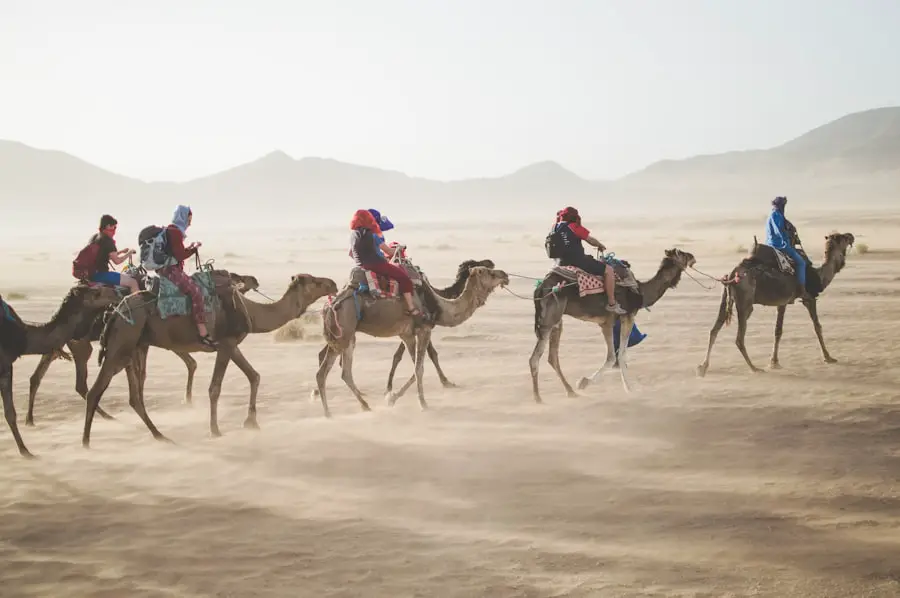
The quieter travel period broadly overlaps with the southwest monsoon. The Maldives Meteorological Service says this wetter monsoon normally extends from about mid-May through November, although tourism guides often use May through October as a simple rainy-season shorthand.
Rainfall is more frequent during these months, humidity remains high, and wind or rougher seas can affect some outdoor plans. That does not mean it rains continuously. The Maldives Meteorological Service notes that rainfall is commonly showery, with sunny periods between showers.
Note: A wet-season forecast should not be read as a promise of all-day rain. Tropical conditions can change quickly, and rainfall differs between the northern, central, and southern atolls.
For travelers who can accept some weather uncertainty, this period can have important advantages. Resorts and guesthouses may run seasonal promotions, popular islands can feel quieter, and the southwest monsoon creates marine conditions that attract manta rays and whale sharks to places such as Hanifaru Bay.
The greener scenery and dramatic tropical skies can also appeal to photographers. Travelers who mainly want uninterrupted beach days, however, should give more weight to the January–March dry period.
Maldives Weather and Marine Life by Month
| Month | General Pattern | Planning Notes |
|---|---|---|
| January | Core dry monsoon | Excellent choice for beach weather and many dive or snorkeling trips; high demand is common. |
| February | Core dry monsoon | Often one of the stronger all-around months for sunshine, beaches, and water activities. |
| March | Core dry monsoon | Warm, generally sunny conditions; surf conditions also begin improving at many breaks. |
| April | Transition month | Can still offer excellent beach conditions, but humidity and shower risk typically increase as the monsoon changes. |
| May | Southwest monsoon develops | Rain and wind become more likely; Baa Atoll’s manta season begins and surf conditions can be rewarding. |
| June | Wet monsoon | Expect greater weather variability; Hanifaru Bay marine activity can become especially interesting. |
| July | Wet monsoon | Good for travelers prioritizing value, surfing, or seasonal marine encounters rather than guaranteed sunshine. |
| August | Wet monsoon | Strong period for marine-life-focused trips in Baa and South Ari, although rain remains possible. |
| September | Wet monsoon | Manta and whale-shark opportunities can be excellent in the right atolls; surfing also remains attractive. |
| October | Wet monsoon | Still wetter than the core dry period, but valuable for marine life, surfing, and potentially lower accommodation prices. |
| November | Wet monsoon easing | A transitional-feeling travel month; South Ari whale sharks and late-season surf can remain appealing. |
| December | Transition toward drier conditions | Conditions often improve, while Christmas and New Year bring strong demand and premium pricing at many resorts. |
Best Time for Diving and Snorkeling in the Maldives
The Maldives offers diving and snorkeling throughout the year. There is no single month when every atoll has the best visibility, currents, and marine-life encounters at the same time. Conditions shift with the monsoons, tides, plankton levels, and the geography of each atoll.
The northeast-monsoon period is popular with divers because many locations can have clear water and favorable conditions. January through March is especially attractive for travelers who want to combine diving with generally drier weather. However, the original assumption that visibility is always 20–30 meters in every month is too simplistic. Visibility can change substantially between atolls and even between nearby dive sites.
The southwest monsoon brings more plankton to some areas. That can reduce underwater visibility at certain sites while simultaneously creating outstanding opportunities to see filter-feeding marine life.
Whale Sharks in South Ari Atoll
South Ari Marine Protected Area is one of the Maldives’ most reliable whale-shark destinations. Visit Maldives identifies South Ari as a year-round whale-shark aggregation site. Sightings are therefore possible outside the traditional dry season, and concentrations are often particularly notable from August through November.
Manta Rays and Whale Sharks in Baa Atoll
Hanifaru Bay in Baa Atoll follows a different pattern. During the southwest monsoon, plankton can accumulate in the bay and attract large numbers of manta rays as well as occasional whale sharks. The broader season runs approximately from May into October or November, with major manta activity commonly concentrated between June and October.
Note: Choose your atoll before choosing your month if a particular species is the main reason for your trip. A month that is excellent for mantas in Baa Atoll may not represent the best conditions at a completely different dive site.
Divers should also match sites to their certification and comfort level. Currents, depth, tides, and visibility can change the difficulty of a dive, so local dive-center guidance is important even for experienced divers.
Best Time for Surfing in the Maldives
Surfing follows a different seasonal pattern from classic dry-season beach travel. Visit Maldives describes the broad surfing season as extending from around mid-February through November, with especially favorable periods from March to May and again from September through the end of November.
North Malé Atoll is one of the country’s best-known and most accessible surf areas, while southern atolls offer their own seasonal breaks. Surfers should choose a specific atoll and break before finalizing dates because swell direction, wind, and local geography affect conditions.
Special Events and Festivals in the Maldives
The Maldives has a rich Islamic and national cultural calendar. Eid al-Fitr, which marks the end of Ramadan, is an important celebration featuring prayer, family gatherings, meals, and community activities. Because Islamic holidays follow a lunar calendar, their Gregorian dates move each year.
Independence Day is held on July 26 and commemorates Maldivian independence from British rule in 1965. Celebrations can include official ceremonies, cultural performances, music, and community events.
National Day also follows the Islamic calendar rather than a fixed Gregorian date. For example, the official 2026 government calendar places National Day on August 14, 2026. Travelers visiting in another year should confirm that year’s official calendar.
Marine-conservation events and whale-shark-themed programs are also organized from time to time. However, travelers should not assume that a “Maldives Whale Shark Festival” always occurs on a fixed August date. Check the current Visit Maldives event calendar or the organizer’s current schedule before planning a trip around a particular festival.
Resorts frequently create their own Eid, Independence Day, Christmas, New Year, food, diving, or cultural programs. These vary by property and year, so confirm directly with your accommodation if an event is an important part of your trip.
Budget-Friendly Travel Times in the Maldives

Travelers who want to reduce the cost of a Maldives holiday should compare stays during the wetter southwest-monsoon months, especially from May through October. Demand can be softer than during the winter dry period, and resorts may publish seasonal discounts, transfer promotions, meal-plan offers, or added-value packages.
Local-island guesthouses can also cost substantially less than private-island luxury resorts. They provide access to local communities, public beaches where permitted, excursions, diving, and restaurants without requiring an overwater-villa budget.
Do not choose a hotel on nightly room price alone. Maldives trip costs can also include domestic flights, seaplanes or speedboats, mandatory transfers, meal plans, taxes, excursions, and festive supplements. Compare the full trip price before booking.
Dining at local cafés and restaurants on inhabited islands can help control costs compared with relying entirely on private-resort dining. Travelers who value sunshine more than savings may prefer a shorter dry-season stay instead of a longer but wetter off-season trip.
Family-Friendly Travel Times in the Maldives
Families who want dependable beach time will usually find January through April attractive, with January through March sitting inside the core dry monsoon. More predictable conditions can make snorkeling trips, dolphin cruises, beach activities, and outdoor children’s programs easier to schedule.
Many resorts have family villas, children’s pools, kids’ clubs, babysitting services, and organized activities. Before booking, check the resort’s minimum ages for snorkeling trips, diving, water sports, overwater villas, and kids’ clubs because policies vary by property.
Families traveling during Christmas, New Year, Easter, or school-holiday periods should expect stronger demand. Booking earlier gives you a better chance of securing connecting rooms, multi-bedroom villas, or accommodations close to family facilities.
Families comfortable with occasional rain can consider the wetter months for potentially better value. A resort with a strong kids’ club, indoor activities, and a good house reef can make a wet-season stay more flexible.
Tips for Booking Accommodation and Activities in the Maldives
Start by choosing an atoll and transfer method rather than comparing room photos alone. Resorts close to Velana International Airport may use speedboats, while more distant properties may require a domestic flight, seaplane, or a combination of transfers.
If your resort requires a seaplane, international-flight timing matters. Trans Maldivian Airways operates seaplanes from sunrise to sunset rather than at night and advises travelers who want a same-day resort transfer to plan an arrival in the Maldives by about 15:30 local time. Always confirm the applicable transfer cut-off with your resort because arrangements vary.
During high-demand months, book sought-after villa categories and specialist activities such as dive excursions, whale-shark trips, private cruises, or spa treatments in advance. During quieter periods, compare package offers before purchasing activities separately.
When marine wildlife is your priority, choose the correct atoll first. South Ari is particularly useful for year-round whale-shark trips, while Baa Atoll is famous for southwest-monsoon manta aggregations. Wildlife sightings are never guaranteed, regardless of season.
Check cancellation terms carefully if traveling during the wetter months. Flexible booking conditions can be valuable when weather affects optional excursions or when your international-flight plans change.
Staying flexible by a few days can also help with airfare and accommodation availability. Rather than assuming one date is always cheapest, compare several arrival dates and the total cost including transfers.
Finally, practical travel gear can make long transfer days easier. If you expect to use your phone for photos, boarding passes, maps, or communication throughout the journey, this guide to 3 portable phone chargers you need for your next getaway may help with trip preparation.
Frequently Asked Questions
What is the best time to travel to the Maldives?
January through March is one of the best periods for travelers prioritizing dry, sunny beach weather. December and April are transition months and can also be attractive. The best period changes if your priority is lower prices, surfing, manta rays, or whale sharks.
What is the weather like in the Maldives during the best time to travel?
The Maldives stays warm throughout the year. During the core northeast dry monsoon from January through March, rainfall is generally lower and sunshine is more plentiful. Average temperatures across the country are typically around 25°C to 32°C.
When is the monsoon season in the Maldives?
The Maldives has two main monsoons. The Maldives Meteorological Service identifies January through March as the northeast dry monsoon and roughly mid-May through November as the southwest wet monsoon. April and December are transition periods.
Is the Maldives worth visiting during the rainy season?
Yes, if you can accept less predictable weather. Rain commonly arrives in showers with brighter periods between them, while the wetter months can offer fewer crowds, seasonal promotions, good surfing, and excellent marine-life experiences in selected atolls.
What is the best time for diving and snorkeling in the Maldives?
Diving and snorkeling are available year-round. January through March works well for travelers who want generally drier weather, but underwater visibility and currents vary by atoll and site. Marine-life-focused travelers should choose their destination according to the species they want to see.
When is the best time to see whale sharks and manta rays?
Whale sharks can be seen year-round in South Ari Marine Protected Area, with particularly strong concentrations often reported from August to November. Hanifaru Bay in Baa Atoll is best known for seasonal manta and whale-shark activity during the southwest monsoon, roughly May through October or November.
Are there specific events or festivals to consider when planning a Maldives trip?
Yes. Independence Day is July 26, while Eid celebrations and National Day follow calendars whose Gregorian dates can vary. Whale-shark, diving, cultural, and resort events also change from year to year, so check the current official Maldives events calendar before booking around a particular event.
What are the peak tourist seasons in the Maldives?
Demand is generally strongest during the drier part of the year, particularly around Christmas, New Year, and the January-to-March dry period. Late December through April is commonly treated as the broader high-season window, although prices and occupancy vary by property and market.
What time should my flight arrive if my resort uses a seaplane?
Seaplanes operate during daylight rather than at night. Trans Maldivian Airways advises travelers seeking a same-day resort connection to arrive in the Maldives by about 15:30 local time. Confirm your resort’s transfer requirements before booking international flights.
Sources
- Maldives Meteorological Service — Climate of Maldives — official monsoon periods, rainfall, sunshine, and temperature guidance.
- Visit Maldives — Travel Information — official visitor-oriented weather and travel information.
- Visit Maldives — Diving in the Maldives — year-round diving and seasonal variation in visibility, currents, and marine life.
- Visit Maldives — Whale Sharks: South Ari Atoll — year-round whale-shark aggregation information.
- Visit Maldives — Official Event Calendar — current cultural, marine, and tourism events.
- Trans Maldivian Airways — FAQ — daylight seaplane operations and same-day arrival guidance.
