

Last Updated on July 27, 2026 by Daniel Globe
Planning a trip to Japan requires understanding its distinct four seasons, each offering unique cultural festivals, natural landscapes, and regional activities. Whether you are aiming to witness the famous cherry blossoms in spring, explore vibrant summer night markets, admire crimson autumn leaves, or hit world-class ski slopes in winter, timing your visit properly is key to an unforgettable journey.
Quick Answer
The best time to visit Japan is during spring (March to May) for cherry blossoms and mild weather, or autumn (September to November) for vibrant foliage and comfortable temperatures. For budget travelers or fewer crowds, late autumn and winter (excluding holidays) offer optimal savings.
Key Takeaways
- Spring (March–May): Peak season for cherry blossom viewing (hanami) across Tokyo, Kyoto, and Osaka.
- Summer (June–August): Lively cultural festivals (matsuri) and spectacular fireworks (hanabi taikai), but hot and humid weather with occasional typhoons.
- Autumn (September–November): Exceptional fall foliage (koyo) and ideal mild temperatures for outdoor sightseeing.
- Winter (December–February): World-class powder skiing in Hokkaido and Nagano, paired with cozy hot springs (onsen) and snow festivals.
- Crowd Avoidance: Reserve accommodation months in advance if traveling during Golden Week (late April to early May) or peak blossom season.
Disclosure: As an Amazon Associate I earn from qualifying purchases. Some links on this page are affiliate links, at no extra cost to you.
Spring: Cherry Blossom Season
Spring in Japan is synonymous with the breathtaking beauty of cherry blossoms, or sakura, which bloom in a spectacular display of pink and white across the country. This seasonal phenomenon typically occurs from late March to early April in major cities, drawing both locals and tourists to parks, gardens, and streets adorned with delicate flowers. The cherry blossom season is deeply embedded in Japanese culture, symbolizing the transient and precious nature of life.
Hanami, or flower viewing, is a cherished tradition where families and friends gather under blooming cherry trees to enjoy picnics, share stories, and appreciate the fleeting beauty of the blossoms. The significance of cherry blossoms extends beyond their aesthetic appeal; they are celebrated in poetry, art, and regional festivals, reflecting the Japanese ethos of mono no aware—the poignant awareness of the impermanence of all things.
Major destinations like Tokyo, Kyoto, and Osaka host numerous hanami events, where visitors flock to iconic spots such as Ueno Park in Tokyo and Maruyama Park in Kyoto. The atmosphere is electric, filled with music, food stalls, and the aroma of seasonal delicacies like sakura mochi. Additionally, many regions feature nighttime illuminations that transform public parks into magical evening displays.
Pro Tip: Cherry blossom bloom dates shift yearly depending on weather conditions. Track the official Japan Meteorological Corporation sakura forecast starting in January to time your trip perfectly with full bloom (mankai).
Summer: Festivals and Fireworks
As spring gives way to summer, Japan bursts into a vibrant celebration of local tradition through traditional festivals known as matsuri. These events are deeply rooted in local history and often coincide with agricultural rituals or shrine commemorations. Summer festivals are characterized by colorful floats, traditional music, and energetic group dances that bring local communities together.
One of the most famous summer gatherings is the historic Gion Matsuri in Kyoto, which spans the entire month of July and features massive, hand-crafted floats parading through the city center. Another highlight is the Tenjin Matsuri in Osaka, celebrated with river processions and elaborate theatrical performances.
Fireworks festivals, known as hanabi taikai, are another essential element of Japanese summer nights. Cities across the country host large-scale pyrotechnic displays that light up the sky. The Sumida River Fireworks Festival in Tokyo is one of the largest and oldest, drawing over a million spectators along the riverbanks. Attendees frequently wear yukata (light cotton kimonos) while browsing food stalls selling regional street food like yakitori and kakigori (shaved ice).
Warning: Japanese summers (July and August) are extremely hot and humid, with temperatures frequently exceeding 35°C (95°F). Stay hydrated, carry a sun umbrella, and plan indoor afternoon activities to avoid heat exhaustion.
Autumn: Fall Foliage
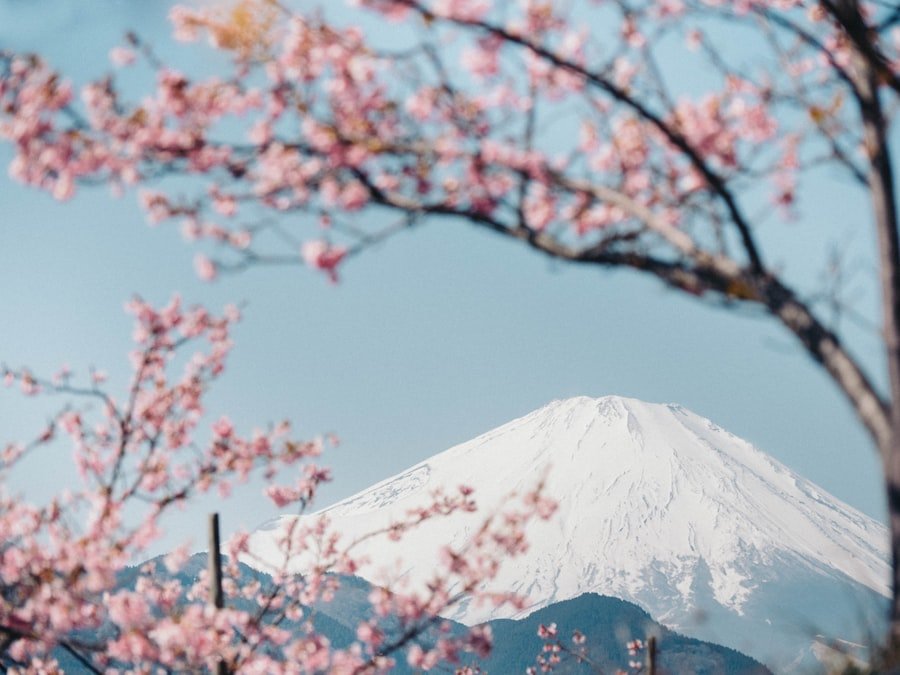
As summer fades into autumn, Japan transforms into a landscape painted in rich hues of red, orange, and yellow. The changing foliage, known as koyo, attracts nature lovers and photographers seeking to capture Japan’s stunning countryside and historic temples. Peak foliage varies by elevation and latitude, generally occurring from mid-October in northern regions down to early December in southern areas.
Popular destinations for viewing autumn foliage in Japan include Nikko National Park, Arashiyama in Kyoto, and the historic garden city of Kanazawa. Many travelers participate in momijigari (maple leaf hunting), traveling to rural valleys and mountain passes to enjoy the seasonal colors.
Temples and shrines frequently host evening illuminations during peak foliage season, casting a warm glow over traditional wooden architecture and illuminated maple trees. Autumn is also harvest season in Japan, giving travelers the opportunity to sample seasonal fruits, persimmons, roasted chestnuts, and freshly harvested rice dishes.
Winter: Skiing and Snow Festivals
Winter in Japan offers a distinct mix of world-class outdoor sports and relaxing traditional experiences. The country’s mountainous topography receives dry cold winds from Siberia, creating abundant lightweight powder snow that makes Japan a top destination for skiers and snowboarders worldwide.
| Destination | Average Snowfall (inches) | Number of Ski Slopes | Major Winter Festivals |
|---|---|---|---|
| Niseko, Hokkaido | 590 | 70 | Sapporo Snow Festival (Nearby) |
| Hakuba, Nagano | 430 | 137 | Hakuba Happo-one Winter Lights |
| Yuzawa, Niigata | 470 | 85 | Echigo-Yuzawa Snow Festival |
Resort areas like Niseko and Furano on the northern island of Hokkaido, alongside Hakuba in the Japanese Alps of Nagano, offer world-recognized snow conditions. Skiing in Japan is often paired with relaxing in natural hot springs (onsen), providing a ideal way to unwind after a day on the slopes.
Beyond sports, winter brings spectacular snow festivals. The Sapporo Snow Festival in February is the most famous, showcasing gigantic ice and snow sculptures that draw millions of international visitors. Smaller regional events, such as the Otaru Snow Light Path Festival, feature hand-crafted lanterns illuminating snow-covered streets.
Off-Peak: Avoiding Crowds and Saving Money
Traveling during off-peak periods is an effective strategy for visitors looking to avoid long lines while securing lower rates on accommodation and airfare. Shoulder seasons—such as late November, early December, and mid-to-late January—see lower tourism volume across major cities.
Visiting Japan during these quieter windows allows for a more relaxed pace at major sights like Kyoto’s Fushimi Inari Shrine or Tokyo’s Senso-ji Temple. Budget-conscious travelers can take advantage of discounted hotel rates and promotional rail fares while still enjoying clear winter weather and seasonal culinary options.
Golden Week: Japan’s Busiest Travel Period

Golden Week is a sequence of four national holidays occurring within a single week from late April to early May. It represents one of Japan’s busiest domestic holiday periods.
Impact on Travel and Tourism
During Golden Week, millions of domestic travelers take time off work to travel throughout the country or visit family. Major transportation hubs, high-speed rail lines (Shinkansen), and popular tourist attractions experience peak crowds and high capacity.
Planning and Preparation
Navigating Japan during Golden Week requires early preparation. Shinkansen train reservations, regional express buses, and hotels in major cities often sell out months in advance. Rates for hotel rooms also reach peak holiday pricing.
Alternative Travel Options
If your travel dates coincide with Golden Week, consider exploring lesser-known rural prefectures or sticking to localized neighborhood exploration rather than long-distance intercity transit on peak travel days.
Typhoon Season: Weather Considerations
Typhoon season in Japan spans from June through October, with activity peaking in August and September. These tropical storm systems can bring heavy rainfall, high winds, and temporary disruptions to public transportation networks.
Travelers visiting during these months should stay updated via the Japan Meteorological Agency for weather warnings and transit updates. Having flexible itinerary plans and focusing on indoor cultural activities like museums, art galleries, and dining experiences ensures a smooth trip despite inclement weather.
Peak Travel Times: Planning for High Demand and Prices
Understanding Japan’s peak travel windows helps prevent unexpected costs and logistical hurdles. The three major travel peaks in Japan are:
- New Year (Shogatsu): Late December through early January, when many business establishments close for family holidays.
- Golden Week: Late April to early May, marked by heavy domestic travel.
- Obon Festival: Mid-August, when families travel back to their ancestral hometowns.
Note: To secure favorable rates during peak seasons, book accommodations and long-distance train tickets at least 3 to 6 months in advance.
Frequently Asked Questions
What is the best time to travel to Japan?
The best time to travel to Japan is during the spring season (March to May) for cherry blossoms and mild weather, and the autumn season (September to November) for foliage and comfortable temperatures.
What are the weather conditions during peak travel months?
Spring and autumn bring mild, pleasant weather with average temperatures ranging between 15°C to 22°C (59°F to 72°F). Summers are hot and humid, while winters are cold with snow in northern and mountainous regions.
Are there specific festivals to plan a trip around?
Yes. Spring is famous for Hanami (cherry blossom festivals), summer features major matsuri like Gion Matsuri and fireworks displays, and winter highlights include the Sapporo Snow Festival in Hokkaido.
Are there drawbacks to visiting during the best travel seasons?
The main drawback is higher volume and increased pricing for flights and hotels. Booking transit passes and accommodations several months in advance is essential during peak seasons.
Sources
- Japan National Tourism Organization (JNTO) — Official travel guidelines, seasonal event calendars, and regional destination guides.
- Japan Meteorological Agency (JMA) — National weather advisories, seasonal temperature averages, and typhoon tracking data.
- Kyoto City Tourism Association — Historical event timing for Gion Matsuri and cultural preservation advisories.
