
Last Updated on July 31, 2026 by Daniel Globe
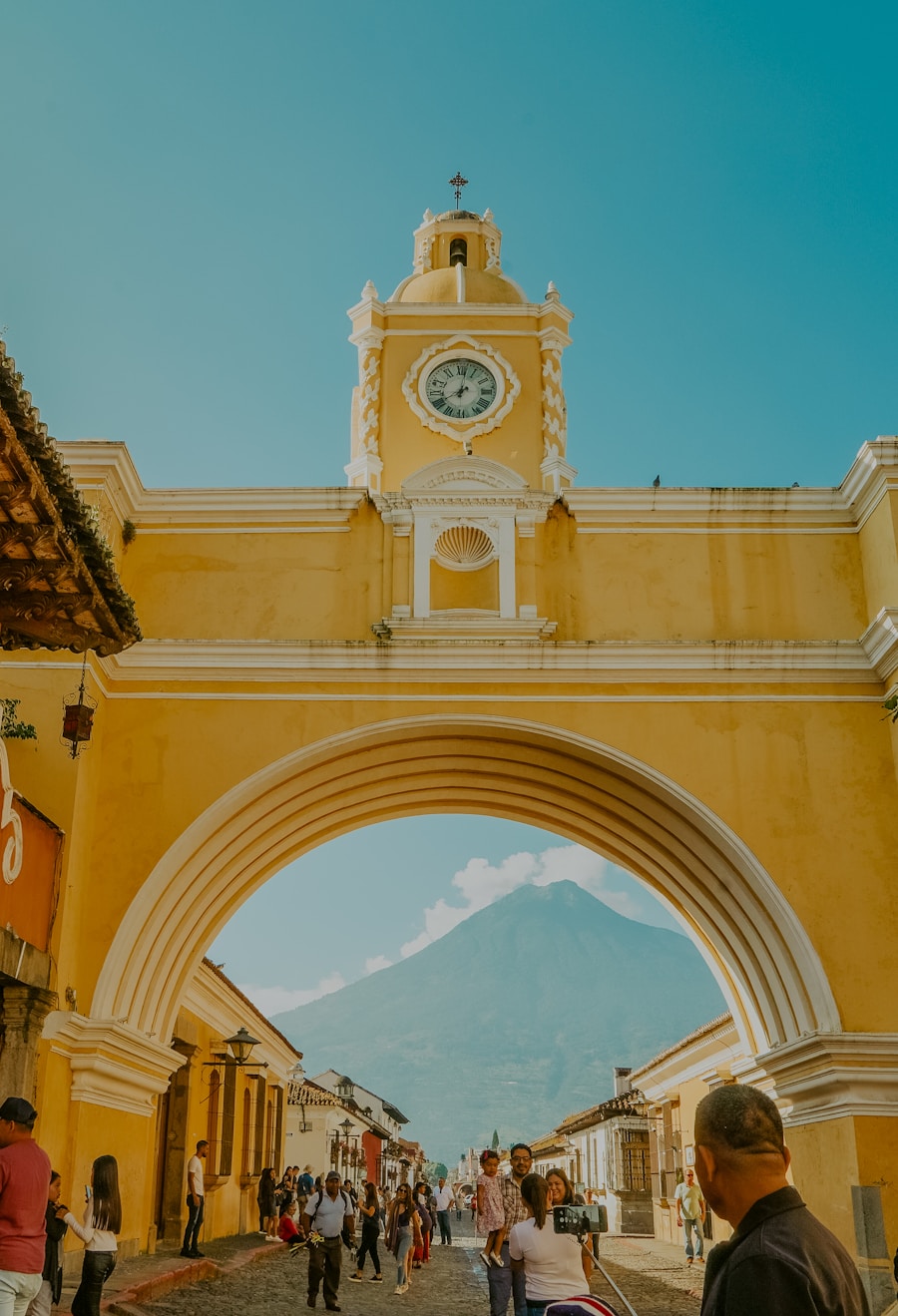
Guatemala can feel warm and tropical in one place, cool and misty in another, and rainy in a third on the same day. The best time to visit depends on where you are going, whether you plan to hike, and how much rain you are willing to accept. Elevation matters as much as the month.
Quick Answer
The best time to visit Guatemala for mostly dry weather is November through April. December to March usually offers the clearest conditions for Antigua, Lake Atitlán, Tikal, and volcano hikes. Choose May to October for greener scenery and fewer visitors, but expect rain, muddy trails, and possible road disruptions.
Key Takeaways
- November through April is the dry season and the easiest period for sightseeing, hiking, and road travel.
- May through October is the main rainy season, with rainfall often increasing in June and again in September or October.
- Highland destinations can have cool nights, while Petén, the Caribbean coast, and the Pacific lowlands stay hotter and more humid.
- Semana Santa falls in March or April, usually during the dry season or the transition into wetter weather.
- September and October can bring heavy rain, flooding, landslides, and transport delays, so flexible plans are important.
Guatemala Weather and Seasons at a Glance
Guatemala has two main climate periods rather than four sharply defined seasons. According to INSIVUMEH, Guatemala’s national weather agency, the rainy season generally runs from May through October and the dry season from November through April. Rainfall often follows a two-peak pattern, with one maximum around June and another between September and October. A temporary reduction in rainfall, called the canícula, may occur in July or August, but its timing and strength vary by region and year.
In Guatemala, the month tells only part of the weather story. Elevation, coast, terrain, and local rainfall patterns can change conditions within a few hours of travel.
How Elevation and Region Change the Weather
| Region | Typical Conditions | Best Planning Note |
|---|---|---|
| Antigua and Guatemala City | Mild to warm days with cooler evenings because of elevation. | Carry a light layer year-round and a rain shell from May to October. |
| Lake Atitlán and western highlands | Comfortable days, cool nights, and fast-changing mountain weather. | Plan boat trips and viewpoints early in the day during the rainy season. |
| Quetzaltenango and higher elevations | Cooler than the central highlands, with cold nights possible in the dry season. | Pack warm sleepwear and an insulating layer, especially from November to February. |
| Petén and Tikal | Hot and humid for much of the year, with less sharply defined seasonal changes than the central highlands. | Visit ruins early, carry water, and prepare for heat even in the dry season. |
| Caribbean and Pacific lowlands | Generally hotter and more humid; Caribbean rainfall can remain significant outside the central dry-season pattern. | Use breathable clothing, sun protection, and a waterproof bag for electronics. |
Best Time to Visit Guatemala by Month
| Month | Weather Pattern | Best For | Watch For |
|---|---|---|---|
| January | Dry, often clear, with cool highland nights | Volcano views, Antigua, Tikal | Holiday demand early in the month |
| February | Dry and generally stable | Hiking, archaeology, lake views | Strong sun at elevation |
| March | Dry and warmer | Outdoor trips and possible Holy Week events | Crowds if Semana Santa falls in March |
| April | Hotter, with rain becoming more possible late in the month | Semana Santa and late dry-season travel | Heat, festival crowds, early storms |
| May | Rainy season begins in many regions | Green landscapes and lighter crowds | Afternoon rain and muddy trails |
| June | One of the main rainfall peaks | Lush scenery and cultural travel | Heavy showers and transport delays |
| July | Rainy, sometimes with a temporary drier spell | Flexible itineraries and green highlands | The canícula is not guaranteed |
| August | Wet and humid in many areas | Local festivals and lower-season travel | Storms and regional variation |
| September | Often very wet | Travelers prioritizing fewer visitors over weather | Flooding, landslides, and poor visibility |
| October | Rainy, with conditions often improving late | Green scenery and flexible trips | Tropical systems and road disruption |
| November | Transition toward drier weather | Giant-kite traditions and improving hiking conditions | Some rain may continue, especially early |
| December | Dry, clearer, and cooler at night in the highlands | First-time visits and outdoor activities | Christmas and New Year demand |
The Dry Season: November to April
The dry season is usually the simplest time for a first trip. Roads and hiking trails are less likely to be affected by persistent rain, and clearer skies improve the chance of seeing volcanoes around Antigua and Lake Atitlán. Tikal is also easier to explore when paths are less muddy, although Petén remains hot and humid.
December through March is especially useful for itineraries that combine cities, archaeological sites, lakes, and volcano hikes. The trade-off is stronger demand around Christmas, New Year, and Semana Santa. Book popular accommodations, guides, and transport early for those periods.
Dry does not mean rain-free, and the highlands can feel cold before sunrise or after dark. Pack layers even when the daytime forecast looks warm. Farmers also use this period for important harvest work, including coffee production in several highland regions.
Pro Tip: For the best chance of clear volcano views, schedule viewpoints, boat rides, and hikes for early morning. Clouds often build later, even during otherwise dry months.
Products Worth Considering

Guatemalan flag for men and women. Guatemala Gifts For Boys.

Regalo Perfecto cumpleanos, Guatemaltecas bellas, I love Guatemala, Guatemalan tshirt, Guatemala is great, Guatemala is awesome, Regalo unico, Orgullo latino, Made in Guatemala, Guatemala, Guatemala Clothin, Hecho en Gg, Ropa de Guatemalauatemala,
The Rainy Season: May to October
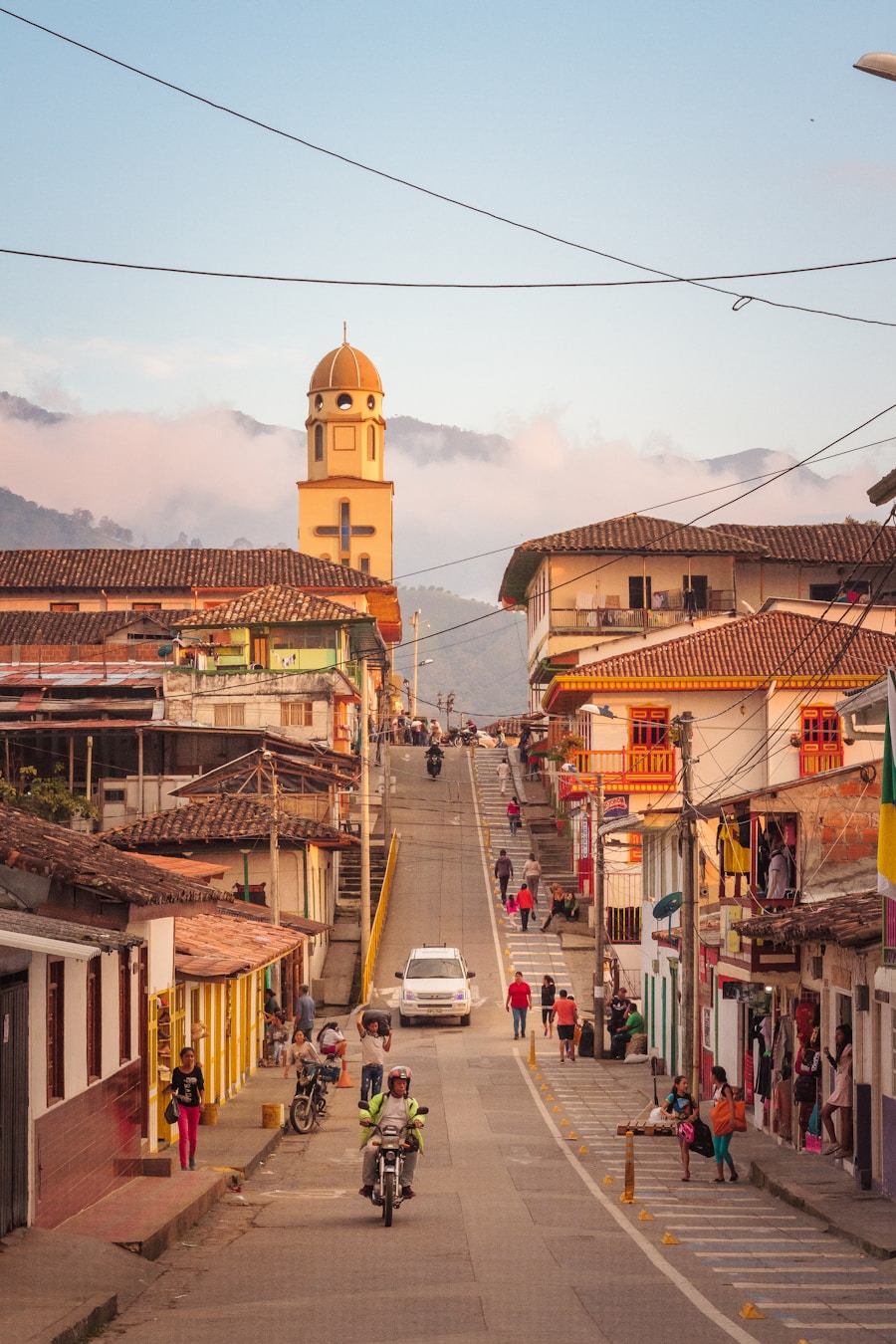
From May through October, rainfall becomes more frequent and intense across much of Guatemala. Many days still include usable dry periods, but rain can be heavy, and timing varies by region. June and September to October often bring stronger rainfall, while July or August may have a temporary reduction known as the canícula.
The rainy season turns hillsides and farmland green, fills streams, and can make waterfalls more dramatic. It can also mean muddy trails, clouded viewpoints, rough lake crossings, and longer road journeys. Petén and the Caribbean side do not always follow the same clear wet-dry pattern as the central and southern highlands.
Travel is still possible during these months when plans are flexible. Start outdoor activities early, leave buffer time between destinations, and avoid building an itinerary around a single weather-dependent hike or transfer.
Warning: Heavy rain can trigger flooding, landslides, bridge damage, and road closures. The rainy season overlaps with the Caribbean hurricane season. Check current weather, road reports, and local advice before long transfers or mountain travel.
Semana Santa: Holy Week in Guatemala
| Planning Detail | What Travelers Should Know |
|---|---|
| Timing | March or April; the dates change each year with Easter. |
| Season | Usually within the dry season, though late-April events may meet transitional weather. |
| Main traditions | Processions, vigils, funeral marches, seasonal foods, altars, and colorful street carpets. |
| Travel impact | Large crowds, road closures, limited rooms, and higher demand in Antigua and other celebration centers. |
UNESCO inscribed Holy Week in Guatemala on the Representative List of the Intangible Cultural Heritage of Humanity in 2022. The celebration includes processions, vigils, funeral marches, seasonal gastronomy, altars, and carpets made from flowers, fruits, colored sawdust, and other materials.
Antigua is the best-known center for visitors, where streets fill with elaborate alfombras and processions carrying religious images. The event is deeply religious as well as cultural. Watch respectfully, follow local crowd controls, and do not step onto an alfombra before the procession passes.
Semana Santa does not occur during a fixed month, so check the Easter calendar before booking. Reserve lodging and transport well in advance if the celebration is a main reason for your trip.
Transition Months and the Green Season
April into May and late October into November are more useful transition windows than treating May, June, September, and October as equally mild “shoulder” months. April can be hot and mostly dry before rainfall increases. May brings greener scenery but more frequent showers. Late October and November can offer improving conditions, although rain may continue in some regions.
September and early October are often among the wetter parts of the year, so they are not reliable choices for pleasant weather. They can still work for travelers who value fewer visitors, lower-season availability, and lush landscapes more than clear skies. Build in extra travel time and use refundable or flexible bookings where possible.
Guatemala’s highlands do not have a dependable temperate-style autumn foliage season. Expect year-round vegetation and seasonal changes in rainfall, flowering, crops, and cloud cover rather than a broad display of red and orange fall leaves.
Festivals and Events Throughout the Year
Guatemala’s festival calendar can be as important as the weather when choosing travel dates. Beyond Semana Santa, families honor deceased relatives around November 1 and 2. In Santiago Sacatepéquez and Sumpango, giant kites are made over several months and displayed during the fairs of the Saints and the Dead. UNESCO added the giant-kite-making tradition to its Representative List in 2024.
The giant-kite tradition of Santiago Sacatepéquez and Sumpango connects community art, remembrance, ancestry, and renewal during the observances for the Saints and the Dead.
In August, the Feria de Jocotenango honors the Virgin of the Assumption. It is a tradition of Guatemala City, where the fair is held around Avenida Simeón Cañas and the Hipódromo del Norte, rather than a principal Antigua festival. Dates and programs can change each year.
Local patron-saint festivals take place across the country and may include processions, music, dance, food stalls, fireworks, and temporary street closures. Confirm dates with the municipality, tourism office, or your accommodation before arranging transport around a specific event.
Best Time to Visit Guatemala by Travel Goal
- Best for a first trip: Late November through March for drier roads, clearer skies, and easier multi-stop travel.
- Best for volcano hiking: December through March, with early starts and warm layers for high elevations.
- Best for Semana Santa: The week before Easter in March or April; book far ahead and expect street closures.
- Best for green scenery: May through August, when landscapes are lush but rain is common.
- Best for fewer visitors: Much of the rainy season outside major holidays, provided you accept flexible plans.
- Best for Day of the Dead traditions: Around November 1 and 2, especially for the giant-kite events in Santiago Sacatepéquez and Sumpango.
- Best for Tikal: The dry season for easier walking, although early-morning visits are wise year-round because of heat and humidity.
Products Worth Considering

You are a proud guatemalan? 8.5 oz, Classic fit, Twill-taped neck
Weather Considerations for Outdoor Activities
Dry-season trails are usually firmer, but volcano routes remain steep, exposed, and physically demanding. Conditions on Pacaya, Acatenango, Fuego viewpoints, and other volcanic areas can change because of weather and volcanic activity. Use a reputable local guide, carry enough water, and check official alerts before leaving.
During the rainy season, begin hikes and boat trips early and turn back when thunder, fast-rising water, poor visibility, or unstable ground appears. Semuc Champey and other river destinations can look impressive after rain, but heavy runoff may cloud the water and affect access roads or river conditions.
The UK government’s Guatemala travel advice warns that heavy rain can cause frequent flooding and landslides and can damage roads and bridges. Travelers should also review the latest U.S. Department of State travel advisory for Guatemala or the equivalent guidance from their own government.
Note: A forecast for Guatemala City does not describe the whole country. Check the forecast for each stop and ask locally about road, lake, trail, and volcano conditions.
Products Worth Considering

Marmot NanoPro waterproof and breathable fabric membrane keeps you dry
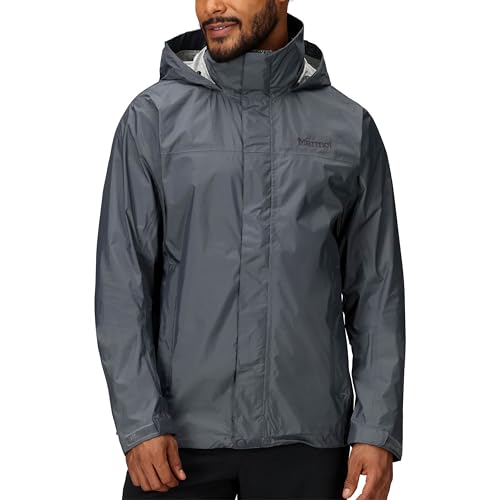
Marmot NanoPro waterproof and breathable fabric membrane keeps you dry

WATERPROOF JACKET: Crafted from a waterproof nylon shell durable enough to withstand anything from drizzle to downpour at a moment's notice
What to Pack for Guatemala’s Weather
- A breathable rain jacket or compact poncho from May through October
- Quick-drying clothing and a waterproof cover or dry bag
- A warm layer for highland mornings, evenings, and overnight volcano hikes
- Sun protection, including a hat and sunscreen, in every season
- Sturdy footwear with good grip for cobblestones, trails, and mud
- Refillable water bottle and basic insect protection for warm lowland areas
For long bus rides and rural day trips, a compact charger can also be useful. This guide to the best power bank for international travel explains what to look for.
Choosing the Best Time to Visit Guatemala
For the most dependable mix of dry weather, clearer views, and easier transport, plan your trip between late November and March. April can still be a good choice, but it is hotter and may include Semana Santa crowds or the first transition toward rain.
Choose May through August when you prefer lush landscapes, lighter visitor numbers, and a slower pace. September and October require the most flexibility because heavy rain and transport disruption are more likely. November is often an appealing compromise as the country moves toward drier weather and major Day of the Dead traditions take place.
No single month is best for every region. Match your dates to your main activities, then check current forecasts, official advisories, and local road conditions shortly before each transfer.
Frequently Asked Questions
What is the best time to travel to Guatemala?
November through April is the dry season and is generally the easiest time for sightseeing, hiking, and moving between regions. Late November through March offers a strong balance of clearer weather and comfortable highland conditions.
What is the weather like during Guatemala’s dry season?
The dry season usually brings less rain and clearer skies, but conditions vary by elevation. Highland cities can have mild days and cool nights, while Petén and the coastal lowlands remain hotter and more humid.
Is Guatemala worth visiting during the rainy season?
Yes, especially for green scenery and fewer visitors. Plan outdoor activities early, carry rain protection, leave extra travel time, and accept that heavy rain may change hikes, boat trips, or road transfers.
Does it rain all day in Guatemala from May to October?
Not every day and not in every region. Many rainy-season days have dry periods, but prolonged or intense rain is possible. June and September to October often have heavier rainfall, and tropical systems can disrupt the usual pattern.
When is Semana Santa in Guatemala?
Semana Santa is the week before Easter, so it falls in March or April and changes dates each year. Antigua is the most famous visitor center, and lodging and transport should be booked well in advance.
What are the best months for hiking volcanoes in Guatemala?
December through March generally offers drier trails and better visibility. Conditions can still be cold, windy, cloudy, or hazardous, so use a reputable guide and check weather and volcanic alerts before departure.
Which attractions are best during the dry season?
The dry season suits Tikal, Antigua, Lake Atitlán, Chichicastenango, and volcano hikes because roads and trails are usually easier to use. Early starts remain helpful for avoiding heat, clouds, and afternoon crowds.
What should I consider before booking a peak-season trip?
Christmas, New Year, and Semana Santa can increase demand for rooms, guides, and transport. Reserve key services early, confirm cancellation terms, and allow for festival-related street closures.
Sources
- INSIVUMEH: Start of Guatemala’s Rainy Season — official dry-season, rainy-season, rainfall-peak, and canícula guidance.
- UNESCO: Holy Week in Guatemala — cultural practices and 2022 heritage inscription.
- UNESCO: Giant Kites of Santiago Sacatepéquez and Sumpango — Day of the Saints and Dead tradition and 2024 inscription.
- Municipality of Guatemala: Feria de Jocotenango — official location and connection to the Virgin of the Assumption.
- UK Government: Guatemala Safety and Security — rainy-season flooding, landslide, road, and hurricane risks.
- U.S. Department of State: Guatemala Travel Advisory — current destination-specific safety guidance.
