

Last Updated on July 28, 2026 by Daniel Globe
The best time to travel to Greece depends on what you want from the trip. July and August deliver the hottest beach weather, busiest islands, strongest nightlife, and widest choice of seasonal tourism services. For a better balance of comfortable weather and manageable crowds, however, spring and early fall are usually easier times to explore Athens, the islands, archaeological sites, and hiking areas.
Quick Answer
For most travelers, the best time to visit Greece is mid-April through May or September through mid-October. These shoulder periods usually offer milder sightseeing weather and fewer peak-season crowds. Choose June through September for the most reliable beach trip, while July and August are best mainly for travelers who want maximum summer energy and nightlife.
Key Takeaways
- Best overall balance: late April through May and September through mid-October.
- Best for beaches and nightlife: June through September, with July and August the busiest and hottest months.
- Best for sightseeing and hiking: spring and early fall, when midday heat is usually less intense.
- Best for a quieter cultural trip: late fall and winter, especially in Athens, Thessaloniki, and mainland destinations.
- Island travelers should check transport carefully: ferry and seasonal tourism services become less frequent outside the main tourism season.
Greece’s official tourism authority specifically points island visitors toward spring and early summer from mid-April through May, or autumn from September to mid-October, when avoiding peak crowds and intense summer heat is a priority.
Summer in Greece: Best for Beaches and Nightlife
Summer is Greece’s peak tourism season, especially in July and August. Islands such as Mykonos, Santorini, Paros, Rhodes, and Crete draw large numbers of visitors for beaches, restaurants, boat trips, nightlife, and long evenings outdoors.
For travelers whose main goal is swimming and island life, summer has obvious advantages. Beach clubs and seasonal businesses are operating, ferry and flight choices are generally strongest, and warm weather makes snorkeling, diving, boating, and other water activities easy to build into an itinerary.
The trade-off is heat and demand. Temperatures above 30°C (86°F) are common during summer, and heatwaves can be substantially hotter. An official Greek Civil Protection alert issued July 22, 2026, for example, forecast temperatures of 41–43°C (106–109°F) in parts of Thessaly and above 40°C in several eastern mainland areas.
Warning: During a heatwave, avoid planning long exposed hikes or archaeological visits around the hottest part of the day. Greek Civil Protection recommends shade, fluids, light clothing, and avoiding prolonged walking or strenuous activity in direct sun. Also follow official wildfire instructions and any 112 emergency alerts.
Athens can feel particularly intense during high summer because major attractions involve exposed outdoor walking. Visit popular archaeological sites early in the day when possible, allow more rest time, and carry water.
Summer can also bring the seasonal meltemi, a northerly wind that affects parts of the Aegean. It can provide welcome cooling, but stronger wind can also change beach conditions, sailing plans, and ferry operations.
Prices for popular accommodation and flights are generally under the most pressure during peak-demand dates. For Santorini, Mykonos, and other heavily visited islands, booking early gives you a better selection of rooms and transport times.
Fall: Mild Weather and Fewer Crowds
Fall does not have one single weather pattern. September can still feel like summer in many coastal and island destinations, October is more transitional, and November is noticeably cooler and less reliable for a classic beach vacation.
September is one of the strongest months for travelers who want warm-weather Greece without the full July-August rush. Beaches remain appealing, many seasonal businesses are still operating, and sightseeing is often more comfortable later in the month.
October can be excellent for Athens, Crete, Rhodes, the Peloponnese, and cultural touring. Warm spells are still possible, but rainfall becomes more likely and evenings cool down. Swimming may remain enjoyable in southern destinations, although conditions are less predictable than in summer.
November should be treated as late fall rather than an extension of September. It is better suited to cities, food, museums, archaeological sites, and mainland travel than to a guaranteed beach holiday.
The countryside also changes character during fall as vineyards and olive-growing regions move through harvest periods. Wine-oriented travelers can explore areas such as Nemea and Santorini, but winery experiences and harvest events should be checked directly because timing changes by location and year.
Pro Tip: For an island trip with beach time still high on the list, September is generally safer than late October. For museums, ruins, food, and road trips, October can be the more comfortable choice.
Winter: Experience a Quieter Side of Greece
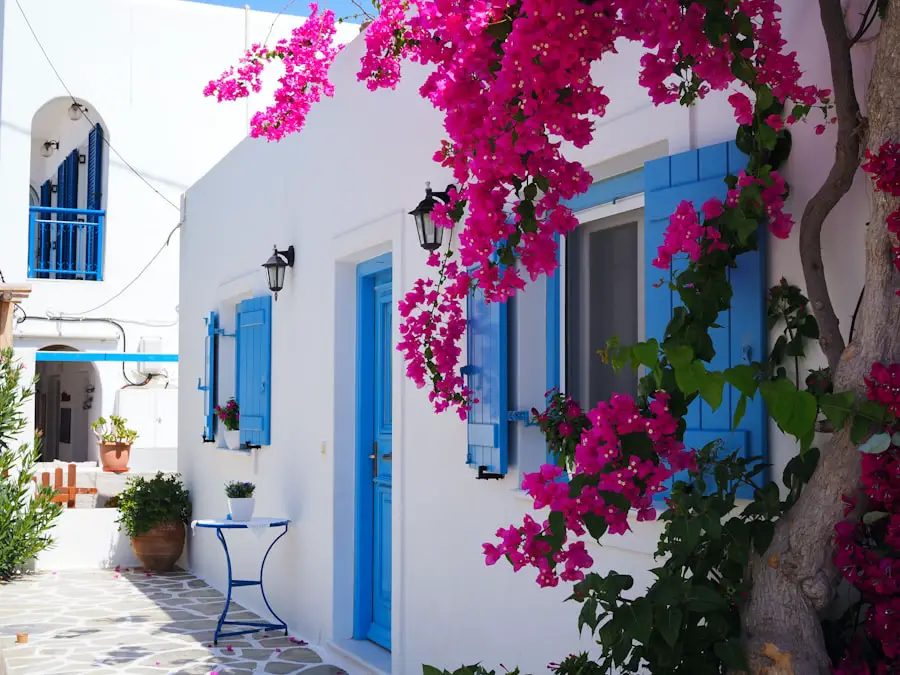
Winter in Greece is often overlooked because the country is closely associated with islands and beaches. Yet December through February can work well for travelers who care more about history, food, city life, or mountain scenery than swimming.
Conditions vary greatly by region. Lowland and coastal destinations generally have milder winters than much of inland Europe, while mountainous regions can receive significant snow. Northern Greece is also typically colder than southern islands.
Athens and Thessaloniki remain active year-round, giving visitors access to museums, restaurants, neighborhoods, and archaeological attractions without peak-summer crowds. Christmas and New Year also bring seasonal celebrations and decorated city centers.
Mountain destinations offer a completely different Greek experience, including winter landscapes and skiing in suitable areas. Hiking may also be possible on lower routes when weather and trail conditions allow.
Note: Winter is much less convenient for multi-island hopping. Greece’s official tourism guidance says the ferry network runs year-round, but services are most frequent from roughly March through October and are limited to some islands during winter. Check your exact route before committing to hotels.
Spring: Flowers, Green Landscapes, and Comfortable Sightseeing
| Month | What to Expect | Best For |
|---|---|---|
| March | Cooler and more changeable, especially at night and in northern or mountainous areas | Cities, archaeological sites, early wildflowers, mainland touring |
| April | Generally milder with green landscapes, though rain and cool evenings remain possible | Sightseeing, Easter trips, walking, road trips |
| May | Warmer and increasingly settled as summer approaches | Islands, hiking, sightseeing, early beach trips |
Spring is one of Greece’s most attractive seasons for travelers who want to spend a large part of the day outdoors. Wildflowers and greener landscapes add color to hillsides that become much drier later in summer.
March is still transitional, so travelers should not assume summer-like temperatures. April becomes more appealing for walking and cultural touring, while May often provides one of the best combinations of warmth and moderate visitor numbers.
Greek Orthodox Easter is one of the country’s most important annual celebrations. Holy Week includes church services and processions, followed by midnight celebrations and Easter Sunday meals. Dates change from year to year, so travelers planning specifically around Easter should verify the calendar before booking.
Spring is also excellent for many hiking areas, but seasonal access matters. The Samaria Gorge in Crete is a good example: its opening depends on annual maintenance and safety conditions. In 2026, the full national park opened on May 19. Check the managing authority’s current status rather than assuming the gorge is open throughout spring.
Shoulder Season: The Best Balance for Most Travelers
The shoulder seasons are the strongest all-round choice for many Greece trips. Greece’s official tourism authority specifically recommends mid-April through the end of May and September through mid-October for island visitors who want to avoid the most intense summer heat and peak-season crowds.
Those dates work particularly well for travelers mixing several types of activities. You can spend a morning at an archaeological site, walk through a town in the afternoon, eat outside in the evening, and still include selected beach days without planning every activity around extreme midday heat.
Shoulder-season accommodation can also be easier to find than during the busiest July-August dates. However, price and availability still vary widely by destination, holiday weekend, and event.
There is one important distinction between the two shoulder periods: September is generally better than April for a swimming-focused trip, while late April and May can be particularly attractive for green landscapes, wildflowers, walking, and sightseeing.
Best Time to Visit Greece by Travel Style
| Trip Priority | Best Period | Why |
|---|---|---|
| Beach vacation | June–September | Warm-weather season with the broadest range of beach services |
| Island hopping | May–September | More frequent seasonal transport and more island businesses operating |
| Athens and ancient sites | April–May or late September–October | Less punishing midday heat for outdoor sightseeing |
| Hiking | Spring or early fall | Generally more comfortable temperatures, subject to trail openings and weather |
| Nightlife | July–August | Peak season on nightlife-focused islands and resort areas |
| Quiet city/cultural trip | November–March | Far fewer leisure crowds, especially away from holiday periods |
| Best overall compromise | May or September | Good combination of outdoor conditions, transport, and seasonal services |
How the Best Time Changes by Destination
Athens and Mainland Archaeological Sites
Spring and fall are especially appealing because many major attractions require substantial outdoor walking. July and August can still work, but sightseeing early and scheduling museums or long lunches during the hottest hours makes the day easier.
Cyclades: Santorini, Mykonos, Paros, and Naxos
June through September is the main beach-and-island season. July and August have the strongest summer atmosphere but also the greatest crowd pressure. May and September are good alternatives for travelers who still want island energy without targeting the busiest weeks.
Crete and Rhodes
These southern destinations have long tourism seasons and can work particularly well in late spring and early fall. September is attractive for combining beaches with historic sites, while October can still be enjoyable but becomes less predictable for dedicated beach travelers.
Northern Greece and Mountain Areas
These regions can be substantially cooler than the southern islands. Spring arrives differently by elevation, and autumn cooling can come earlier. Winter travelers can find snow in mountainous districts even while coastal southern Greece remains comparatively mild.
Festivals and Events: Choose Dates Carefully
Greece’s cultural calendar can completely change the feel of a trip, so travelers interested in festivals should check exact annual dates before booking.
Greek Orthodox Easter is a major spring celebration, with candlelit processions, midnight services, local customs, communal meals, red eggs, lamb, and traditional tsoureki. Celebrations differ by region, with especially distinctive traditions in places such as Corfu and Patmos.
Summer brings major performing-arts and music events. The Athens Epidaurus cultural calendar is an important example; in 2026, performances at the Ancient Theatre of Epidaurus run during the summer season. The official festival schedule is the best place to confirm performances and dates.
Fall brings wine and harvest activity in agricultural regions, although travelers should verify individual winery and local-event calendars instead of assuming a specific harvest festival occurs on the same dates each year.
The Thessaloniki International Film Festival falls later than the main September-October shoulder-season window. In 2026, the 67th Thessaloniki International Film Festival is scheduled for November 5–15.
Outdoor Activities: Hiking, Sailing, and Watersports
Greece’s landscape supports outdoor activities throughout much of the year, but the ideal season changes with the activity.
For swimming, snorkeling, diving, and beach-oriented boat trips, summer offers the most dependable warm-weather conditions. June and September are particularly attractive for travelers who want beach time while avoiding some of the pressure of July and August.
Sailing conditions require more nuance. Summer provides abundant tourism infrastructure, but the Aegean’s meltemi can become strong. Experienced sailors may welcome predictable wind patterns, while casual boat-trip passengers should keep some flexibility in case wind affects routes or departures.
For land-based hiking, spring and fall are generally more comfortable than peak summer. Mount Olympus, Vikos Gorge, Crete, and other mountain or gorge routes all have their own weather and seasonal access considerations, so check trail conditions before departure.
Products Worth Considering

Roller bearings treated with AFLON for superior performance Ball bearing roller guides protected from saltwater by triple-seal system. Ball bearing triple-seal system...
Heat, Wildfires, Wind, and Travel Disruptions
Seasonal weather affects more than comfort. High temperatures, wildfire danger, storms, and strong winds can temporarily change hiking access, archaeological-site hours, roads, ferries, and outdoor-event plans.
During summer, check forecasts from official Greek sources and follow local instructions. The Ministry for Climate Crisis and Civil Protection publishes heatwave safety guidance, while its wildfire information provides current fire-risk material.
Greece also uses the European emergency number 112. It is free to call for emergencies, and the system can send mass alerts with instructions when dangerous conditions such as natural disasters threaten an area.
Note: A forecast does not need to ruin a Greece itinerary. Build a little flexibility into island connections and outdoor days, especially when ferries, exposed hikes, or long drives are involved.
Considerations for Each Season
Summer: Choose it for maximum beach life, nightlife, seasonal services, and a lively atmosphere. Expect the hottest weather, heavy demand at famous destinations, and potentially intense heatwaves.
Fall: September offers a strong beach-and-sightseeing combination, while October shifts more toward culture, walking, and road trips. By November, many island destinations feel distinctly off-season.
Winter: Best for quieter city breaks, food, history, and selected mountain destinations. It is not the strongest choice for travelers whose main goal is island hopping or beaches.
Spring: Excellent for landscapes, cultural touring, road trips, and walking. May is more dependable for island travel than March, while individual hiking areas may not yet be open early in the season.
Shoulder season: The best compromise for many first-time visitors. Late April-May and September-mid-October make it easier to combine several types of activities in one trip.
Booking and Packing Tips by Season
For a July or August trip, secure popular island accommodation and major inter-island connections earlier than you would for an off-season city break. During shoulder season, keep a light layer and rain protection available even when the forecast looks warm.
Winter visitors should pack for the actual destination rather than for the stereotype of Greece as a year-round beach country. Athens, mountain villages, Thessaloniki, and Crete can have very different conditions on the same date.
For luggage planning, this guide to carry-on luggage for international travel can help you choose a practical bag before your trip. Packing cubes can also make it easier to separate beachwear, walking clothes, and warmer layers when traveling across different Greek regions.
Products Worth Considering

[Pack & Go Convenience] — Designed for convenience, this light rain jacket women is easy to fold and store, making it the perfect travel companion for travel, work, or spontaneous outings. Its compact design fits easily into backpacks or totes, so you're always prepared for unexpected weather. It provides better rain protection than a short rain jacket yet is more flexible than a long raincoat.

MATERIAL: 100% Polyester Waterproof Material With Striped Cotton Lined, Breathable, Soft Touch, Windproof, Easy To Package.
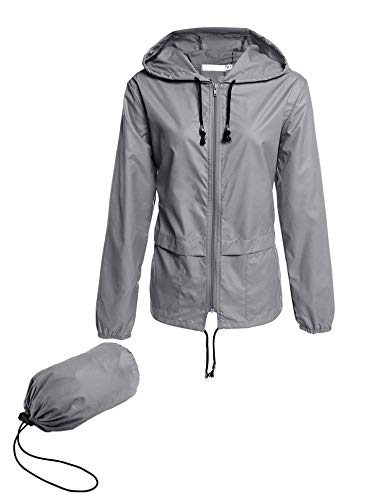
WATER-RESISTANT & LIGHTWEIGHT – Crafted from water-resistant fabric, this women's rain jacket helps keep you comfortable during light rain and windy days. Lightweight, breathable, and soft against the skin, it offers all-day comfort.
Frequently Asked Questions
What is the best time to travel to Greece?
For most travelers, the best overall periods are late April through May and September through mid-October. These dates balance sightseeing weather, seasonal services, and lower crowd pressure better than peak July and August.
What is the weather like during the best months for Greece?
Conditions vary greatly by region. Late spring becomes progressively warmer, while September often retains summer warmth before temperatures cool through October. Mountainous and northern areas are generally cooler than lowland southern and island destinations.
What is the best time to visit the Greek islands?
May through September works best for most island trips. Choose June through September if swimming is a priority. May and September are especially appealing for travelers who want good seasonal services without deliberately choosing the busiest July-August period.
When is Greece best for swimming?
Summer through early fall is the safest choice for a swimming-focused vacation. June, July, August, and September provide a more dependable beach experience than early spring, while southern islands may remain suitable later depending on the year’s weather.
Which festivals should I consider when planning a Greece trip?
Greek Orthodox Easter is a major spring celebration, while performing-arts festivals are prominent in summer. The Thessaloniki International Film Festival takes place later in the year; in 2026 it runs November 5–15. Always check official annual calendars before booking.
Is it more expensive to visit Greece in summer?
Popular destinations generally face stronger demand during July and August, which can mean higher accommodation and transport prices. Exact prices vary by island, city, property, event, and booking date, so there is no single nationwide peak-season premium.
Can I island-hop in Greece during winter?
Yes, but it requires more planning. Ferries operate year-round, although frequencies are lower on some island routes during winter and many seasonal tourism businesses close. Verify every transport leg before booking accommodation.
Sources
- Greek National Tourism Organisation — Climate — Greece’s climate variation, summer heat, winter conditions, and meltemi winds.
- Greek National Tourism Organisation — Travel FAQ — official guidance on shoulder-season island travel.
- Greek National Tourism Organisation — Transportation — ferry and transport seasonality.
- Greek Ministry for Climate Crisis and Civil Protection — Heatwave Guidance — official extreme-heat safety advice.
- Greek Civil Protection — 112 Emergency Service — emergency calls and public safety alerts.
- NECCA — Samaria National Park 2026 Opening — seasonal trail access and safety restrictions.
