
Last Updated on July 31, 2026 by Daniel Globe
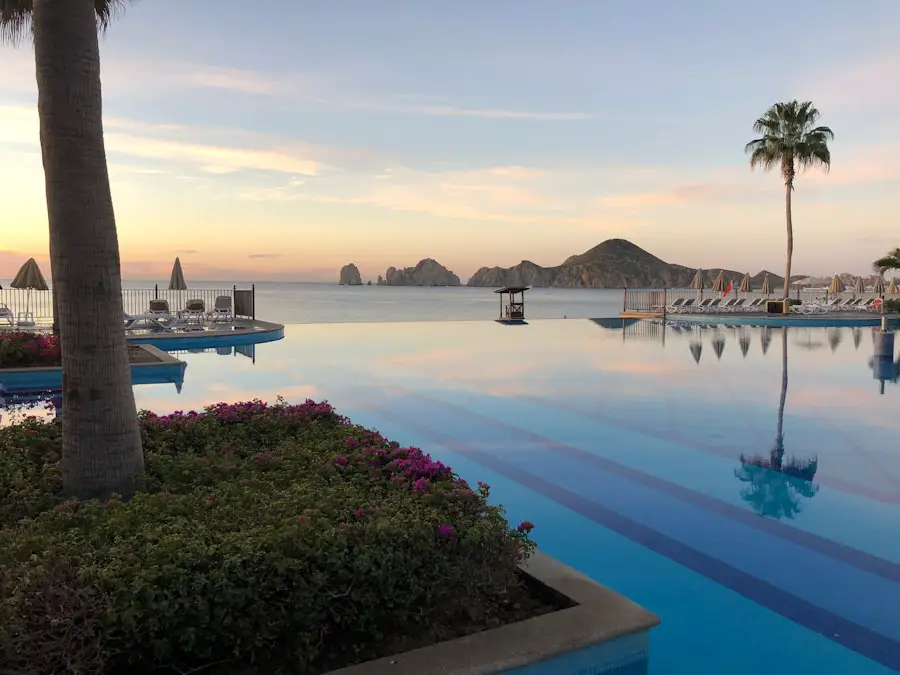
Cabo San Lucas sits at the southern tip of Mexico’s Baja California Peninsula, where desert landscapes meet the Pacific Ocean and the Sea of Cortez. Its beaches, marina, resorts, nightlife, golf courses, sport fishing, and famous Arch make it a year-round destination, but the experience changes sharply with the season.
The best time for your trip depends on what matters most: mild weather, whale watching, lower hotel rates, warm water, fishing, surfing, or fewer crowds. The guide below compares Cabo’s seasons, key events, weather trade-offs, and storm risks so you can choose the right travel window.
Quick Answer
For most travelers, the best time to visit Cabo San Lucas is from December through April, when days are warm, rain is limited, and whale-watching season is underway. For a better balance of pleasant weather, lighter crowds, and lower prices, consider May or November.
Key Takeaways
- Best overall weather: December through April, with mild days and little rain.
- Best for whale watching: December through April, with the strongest viewing opportunities commonly occurring from January through March.
- Best balance of value and comfort: May and November.
- Best for warm water, diving, surfing, and summer fishing: June through October, with hotter and more humid conditions.
- Highest weather risk: Late summer and early fall, within the eastern Pacific hurricane season of May 15 through November 30.
Best Time to Visit Cabo at a Glance
Cabo Travel Calendar
| Best Overall Months | December through April |
| Best Value Months | May and November; September can be cheaper but has greater heat and storm risk |
| Whale Watching | December through April |
| Warmest Water and Diving | Late summer through fall |
| Sport Fishing and Tournaments | Summer through fall; major Cabo tournaments cluster in October and November |
| Hurricane Season | May 15 through November 30, with the greatest practical concern in late summer and early fall |
Winter: Peak Season and the Best Weather
Winter is Cabo’s busiest season because it offers the most dependable combination of sunshine, comfortable daytime temperatures, and low rainfall. From December through February, daytime conditions commonly hover around the mid-70s Fahrenheit, although evenings can feel cool near the water.
This is an excellent period for beach days, golf, desert excursions, boat trips, outdoor dining, and sightseeing. Winter is also part of the official Los Cabos whale-watching season, which runs from December through April.
Note: January through March generally offers the strongest whale-watching odds, but sightings are never guaranteed. Reserve popular tours early during holiday weeks and spring break.
The trade-off is cost. Hotels, flights, tours, and popular restaurants can be more expensive around Christmas, New Year’s, Presidents’ Day, and spring break. Cabo’s nightlife is also livelier during these periods, which may appeal to some travelers but not to those seeking a quiet resort stay.
Spring: Warm Weather With Important Crowd Differences
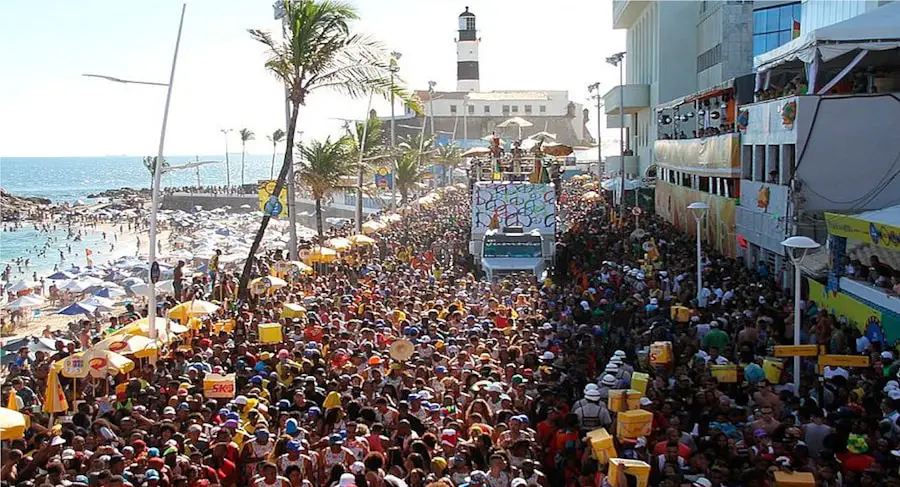
March through May brings warmer days, longer daylight, and generally dry conditions. Temperatures often move from the upper 70s into the 80s as the season progresses. April can still offer whale sightings, while May begins the transition toward hotter summer weather.
Spring is not uniformly quiet. March and early April may be busy because of spring break and Easter travel. Late April and May usually provide a calmer atmosphere, especially after major school-holiday periods end.
These months are well suited to sunset cruises, golf, horseback riding, beach time, and visits to San José del Cabo, Todos Santos, or the Sierra de la Laguna region. May can be one of the best value months for travelers who want warm weather without the humidity and storm concern associated with late summer.
Pro Tip: For a quieter spring trip, target late April or May rather than peak spring-break weeks. Compare resort rates with refundable terms before booking.
Summer: Hot, Humid, and Better for Water Activities
Summer in Cabo runs from June through August and brings the hottest weather of the year. Afternoon temperatures can approach or exceed 90°F (32°C), and humidity rises as the season progresses. Plan strenuous activities for the morning, take shade breaks, and drink water regularly.
The warmer sea can be appealing for swimming, snorkeling, diving, surfing, and fishing. Summer is also a productive period for marine life and marks the start of several sport-fishing events. However, whale watching is not a summer highlight; the main whale season is December through April.
Summer can offer lower room rates than winter, especially outside holiday periods. It can also bring occasional thunderstorms, rougher weather, and temporary tour disruptions. Travelers who are comfortable with heat may find good value, but those sensitive to humidity should consider winter, spring, or November instead.
Fall: Lower Prices, Fishing, and Hurricane Risk
September through November is Cabo’s most varied season. September is typically hot, humid, quieter, and more exposed to tropical weather. October begins to bring major fishing tournaments and gradually improving conditions, while November often delivers a strong balance of warm weather, cultural events, and better outdoor comfort.
The official eastern Pacific hurricane season runs from May 15 through November 30. A named storm does not affect Cabo every year, but tropical systems can still cause heavy rain, high surf, flight changes, road flooding, or resort closures.
Warning: For trips from August through October, choose refundable airfare and lodging when possible, review travel-insurance exclusions carefully, and follow official storm forecasts rather than social-media rumors.
The eastern Pacific hurricane season officially lasts from May 15 through November 30, so “hurricane season” is broader than fall alone.
Fall is also one of Cabo’s strongest fishing periods. Black and blue marlin are associated with the warmer-water months, and major tournaments take place in October. This corrects the common misconception that Bisbee’s Black & Blue is a summer event.
Best Time to Visit Cabo by Travel Goal
Products Worth Considering

LEAK-PROOF SEAL IN 2 SIZES – L/XL fits most adult faces, S/M fits teens and narrow faces. The soft food-grade silicone skirt follows your face curve with no gaps, so no salty water leaking in, no painful red marks, and no stopping to re-adjust mid-swim. Quick-release buckles let you tighten the strap even with wet hands. Fit test before every dive: hold the mask to your face without the strap and inhale gently – if it sticks, the seal is watertight. Check the size guide to pick the right fit.

AFTER SALES SERVICE:As long as you are our customers,since the day you buy snorkel set. We will provide 24-hour uninterrupted service. We sincerelly believe we will bring the customers the most satisfied buying experience.
For the Best Weather
Choose December through April. These months offer the most comfortable daytime conditions and the lowest practical rain risk, but they also bring the highest demand.
For Whale Watching
Visit from December through April. January, February, and March are usually the strongest months for organized whale tours.
For Lower Prices and Fewer Crowds
Consider May, September, or November. May and November offer the best compromise for many travelers. September may deliver the deepest discounts, but it is hotter and carries more storm uncertainty.
For Snorkeling and Diving
Late summer through fall often brings warmer water and strong underwater visibility. Conditions vary by site and day, so confirm local marine forecasts before booking.
For Surfing
Late spring through summer is a strong window for Sea of Cortez surf breaks, while Pacific-side breaks can behave differently. Beginners should book instruction at a beach suited to their skill level.
For Sport Fishing
Fishing is available year-round, but summer through fall is especially popular for marlin, tuna, mahi-mahi, and tournament travel. October is the signature tournament month in Cabo San Lucas.
Shoulder Seasons: The Best of Both Worlds
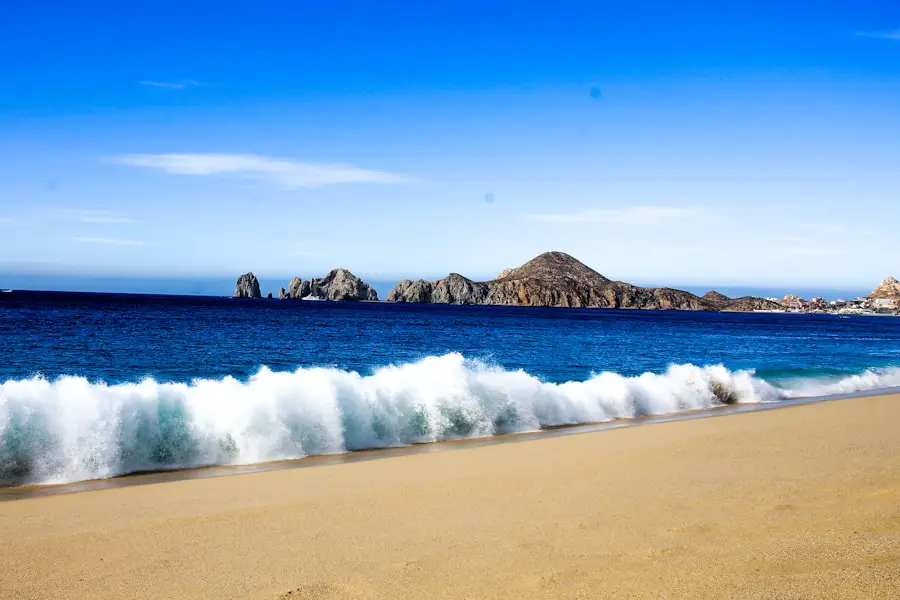
Cabo’s most useful shoulder windows are late April through May and much of November. These periods sit between the busiest winter months and the hottest or stormiest part of the year.
In spring, travelers can explore beaches, desert landscapes, galleries, golf courses, and nearby towns before summer humidity peaks. In November, temperatures are usually easing, fishing and cultural calendars remain active, and the San José del Cabo Art Walk season begins.
Fall should not be treated as one uniform shoulder season. September has more heat and tropical-weather risk than November. Travelers should compare individual months rather than assuming all of September through November offers the same conditions.
Special Events and Festivals
Cabo and the wider Los Cabos region host sporting, food, art, and cultural events throughout the year. Dates change, so check the official Los Cabos events calendar before booking around a specific festival.
- San José del Cabo Art Walk: Usually held on Thursday evenings from November through June in the historic gallery district.
- Día de los Muertos: Celebrated on November 1 and 2 with altars, art, food, music, and community events.
- Bisbee’s Black & Blue: A major marlin tournament held in October, not during summer.
- Los Cabos International Film and Creativity Festival: The official 2026 festival is scheduled for December 9–13, so the original claim that it is always held in November is no longer reliable.
- Summer sports: The Mifel Tennis Open typically takes place in late July or early August.
Event dates can move from year to year. Book only after confirming the organizer’s current schedule, especially when an event is the main reason for the trip.
How to Plan a Cabo Trip During Hurricane Season
A hurricane-season trip can still be enjoyable, but flexibility matters. Before booking, compare cancellation deadlines, airline change policies, and insurance coverage for named storms. Some policies will not cover a storm after it has already been named.
- Use refundable or changeable reservations when the price difference is reasonable.
- Monitor the National Hurricane Center and local civil-protection announcements.
- Keep copies of travel documents and key phone numbers available offline.
- Do not drive through flooded roads or enter the ocean during red-flag conditions.
- Allow extra time for airport transfers if heavy rain is forecast.
Beach and Water Safety in Cabo
Not every Cabo beach is safe for swimming. Pacific-facing beaches can have strong shore break, currents, or steep drop-offs even when the weather looks calm. Follow the posted flag system and local lifeguard instructions.
The official Los Cabos swimming-safety guide identifies green flags as safer conditions, yellow as caution, and red or black as unsafe. Médano, Chileno Bay, Santa Maria, and Palmilla are commonly chosen for swimming, but daily conditions still control whether entering the water is appropriate.
Note: Always judge the ocean by current flags and local guidance, not by how calm it looked on a previous visit.
Practical Packing and Connectivity Tips
Pack lightweight, breathable clothing, high-SPF sun protection, a hat, comfortable walking shoes, swimwear, and a light layer for winter evenings or air-conditioned restaurants. During the warmer months, add extra hydration supplies and quick-drying clothing.
Travelers who need reliable access away from hotel Wi-Fi can review options for a portable Wi-Fi hotspot for international travel. A scarf or travel accessory with a hidden pocket may also help keep small valuables organized, although passports and large amounts of cash are safer in a hotel safe when available.
Choosing the Best Time for Your Trip
Choose December through April for the most reliable weather and whale watching. Choose May or November for a better balance of comfort, value, and lighter crowds. Choose summer or early fall for warm water, surfing, diving, and fishing only if you are comfortable with heat, humidity, and greater weather uncertainty.
No single month is best for every traveler. Match the season to your budget, heat tolerance, preferred activities, and willingness to accept storm risk. That approach will produce a better Cabo trip than relying on a one-size-fits-all recommendation.
Products Worth Considering
【HIGH-POWERED LARGE EYEPIECE BINOCULARS】 This binoculars for adults has 12x magnification, 25mm objective lens and wide field of view, 273ft/1000yds, letting you look farther and see wider. Coating with FMC Broadband coating and premium BAK4 prism, it ensure imaging verisimilar.
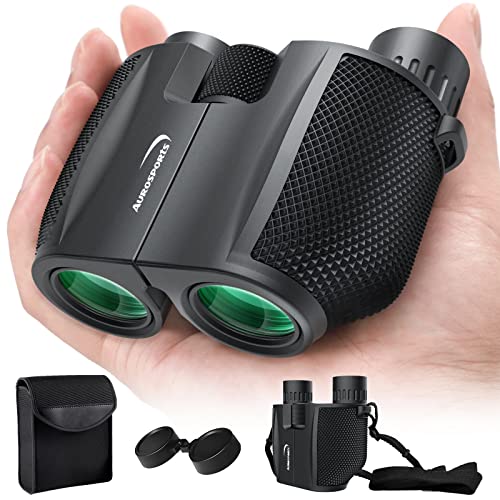
[STABLE 10X MAGNIFICATION] Strike the perfect balance between zooming in and keeping the image steady. These 10x25 binoculars deliver powerful 10-fold magnification while maintaining a blur-free, broad field of view for rapid target acquisition. You can effortlessly track fast-moving birds in your backyard or catch every performer's expression from the back row of a theater.

UPGRADED HIGH-POWER BINOCULARS - These premium binoculars feature a high-magnification 20x zoom eyepiece and offer a 168-yard field of view at 1000 yards. This allows you to observe and focus on intricate details of distant targets up to 1000 yards away, delivering exceptionally broad and clear long-distance vision. Ideal for adults engaged in bird watching, hunting, camping, climbing, hiking, safari, travel, opera, concerts, sports events, and stargazing. They are essential gear for camping, hunting, travel, and cruises.
Frequently Asked Questions
What is the best time to travel to Cabo?
For most travelers, December through April is the best time because the weather is mild and dry and whale-watching season is active. May and November are strong alternatives for better value and fewer crowds.
What is Cabo weather like during the best travel months?
Winter and early spring usually bring sunny days in the 70s to low 80s Fahrenheit, low rainfall, and cooler evenings. Exact conditions vary, so check the forecast before packing.
When is whale-watching season in Cabo?
Whale-watching season generally runs from December through April. January through March commonly offers the strongest viewing opportunities.
When is hurricane season in Cabo San Lucas?
The eastern Pacific hurricane season officially runs from May 15 through November 30. Cabo’s greatest practical storm concern is usually in late summer and early fall.
What is the cheapest month to visit Cabo?
September often has some of the lowest rates because it is hot, humid, and within the highest-risk part of storm season. May and November may offer better value with fewer weather trade-offs.
Is Cabo crowded during winter?
Yes. Winter is peak season, especially around Christmas, New Year’s, Presidents’ Day, and spring-break periods. Reserve flights, popular resorts, and whale tours early.
Which activities are best during peak season?
Winter and early spring are ideal for whale watching, golf, desert tours, boat trips, outdoor dining, and beach days. Water conditions and beach flags should still be checked daily.
Sources
- Los Cabos Tourism Board: Weather — seasonal temperature patterns and activity guidance.
- Los Cabos Tourism Board: Whale Watching — December-through-April whale season.
- NOAA National Hurricane Center: Tropical Cyclone Climatology — official eastern Pacific hurricane-season dates.
- Los Cabos Tourism Board: Swimming and Safety — beach-flag meanings and swimming guidance.
- Los Cabos Tourism Board: Events Calendar — current cultural, sporting, and seasonal events.
- Festival Internacional de Cine y Creatividad Los Cabos — official 2026 festival dates.
