
Last Updated on September 11, 2026 by Logan Reeves
This article contains affiliate links. We may earn a commission from qualifying Amazon purchases, at no extra cost to you.
You hunt for more than trophies; you hunt for knowledge, perspective, and a deeper connection to the land. The right hunting book will sharpen your technique, refine your ethics, and give you practical tips and memorable stories you can draw on in the field.
Whether you want historical context, bowhunting tactics, or hard-earned backcountry wisdom, this list of the best hunting books helps you find titles that match your goals and your time in the stand.
Top Picks
|
Category |
Product |
Score |
|---|---|---|
|
🌲 Best Wilderness Classic |
92/100 |
|
|
🎯 Best Predator Accounts |
92/100 |
|
|
🚀 Best Bowhunting Adventure |
100/100 |
|
|
⭐ Best Contemporary Memoir |
96/100 |
|
|
🔰 Best Bowhunting Pioneer |
98/100 |
|
|
💼 Best Practical Guide |
96/100 |
|
|
🎨 Best Safari Classic |
92/100 |
|
|
🔥 Most Adventurous African |
94/100 |
|
|
🥾 Best Alaska Frontier |
96/100 |
|
|
🥇 Best Bowhunting Biography |
92/100 |
How We Selected the Books
You need books that teach and inspire, so we prioritized first‑hand experience, technical usefulness, and lasting relevance to deer hunters and bowhunters. We favored authors who write from field experience, who balance practical advice with ethical reflection, and who offer vivid storytelling that helps you learn situational judgment and reading country.
Production quality and accessibility were considered so you can actually put useful pages in your pack or on your shelf without sacrificing readability. Ratings and review counts referenced below reflect figures available at the time of publication and may change on Amazon over time.
Wilderness Hunter
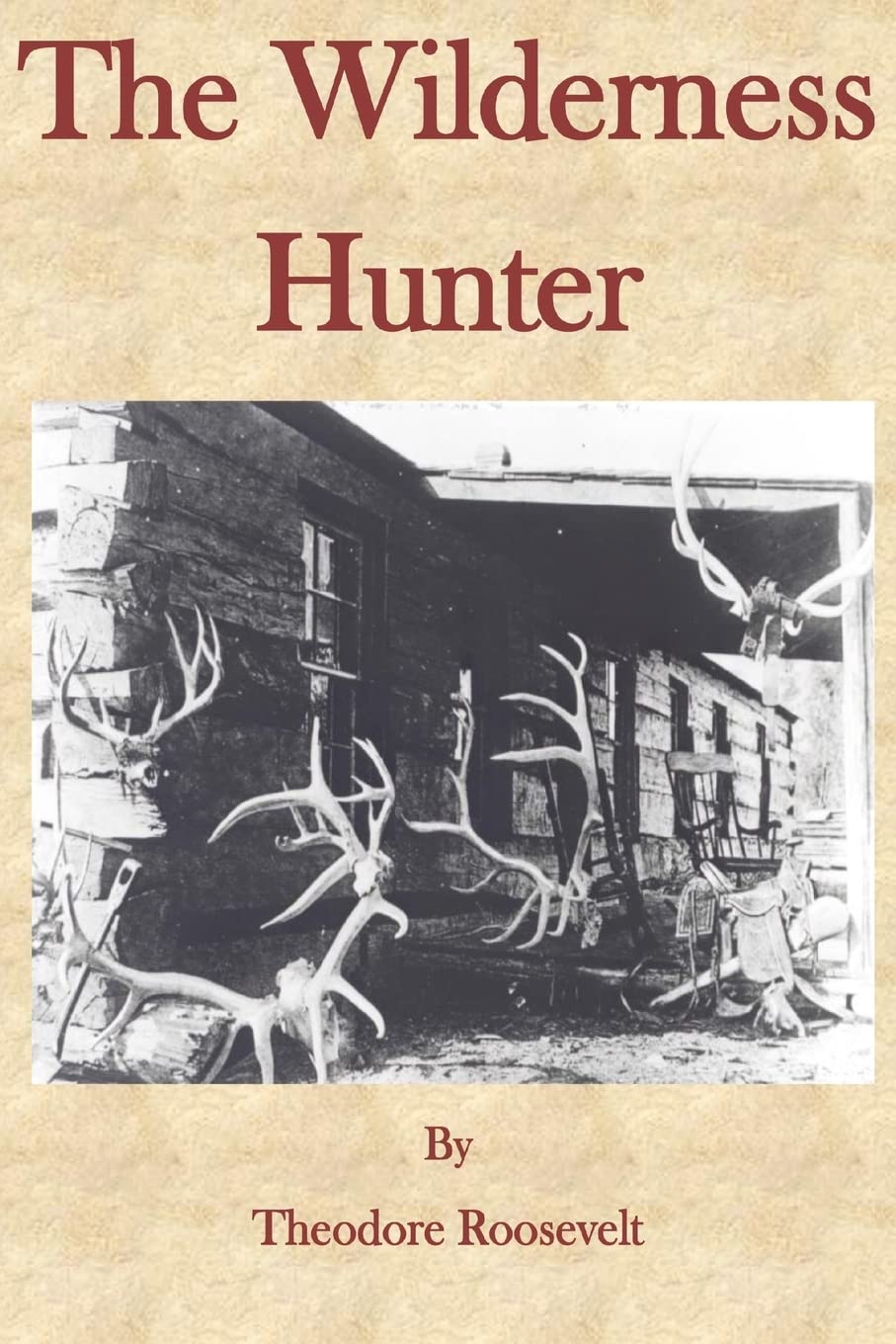
When you open this reprint of Theodore Roosevelt’s hunting journal you get more than adventure stories; you get a front‑row seat to early American fieldcraft and conservation thinking. The writing reads like a seasoned outdoorsman telling stories around a campfire, so it’s easy to follow whether you read a chapter at home or tuck it into your pack for quiet camp evenings.
The book works as a historical reference, a source of hunting philosophy, and a reminder of how observation and respect for country shape good hunting. If you want a title that connects hunting technique with wider ethical and natural history, this is an accessible pick you can return to between seasons.
Best for: Hunters who want historical perspective and a philosophy-driven read rather than a modern how-to.
What People Say
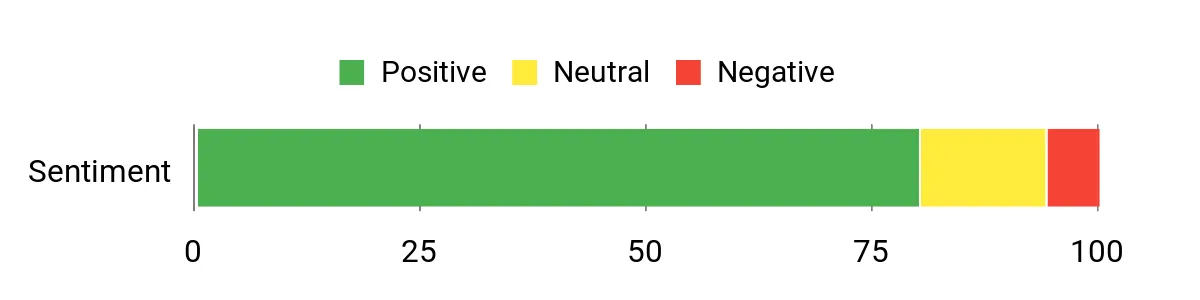
Readers commonly praise the book for its vivid storytelling and authentic voice, noting you can almost hear Roosevelt speaking as you read. Many appreciate the historical context and the clear reprint quality, and those who value firsthand hunting narratives highlight the detailed landscape and hunt descriptions as the book’s strongest points.
Overall Sentiment: Positive
Versatility
You can read it as a reflective historical work, use passages to sharpen your understanding of terrain and animal behavior, or gift it to a history-minded hunter. It fits casual reading, study between seasons, and as a conversation starter at hunting gatherings.
Practicality
The book is practical as a mindset and ethics guide rather than a how-to manual. You won’t find modern gear tech, but you will find timeless principles about observation, patience, and respect for the land that transfer to any hunt.
Key Benefits
- Firsthand accounts that teach observational fieldcraft and reading country
- Strong historical and conservation perspective that deepens hunting ethics
- Vivid, narrative-driven prose that makes technical lessons memorable
Rating: 4.6/5 (170+ ratings, at time of publication)
Man-Eaters Kumaon
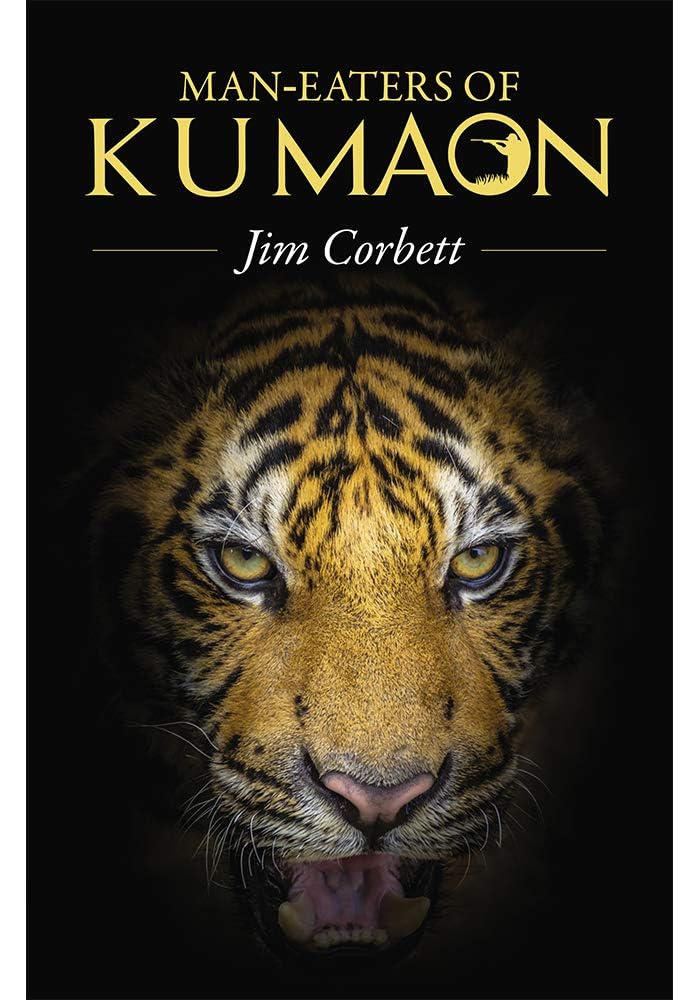
You step into a different world with this collection of hunting and tracking stories set in the Indian subcontinent. Corbett writes with clarity and calm observation, so whether you read it between hunts or on a long trip it holds your attention and sharpens how you think about tracking and patience.
The book works as both a gripping narrative and a study in fieldcraft, useful when you want to compare predator behavior or simply enjoy high‑quality adventure writing. If you appreciate well‑told, true hunting stories that also examine responsibility and landscape, this is an engaging pick.
Best for: Readers drawn to tracking, patience, and true predator-encounter narratives.
What People Say
You’ll find readers regularly praise Corbett’s storytelling and the book’s physical quality, noting the clear type and sturdy binding make it a pleasure to read. Many mention the vivid terrain and the author’s patient tracking approach as the book’s core strengths, while a smaller group flags the graphic nature of predator accounts as not for everyone.
Overall Sentiment: Positive
Versatility
This fits as a travel read, a conversation starter for hunters interested in predator behavior, and a reference for understanding tracking and patience in the field. You can gift it, use it for comparative study, or save passages for pre‑season reflection.
Practicality
The book is more narrative than a how‑to manual, so its practical value lies in improving your observational mindset and tracking patience rather than modern gear tips. If you want tactical step‑by‑step guidance, pair it with a contemporary field guide.
Key Benefits
- Gripping firsthand narratives that teach patience and tracking
- High production quality and readable typography
- Strong sense of place and clear descriptions of terrain and behavior
Rating: 4.6/5 (3,128+ ratings, at time of publication)
Double Helix
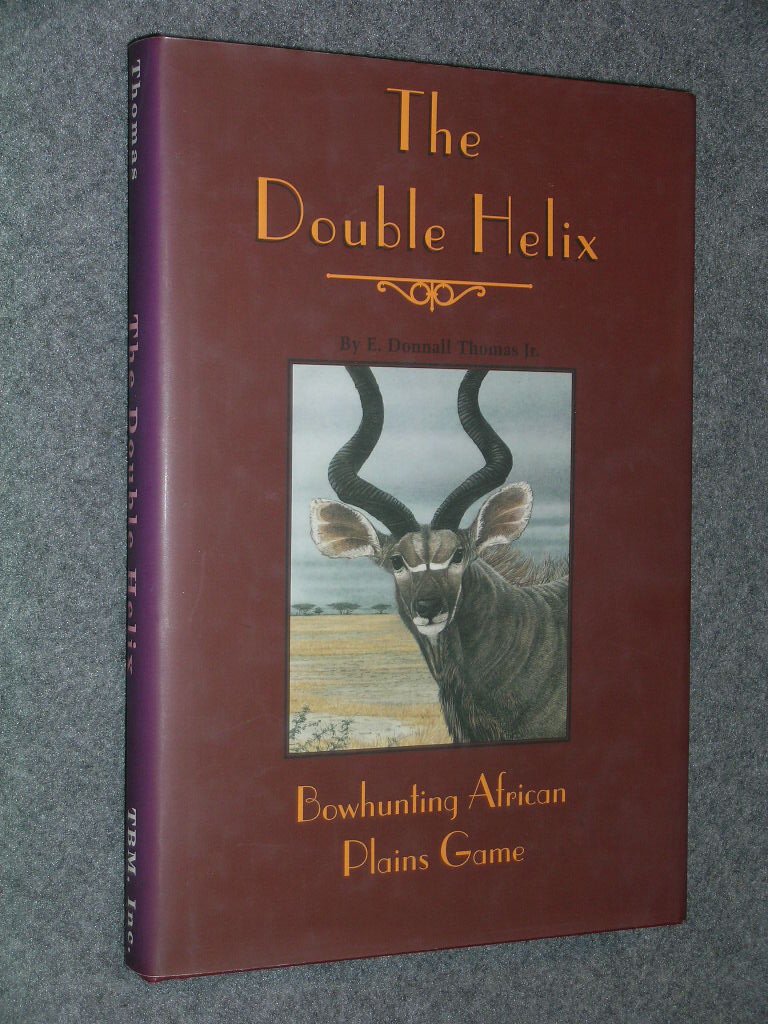
You get a readable, adventure‑driven take on bowhunting in Africa that focuses on experiences more than trophies. The author’s voice is approachable, so you can pick it up between hunts or bring it along on a trip for evenings around camp.
The book works as inspiration if you want to broaden your idea of what bowhunting can be and as a reminder that curiosity and patience matter as much as gear. If you enjoy first‑person hunting tales that also reflect on technique and mindset, this is an easy, rewarding read.
Best for: Bowhunters looking for adventure-driven inspiration over trophy-focused content.
What People Say
Readers tend to praise the clear, engaging writing and the emphasis on the hunt as an experience rather than a score. Many note the book’s ability to transport you to the plains and highlight patience and observation as takeaways. A few mention wishing for more technical detail, but most enjoy the narrative focus.
Overall Sentiment: Positive
Versatility
You can read it as light camp reading, use it to spark conversations with hunting friends, or turn to it when you want perspective on hunting mindset rather than step‑by‑step technique.
Practicality
Practical as a mindset and observational guide; not a modern instructional manual, but useful for improving patience, tracking attitude, and situational thinking.
Key Benefits
- Engaging storytelling that keeps you interested from chapter to chapter
- Focus on adventure and fieldcraft rather than trophy chasing
- Readable format suitable for travel and camp reading
Rating: 5/5 (small sample size at time of publication)
Meat Eater
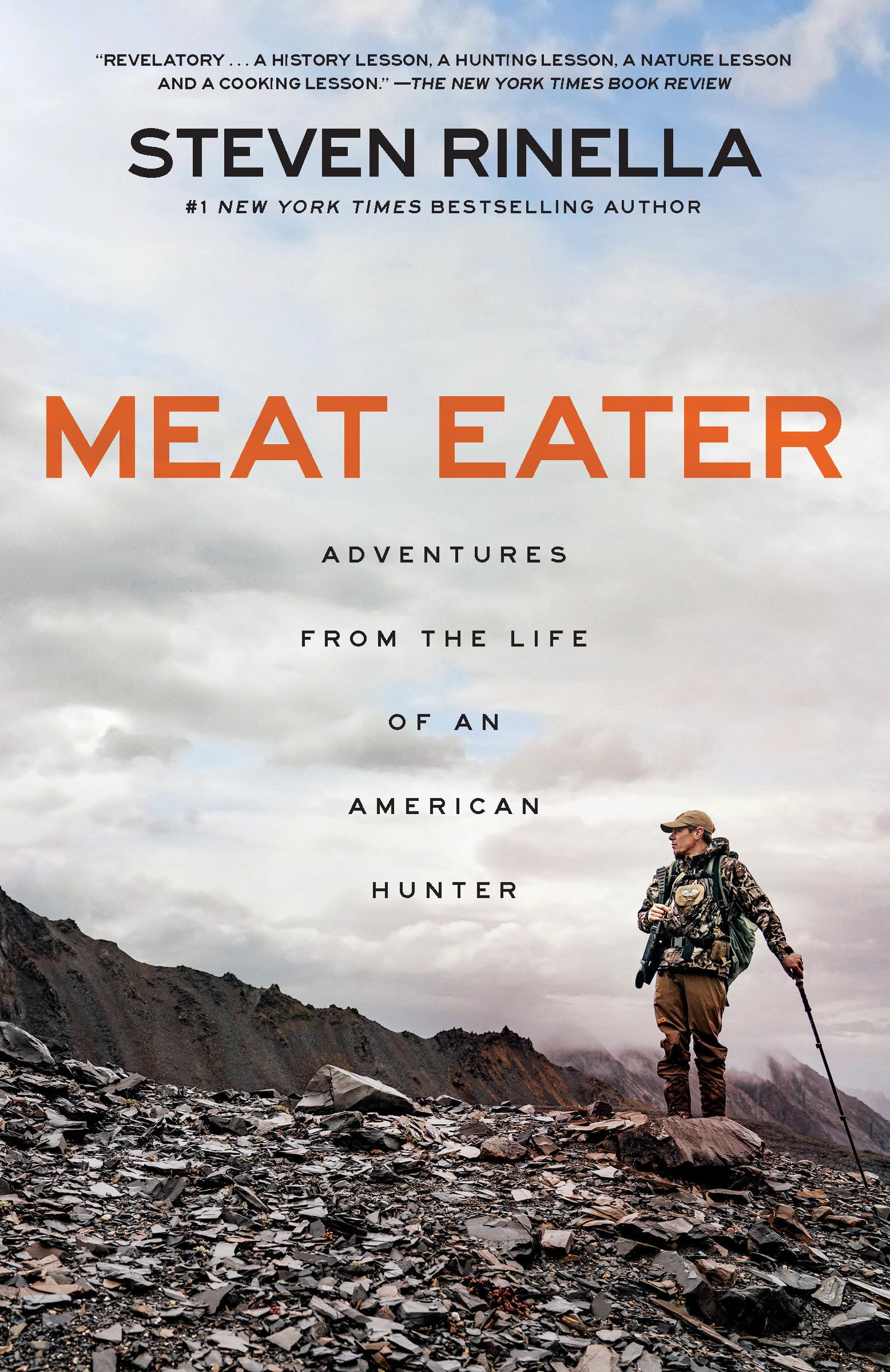
You’ll find a mix of personal narrative, fieldcraft observation, and touchpoints on conservation and cooking that make this more than a hunting memoir. Read it between seasons to reset your hunting priorities, use short chapters as campfire reading, or turn to the culinary sections when you want to think about harvesting with purpose.
The tone is approachable but informed, so it works whether you’re learning to articulate hunting ethics or looking for good stories to share on long drives.
Best for: Hunters who also care about wild-game cooking and modern hunting ethics.
What People Say
You’ll notice readers commonly praise the author’s ability to combine vivid hunting scenes with thoughtful commentary on conservation and eating wild game. Many highlight the book’s readability and the way it sparks conversations about responsibility and technique. A small number wish for more technical how‑to material, but most appreciate the balance of story and substance.
Overall Sentiment: Positive
Versatility
This is great as pre‑season inspiration, campfire reading, or a gift for hunters who also care about food and ethics. Short chapters make it easy to pick up in spare moments or read aloud on a trip.
Practicality
You won’t find exhaustive gear checklists, but you will gain practical perspective on decision making, animal respect, and wild‑game cooking that you can apply in the field and at the table.
Key Benefits
- Strong storytelling that connects technique to ethic and place
- Blends hunting narrative with practical food and conservation insight
- Accessible chapters suitable for travel, camp, or casual reading
Rating: 4.8/5 (3,405+ ratings, at time of publication)
Fred Bear
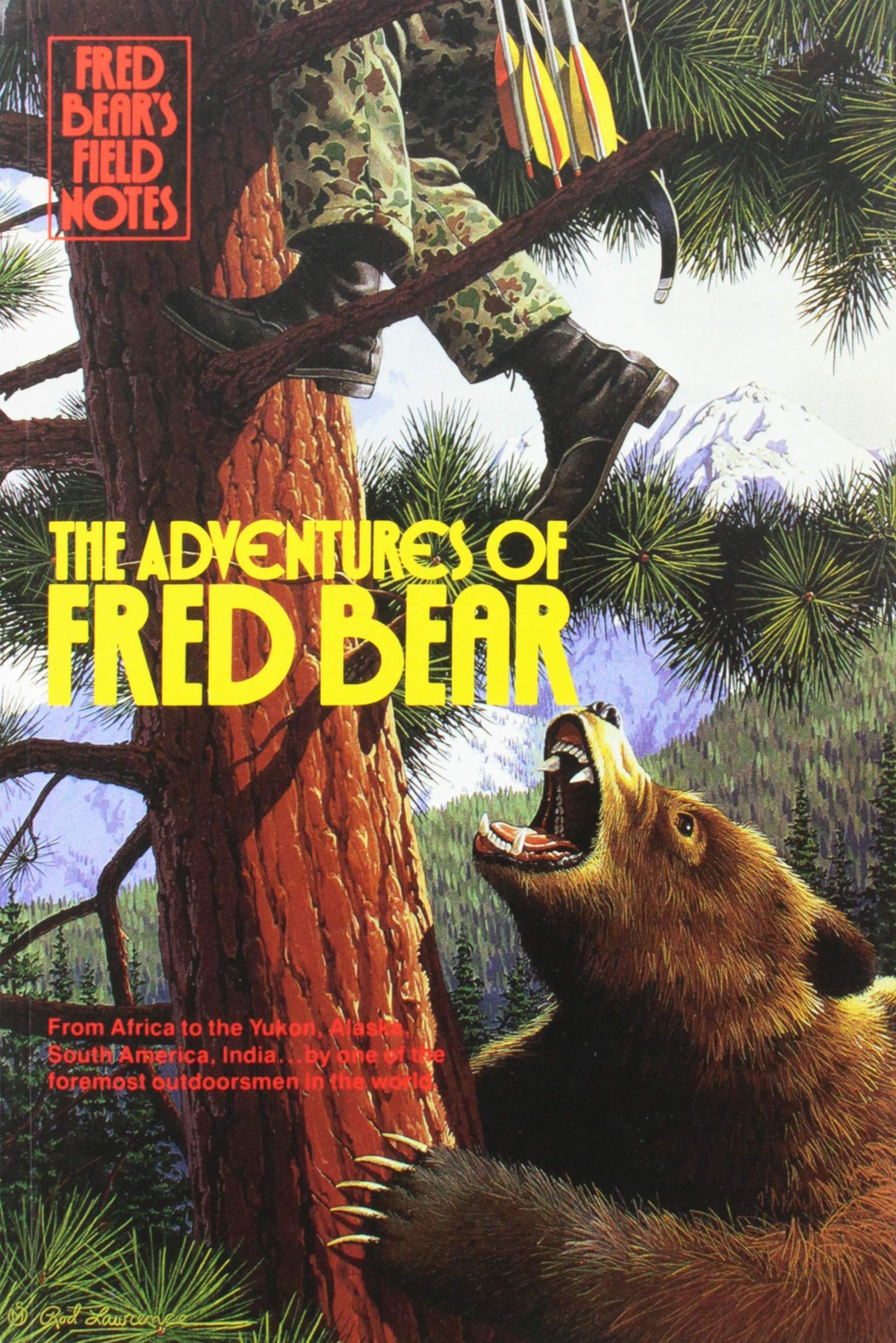
You get a practical, no‑frills look at bowhunting through the eyes of one of the sport’s pioneers. The entries read like journal notes: concise observations, lessons learned on specific trips, and small anecdotes that reveal technique and mindset.
Read it between seasons to pick up situational habits, bring passages to camp for discussion, or keep it on your shelf as a reference for classic bowhunting approaches. If you value historical perspective and actionable field notes more than glossy storytelling, this collection delivers reliably.
Best for: Bowhunters who want journal-style, actionable field notes from a pioneer of the sport.
What People Say
Readers commonly praise the book for its authentic voice and useful, experience‑driven notes you can apply in the field. Many appreciate the archival value and the anecdotal detail that illustrates technique and situational thinking. A subset of buyers notes that reproduction quality varies, so collectors sometimes prefer older editions.
Overall Sentiment: Positive
Versatility
Useful as camp reading, a reference for small‑scale technique tweaks, or a thoughtful gift for someone who studies the roots of bowhunting. Short entries make it easy to read in spare moments or share aloud on a trip.
Practicality
Highly practical for improving mindset, shot discipline, and field observation; less practical if you want modern gear guidance or step‑by‑step tutorials.
Key Benefits
- Direct field notes from a bowhunting pioneer that teach practical habits
- Anecdotal lessons that translate to real‑world decision making
- Good reference for historical techniques and mindset
Rating: 4.9/5 (121+ ratings, at time of publication)
Backcountry Bowhunting
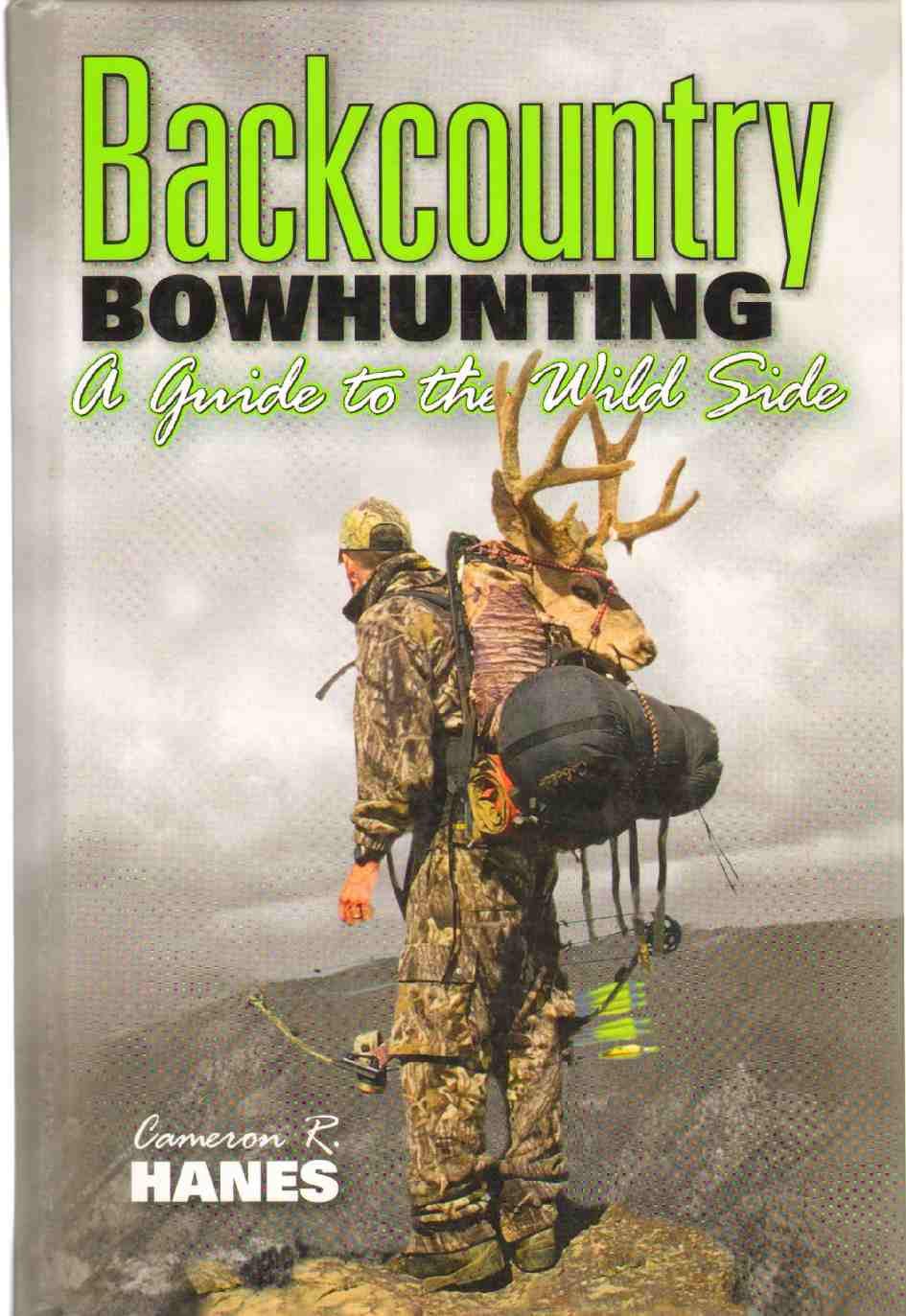
You’ll find a step‑by‑step approach to planning and executing hunts far from roads, with clear attention to route selection, pack strategy, and situational decision making. The book balances practical checklists and real‑world anecdotes, so it works both as a pre‑season study resource and as a reference you consult at basecamp.
Read short sections between trips or use its planning chapters when preparing for extended backcountry pursuits. If you want a guide that helps you think like a backcountry hunter rather than just a gear list, this is a solid choice.
Best for: Hunters planning multi-day, remote backcountry trips who want a real logistics playbook.
What People Say
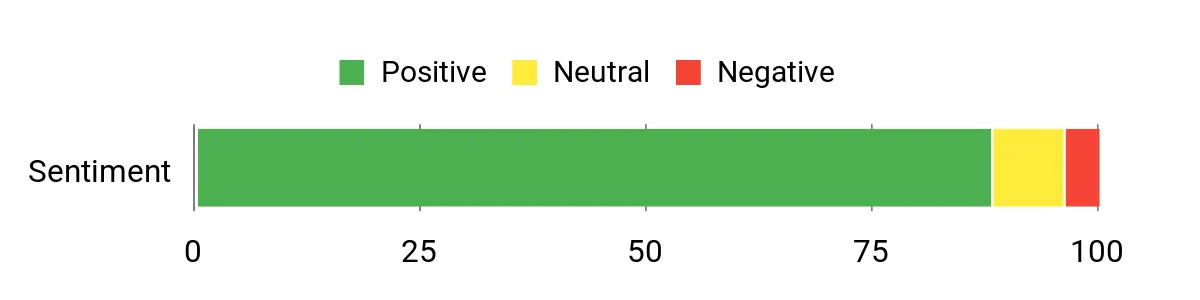
Readers frequently highlight the book’s practical focus and say the planning chapters are especially useful for organizing multi‑day hunts. Many mention the clear, experience‑driven advice on route selection and packing, and several appreciate the way anecdotes illustrate decision points. A few note it’s more tactical than inspirational, which works if you want actionable guidance.
Overall Sentiment: Positive
Versatility
Use it as a pre‑season planner, a reference at basecamp, or a source of short campfire readings. The structure makes it easy to jump to specific topics when you need them.
Practicality
Highly practical for real backcountry use: you get checklists, risk considerations, and situational guidance that translate directly to trip prep and in‑field choices. It’s more about technique and logistics than modern gear reviews.
Key Benefits
- Practical trip planning and pack management focused on remote hunts
- Fieldcraft and decision frameworks you can apply on longer outings
- Readable format that suits both study sessions and camp discussion
Rating: 4.8/5 (29+ ratings, at time of publication)
Karamojo Safari
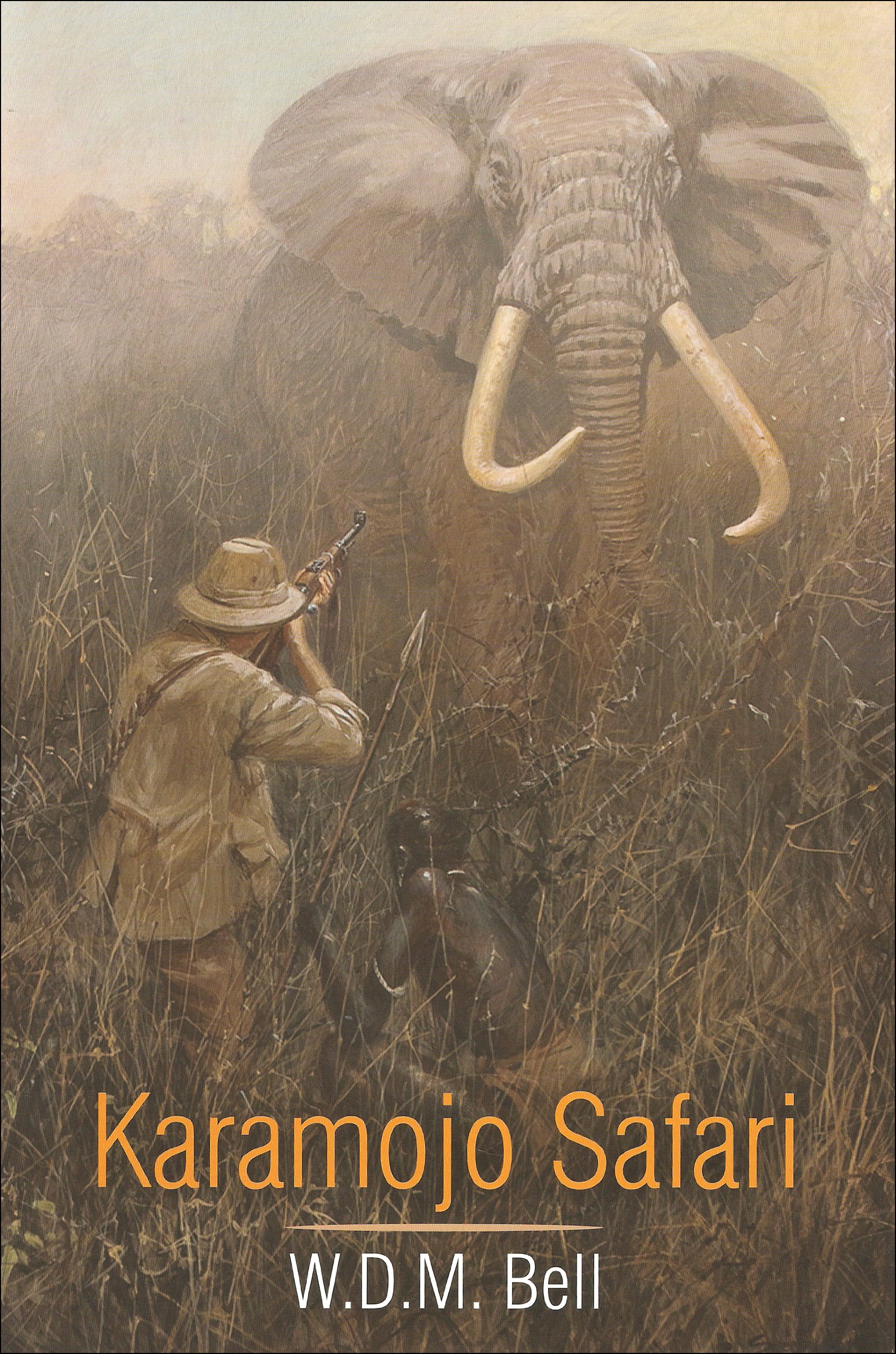
You’ll find a focused safari narrative that puts you on the plains and in the scrub with clear observations about game, terrain, and hunt strategy. The writing balances scene‑setting with practical notes, so it works as both an engaging travel read and a source of comparative fieldcraft.
Read it on long drives, bring chapters to camp, or use it when you want historical perspective on big‑game hunting techniques. If you appreciate regional detail and thoughtful hunting accounts, this book is a solid companion.
Best for: Readers wanting a classic African safari narrative with comparative fieldcraft insight.
What People Say
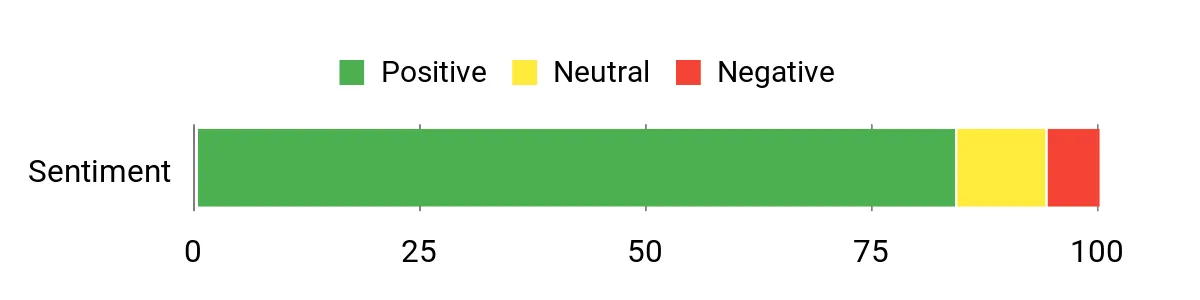
Readers often highlight the vivid descriptions and the author’s ability to convey the feel of the country and the hunt. Many appreciate the practical observations about animal behavior and tactics, while a few note that the book is more narrative than a modern how‑to, which may not suit those seeking technical, contemporary advice.
Overall Sentiment: Positive
Versatility
Use it as camp reading, a conversation starter for international hunting trips, or a reference to compare regional hunting approaches. Short chapters make it easy to read in segments or share with hunting partners.
Practicality
Valuable for improving observational mindset and understanding hunt dynamics in another region; less useful for up‑to‑date gear or regulatory guidance, so pair it with a current field guide if you need modern specifics.
Key Benefits
- Strong sense of place that helps you visualize African terrain and animal behavior
- Practical observations on tracking and hunt planning in a safari context
- Readable narrative suitable for travel, camp, or comparative study
Rating: 4.6/5 (15+ ratings, at time of publication)
Death in the Long Grass
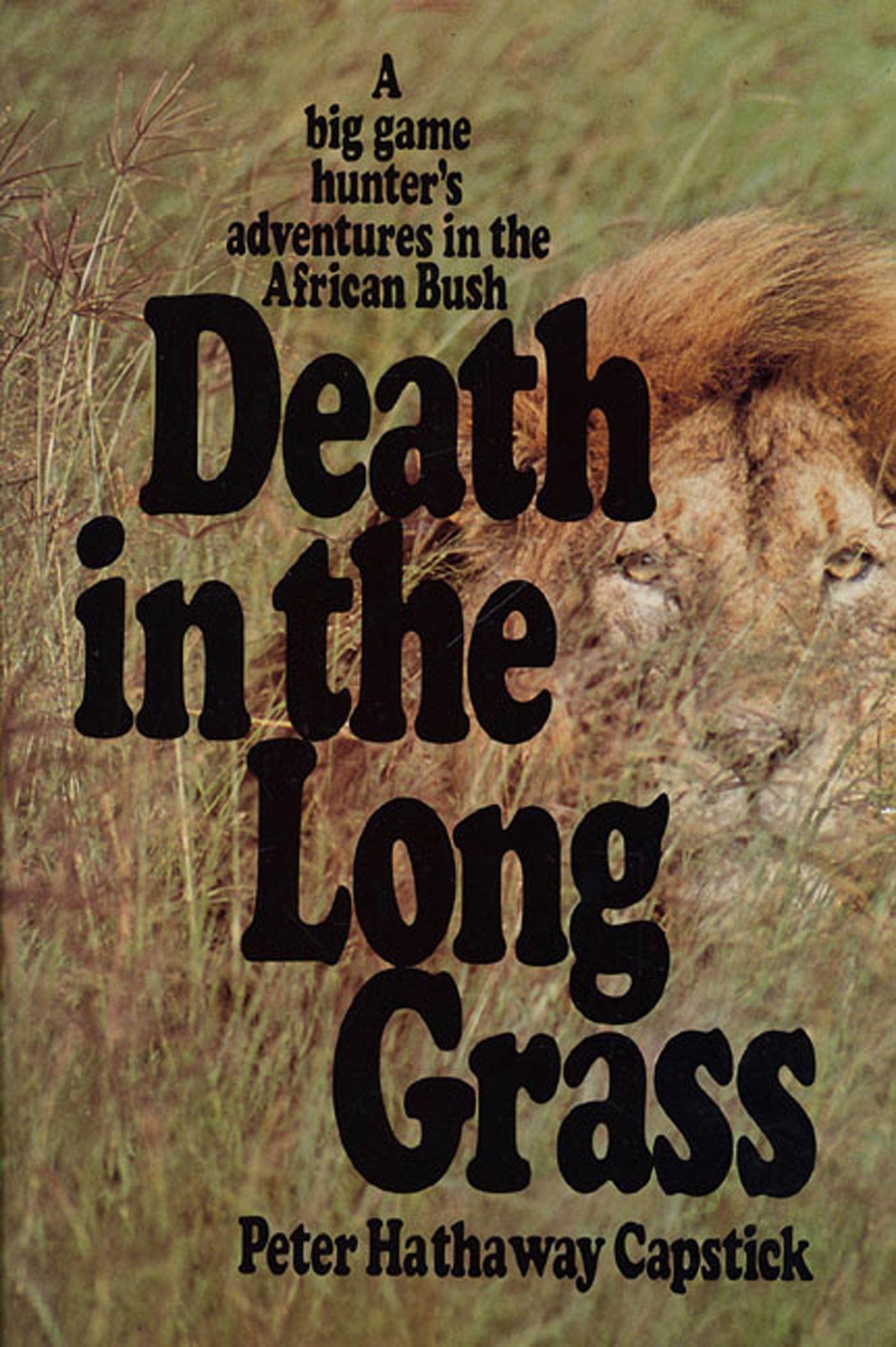
You step into the African bush with a writer who knows how to set scene and sustain tension while still delivering useful observations about animal behavior and hunt decisions. The book works well as evening camp reading, a longer trip companion, or a reference when you want to compare hunting styles across regions.
Short, narrative chapters make it easy to read in spare moments, while the detailed episodes provide material you can think about before a season or use to spark conversation with hunting partners. If you want an adventurous read that also sharpens your sense of country and decision making, this title fits that niche.
Best for: Hunters who want an immersive, adventure-first African hunting narrative.
What People Say
Readers frequently praise the book’s immersive storytelling and the way episodes convey the realities of African hunting. Many call out the clear, experience‑based insights on behavior and timing as particularly useful, and several note the writing keeps the focus on adventure and learning rather than trophy chasing.
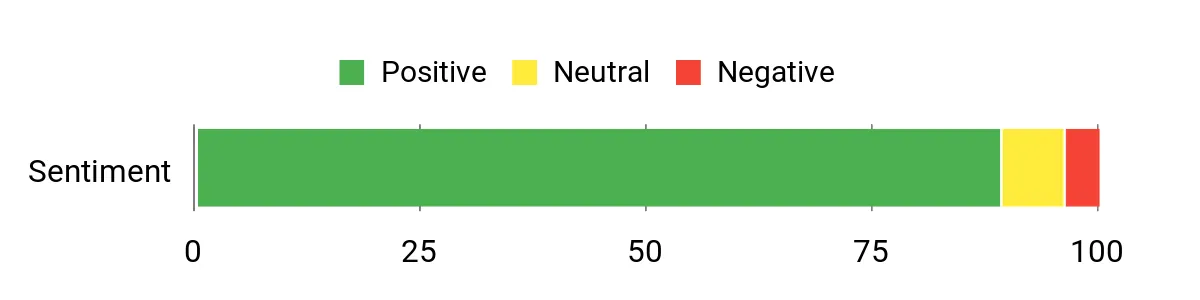
Overall Sentiment: Positive
Versatility
Use it as relaxed camp reading, a thought‑provoking travel companion, or a comparative study piece when you’re exploring hunting approaches from different regions.
Practicality
You’ll gain practical lessons in reading country and timing decisions more than modern gear tips, so pair it with a current field guide if you need up‑to‑date technical advice.
Key Benefits
- Evocative narratives that improve your situational awareness and decision framing
- Practical observations about big‑game behavior and hunt timing
- Readable structure that suits camp, travel, or focused pre‑season study
Rating: 4.7/5 (2,354+ ratings, at time of publication)
Alaska Wolfman
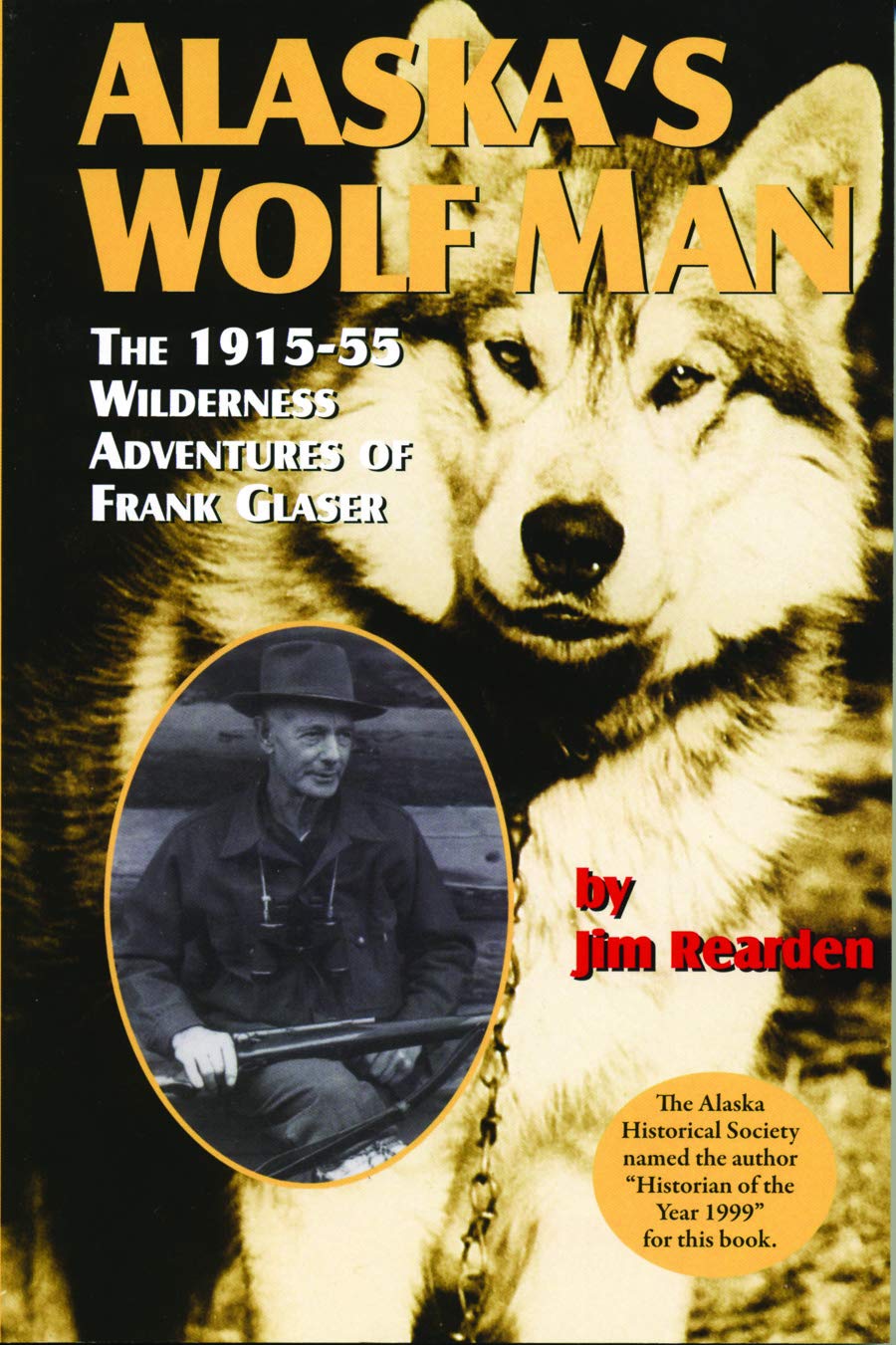
You get a deep, no‑frills look at frontier life through the eyes of someone who lived it. The book reads like a long series of field journals: trapping runs, hunting trips, and daily survival in remote country. Read it between seasons to broaden your sense of what backcountry toughness and resourcefulness look like, bring chapters to camp for evening conversation, or use it as a comparative piece when you study regional hunting traditions.
If you’re drawn to authentic adventure and practical lessons about living in hard country, this title is a compelling companion.
Best for: Readers interested in raw, historical frontier survival and trapping accounts.
What People Say
Readers often praise the book for its vivid, lived‑in perspective and the sense that you’re reading a true frontier life rather than a polished memoir. Many point out how informative and entertaining the episodes are, and several note the book’s archival value for understanding early Alaskan backcountry work.
A minority mention discomfort with trapping and predator control chapters, so it’s worth knowing the content can be blunt.
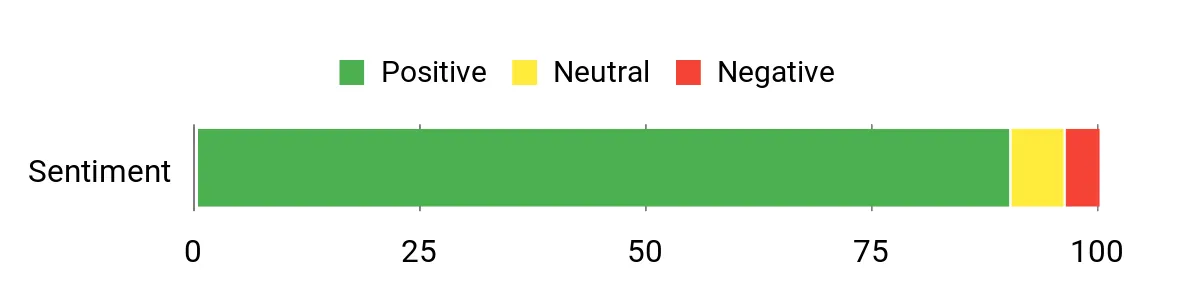
Overall Sentiment: Positive
Versatility
Use it as campfire reading, a study piece on historical frontier skills, or a thoughtful gift for someone who loves Alaska and rugged outdoor stories. Short episodes make it easy to read in chunks or share aloud on trips.
Practicality
You’ll gain practical perspective on survival, decision making, and living off the land rather than modern gear tips. It’s most useful for mindset, situational awareness, and historical comparison, not as a contemporary how‑to manual.
Key Benefits
- Authentic firsthand accounts that convey real backcountry skills and mindset
- Rich regional detail that helps you visualize Alaska’s terrain and seasons
- Good pick for camp reading and long‑form inspiration about self‑reliance
Rating: 4.8/5 (639+ ratings, at time of publication)
Full Draw
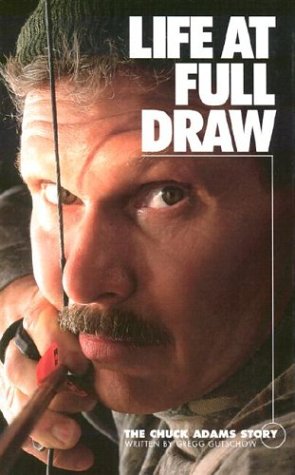
You get a close look at a top archer’s career and the mindset that powers high‑level bowhunting and competition. The narrative mixes compete‑level stories, training routines, and travel anecdotes so you can read it between sessions or reference it when preparing mentally for a season.
It works as inspiration for improving focus and consistency, as camp reading to spark conversation, or as background if you coach or mentor other shooters. If you want a book that connects performance habits to real hunts and tournaments, this is a practical, readable choice.
Best for: Competitive-minded bowhunters and shooters wanting a mental-game edge.
What People Say
Readers commonly appreciate the book’s candid look at a pro archer’s life and say the training and mindset sections are especially useful. Many value the balance of competition stories and field episodes, noting it reads well aloud on trips.
A few mention they would have liked more technical diagrams, but most applaud the book’s practical lessons and approachable voice.
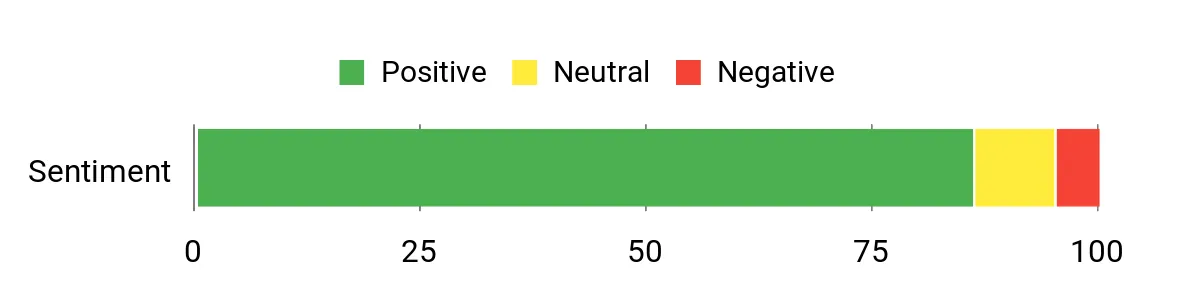
Overall Sentiment: Positive
Versatility
Use it as pre‑season motivation, a reference for mental game work, or casual camp reading. Chapters are easy to pick up in short sittings or share with a hunting partner.
Practicality
You’ll take away mental frameworks and routine ideas more than modern gear recommendations. The practical advice helps with decision making, practice structure, and composure under pressure.
Key Benefits
- Insider perspective on competition and professional bowhunting mindset
- Actionable habits for focus, consistency, and shot discipline
- Good mix of stories and practical lessons suitable for both hunters and competitors
Rating: 4.6/5 (31+ ratings, at time of publication)
FAQ
How Do I Choose The Right Hunting Book?
Start by defining what you want to gain: practical technique, regional fieldcraft, historical perspective, or hunting ethics. Look for authors with firsthand experience and check the publication or reprint notes so you know whether tactics or regulations might be dated. If you want quick utility in the field, pick books with short chapters or clear sections you can reread before a hunt, and consider pairing a classic narrative with a current how‑to guide to cover both mindset and modern practice.
Focus on the author’s experience and whether the book’s strengths match your goals.
Are Classic Hunting Books Still Useful?
Yes—classics are valuable for learning observation, patience, and long‑term ethical perspectives that don’t age the way gear specs do. Expect older language and some outdated techniques, and be aware some accounts include blunt predator control content that may not align with modern sensibilities. Use classics to sharpen your fieldcraft and decision making, but supplement them with current guides or local regulations for equipment, seasons, and safety.
Which Books Improve Bowhunting And Deer Skills?
Choose titles that match skill areas you want to develop: read pioneers and memoirs to learn shot discipline, composure, and situational thinking; pick backcountry guides for route planning, packing, and long‑stint decision frameworks; and read contemporary memoirs for ethics and modern perspective. When you read, pull out short passages on observation or routines and turn them into a simple drill or pre‑season exercise so lessons move from story to practice in the field.
What Readers Prefer
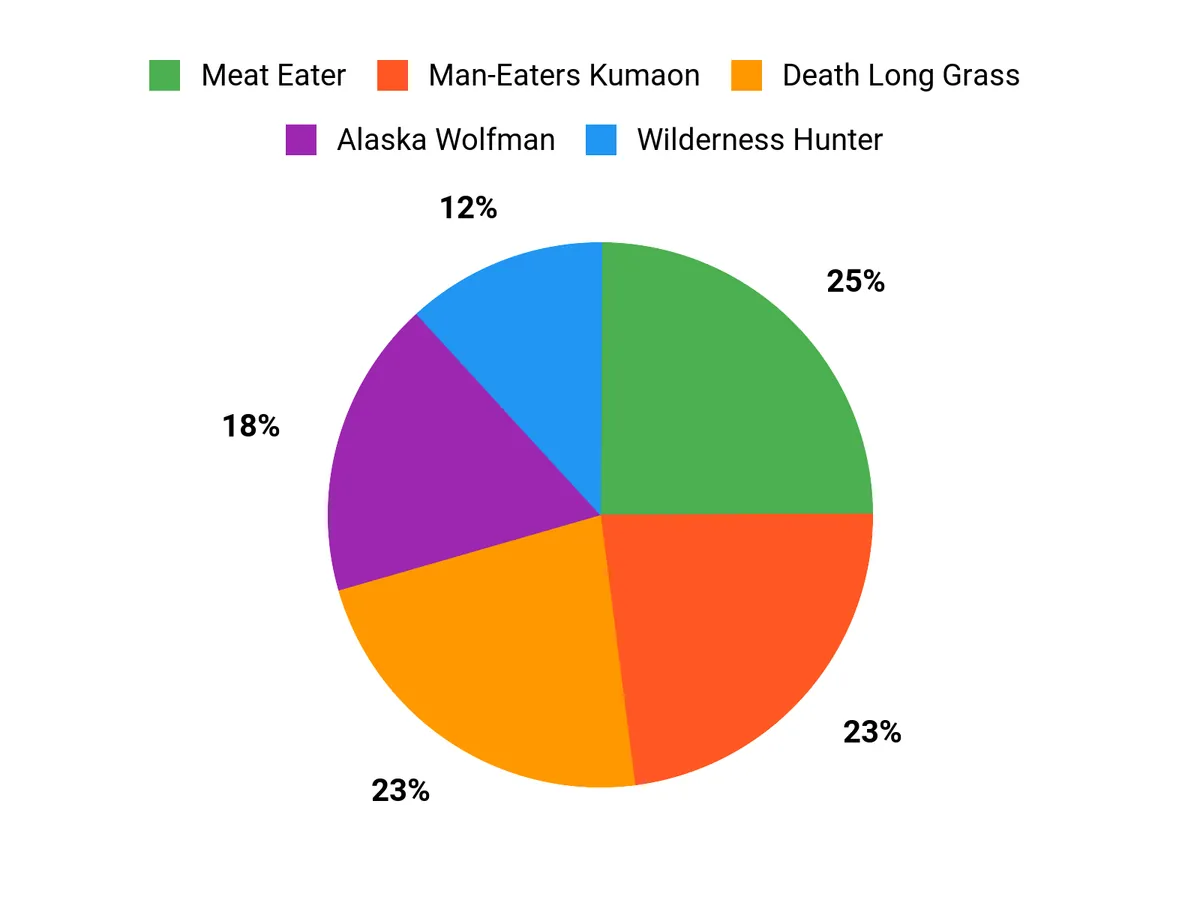
When you pick between Wilderness Hunter, Man-Eaters of Kumaon, and Double Helix you usually prioritize the kind of takeaway you want: historical conservation and fieldcraft from Roosevelt, close tracking and place‑based storytelling from Corbett, or hands‑on bowhunting adventure and mindset from Dr. Thomas. Readability and practical lessons matter too, so choose the title that best matches whether you want ethics and perspective, tracking technique and patience, or bowhunting inspiration and situational thinking.
Wrapping Up
You will get different returns from each book depending on what you want to improve. If you want historical perspective and a sense of how early conservation and hunting ethics developed, choose a classic. If your goal is practical fieldcraft and backcountry decision making, a modern guide will repay your time immediately. For bowhunters seeking technique and inspiration, read the pioneers and contemporary memoirs to learn mindset and situational judgment.
Pick the title that matches your priorities and carry a notebook; reading these authors will sharpen how you think about country, wind, shot opportunity, and the responsibilities that come with harvesting game.
| Product Name | Image | Rating | Publisher | Publication Date | Print Length | Check Price |
|---|---|---|---|---|---|---|
| The Wilderness Hunter |
|
4.6/5 (20+ reviews) | CreateSpace Independent Publishing Platform | December 30, 2014 | 218 pages | Check Price |
| Man-Eaters of Kumaon (Oxford India Paperbacks) |
|
4.6/5 (40+ reviews) | Oxford University Press | June 17, 1993 | 228 pages | Check Price |
| Double Helix: Bowhunting African Plains Game |
|
5.0/5 (20+ reviews) | TBM, Inc. | January 1, 1999 | 181 pages | Check Price |
| Meat Eater: Adventures from the Life of an American Hunter |
|
4.8/5 (30+ reviews) | Random House | September 10, 2013 | 256 pages | Check Price |
| Fred Bear’s Field Notes: The Adventures Of Fred Bear |
|
4.9/5 (15+ reviews) | Bear | December 1, 1987 | N/A | Check Price |
| BACKCOUNTRY BOWHUNTING A Guide to the Wild Side |
|
4.8/5 (25+ reviews) | Eastmans’ Publishing | January 1, 2006 | 287 pages | Check Price |
| Karamojo Safari |
|
4.6/5 (10+ reviews) | Safari Press | January 1, 2010 | 200 pages | Check Price |
| Death in the Long Grass: A Big Game Hunter’s Adventures in the African Bush |
|
4.7/5 (45+ reviews) | St. Martin’s Press | January 15, 1978 | 320 pages | Check Price |
| Alaska’s Wolf Man: The 1915-55 Wilderness Adventures of Frank Glaser |
|
4.8/5 (5+ reviews) | Pictorial Histories Publishing Co. | February 1, 1998 | 344 pages | Check Price |
| Life at Full Draw: The Chuck Adams Story |
|
4.6/5 (10+ reviews) | Gregg Gutschow & Ihunt Comm | January 1, 2003 | 336 pages | Check Price |
This Roundup is reader-supported. When you click through links we may earn a referral commission on qualifying purchases.
