
Last Updated on July 28, 2026 by Daniel Globe
Choosing where to stay near London’s West End affects far more than your journey to a show. Your neighborhood determines how much street noise you hear, whether you can walk back after the final curtain, how easily you can use the Tube with luggage, and how much space you may get for your budget. London’s West End covers a broad entertainment, theater, dining, and shopping district, so the best base depends on your exact plans rather than the district name alone.
Quick Answer
Covent Garden is the best all-round West End base for most first-time visitors. Choose Soho for nightlife, Leicester Square or Piccadilly Circus for maximum theater access, Marylebone for a calmer stay, and Mayfair for luxury. Charing Cross and Holborn offer strong transport links, while nearby Bloomsbury and King’s Cross may provide better value.
Key Takeaways
- Covent Garden is the strongest all-round choice for theaters, restaurants, shopping, and walking.
- Soho is best for nightlife and late dining, but street noise can continue well past midnight.
- Leicester Square and Piccadilly Circus place you closest to many theaters, cinemas, and evening attractions.
- Marylebone offers a quieter, more residential atmosphere while keeping the West End within reach.
- Mayfair suits luxury travelers and shoppers but is usually one of the costliest options.
- Accessibility varies by station. Check the exact street-to-platform and platform-to-train route before booking.
- Hotel names can be misleading. Always check the property’s exact map pin, not only the neighborhood listed in its description.
At a Glance: Which Area Fits You?
| Best overall for first-time visitors | Covent Garden |
| Best for nightlife | Soho |
| Best for theater access | Leicester Square or Piccadilly Circus |
| Best for a quieter stay | Marylebone |
| Best for luxury and shopping | Mayfair |
| Best central transport hub | Charing Cross |
| Best for landmarks and history | Westminster |
| Best central value candidate | Holborn |
| Better-value alternatives | Bloomsbury, Fitzrovia, or King’s Cross |
| Useful areas for step-free stations | Near Bond Street, Tottenham Court Road, Green Park, or Westminster; verify the exact route with TfL |
Disclosure: As an Amazon Associate I earn from qualifying purchases. Some links on this page are affiliate links, at no extra cost to you.
How to Choose the Right West End Area
Start With Your Actual Theater
The West End is not one compact block. A hotel near the Strand may be ideal for the Lyceum or Savoy Theatre but less convenient for a venue near Oxford Circus. Before booking, place the hotel and theater on the same map and check the walking route rather than relying on the words “West End hotel.”
Decide How Much Noise You Can Tolerate
Soho, Leicester Square, Piccadilly Circus, and parts of Covent Garden stay active late into the evening. Marylebone, Mayfair side streets, Bloomsbury, and some parts of Westminster generally feel calmer, although conditions can vary from one block to the next.
Plan Your Post-Show Journey
The Night Tube runs on Friday and Saturday nights on the Central, Jubilee, Northern, Piccadilly, and Victoria lines. On other nights, check the final departure before your show and identify a night-bus, taxi, or walking alternative.
Check Step-Free Access
Not every central station is step-free, and accessibility can differ by line, platform, entrance, and direction of travel. Travelers using a wheelchair, stroller, walking aid, or heavy luggage should check TfL’s current wheelchair and step-free guidance before choosing a hotel.
Note: A hotel may advertise itself as being in Soho, Covent Garden, or Mayfair even when it sits near the edge of that district. Check the exact address, entrance, nearest station, and walking route before paying.
Covent Garden
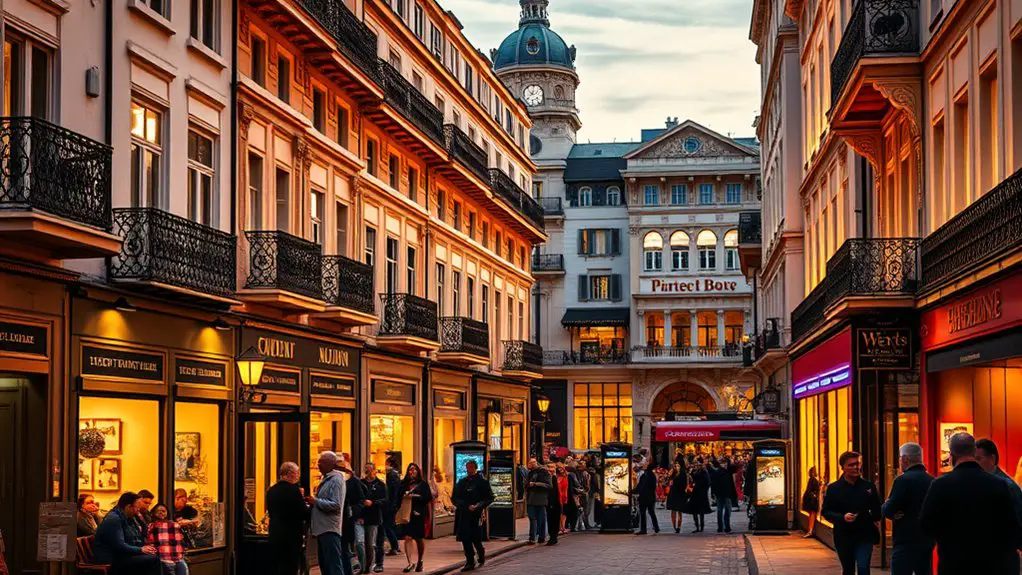
Covent Garden is the best all-round choice for many first-time visitors. It combines a central West End location with theaters, restaurants, shops, street performers, and easy walking access to Leicester Square, the Strand, Trafalgar Square, and the Thames.
Why Stay in Covent Garden?
The historic market and Piazza create a lively atmosphere throughout the day. Shopping ranges from designer brands to small stalls and artisan vendors, while the surrounding streets provide a broad mix of casual restaurants, cafés, pubs, and pre-theater dining.
Covent Garden works best when short walks to theaters, restaurants, and major sights matter more than quiet streets or low hotel rates.
The location is especially convenient for visitors attending several shows at different venues. Depending on the exact hotel, you may be able to use Covent Garden, Leicester Square, Charing Cross, Embankment, or Holborn stations.
Covent Garden Trade-Offs
- Best for: First visits, theater weekends, dining, shopping, and travelers who want to walk.
- Main drawbacks: Crowds, street noise, compact hotel rooms, and rates that can rise sharply on popular dates.
- Mobility consideration: Covent Garden station is not the simplest choice for a fully step-free journey, so check alternative nearby stations and the exact route.
Pro Tip: Visit the Piazza early in the morning for a quieter look at the architecture, then return later when the performers, restaurants, and theaters create the full Covent Garden atmosphere.
Soho
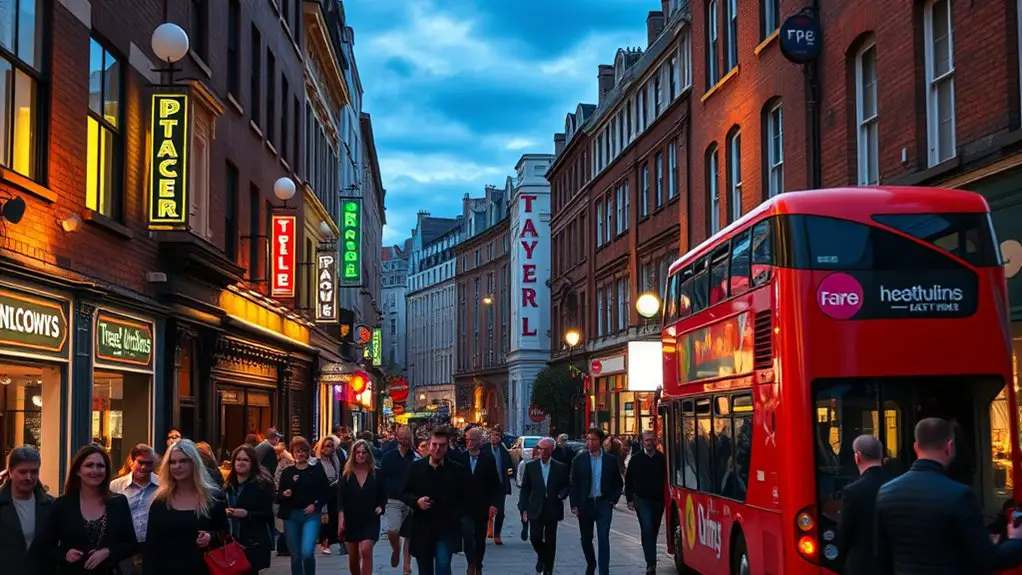
Soho is the strongest choice for travelers who want nightlife, late dining, music, comedy, and an energetic street scene. It sits in the heart of the West End, within walking distance of Chinatown, Leicester Square, Piccadilly Circus, Oxford Street, and Covent Garden.
Nightlife Scene
When the sun sets, Soho becomes one of central London’s busiest evening districts. The area includes traditional pubs, cocktail bars, live-music venues, clubs, and smaller late-night spaces.
Tottenham Court Road, Leicester Square, Oxford Circus, and Piccadilly Circus may all be useful depending on the hotel’s exact location. Some of these stations are served by Night Tube lines on Friday and Saturday nights, but you should still check the route and current service before going out.
Warning: Soho can remain noisy well past midnight, especially on Fridays and Saturdays. Light sleepers should choose a side street, request a room away from bars and loading areas, or consider Marylebone, Bloomsbury, or a quieter Mayfair street.
Culinary Hotspot
Soho’s dining scene ranges from long-established restaurants and traditional pubs to modern small-plate venues, bakeries, street food, and international cuisine. Berwick Street and the streets around Chinatown make it possible to try several different styles of food within a compact area.
The neighborhood is particularly useful when you want dinner after a show because many venues serve later than restaurants in quieter business districts. Reservations are still wise for popular restaurants on Friday and Saturday evenings.
Artistic and Cultural Scene
Soho has a strong creative history and remains a useful base for independent theater, comedy, music, film, and galleries.
- Soho Theatre presents new theater, comedy, cabaret, and emerging performers.
- Small galleries and creative businesses reflect the neighborhood’s independent character.
- Street art, music venues, cinemas, and nearby West End theaters add variety beyond conventional sightseeing.
Best for: Nightlife, couples, groups of friends, food-focused trips, and visitors who do not mind crowds.
Marylebone
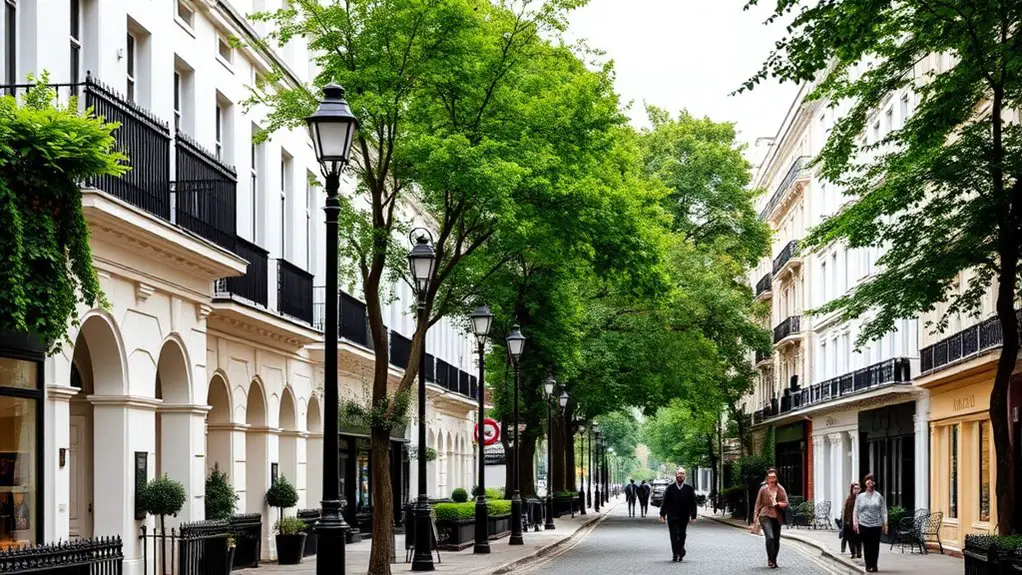
Marylebone offers a calmer, more residential-feeling base than Soho or Leicester Square while remaining close to the West End. It is a strong choice for couples, families, repeat visitors, and travelers who prefer cafés, independent shops, and boutique hotels to late-night crowds.
Central Location Advantages
Marylebone covers a fairly broad area, so transport depends on the hotel’s exact position. Bond Street, near the southern edge, is served by the Central, Jubilee, and Elizabeth lines. Baker Street, farther north, is served by the Bakerloo, Circle, Hammersmith & City, Jubilee, and Metropolitan lines.
From southern Marylebone, Oxford Street and Mayfair are within easy walking distance. Soho, Regent’s Park, the West End theaters, and the British Museum can be reached on foot, by bus, or by a short Tube ride depending on the starting point.
- Ease of travel: Several nearby stations connect Marylebone with central London and the Elizabeth line.
- Quieter evenings: Many streets feel less intense than the core nightlife and theater districts.
- Neighborhood atmosphere: Cafés, boutiques, restaurants, and local shopping make it feel less tourism-focused.
Boutique Hotel Options
Marylebone has a strong selection of boutique and upscale hotels, including converted townhouses and smaller properties with individually designed rooms. These hotels often emphasize personal service and neighborhood character rather than the standardized experience of a large chain.
Rooms are not automatically larger than those in Soho or Covent Garden, so check the listed square footage, lift access, air conditioning, and bed configuration before booking.
Cultural Attractions Nearby
Marylebone places you close to museums, historic buildings, and Regent’s Park. The Wallace Collection displays fine art, furniture, decorative arts, and armor in Hertford House.
- Visit the Wallace Collection’s permanent displays and historic interiors.
- Walk through Marylebone Village and nearby garden squares.
- Use Baker Street as a base for Regent’s Park, Madame Tussauds, and connections across London.
Note: Entry to the Wallace Collection’s permanent collection is free, although selected temporary exhibitions or events may charge.
Best for: Quieter evenings, couples, families, boutique hotels, and travelers using the Elizabeth line.
Mayfair
Mayfair offers luxury hotels, high-end shopping, fine dining, galleries, and elegant architecture beside the western side of the West End. It suits travelers who value service, privacy, and a polished setting more than being directly among the busiest theater crowds.
Bond Street is useful for the Elizabeth, Jubilee, and Central lines, while Green Park serves the Jubilee, Piccadilly, and Victoria lines. Some theaters are walkable, but venues around Covent Garden and the Strand may require a longer walk or short Tube, bus, or taxi journey.
| Attraction | Description |
|---|---|
| Bond Street | Luxury shopping at designer boutiques and flagship stores |
| Grosvenor Square | Historic architecture, memorials, and green space |
| Mount Street | Upscale shops, galleries, restaurants, and elegant cafés |
| Shepherd Market | A compact historic area with pubs, restaurants, and boutiques |
| Royal Academy of Arts | Major art institution at Burlington House on Piccadilly |
Best for: Luxury stays, shopping, fine dining, privacy, and travelers who want easy Elizabeth or Jubilee line access.
Main drawbacks: High room rates, expensive dining, and a longer walk to some theaters east of Leicester Square.
Charing Cross
Charing Cross sits on the southern edge of Theatreland beside Trafalgar Square and the Strand. It is one of the strongest choices for travelers who value transport connections, National Rail access, and easy walks to cultural attractions.
The Charing Cross name is associated with one of the medieval Eleanor Crosses erected in memory of Eleanor of Castile. The ornate memorial outside the station today is a 19th-century replica rather than the original medieval cross.
Charing Cross combines National Rail, the Bakerloo and Northern lines, and walking access to Trafalgar Square, the Strand, and several major theaters.
Use Transport for London for current Tube, bus, accessibility, and planned-closure information. Charing Cross railway station also provides direct National Rail services to destinations in southeast London and Kent.
- Strong connections: Tube, rail, bus, taxi, and walking routes meet in one central location.
- Landmark access: Trafalgar Square, the National Gallery, the Strand, Whitehall, and Covent Garden are close by.
- Theater convenience: Several venues can be reached without using public transport.
Main drawbacks: Heavy pedestrian traffic, road noise, busy station approaches, and fewer quiet residential streets than Marylebone or Bloomsbury.
Leicester Square
Leicester Square places you directly among West End theaters, cinemas, restaurants, Chinatown, and evening entertainment. It is one of the most convenient choices for a theater-focused trip, especially when your plans involve several venues around Shaftesbury Avenue, Charing Cross Road, or Covent Garden.
The square is known for major cinemas and film premieres, while nearby streets contain theaters, comedy venues, ticket offices, and pre-show restaurants. The Official London Theatre Ticket Booth is also located in Leicester Square.
- Best for: Theater fans, film lovers, short stays, and visitors who want to be in the center of the action.
- Transport: Leicester Square station serves the Northern and Piccadilly lines.
- Main drawbacks: Crowds, late-night noise, tourist-focused restaurants, compact rooms, and premium pricing on busy dates.
Warning: Buy theater tickets from the theater, an authorized seller, or the official ticket booth. Avoid street sellers and anyone pressuring you to pay immediately.
Piccadilly Circus
Piccadilly Circus is one of London’s busiest and most recognizable intersections. Staying nearby puts you between Soho, Leicester Square, Regent Street, St James’s, and Mayfair, with numerous theaters and restaurants within walking distance.
The area is served by the Bakerloo and Piccadilly lines. It can be especially convenient for travelers arriving from Heathrow on the Piccadilly line, although the Elizabeth line from Bond Street or Tottenham Court Road may suit other journeys better.
- A central position for theaters around Piccadilly, Shaftesbury Avenue, and Leicester Square
- Fast access to Soho nightlife, Regent Street shopping, and St James’s
- Direct Tube connections on the Bakerloo and Piccadilly lines
The Shaftesbury Memorial Fountain and Criterion Theatre sit beside the junction, while the Royal Academy, Trafalgar Square, and Chinatown are nearby.
Main drawbacks: Continuous traffic, bright advertising screens, large crowds, and street noise. Choose a room away from the main junction when possible.
Westminster
Westminster is better for landmark-focused sightseeing than for being directly inside the busiest part of Theatreland. It suits travelers who prioritize Westminster Abbey, Parliament, Whitehall, St James’s Park, and walks along the Thames.
The Houses of Parliament stand beside the Elizabeth Tower. The name “Big Ben” originally refers to the Great Bell inside the tower, although it is commonly used for the whole landmark.
Westminster station serves the Circle, District, and Jubilee lines and can be useful for step-free journeys, depending on the exact route. Many West End theaters are reachable by Tube, bus, taxi, or a longer walk through Whitehall and Trafalgar Square.
- Best for: History, architecture, government landmarks, river walks, and first-time sightseeing.
- Main drawback: It is not as convenient for nightly walks to theaters around Covent Garden, Soho, or Shaftesbury Avenue.
- Atmosphere: Busy during sightseeing hours but less nightlife-focused than Soho or Leicester Square.
Holborn
Holborn sits east of the core West End and combines historic streets, offices, legal institutions, cafés, and strong transport links. It is a useful choice when you want access to both Theatreland and attractions farther east in central London.
Holborn station serves the Central and Piccadilly lines. Covent Garden, the British Museum, Lincoln’s Inn, and parts of the West End are walkable from many hotels, although the distance depends on the exact address.
- Historic character: Traditional buildings, legal quarters, and old lanes sit beside modern offices.
- Food and cafés: The area has practical breakfast, coffee, lunch, and after-work dining options.
- Transport: Direct Central and Piccadilly line access connects the area with the West End and wider London.
Best for: Business trips, British Museum visits, travelers splitting time between the West End and the City, and visitors seeking a possible value alternative to Covent Garden.
Main drawback: Some streets become quiet after office hours, and the atmosphere is less festive than Soho or Leicester Square.
Better-Value Alternatives Near the West End
Bloomsbury
Bloomsbury is a calm, central area near the British Museum, Russell Square, and several universities. It can offer a more relaxed stay than Leicester Square while keeping Holborn, Covent Garden, and Soho within walking or short Tube distance.
It is a strong option for families, museum visitors, and travelers who prefer garden squares and quieter evenings. Check whether the hotel is closer to Russell Square, Holborn, Euston, or Tottenham Court Road because the transport experience changes across the district.
Fitzrovia
Fitzrovia sits north of Soho and east of Marylebone. It offers restaurants, cafés, pubs, and a neighborhood atmosphere while remaining close to Oxford Street, Tottenham Court Road, and the northern edge of the West End.
It is particularly useful for travelers who like Soho’s location but want to sleep a few streets away from its busiest nightlife. Rates still vary widely, so compare the total stay rather than assuming it will always be cheaper.
King’s Cross and St Pancras
King’s Cross is not within walking distance of every West End theater, but it provides excellent national and international rail connections and direct Tube access to central entertainment districts. It can make sense for Eurostar passengers, rail travelers, and visitors taking day trips outside London.
Choose it when transport convenience and possible room value matter more than walking home from a show. The Piccadilly line connects King’s Cross St Pancras with Holborn, Covent Garden, Leicester Square, and Piccadilly Circus.
Practical Tips Before Booking a West End Hotel
- Map the theater door: Check the route from the hotel entrance to the exact venue rather than measuring from a neighborhood’s center.
- Read recent noise reviews: Look for mentions of bars, clubs, deliveries, construction, sirens, and street-facing rooms.
- Confirm room size: Central London room categories can be compact. Check the listed floor area and bed dimensions.
- Check lifts and stairs: Historic buildings may have small lifts, split-level floors, or stairs between the lift and the room.
- Verify air conditioning: Do not assume every older hotel has full-room air conditioning.
- Plan the final journey: Check last trains, Night Tube availability, night buses, and a backup taxi route.
- Compare the total price: Review breakfast, cancellation terms, prepayment rules, and room type before deciding which hotel is cheaper.
Warning: Busy West End streets attract pickpockets and phone thieves. Keep valuables secured, avoid holding your phone toward the road, watch your belongings in crowds, and never leave luggage unattended in a hotel lobby.
Pro Tip: A slightly more expensive hotel within walking distance of your theaters may cost less overall than a cheaper room that requires several late-night taxi trips.
Frequently Asked Questions
Which neighborhood offers the best family-friendly accommodations near the West End?
Marylebone and Bloomsbury are strong family choices because they generally offer calmer evenings and access to parks, museums, cafés, and public transport. Kensington can also work for museum-focused families, but it is farther from most West End theaters. Check room size, lift access, connecting-room policies, and the route back after an evening show.
Are there affordable hotels close to the West End in central London?
Yes, but rates change sharply by date and room type. Holborn, Bloomsbury, Fitzrovia, and King’s Cross may provide better value than the busiest parts of Covent Garden, Soho, or Leicester Square. Compare the total price, room size, cancellation rules, and late-night transport rather than choosing by nightly rate alone.
What are the safest areas to stay near the West End for solo travelers?
No central neighborhood is automatically the safest for every traveler or every street. Choose a well-reviewed hotel with staffed reception, plan a well-lit route, secure your phone and wallet in crowds, and avoid unofficial ticket sellers. Covent Garden, Marylebone, Bloomsbury, and Mayfair are popular solo-travel bases, but the exact hotel and route matter more than the neighborhood label.
Which districts provide the easiest access to West End theaters?
Covent Garden, Leicester Square, Soho, and Piccadilly Circus provide the strongest walkable theater access. Charing Cross is especially convenient for theaters around the Strand and Trafalgar Square. Check the location of your specific venue because the West End covers a broad area.
Are there any luxury boutique hotels near West End attractions?
Yes. Mayfair and Marylebone have a high concentration of luxury and boutique hotels, including townhouse properties, spa hotels, and internationally known brands. Covent Garden and Soho also have upscale boutique options for travelers who prefer a busier theater-and-nightlife setting.
What is the best West End area for a first visit to London?
Covent Garden is the best all-round choice for many first-time visitors because it combines theater access, restaurants, shopping, street life, and walkability to major sights. Choose Marylebone instead if quiet nights matter more, or Leicester Square if attending several shows is the main purpose of the trip.
Where should I stay if step-free Tube access is important?
Consider hotels near Bond Street, Tottenham Court Road, Green Park, or Westminster, then verify the exact journey with TfL’s current step-free guide. Access can vary by entrance, line, platform, direction, lift status, and the gap between the platform and train, so a station name alone is not enough.
Conclusion
Covent Garden is the best all-round West End base for most first-time visitors, while Soho is the clear choice for nightlife and Leicester Square or Piccadilly Circus offer the shortest walks to many theaters. Marylebone provides a calmer setting, Mayfair delivers luxury, Charing Cross excels for transport, and Holborn can offer a practical balance of location and value.
Before booking, check the exact hotel pin, your theater’s location, recent noise reviews, room size, step-free access, and the route home after the show. The best neighborhood is the one that matches your real itinerary rather than the one with the most famous name.
Sources
- Visit London — West End guide — official overview of the West End and its neighborhoods
- Transport for London — Night Tube — current overnight Tube lines and operating nights
- Transport for London — wheelchair access and avoiding stairs — step-free planning and accessibility guidance
- Metropolitan Police — staying safe while visiting London — visitor, pickpocketing, hotel, and ticket-seller safety advice
- Historic England — Queen Eleanor Memorial Cross — history and status of the Charing Cross memorial
- The Wallace Collection — official visitor and permanent-collection information
