
Last Updated on July 30, 2026 by Daniel Globe
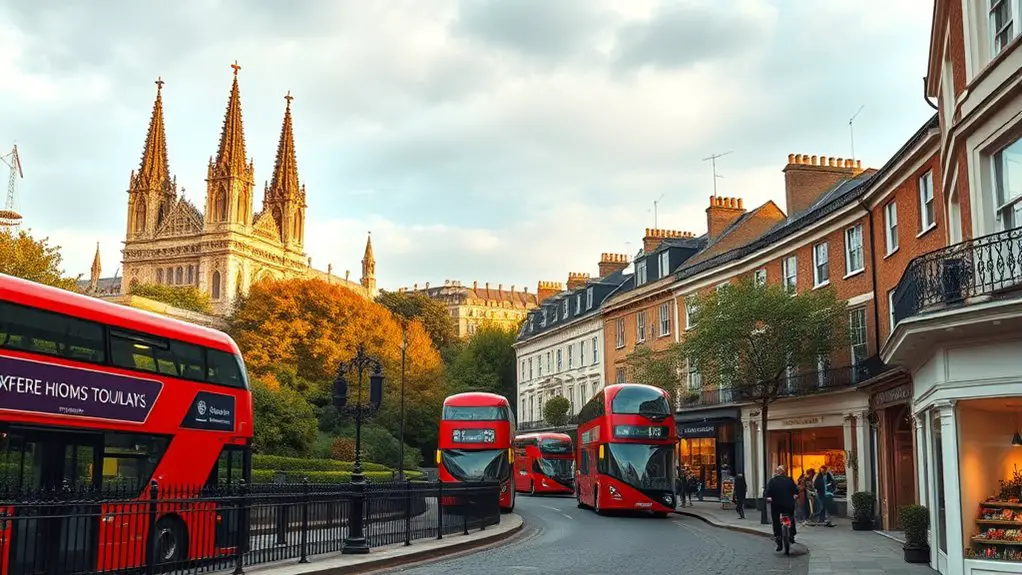
Choosing the best area to stay in London near attractions is less about finding one perfect neighborhood and more about matching your hotel base to your plans. Covent Garden and the West End suit many first-time visitors, while Westminster is better for royal and political landmarks, South Bank works well for river views and families, and Kensington is ideal for major museums.
Quick Answer
For most first-time visitors, Covent Garden and the West End are the best areas to stay near London’s top attractions. You can walk to Trafalgar Square, Leicester Square, Soho, theaters, restaurants, and shops. Choose Westminster for landmark-heavy sightseeing, South Bank for river views, or Kensington for museums and a calmer evening atmosphere.
Key Takeaways
- Best overall for first-time visitors: Covent Garden and the West End for walkability, theaters, dining, and central sights.
- Best for iconic landmarks: Westminster for Westminster Abbey, the Houses of Parliament, Buckingham Palace, and Thames views.
- Best for families and river scenery: South Bank and Waterloo for the London Eye, cultural venues, and a pedestrian-friendly riverfront.
- Best for museums: South Kensington for the Natural History Museum, Victoria and Albert Museum, and Science Museum.
- Best for nightlife or luxury: Soho for late evenings and Mayfair for high-end hotels, shopping, and dining.
- Best value is date-dependent: compare the exact hotel address, room size, cancellation terms, and transport cost rather than assuming an entire neighborhood is cheap.
Disclosure: As an Amazon Associate I earn from qualifying purchases. Some links on this page are affiliate links, at no extra cost to you.
Best Areas to Stay in London at a Glance
This comparison shows the strongest reason to choose each area, along with the main compromise you should consider before booking.
At a Glance
| Covent Garden and West End | Best for: first visits, theaters, dining, and walking. Nearby: Trafalgar Square, Leicester Square, Soho, Royal Opera House. Tradeoff: busy streets, nightlife noise, and often higher room rates. |
| Westminster | Best for: royal, political, and historic landmarks. Nearby: Westminster Abbey, Parliament, Whitehall, Buckingham Palace. Tradeoff: premium pricing and fewer neighborhood-style evenings in the government core. |
| South Bank and Waterloo | Best for: families, river walks, culture, and skyline views. Nearby: London Eye, Southbank Centre, National Theatre. Tradeoff: Tate Modern and Shakespeare’s Globe are farther east in Bankside, not in the South Bank core. |
| Kensington | Best for: museums, parks, elegant streets, and quieter evenings. Nearby: V&A, Science Museum, Natural History Museum, Kensington Palace. Tradeoff: farther from the City and some East London attractions. |
| Soho | Best for: nightlife, restaurants, LGBTQ+ venues, and a central location. Nearby: Chinatown, Oxford Street, Piccadilly Circus. Tradeoff: late-night noise, crowds, and smaller hotel rooms. |
| Mayfair | Best for: luxury hotels, high-end shopping, and fine dining. Nearby: Bond Street, Hyde Park, Royal Academy of Arts, Buckingham Palace. Tradeoff: among the most expensive choices. |
| Shoreditch | Best for: street art, independent food, bars, and East London culture. Nearby: Brick Lane, Spitalfields, the City. Tradeoff: less convenient for walking to Westminster sights. |
| Notting Hill | Best for: colorful streets, cafés, boutiques, and Portobello Road Market. Nearby: Kensington Gardens and west London neighborhoods. Tradeoff: not as close to the main Westminster–West End attraction cluster. |
| Tower Hill and the City | Best for: medieval history, business trips, and east-central transport. Nearby: Tower of London, Tower Bridge, St Paul’s Cathedral. Tradeoff: parts of the business district feel quieter on weekends. |
How to Choose the Best London Area for Your Trip
Start with the attractions you will visit most, then check the walking route from the exact hotel address. A hotel marketed as “West End,” “Kensington,” or “Tower Bridge” may sit near the edge of that area, which can change your daily travel time.
- First visit: choose Covent Garden, the West End, Westminster, or South Bank to reduce travel between headline sights.
- Family trip: consider South Bank, Waterloo, or South Kensington for museums, open spaces, and straightforward daytime activities.
- Nightlife: choose Soho or Shoreditch, but request a room away from the street or above late-night venues.
- Luxury stay: Mayfair offers landmark hotels and premium dining; Kensington provides a more residential version of upscale London.
- Quieter evenings: look at Kensington, Notting Hill, or selected streets in the City, while checking the immediate block for pubs, clubs, and construction.
- Rail connections: King’s Cross St Pancras, Paddington, Victoria, Waterloo, and Liverpool Street can be practical when onward travel matters more than walking to every attraction.
Pro Tip: Use the official Transport for London Journey Planner with the hotel’s full postcode. Compare the route to two or three must-see attractions at the times you expect to travel, and check step-free access when mobility or luggage is a concern.
Westminster: The Heart of Historic London
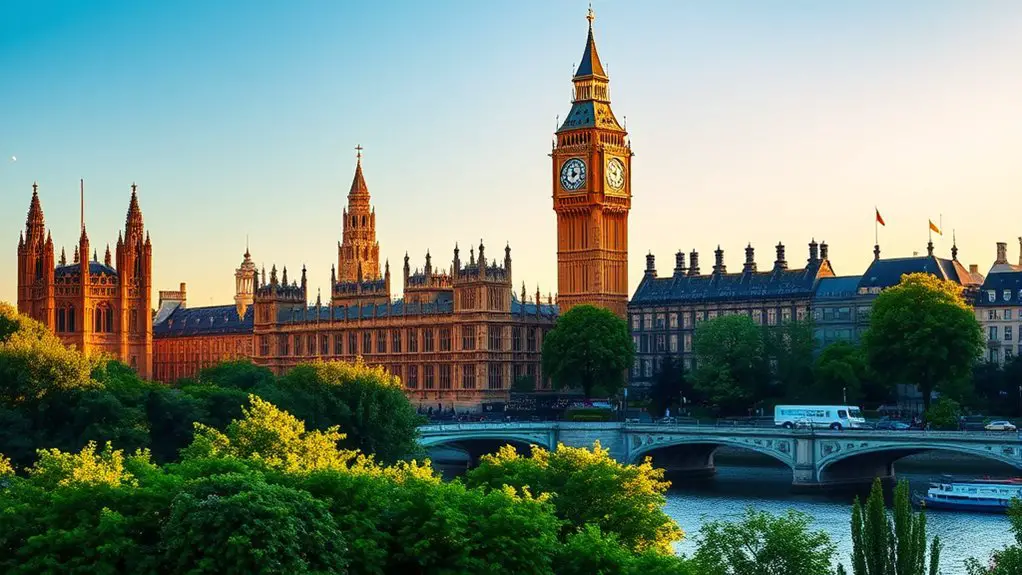
The visitor core around Westminster, Whitehall, and St James’s is one of the best bases for historic London. You can walk between Westminster Abbey, the Houses of Parliament, Big Ben, Downing Street, St James’s Park, and Buckingham Palace without crossing the whole city.
The area is filled with government buildings, historic pubs, formal squares, and views across the River Thames. River services and several Tube stations make it easy to continue to the West End, South Bank, or the City.
Westminster works especially well for a short first trip focused on royal and political landmarks. The tradeoffs are high hotel prices, daytime crowds, and a government quarter that can feel quieter after office hours than Soho or Covent Garden.
Covent Garden and the West End: Entertainment and Culture Hub
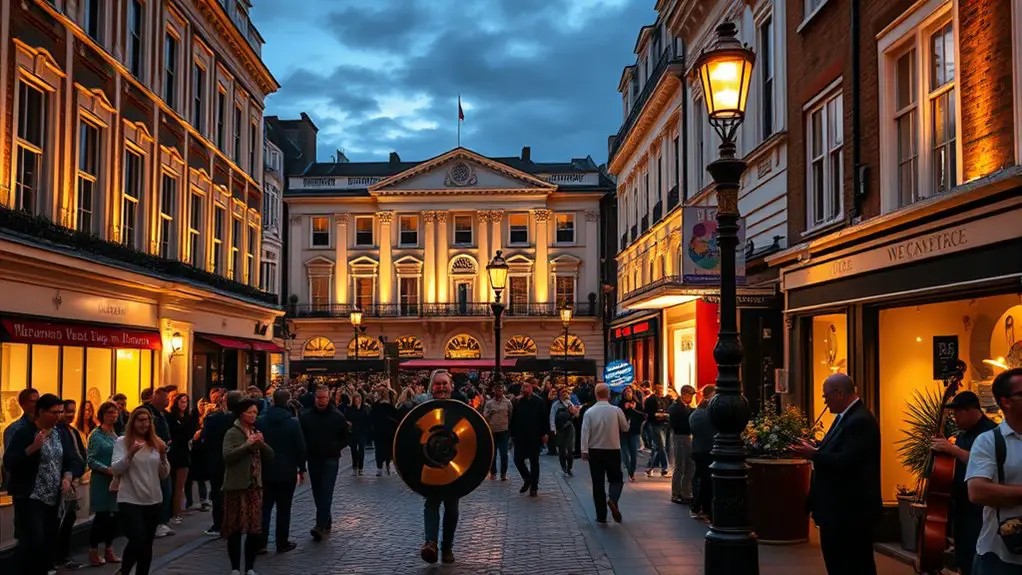
Covent Garden and the West End offer the strongest all-round location for many first-time visitors. The Royal Opera House, West End theaters, Leicester Square, Piccadilly Circus, Chinatown, Trafalgar Square, shops, and restaurants are packed into a walkable central area.
Street performers and market buildings give Covent Garden a lively daytime atmosphere, while the surrounding theater district stays active in the evening. The British Museum is also reachable on foot from many hotels, although the walk varies by the property’s exact location.
This convenience comes at a cost. Rooms can be expensive or compact, and streets near theaters, pubs, or Leicester Square may stay noisy late. Check recent room reviews for soundproofing and ask for a room away from the street when sleep matters.
South Bank: Riverside Attractions and Scenic Views
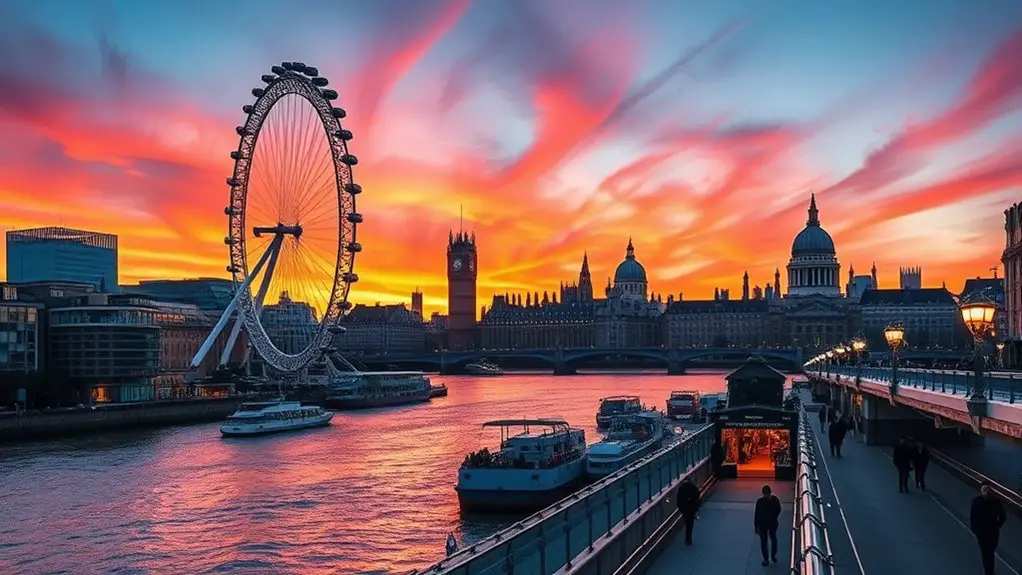
The South Bank combines Thames views with major family and cultural attractions. Around Waterloo and the London Eye, you can reach the Southbank Centre, National Theatre, BFI venues, riverside cafés, and pedestrian paths along Queen’s Walk.
Shakespeare’s Globe and Tate Modern are often grouped into the same riverside itinerary, but both are farther east in Bankside. Tate lists Tate Modern at Bankside, and Shakespeare’s Globe also identifies its location as Bankside. You can walk between the areas along the river, but the full route is longer than a quick hop between neighboring buildings.
South Bank is a strong choice for families, river views, and evenings that mix sightseeing with dining. Waterloo provides broad rail and Underground connections. The main downsides are busy visitor zones around the London Eye and the possibility that a “river-view” room faces only part of the skyline.
Note: A hotel near the London Eye is in the South Bank/Waterloo area, while a hotel near Tate Modern, Borough Market, or Shakespeare’s Globe is better described as Bankside or London Bridge. Check the map rather than relying on broad hotel labels.
Kensington: Elegant Comfort and Museum District
Kensington offers a refined base with major museums, royal history, parks, and elegant streets. South Kensington places you close to the Natural History Museum, Victoria and Albert Museum, and Science Museum, while the western side of the area reaches Kensington Palace and Kensington Gardens.
Accommodation ranges from small townhouses and serviced apartments to polished luxury hotels. The neighborhood often feels calmer at night than Soho or Covent Garden, although room rates can still be high and some properties are a longer walk from a Tube station than their marketing suggests.
Staying here gives you easy access to cultural attractions and green space, but journeys to the City, Tower Hill, and Shoreditch take longer than they do from central or east-central areas.
History and Culture Highlights
Kensington Palace was home to Diana, Princess of Wales, and remains an important royal residence. Historic Royal Palaces confirms Diana as a former resident and documents the palace’s continuing royal role. Nearby Kensington Gardens provides a landscaped route toward Hyde Park.
The Victoria and Albert Museum focuses on art, design, and performance, while the Science Museum offers interactive science and technology displays. Together with the Natural History Museum, these institutions make South Kensington one of London’s easiest areas for museum-focused days.
The surrounding streets include Victorian and Edwardian townhouses, churches, garden squares, cafés, and embassies. This creates a cultural atmosphere that is lively during the day but generally more restrained than the West End at night.
Luxury Accommodations Nearby
The Kensington Hotel and The Milestone Hotel are established upscale choices near the district’s museums, gardens, and royal sites. Their exact amenities and room categories can change, so compare the official property details for spa access, dining, family rooms, lifts, air conditioning, and cancellation terms before booking.
Many Kensington hotels feature plush bedding, dining rooms, concierge service, or wellness facilities. Staying here can put you within walking distance of museums and gardens while providing a quieter retreat after sightseeing.
Choose the eastern side near South Kensington for the museum cluster, or the western side near Kensington Palace for gardens and royal history. Those two positions are not equally convenient for every attraction.
Soho: Vibrant Nightlife and Dining Scene
Soho is one of London’s strongest areas for nightlife and diverse dining. Its compact streets contain pubs, cocktail bars, jazz venues, theaters, LGBTQ+ venues, cafés, and restaurants serving food from around the world. Some businesses operate into the early hours, but opening times vary and not every bar stays open until dawn.
Soho also puts you within an easy walk of Chinatown, Oxford Street, Regent Street, Piccadilly Circus, Leicester Square, and the West End. The location is highly convenient, but crowds, deliveries, and late-night noise can affect rooms facing busy streets.
| Nightlife Spots | Dining Options |
|---|---|
| Jazz clubs | Fine-dining restaurants |
| Comedy and cabaret venues | Independent cafés |
| Live music venues | International cuisine |
| Historic and themed pubs | Casual and late-night food |
Soho can make every evening feel energetic, but it is not the right base for travelers who prioritize silence, large rooms, or a residential atmosphere.
Mayfair: Luxury and Prime Location
Mayfair combines luxury shopping, fine dining, formal squares, galleries, and some of London’s best-known hotels. It sits beside Hyde Park and between Westminster, Soho, and Marylebone, giving it a central position without the same street pattern as the theater district.
The area suits travelers who want premium service and easy access to Bond Street, Piccadilly, the Royal Academy of Arts, and royal London. The main drawback is cost: Mayfair is rarely the strongest choice for a value-focused trip.
Prime Shopping and Dining
Bond Street and nearby streets contain luxury fashion houses, jewelers, art dealers, and flagship shops. Mayfair also has traditional pubs, elegant cafés, hotel dining rooms, and many acclaimed restaurants.
Restaurant awards and tenant lineups can change, so check current listings before building a trip around one venue. In 2026, the Michelin Guide lists The Ritz Restaurant with two Michelin stars, while Mayfair also includes other starred restaurants and notable hotel bars.
Whether you are interested in luxury retail or a special meal, Mayfair provides a polished setting within walking distance of parts of the West End and royal parks.
Luxurious Accommodation Options
Mayfair’s hotel market ranges from historic grand hotels to contemporary boutique properties. Many offer spas, concierge teams, fine dining, afternoon tea, and upgraded room categories, but the included amenities differ by rate.
| Hotel | Verified Highlights | Relative Price Level |
|---|---|---|
| The Ritz London | Historic hotel; The Ritz Restaurant is listed with two Michelin stars in the 2026 Michelin Guide | Very high |
| Claridge’s | Art Deco heritage, spa, pool, fitness facilities, and treatment rooms | Very high |
| The Connaught | Personalized service, luxury rooms and suites, restaurants, bars, and Aman Spa | Very high |
A Mayfair stay can provide exceptional comfort and a prime address, but compare taxes, breakfast, spa access, room size, and cancellation rules rather than relying on broad labels such as “premium” or “luxury.”
Cultural and Historic Sites
Mayfair is close to Buckingham Palace, the official London residence of His Majesty The King. The palace is a working royal residence, and public access to the State Rooms is seasonal rather than year-round.
You can also walk past St James’s Palace, explore the Royal Arcade, visit the Royal Academy of Arts, and continue into Green Park or Hyde Park. St James’s Palace is a working royal site, so it should not be presented as a standard walk-in attraction.
The surrounding architecture, galleries, monuments, and royal connections add cultural depth to an area best known for hotels, shopping, and dining.
Shoreditch: Trendy Neighborhood With Artistic Flair
Shoreditch is a vibrant East London hub for street art, independent shops, vintage stores, galleries, cafés, restaurants, and nightlife. Brick Lane, Spitalfields, and the northern edge of the City are close enough to combine in one day.
The neighborhood attracts artists, creatives, and visitors looking for a less formal atmosphere than Mayfair or Kensington. Clubs, live music venues, bars, and late-night restaurants create an energetic evening scene.
Transport links through Shoreditch High Street, Old Street, and nearby Liverpool Street connect the area with central London. However, Shoreditch is not within comfortable walking distance of most Westminster landmarks, and weekend noise can be significant near nightlife streets.
Stay here for East London culture and modern urban energy, not because it is the closest base to every major tourist sight.
Notting Hill: Charming Streets and Famous Market
Notting Hill is known for picturesque streets, pastel-colored houses, garden squares, cafés, pubs, boutiques, and Portobello Road Market. It offers a more residential atmosphere than the West End while remaining connected to central London.
Portobello Road Market sells antiques, vintage clothing, second-hand goods, produce, and other items. The official visitor guide identifies Saturday as the main market day, so that is also when the area can feel busiest.
Notting Hill Gate is served by the Central, Circle, and District lines, making it practical for trips toward the West End, Westminster, and the City. The compromise is distance: you will usually use public transport more often than you would from Covent Garden or Westminster.
The blend of historic charm and lively markets makes Notting Hill a strong choice for relaxed afternoons, photography, and independent shopping within easy reach of Kensington Gardens.
Tower Hill and the City: Business District and Historic Sites
Tower Hill and the City of London combine medieval landmarks with London’s modern financial district. The Tower of London, Tower Bridge, St Paul’s Cathedral, the Monument, and the Bank of England area can all form part of a history-focused stay.
During weekdays, the City is busy with offices, restaurants, institutions, and commuters. Some streets become noticeably quieter on weekends, although areas around the Tower, St Paul’s, and major markets continue to attract visitors.
Tower Hill, Bank, Monument, Liverpool Street, and other nearby stations provide broad connections across London. This makes the area useful for business travelers and visitors planning time in East London, Greenwich, or along the Thames.
Choose this district for history, commerce, and transport rather than West End nightlife. It offers a dynamic mix of work and leisure, but the atmosphere changes greatly between weekday business hours and weekend evenings.
Practical Transport, Safety, and Booking Tips
- Check the exact station: being “near” an area is less useful than being within a manageable walk of a station that serves your daily route.
- Compare total travel cost: TfL’s 2026 adult pay-as-you-go daily cap for Zones 1–2 is £8.90, but airport journeys and some services have different rules. Verify current fares before travel.
- Match the area to your airport: Paddington can be practical for Heathrow rail links; Victoria for Gatwick services; King’s Cross St Pancras for Eurostar; and Liverpool Street for Stansted services. Always check the current route and engineering work.
- Confirm accessibility: “near a Tube station” does not guarantee step-free access. Check both the station and hotel entrance, lift, bathroom, and room layout.
- Book the view, not just the building: a hotel near the Thames or the Shard does not guarantee a skyline-facing room. Reserve a named view category and review its floor and orientation.
- Read recent noise reviews: theaters, pubs, clubs, markets, roadworks, and building projects can change the experience block by block.
Warning: No central London neighborhood is risk-free. The Metropolitan Police advises visitors to guard phones, wallets, and bags in crowded places because pickpockets may use distraction or physical contact. Keep valuables secure and avoid choosing a hotel solely from broad claims that an entire district is “the safest.”
The best London base is the one that cuts the most travel from your own itinerary—not necessarily the neighborhood with the most famous name.
Frequently Asked Questions
What is the best area to stay in London for first-time visitors?
Covent Garden and the West End are the strongest all-round choice for many first visits because theaters, restaurants, Trafalgar Square, Soho, Leicester Square, and several transport options are close together. Westminster is better when royal and political landmarks are the main priority.
Which neighborhood offers the best value for tourists on a budget?
There is no consistently cheapest central neighborhood because rates change by date. Bloomsbury, King’s Cross, Paddington, Earl’s Court, and parts of Camden can offer better value than Mayfair or Westminster. Kensington may have deals near Earl’s Court, but central Kensington is not automatically budget-friendly. Compare the final room price and daily transport cost.
Are there family-friendly areas close to major attractions?
South Bank and Waterloo work well for the London Eye, riverside walks, cultural venues, and rail connections. South Kensington is excellent for the Natural History Museum, Science Museum, V&A, and nearby parks. Westminster is convenient for landmarks but can be crowded and expensive.
What is the safest neighborhood for solo travelers?
No neighborhood can be guaranteed safest. Kensington, Marylebone, and Chelsea often feel calmer than nightlife districts, but conditions vary by street and time. Check the hotel’s immediate surroundings, transport route, recent reviews, and current Metropolitan Police guidance, and use normal precautions in crowded tourist areas.
Which area has the most convenient public transportation?
King’s Cross St Pancras is one of London’s most connected transport hubs, with several Tube lines, national rail services, and Eurostar. Waterloo, Victoria, Paddington, and Liverpool Street are also strong hubs. For sightseeing on foot, Covent Garden or Westminster may still be more convenient despite having fewer long-distance services.
Where can I find accommodation with the best London skyline views?
Look at South Bank, Waterloo, London Bridge, Bankside, Tower Hill, and Canary Wharf. A location near the Shard or Thames does not guarantee a view, so book a room category that names the landmark or river view and confirm whether the view is direct, partial, or obstructed.
Which central London area is best for a quieter stay?
Kensington, Marylebone, Notting Hill, and selected streets in the City can be quieter than Soho or Leicester Square. Noise changes block by block, so review the hotel’s immediate surroundings and request a room away from main roads, pubs, loading bays, lifts, and late-night venues.
Conclusion
For most first-time visitors seeking the best area to stay near London’s top attractions, Covent Garden and the West End offer the most balanced mix of walkability, entertainment, culture, dining, and transport. They are not unbeatable for every traveler, though. Choose Westminster for landmark-heavy days, South Bank for river views and families, Kensington for museums, Soho for nightlife, Mayfair for luxury, or Tower Hill for history and the City.
The final decision should come from your itinerary, not a neighborhood label. Map the exact hotel, check late-night noise and step-free access, compare the total price, and reserve the room feature—such as a skyline view—that matters most.
Sources
- Visit London: Where to stay in London — official visitor guidance on neighborhood strengths and accommodation areas.
- Transport for London Journey Planner — route, station, and accessibility planning.
- Transport for London fare capping — current pay-as-you-go cap information.
- Metropolitan Police: Staying safe in London — official visitor safety and pickpocketing advice.
- Historic Royal Palaces: The story of Kensington Palace — Diana, Princess of Wales, and the palace’s royal history.
- Royal Collection Trust: Buckingham Palace — the official London residence of His Majesty The King and seasonal visitor information.
