
Last Updated on September 11, 2026 by Daniel Globe
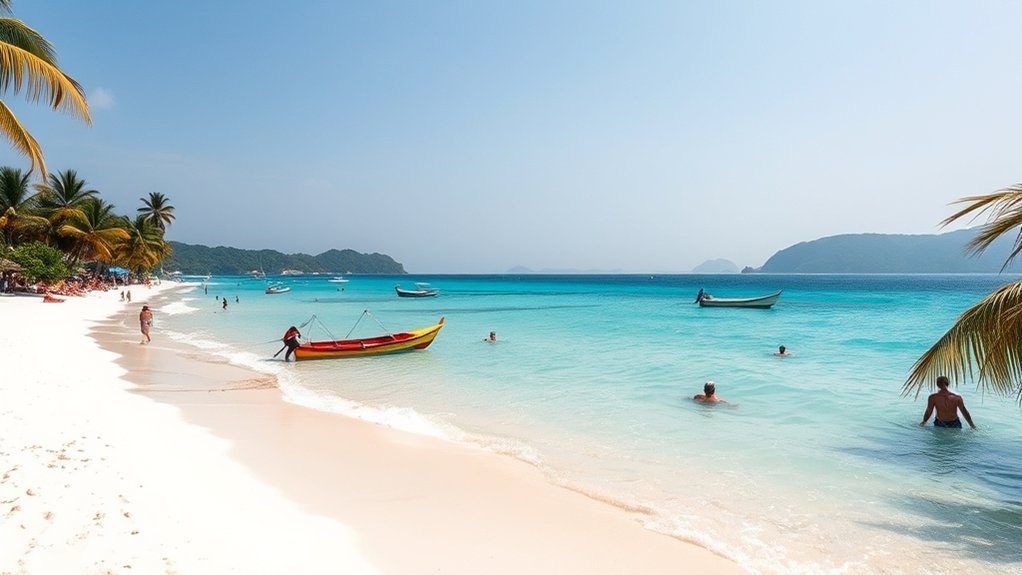
Boracay has warm beach weather throughout the year, but the experience changes sharply with the monsoon winds. For the best chance of calmer water, clearer skies, and dependable beach time, plan your trip during the core dry-season window from November through April. May and October can also work, but they are less predictable transition months.
Quick Answer
The best time to visit Boracay for dependable beach weather is November through April. White Beach is usually calmer and drier, while Bulabog Beach gets the Amihan winds favored by kiteboarders. Choose late November to February for milder heat, or March to April for hotter days and livelier holiday crowds.
Key Takeaways
- November through April is the most reliable period for swimming, sailing, sunsets, and general beach time.
- March through May is hotter and can overlap with Boracay’s seasonal green algae, or lumot.
- June through September has a greater chance of Habagat rain, rougher water on the White Beach side, and weather-related tour changes.
- May and October are transition months that may offer good value, but flexible plans are important.
- Christmas, New Year, Chinese New Year, and Holy Week can bring larger crowds and higher room rates even when the weather is excellent.
Disclosure: As an Amazon Associate I earn from qualifying purchases. Some links on this page are affiliate links, at no extra cost to you.
Best Time to Visit Boracay
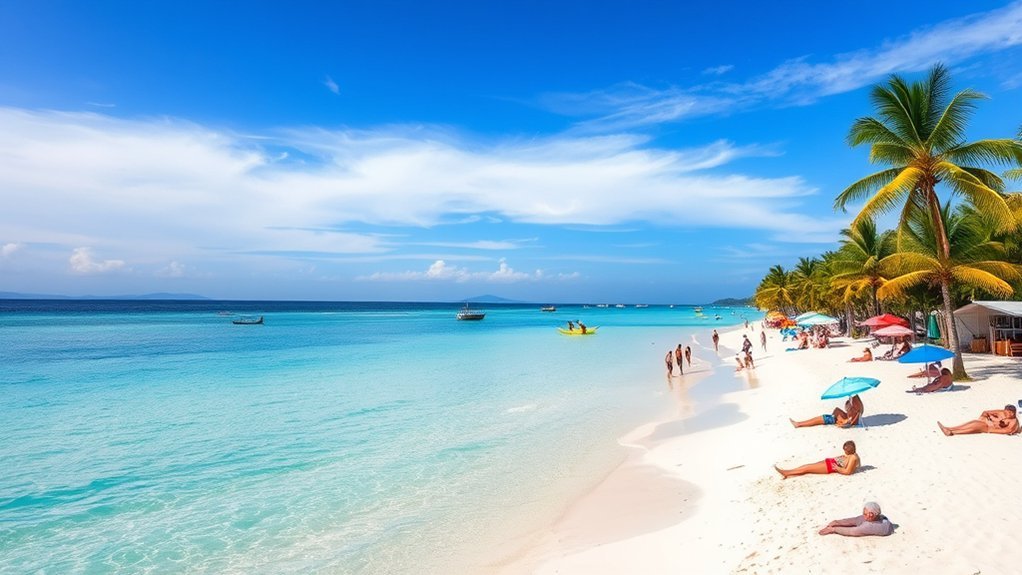
The best time to visit Boracay is usually November through April. This is the core dry-beach season, when White Beach commonly has calmer water, lower rain risk, and favorable conditions for swimming, paddleboarding, paraw sailing, and sunset walks.
The Philippines’ official tourism guides describe November through April as Boracay’s main dry-season beach window, although favorable warm and dry weather may continue into May. Monsoon start and end dates are not fixed calendar events, so treat May and October as transition months rather than guaranteed dry or wet periods. You can review the current seasonal guidance on the official Boracay tourism page.
For a balance of comfortable heat and generally good beach conditions, consider late November through February. March and April are excellent for sun seekers, but they are hotter and can become busy around school breaks and Holy Week. Early November or selected dates in May and October may cost less, but savings depend on holidays, events, and actual hotel demand.
For the most dependable all-around Boracay beach trip, choose a non-holiday date between late November and February.
Boracay Weather by Month
Boracay stays warm year-round. The bigger differences are rainfall, humidity, wind direction, sea conditions, and crowd levels. The table below is a planning guide based on typical seasonal patterns, not a promise of daily weather.
| Month | Typical Conditions | Crowds and Prices | Best For |
| January | Warm, breezy, and generally dry; White Beach is often calm. | Busy around New Year, then usually steadier. | Swimming, sailing, families, and kiteboarding at Bulabog. |
| February | Usually dry with bright days and steady Amihan winds. | Moderate to high; Chinese New Year can raise demand. | Balanced beach weather, water sports, and sunsets. |
| March | Hotter and mostly dry; lumot may begin appearing near parts of the shoreline. | High, especially near school breaks. | Sun seekers, nightlife, and long beach days. |
| April | Hot, bright, and commonly dry, with isolated thunderstorms still possible. | Very high around Holy Week. | Hot-weather beach trips and active nightlife. |
| May | Very warm transition weather; dry stretches and thunderstorms can both occur. | Often eases after major holidays, but rates vary. | Travelers who can tolerate heat and adjust plans around showers. |
| June to August | Greater Habagat influence, higher humidity, more rain, and rougher conditions on the western side. | Usually lower outside events and long weekends. | Value stays, quieter beaches, cafés, spas, and flexible itineraries. |
| September | Wet-season risk remains, with possible storms and disrupted boat activities. | Generally quieter. | Budget travelers who accept weather uncertainty. |
| October | Variable transition weather; conditions often improve as Habagat weakens. | Low to moderate, depending on weekends and events. | Shoulder-season value with flexible bookings. |
| November | Amihan conditions commonly return, bringing improving skies and calmer White Beach water. | Early dates may be quieter; demand builds later. | Good weather with fewer peak-holiday crowds. |
| December | Warm, breezy, and usually favorable for beach activities. | High around Christmas and New Year. | Festive trips, families, sailing, and nightlife. |
Note: Climate describes what is typical, not what will happen on your exact dates. Check the PAGASA tourist-area forecast shortly before departure.
Boracay Dry Season, November to April
From November through April, Boracay usually offers its most dependable combination of sunshine, lower rainfall risk, and manageable humidity. These months are best for travelers whose plans depend on swimming, sailing, snorkeling, diving, or spending long days outdoors.
This is also the busiest part of the year. Hotels near White Beach can fill quickly during Christmas, New Year, Chinese New Year, school breaks, and Holy Week. Book early if your dates overlap with a major holiday, but compare refundable rates because weather and travel plans can still change.
Amihan Weather Conditions
Amihan is the northeast monsoon. During this pattern, the eastern side of Boracay receives the stronger wind exposure, while the western White Beach side is commonly calmer. That difference is one reason Boracay can support two very different beach experiences at the same time.
- White Beach: Better suited to swimming, paddleboarding, paraw sailing, beach dining, and sunset views during typical Amihan conditions.
- Bulabog Beach: The island’s main kiteboarding and windsurfing area when the northeast winds are established.
- Puka and Diniwid: Quieter alternatives, although sea conditions and available shade vary.
PAGASA announces the start and end of each monsoon according to observed atmospheric conditions rather than a fixed annual date. In 2026, PAGASA declared the end of the northeast monsoon on March 23, followed by the warm and dry season. Isolated thunderstorms were still possible despite the broader dry pattern.
Best Dry Season Months
- Late November to February: Best overall balance of beach weather, manageable heat, and lower humidity.
- January to February: Strong choice for families, swimming, sailing, and Bulabog kiteboarding.
- March to April: Best for travelers who want hotter, brighter days and do not mind larger crowds.
- Early November: A possible shoulder-season choice before holiday demand builds, although weather and rates vary.
Pro Tip: For good weather without the biggest holiday crowds, compare non-weekend dates in late November, the second half of January, or February outside Chinese New Year.
Boracay Wet Season and Transition Months, May to October
May through October includes Boracay’s transition into and out of the wetter Habagat period. It should not be treated as six months of nonstop rain. Some days bring brief showers followed by sunshine, while an active monsoon or tropical system can produce repeated rain, strong wind, and rough water for several days.
May is often hot and can remain suitable for beach trips, but thunderstorms become more likely as the season changes. June through September generally carries the greatest weather risk. October may improve as the southwest monsoon weakens, though conditions remain variable.
Wet Season Weather
Habagat brings warm, moisture-rich winds from the southwest. PAGASA explains that these winds commonly bring rain to the western parts of the Philippines. Because White Beach faces west, it may experience more wind, waves, spray, and seaweed during active Habagat periods.
Rain does not always continue all day. PAGASA notes that monsoon breaks can last for days or even weeks. However, travelers should be prepared for:
- Heavy showers and thunderstorms
- Higher humidity
- Rougher sea conditions
- Reduced underwater visibility
- Delayed or canceled boat tours
- Possible tropical-cyclone or gale warnings
Warning: Do not board a boat or enter rough water when operators, lifeguards, the local government, or PAGASA advise against it. Check current tropical-cyclone bulletins and gale warnings during unsettled weather.
Low-Crowd Travel Perks
The wetter season can suit travelers who value lower demand more than guaranteed sunshine. Depending on events and availability, you may find better room rates, shorter restaurant waits, quieter stretches of sand, and easier access to popular spas and cafés.
Good-weather windows can still support swimming, paddleboarding, diving, and island tours. Keep at least one open day in your itinerary so an outdoor activity can be moved if conditions change.
Rainy-Day Activities in Boracay
- Book a massage or spa treatment.
- Explore cafés and restaurants away from the beachfront.
- Visit D’Mall and nearby shops.
- Join an indoor fitness, yoga, or wellness session.
- Use a covered e-trike for a food tour or island drive when roads are safe.
- Move boat-based activities to the clearest forecast day.
Lumot Season in Boracay
Lumot is the local term commonly used for the green algae that can collect along parts of Boracay’s shoreline. It is most often noticed during the hotter late-dry-season months, commonly around March through May, but its timing and thickness vary by year, tide, wind, location, and water conditions.
One section of White Beach may have visible algae while another looks clearer. Puka, Diniwid, or a different station may offer a cleaner shoreline on the same day, but conditions can change quickly.
Do not use the algae alone as proof that the water is either safe or unsafe. Follow posted notices, lifeguard instructions, and local water-quality advisories. Stay out of the water during a closure, thunderstorm, strong-current warning, or when the water has an unusual odor or causes eye or skin irritation.
Best Boracay Activities by Season
Best Activities During Amihan
- Swimming and paddleboarding at White Beach
- Sunset paraw sailing
- Kiteboarding and windsurfing at Bulabog Beach
- Island hopping during favorable marine conditions
- Snorkeling and diving when visibility is good
- Beach walks, outdoor dining, and sunset photography
Best Activities During Habagat
- Swimming during calm, officially permitted conditions
- Dining, cafés, spas, and wellness activities
- Flexible diving or island tours on suitable forecast days
- Quieter stays at Puka, Diniwid, Station 3, or inland resorts
- Lower-demand trips built around relaxation rather than a fixed activity schedule
Where to Stay in Boracay
Your best area depends on whether you value quiet, nightlife, beach width, or lower prices.
- Station 1: Known for a wider section of White Beach, upscale resorts, and a quieter atmosphere. It suits couples, families, and travelers who prioritize beachfront space.
- Station 2: The commercial center near D’Mall, restaurants, activities, and nightlife. It is convenient but normally busier and noisier.
- Station 3: Often quieter and more budget-friendly, with a slower atmosphere and easy access to the southern end of White Beach.
- Bulabog Beach: Convenient for kiteboarders and travelers who prefer the eastern side, though conditions differ sharply by season.
- Station Zero and northern Boracay: More secluded resort areas that suit travelers who do not need to walk to Station 2 each day.
The Lind Boracay, Coast Boracay Island, and Astoria Current are examples of properties associated with different parts of the White Beach area. Prices, amenities, and status can change, so confirm the property’s current details and check the Province of Aklan’s authorized accommodation list before paying a nonrefundable rate.
Boracay Booking Tips and Travel Basics
Book early when traveling during Christmas, New Year, Chinese New Year, Holy Week, school breaks, or major island events. Compare direct hotel and airline prices with platforms such as Booking.com and Skyscanner, but review cancellation terms before choosing the lowest rate.
For transition or wet-season travel, a refundable room and changeable flight may be worth more than a small upfront discount. Boat activities are particularly vulnerable to wind, thunderstorms, and marine warnings.
How to Get to Boracay
Boracay does not have an airport on the island. Most visitors arrive through one of two gateways:
- Caticlan Airport, also called Godofredo P. Ramos Airport: The nearest and fastest gateway. From the airport, take local transport to Caticlan Jetty Port, cross by boat, and continue by local transport to your accommodation.
- Kalibo International Airport: Flights may cost less, but the airport is farther away. Allow additional time for the road transfer to Caticlan before the boat crossing.
Private transfer packages may combine the airport pickup, port processing, boat, and island transfer. Compare the package total with the public route and check what fees are included.
Boracay Port Fees and Documents
The local crossing can involve a boat fare, passenger-terminal fees, and an environmental fee. These charges can vary by passenger category and government policy, so avoid relying on an old fixed total.
Note: Check the Province of Aklan’s official Boracay iPass for the current terminal fee, environmental fee, boat fare, payment process, and applicable exemptions.
Carry a valid ID and keep your accommodation confirmation available. Local documentary requirements can change, so verify them through Aklan Province or your confirmed accommodation shortly before travel.
International travelers entering the Philippines should also review the national eTravel requirements. Eligible arriving passengers must register or update their information within 72 hours before arrival. The official registration is free.
What to Pack for Boracay
- For any season: Breathable clothing, swimwear, a reusable water bottle, sun hat, sunglasses, personal medicine, insect repellent, and a small amount of cash.
- For the dry season: Strong sun protection, a light cover-up, and footwear that remains comfortable on hot paths.
- For the wet season: A lightweight rain jacket, quick-dry clothing, waterproof phone pouch, dry bag, and sandals with secure grip.
- For boat trips: Only essential valuables, sun protection, drinking water, and any motion-sickness medicine you normally use.
Frequently Asked Questions
What are the months to avoid in Boracay?
There is no single month everyone must avoid. Choose another period if dependable sunshine is essential and your dates fall between June and September, when Habagat rain and rougher seas are more likely. Avoid Christmas, New Year, Chinese New Year, and Holy Week instead if your main concern is crowds and high prices.
How long does algae season last in Boracay?
Lumot is most commonly noticed during the hotter late-dry-season period, often around March through May. It does not follow an exact four-month schedule, and the amount can vary by tide, wind, shoreline, and year.
What is the best season to go to Boracay?
November through April is the best all-around season for most visitors. It offers the strongest chance of favorable beach weather, calmer water at White Beach, and dependable access to outdoor activities.
Is it still safe to swim during lumot season?
Visible lumot does not by itself confirm whether the water is safe. Swim only where entry is allowed, follow lifeguards and posted advisories, and stay out during closures, thunderstorms, strong currents, rough surf, or unusual water conditions.
Is May a good time to visit Boracay?
May can be a good choice if you are comfortable with strong heat and some weather uncertainty. Long sunny periods are possible, but thunderstorms become more likely as Boracay moves toward the wetter season. Lumot may also be visible along parts of White Beach.
Which Boracay beach is best for kiteboarding?
Bulabog Beach is Boracay’s main kiteboarding and windsurfing area during established Amihan conditions. White Beach, on the opposite side of the island, is generally the calmer choice for swimming during the same season.
Conclusion
For the best combination of sunshine, manageable humidity, and dependable beach conditions, visit Boracay between November and April. Late November through February offers the strongest all-around balance, while March and April suit travelers who prefer hotter weather and a livelier atmosphere.
May and October can deliver good shoulder-season value, but flexible bookings are important. From June through September, expect a greater chance of rain, rougher water, and changes to boat activities. Whatever month you choose, check the current PAGASA forecast, verify port fees through Aklan Province, and follow local swimming and marine advisories.
Sources
- Philippines Department of Tourism: Boracay — seasonal conditions, White Beach and Bulabog differences, arrival routes, and general trip planning.
- DOST-PAGASA Climate Advisories — official descriptions of Amihan, Habagat, and Philippine seasonal weather.
- DOST-PAGASA: Start of the Southwest Monsoon, May 30, 2026 — current example of Habagat onset, rain risk, and monsoon breaks.
- Environmental Management Bureau: Green Algae in Boracay — seasonal algae context and environmental factors.
- Province of Aklan: Boracay iPass — current boat fare, terminal fee, environmental fee, and payment guidance.
- Philippine eTravel Frequently Asked Questions — official international arrival registration requirements and the 72-hour registration window.
