
Last Updated on September 11, 2026 by Daniel Globe
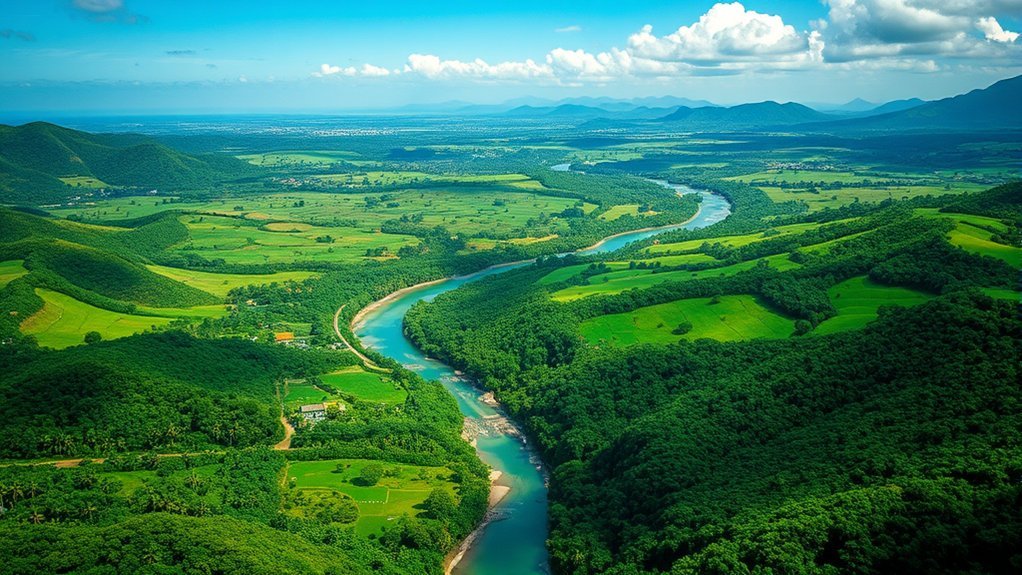
Lāwaʻi gives you access to botanical gardens, south-shore scenery, local food, and a small snorkeling beach near Kōloa and Poʻipū. However, the name can be confusing. Inland Lawai town is separate from many attractions along Lāwaʻi Road and in Lāwaʻi Valley. This guide explains the difference and helps you plan a safe, practical visit.
Quick Answer
The best things to do around Lāwaʻi include touring Allerton and McBryde Gardens, viewing Spouting Horn, visiting Lawai Beach when the ocean is calm, dining near Kōloa or Poʻipū, and exploring nearby Poʻipū Beach. Reserve garden tours early and check current surf conditions before entering the water.
Key Takeaways
- Many attractions described as being in Lāwaʻi are actually along Kauaʻi’s south shore near Kōloa and Poʻipū.
- Allerton Garden requires reservations, while McBryde Garden recommends them because tours can sell out.
- Lawai Beach is not lifeguarded, so enter only during calm conditions that match your swimming ability.
- A rental car offers the most flexibility, but Kauaʻi Bus Route 30 serves the Kōloa area on scheduled service days.
- Spouting Horn, Poʻipū Beach, Old Kōloa Town, and local dining can easily be combined with a garden visit.
Disclosure: As an Amazon Associate I earn from qualifying purchases. Some links on this page are affiliate links, at no extra cost to you.
Discovering the Natural Wonders of Lāwaʻi
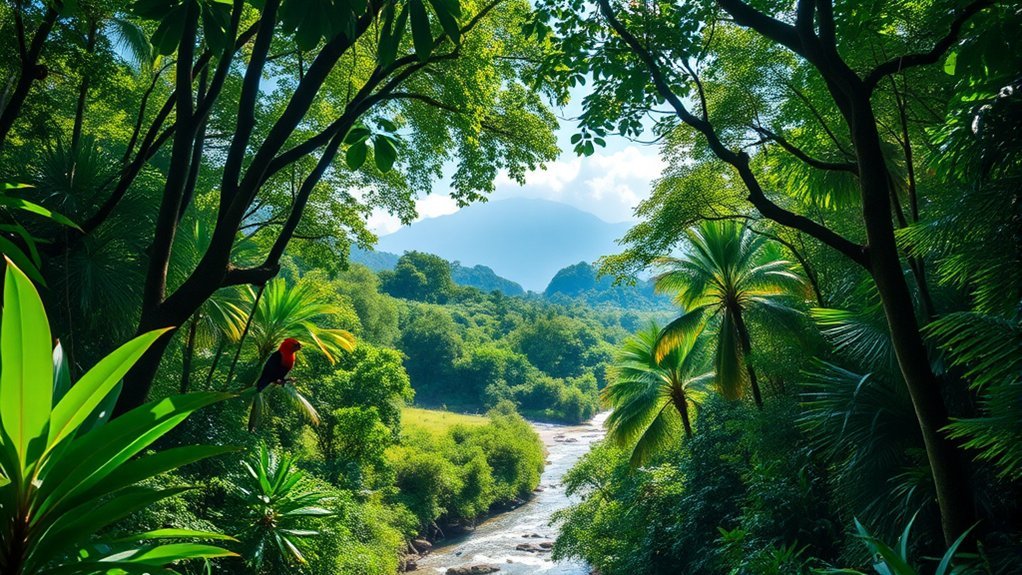
The first step is understanding what “Lāwaʻi” means in a travel guide. Lawai is an inland community, while Lawai Beach, Lāwaʻi Road, Lāwaʻi Valley, and the main garden visitor center are closer to Kōloa and Poʻipū on Kauaʻi’s south shore.
Note: The Lāwaʻi Gardens Visitor Center is at 4425 Lāwaʻi Road in Kōloa. It is the check-in point for Allerton and McBryde Garden experiences and is located across from Spouting Horn.
The area’s strongest nature attractions are its protected plant collections, coastal views, and marine environment. You can:
- See native Hawaiian plants and rare tropical species at McBryde Garden.
- Walk through designed garden rooms, water features, and mature tropical landscapes at Allerton Garden.
- Watch waves and marine life from the shoreline near Lawai Beach.
- Visit Spouting Horn, where waves force water and air through a natural lava formation.
- Look for native and migratory birds without approaching nests or disturbing wildlife.
Lāwaʻi is better known for garden walks and coastal sightseeing than for major hiking trails. For a longer hike, use an established public trail elsewhere on Kauaʻi and confirm weather, access, and permit requirements before leaving. Waimea Canyon and Kōkeʻe offer major hiking opportunities, but they require a separate drive and should not be treated as Lawai-area stops.
Snorkeling Adventures at Lawai Beach
Lawai Beach is a small south-shore beach beside the Beach House area. Its reef can attract colorful fish and occasional sea turtles, but wildlife sightings are never guaranteed. The shore has limited sand, rocky sections, and changing water movement, so it is not suitable for every swimmer or every day.
Do not rely on a fixed age or estimated water depth to decide whether snorkeling is safe. Swimming experience, health, surf, currents, visibility, tide, entry conditions, and the ability to return to shore all matter.
Warning: Lawai Beach is not listed as a lifeguarded beach. Do not enter during high surf, strong currents, poor visibility, exhaustion, illness, or uncertain conditions. Snorkel with a capable buddy, remain close to a safe exit, and choose lifeguarded Poʻipū Beach when you need a more protected option.
| Go Only When | What You May See | Safety Check |
|---|---|---|
| The water is calm, clear, and within your ability. | Reef fish and coral habitat. | Check the current surf forecast and posted warnings. |
| You have a capable buddy and can swim comfortably in open water. | Occasional sea turtles or other marine life. | Identify a safe entry and exit before going offshore. |
| Surf and currents remain low throughout your visit. | A changing reef environment with no sighting guarantees. | Stay out if conditions begin to worsen. |
South-facing beaches can receive powerful south swells, especially during warmer months, but unsafe conditions can develop during any season. Check the National Weather Service surf forecast on the day of your visit. You can also review Hawaii’s current list of lifeguarded beaches.
Never chase, feed, surround, or touch marine animals. Avoid standing on coral, keep your fins away from the reef, and take all trash with you. These habits protect both you and the marine environment.
Explore McBryde and Allerton Gardens
McBryde and Allerton Gardens sit beside each other in Lāwaʻi Valley, but they offer different experiences. Both begin at the Lāwaʻi Gardens Visitor Center, and access into the gardens includes a shuttle ride.
| Garden | Best For | Visit Style | Booking |
|---|---|---|---|
| Allerton Garden | Landscape design, history, water features, large trees, and film backdrops. | Guided experiences. | Reservations are required and tours may sell out. |
| McBryde Garden | Native Hawaiian plants, conservation, breadfruit, and culturally important canoe plants. | Self-guided and scheduled tour options. | Reservations are encouraged because availability can fill in advance. |
| Combined experience | Visitors who want highlights from both gardens in one visit. | The scheduled “Best of Both Worlds” experience. | Reserve early and confirm the current duration before planning the rest of your day. |
Wear closed-toe shoes or secure hiking sandals with straps over the toes and ankles. Bring water, sun protection, and rain protection because weather can change within the valley. Some experiences involve uneven paths, steps, heat, and extended walking.
Pro Tip: Choose the garden based on your interests instead of trying to rush through both. Allerton is stronger for designed landscapes and history, while McBryde is the better fit for plant conservation and native Hawaiian flora. Contact NTBG before booking if anyone in your group has mobility concerns.
Other Things to Do Near Lāwaʻi
See Spouting Horn
Spouting Horn is across from the garden visitor center. Waves enter a lava opening and force water and air upward. Remain behind barriers, keep away from wet rocks, and never approach the blowhole opening.
Visit Poʻipū Beach
Poʻipū Beach is a useful alternative when Lawai Beach does not match your group’s ability. It appears on Hawaii Ocean Safety’s list of lifeguarded Kauaʻi beaches. Conditions can still be hazardous, so speak with a lifeguard and follow all posted warnings before entering.
Walk Through Old Kōloa Town
Old Kōloa Town offers shops, cafés, local food, and a chance to learn about the area’s plantation history. It is a convenient meal or shopping stop between the main highway and the Poʻipū coastline.
Plan Separate Kauaʻi Excursions
Waimea Canyon and the Nāpali Coast are highlights of Kauaʻi, but they are not quick Lawai-area attractions. Waimea Canyon requires a separate drive, while Nāpali Coast boat trips leave from designated harbors and depend on marine conditions. Confirm the departure location and total travel time before booking.
An audio driving tour can add context to a road trip, but it should not replace current road signs, closure notices, official weather information, or ocean-safety guidance.
Where to Find Local Food Near Lāwaʻi
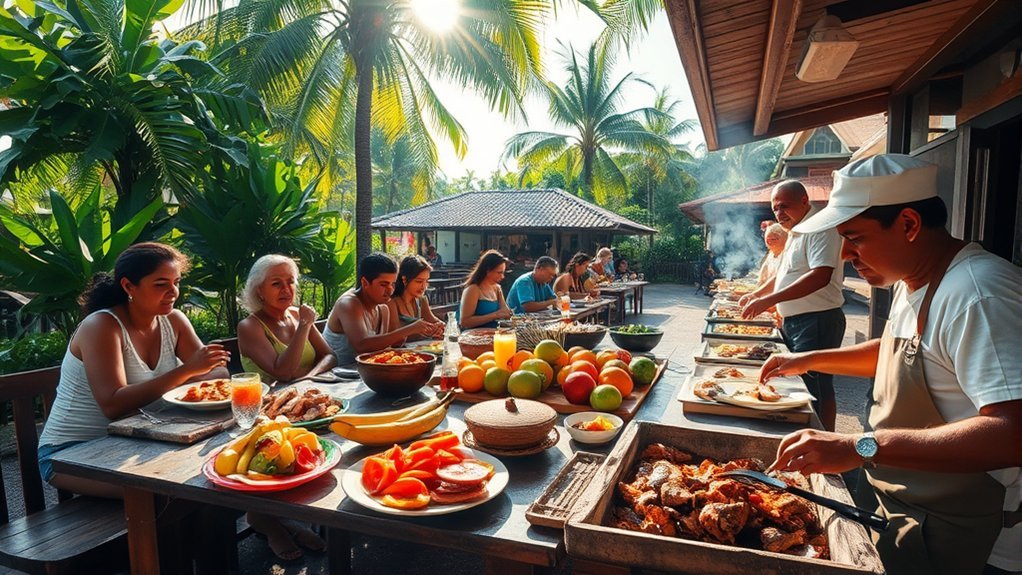
The Lāwaʻi, Kōloa, and Poʻipū area offers a mix of oceanfront dining, plate lunches, seafood, cafés, and casual takeout. Instead of limiting your search to inland Lawai, look across the wider south-shore area.
The Beach House, at 5022 Lawai Road, is known for its oceanfront setting. Sunset reservations can be popular, so check current hours, menus, dress expectations, and reservation availability directly with the restaurant.
Old Kōloa Town and Poʻipū provide additional choices for plate lunches, fresh fish, shave ice, coffee, and quick meals. Farmers markets, craft markets, and temporary food vendors may also operate around the island, but dates and locations change. Confirm the current schedule before making a special trip.
Supporting locally owned restaurants and shops can keep more visitor spending in the community. Be patient during busy periods, respect closing times, and avoid blocking private driveways while looking for parking.
A Practical One-Day Lāwaʻi Itinerary
Morning: Visit One or Both Gardens
Check in at the Lāwaʻi Gardens Visitor Center for your reserved experience. Allow extra time for parking, check-in, the shuttle, walking, and browsing the visitor center.
Midday: Stop at Spouting Horn and Eat Lunch
Visit Spouting Horn after returning from the garden. Continue to Kōloa or Poʻipū for lunch, depending on your next activity and parking availability.
Afternoon: Choose the Beach Based on Conditions
Go to Lawai Beach only when the water is calm and your group has suitable open-water experience. Choose lifeguarded Poʻipū Beach, a shoreline walk, or another land activity when conditions are uncertain.
Evening: Dinner or a South-Shore Sunset
Finish with dinner near Poʻipū or Kōloa. Arrive early for sunset viewpoints, park only in legal spaces, and stay back from wet rocks and breaking waves.
Travel Tips and Transportation
Getting Around
A rental car is the easiest option if you plan to combine the gardens, beaches, Kōloa, Poʻipū, and attractions elsewhere on Kauaʻi. It gives you more flexibility when weather or ocean conditions force a change of plan.
Public transportation is available but limited. Kauaʻi County publishes Route 30 for the Kōloa area. The current schedule states that there is no Sunday bus service. Routes, stops, and times can change, so confirm the latest schedule before relying on the bus.
Driving to the South-Shore Attractions
From the Līhuʻe area, a common route follows Kaumualiʻi Highway, Highway 50, west to Maluhia Road, Highway 520, toward Kōloa. From Kōloa, follow current road signs toward Poʻipū Road and Lāwaʻi Road. Use live directions because roadwork, weather, and closures may affect the route.
Parking
Parking near Lawai Beach can be limited. Obey posted time limits and no-parking signs, and do not block residences, driveways, or emergency access. Do not assume that nearby restaurant or business spaces are public beach parking unless signs clearly permit it.
When to Visit
Kauaʻi can be visited throughout the year. April through June and September through November are often described as shoulder periods, but lower crowds, cheaper rooms, dry weather, and calm seas are never guaranteed. Choose dates based on your budget and activities, then check the daily forecast during your trip.
For gardens and sightseeing, morning visits often provide cooler walking conditions. For snorkeling, the best time is the time when the ocean is calm, visibility is good, and conditions match your ability, regardless of the month.
What to Bring
- Secure closed-toe shoes or strapped hiking sandals for the gardens.
- Water and sun protection.
- A light rain layer.
- A charged phone and offline directions.
- Snorkeling equipment only when you have the skill and conditions are safe.
- A reusable bag for your belongings and trash.
Travel Respectfully
Remain on marked public paths, respect private property, obey closures, and do not enter culturally sensitive places without permission. Learn about local customs, pronounce place names thoughtfully, support community businesses, and follow responsible travel guidance for Hawaiʻi.
Frequently Asked Questions
What should you not miss on Kauaʻi?
Near Lāwaʻi, do not miss Allerton or McBryde Garden, Spouting Horn, and the Poʻipū coastline. For a longer island trip, consider separate visits to Waimea Canyon and the Nāpali Coast. Leave enough time for driving and do not try to fit every major attraction into one day.
What is the leading cause of death in Kauaʻi?
Current public Hawaii Department of Health information identifies heart disease as the leading cause of death statewide from 2019 through 2023. However, the available current Kauaʻi County vital-statistics summaries do not establish a county-specific cause ranking, so it is more accurate to describe heart disease as the statewide leader rather than make an unsupported current claim for Kauaʻi alone.
What is Lāwaʻi known for?
The visitor area associated with Lāwaʻi is best known for Allerton and McBryde Gardens, Lāwaʻi Valley, Lawai Beach, Spouting Horn, tropical plant conservation, south-shore scenery, and its proximity to Kōloa and Poʻipū.
What do visitors often wish they knew before going to Hawaiʻi?
Visitors often wish they had planned for changing weather, powerful ocean conditions, limited parking, advance reservations, and longer driving times. Learning local etiquette, respecting sacred and private places, and choosing activities based on current conditions can improve the trip.
Is Lawai Beach good for beginner snorkelers?
It should not be treated as an automatic beginner beach. It has no listed lifeguard protection, limited sand, reef and rock hazards, and conditions that can change quickly. Beginners, children, and weaker swimmers should consider a lifeguarded beach and ask the lifeguard about current conditions.
Do you need reservations for Allerton and McBryde Gardens?
Allerton Garden requires reservations. McBryde Garden encourages reservations because tours may sell out. Both gardens use shuttle transportation from the Lāwaʻi Gardens Visitor Center, so arrive in time for check-in.
Can you visit Lāwaʻi without renting a car?
It is possible to use buses, taxis, rideshare services, tours, or hotel transportation for parts of the trip. However, a car provides greater flexibility. Kauaʻi Bus Route 30 serves the Kōloa area, but schedules are limited and the current published timetable states there is no Sunday service.
Conclusion
Lāwaʻi offers a rewarding mix of botanical gardens, coastal scenery, local food, and nearby south-shore attractions. The strongest visit begins with an accurate plan: understand the difference between inland Lawai and the Lāwaʻi Road area, reserve the right garden experience, and choose beach activities according to current conditions.
Spend time at McBryde or Allerton Garden, stop at Spouting Horn, eat near Kōloa or Poʻipū, and enter Lawai Beach only when the ocean matches your ability. A flexible schedule will help you enjoy the area without rushing or taking unnecessary risks.
Sources
- National Tropical Botanical Garden Visitor Information — visitor-center location, check-in information, and garden access.
- Allerton Garden — reservations, guided experiences, shuttle access, footwear, and visitor details.
- McBryde Garden — plant collections, tour choices, reservations, shuttle access, and footwear.
- Hawaii Ocean Safety Lifeguarded Beaches — current Kauaʻi lifeguard locations and general hazard ratings.
- National Weather Service Hawaii Surf Forecast — current surf direction, height, advisories, and changing coastal conditions.
- Kauaʻi County Bus Schedules — Route 30 information and current service limitations.
