Last Updated on September 10, 2026 by Daniel Globe
Oboz hiking shoes have built a loyal following among hikers who prefer supportive footwear, structured footbeds, durable trail construction, and a secure fit. The Bozeman, Montana-based company says its first pair was sold in 2007, and its name comes from “Outside + Bozeman.” Today, the range covers everything from traditional leather hiking shoes to lighter fast-hiking models, with both waterproof and non-waterproof choices.
Quick Answer
Yes, Oboz hiking shoes are a strong choice for hikers who value support, a secure heel, durable construction, and trail-focused traction. Models vary considerably, though: Sawtooth X suits versatile hiking, Bridger favors rugged trails and backpacking, while Katabatic LT targets hikers who want a lighter, faster feel.
Key Takeaways
- Oboz is best known for supportive hiking footwear with a snug heel, sculpted midfoot, and relatively generous forefoot on many current models.
- Waterproofing varies by collection. Many Sawtooth X and Bridger models use B-DRY, while current Katabatic LT waterproof models use GORE-TEX Invisible Fit.
- Outsoles also vary. Bridger models use the Granite Peak platform, while current Sawtooth X models use Trail Tread HD traction.
- Waterproof Oboz shoes are useful in mud, rain, slush, and wet vegetation, but non-waterproof models are usually cooler and faster-drying in warm conditions.
- Oboz is worth considering for hikers who like noticeable arch and underfoot support, but hikers who prefer minimalist, very soft, or extremely lightweight footwear may prefer another design.
Disclosure: As an Amazon Associate I earn from qualifying purchases. Some links on this page are affiliate links, at no extra cost to you.
Features and Technology of Oboz Hiking Shoes
There is no single construction shared by every Oboz hiking shoe. The company changes the cushioning, outsole, upper, and waterproof system according to the intended use of each collection. That makes choosing the right model more important than simply choosing the Oboz brand.
O FIT Insoles and Underfoot Support
Many current Oboz models use an O FIT Insole. In the Sawtooth X Low Waterproof, for example, Oboz specifies a triple-density EVA footbed with heel and forefoot cushioning, a molded shell, a deep heel cup, and medium-to-high arch support.
That structured feel is one of the biggest differences between Oboz and softer hiking shoes. Some hikers appreciate the extra support immediately; others may find a firm arch more noticeable than they prefer.
B-DRY and GORE-TEX Waterproofing
Oboz still uses its proprietary B-DRY system on major models including Sawtooth X and Bridger. The membrane is designed to block outside moisture while allowing water vapor from perspiration to escape.
However, B-DRY is no longer the only waterproof system in the range. Current Katabatic LT GTX Waterproof models use GORE-TEX Invisible Fit. Older articles or listings may also mention eVent, but shoppers should check the specification of the exact current model rather than assuming all Oboz waterproof shoes use the same membrane.
Note: Waterproof does not mean water can never reach your socks. Water can enter over the collar, and perspiration can make the inside feel damp. Oboz also notes that a saturated outer fabric can reduce breathability and create a “false leaking” sensation.
Traction Systems Vary by Model
The original idea that all Oboz shoes rely on a Granite Peak outsole is too broad. The Bridger Mid Waterproof uses Oboz’s Granite Peak outsole and a TPU chassis, while the current Sawtooth X Low Waterproof uses Trail Tread HD rubber. Current Katabatic LT models also use Trail Tread HD in a lighter platform.
Current Oboz Hiking Shoe Models at a Glance
| Model | Best Fit for | Waterproof System | Key Character |
|---|---|---|---|
| Sawtooth X Low Waterproof | Day hikes and varied terrain | B-DRY | Supportive, versatile, substantial low hiking shoe |
| Bridger Mid Waterproof | Longer hikes, backpacking, rocky trails | B-DRY | More protective platform with Granite Peak outsole and TPU chassis |
| Katabatic LT Low GTX Waterproof | Fast day hikes and lightweight backpacking | GORE-TEX Invisible Fit | Lighter, more athletic construction |
Older Oboz listings may still reference models such as the Sawtooth Low, Sawtooth II, or Sapphire Low Waterproof. Product availability changes, so compare an older review with Oboz’s current specifications before assuming that the same model, fit, or materials are still being sold.
Durability and Quality of Oboz Hiking Shoes
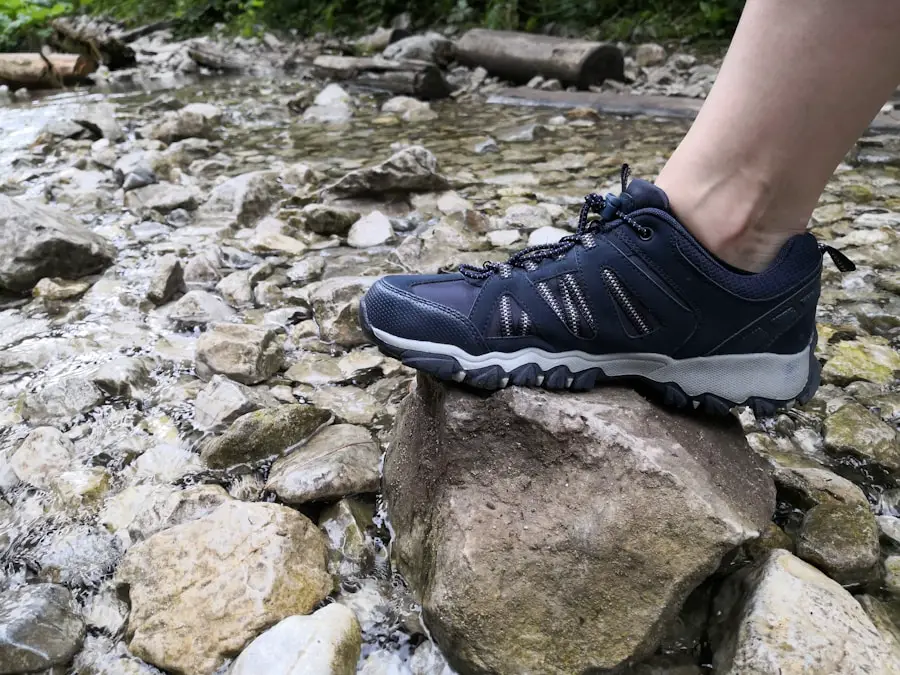
Durability is one of the areas where Oboz puts noticeable emphasis on material choice. More traditional models use substantial leather, abrasion-resistant textile panels, toe protection, and relatively structured midsoles rather than chasing the lowest possible weight.
The exact construction varies. Sawtooth X combines leather and synthetic materials, while newer lightweight families such as Katabatic rely more heavily on performance textiles and lower-weight cushioning systems. That means a heavy-duty Bridger should not be expected to feel the same as a fast-hiking Katabatic.
It is impossible to give every pair a meaningful universal mileage figure because shoe life depends on the hiker’s weight, gait, terrain, frequency of use, storage, moisture exposure, and care. Tread wear, compressed cushioning, torn uppers, separation, or a loss of stable support are more useful replacement signals than an arbitrary mileage number.
Sustainability and Materials
Oboz’s sustainability claims are now more specific than simply saying the company uses some recycled materials. According to its Preferred Materials program, products carrying the Oboz Preferred Materials label contain at least 20% environmentally preferred materials by weight. The company says it is working toward that benchmark across its footwear range by the end of 2026.
Oboz also states that it buys its leather from Leather Working Group Gold-certified suppliers and uses recycled-content requirements for several synthetic materials, linings, laces, rubber components, and packaging.
Oboz reports that a tree has been planted for every pair sold since its first pair in 2007, totaling well over seven million trees.
Comfort and Fit of Oboz Hiking Shoes
Comfort is highly personal, so fixed star ratings do not tell you whether an Oboz shoe will work for your feet. A better starting point is the shape Oboz intentionally builds into its footwear.
Oboz describes its general footwear DNA as a narrower, secure heel, a sculpted midfoot, and a wider forefoot. Current Sawtooth X fit notes similarly describe a form-hugging heel, sculpted midfoot, and generous forefoot and toe box.
That shape can work particularly well for someone whose heel slips in loose hiking shoes but who still wants room around the toes. It can be less comfortable for a person who dislikes noticeable arch support or needs more volume through the midfoot.
Are Oboz Hiking Shoes True to Size?
Some current Oboz product pages, including Sawtooth X, state that length runs true to size. That should not be interpreted as a guarantee that every Oboz model fits every foot in the same numerical size. Oboz itself notes that patterns and materials can change how an individual model fits.
When trying them on, wear the hiking socks you normally use. Your heel should stay secure without painful pressure, your midfoot should feel held rather than squeezed, and your toes should have enough room to avoid hitting the front of the shoe on descents.
Oboz offers wide versions of several popular styles. On the men’s Sawtooth X Low Waterproof, for example, the wide version expands the forefoot while retaining a relatively secure heel.
Pro Tip: Test new hiking shoes on stairs or an incline before taking them on a long trip. Your toes should not strike the front while descending, and your heel should not repeatedly lift while climbing.
Do Oboz Shoes Need a Break-In Period?
Break-in time varies. Softer and lighter Oboz models may feel comfortable immediately, while leather-heavy or more protective shoes can feel firmer at first. A short break-in can soften materials and help the shoe conform slightly to your foot, but it should not be used to fix the wrong size.
Sharp pressure, numbness, repeated rubbing, crushed toes, or significant heel movement are fit problems rather than normal break-in symptoms.
Performance and Traction of Oboz Hiking Shoes
Oboz designs its hiking outsoles for dirt, rock, mud, roots, and other variable trail surfaces, but traction performance depends on the specific model and conditions.
The Bridger’s Granite Peak outsole is paired with a structured chassis for rugged hiking and backpacking. Sawtooth X uses a different Trail Tread HD system aimed at broad trail versatility. Lightweight Katabatic models use a more athletic platform designed for faster movement.
This model-specific approach is more useful than saying one Oboz outsole is automatically superior to every competitor. Mud depth, rubber compound, lug geometry, loose gravel, wet roots, polished rock, snow, ice, and the wear level of the outsole can all change grip.
Warning: No hiking shoe is slip-proof. Slow down on wet rock, roots, ice, steep loose surfaces, and worn trail structures even when your footwear has an aggressive outsole.
Waterproof vs. Non-Waterproof Oboz Hiking Shoes
A waterproof version is not automatically the better version. It depends on where and when you hike.
Waterproof Oboz footwear makes sense for cold rain, muddy trails, wet grass, shallow puddles, lingering snow, and similar conditions. The membrane helps prevent outside water from reaching the foot while still allowing some moisture vapor to escape.
The tradeoff is airflow. In its own waterproof-versus-non-waterproof guide, Oboz notes that waterproof footwear can run warmer and may be somewhat heavier. Non-waterproof shoes generally offer more airflow and can dry faster after being fully soaked.
For hot and mostly dry summer hiking, a breathable non-waterproof shoe can therefore be the more comfortable choice. For cold, wet, muddy conditions, waterproof protection usually has more value.
Customer Reviews and Feedback on Oboz Hiking Shoes
Customer ratings can help identify recurring fit themes, but they should not be treated as permanent product specifications. Scores change by retailer, model, color, width, and review date, which is why an unsourced claim such as “4.8 out of 5 for comfort” is not very useful over the life of an evergreen article.
Fit comments also appear contradictory because feet are different. One hiker may describe the structured arch as exceptionally supportive while another considers it too firm. A wide forefoot may feel roomy to one person and restrictive to someone who needs additional midfoot volume.
Independent testing provides useful context. In a May 6, 2026 test of the Sawtooth X Low Waterproof, OutdoorGearLab characterized the shoe as rugged, stable, supportive, and capable across varied trails, while also noting that competing shoes performed better in some individual areas. That is a more realistic way to view Oboz: strong in several areas, but not automatically best for every hiker.
Comparison With Other Hiking Shoe Brands
Oboz competes with brands such as Merrell and Salomon, but the differences are better understood as design priorities rather than a simple ranking.
| Example | Design Emphasis | Traction / Support System | Consider It If… |
|---|---|---|---|
| Oboz Sawtooth X | Structured, supportive trail shoe | Trail Tread HD plus structured O FIT footbed | You prefer noticeable support and a secure heel |
| Merrell Moab 3 | Traditional all-purpose hiking comfort | Vibram TC5+ outsole and molded arch shank | You want a long-established general-purpose hiking design |
| Salomon X Ultra 5 | More agile technical hiking feel | Contagrip, Advanced Chassis, and Quicklace | You prioritize a lighter, quicker trail feel and secure lacing |
Merrell’s current Moab 3 uses a Vibram TC5+ outsole, while Salomon’s current X Ultra 5 combines an All-Terrain Contagrip outsole with its Advanced Chassis support system. Those are capable alternatives, and the best choice comes down to foot shape, cushioning preference, terrain, weight, and fit.
Which Oboz Hiking Shoe Should You Choose?
Choose Sawtooth X for Versatile Day Hiking
The Sawtooth X is the logical starting point for hikers who want a traditional low or mid hiking shoe with substantial support and enough protection for varied trails. Waterproof and non-waterproof versions are available.
Choose Bridger for Rougher Terrain and Backpacking
The Bridger line is more rugged and structured. Its Granite Peak outsole, protective construction, and chassis make it better suited to longer hikes, backpacking, rocks, roots, and rough terrain where underfoot protection matters more than minimum weight.
Choose Katabatic LT for Faster, Lighter Hiking
Katabatic LT is aimed at hikers who want Oboz fit and support in a more athletic package. Current men’s Katabatic LT Low models are substantially lighter than the leather-heavy Sawtooth X or Bridger, and waterproof GTX versions are available.
Note: Hikers who dislike firm arch support, prefer zero-drop or minimalist footwear, or want the lightest possible trail shoe should try Oboz in person before committing. The brand’s traditionally supportive feel is an advantage only when it matches your foot and hiking style.
How to Care for Oboz Hiking Shoes
Good care can slow material wear and help waterproof footwear continue performing as intended. Oboz’s current product-care instructions recommend removing mud and dirt regularly and thoroughly cleaning footwear several times during the season.
- Brush or rinse away dirt and mud after dirty hikes.
- Remove the laces and insoles before a thorough cleaning.
- Avoid petroleum products, harsh solvents, and strong detergents.
- Do not put Oboz footwear in a washing machine or clothes dryer.
- Air-dry footwear completely rather than using high direct heat.
- Restore the water-repellent treatment when the outer material begins absorbing water instead of shedding it.
Oboz recommends treating its footwear approximately once per season when needed. Even a shoe with a waterproof membrane benefits from maintaining the water-repellent outer surface because a soaked exterior can reduce breathability.
Pro Tip: After a wet hike, remove the insoles, loosen the laces, and let the shoes dry in a ventilated area. Avoid heaters and clothes dryers, which can damage materials, adhesives, and fit.
Oboz Warranty and Long-Term Value
Oboz currently provides a limited one-year warranty against manufacturing defects in materials and workmanship. Normal tread wear, sizing or comfort problems, accidental damage, misuse, and ordinary wear and tear are not covered.
The company also operates a footwear takeback program associated with approved warranty returns. Reusable footwear may be redirected for further use, while footwear that has reached the end of its usable life may be sent for material recycling through the program.
Are Oboz Hiking Shoes Worth It?
Oboz hiking shoes are worth considering when your priorities are a secure fit, supportive footbed, durable trail construction, and a choice between traditional rugged hikers and newer lightweight designs.
The strongest reason to buy Oboz is not that the brand is universally more durable or grippier than Merrell, Salomon, or every other competitor. It is the combination of its distinctive fit, structured support, model-specific trail platforms, and broad selection of rugged and fast-hiking footwear.
They are especially appealing if your heel tends to move in roomy shoes but you still want space through the forefoot. They are less compelling if you prefer a very soft, flexible, minimalist, or barely-there trail shoe.
Fit remains the deciding factor. A highly rated hiking shoe is still the wrong shoe when it creates pressure, heel slip, numbness, or toe contact on descents. Try the exact model and width with your normal hiking socks whenever possible before committing it to a long trip.
For a separate look at travel-friendly waterproof footwear, you can also read 5 Must-Have Waterproof Sneakers for Your Spring 2025 Travels. Hiking shoes such as Oboz are generally built for more trail support and traction, while waterproof sneakers can make sense for lighter travel and everyday use.
Love travel? Join Our Facebook Community For More Tips.
Frequently Asked Questions
Are Oboz hiking shoes good for hiking?
Yes. Oboz makes purpose-built hiking footwear ranging from lightweight fast-hiking shoes to rugged backpacking boots. Its strongest traits are generally structured support, secure fit, trail-focused traction, and protective construction. The best model depends on your terrain and foot shape.
What makes Oboz hiking shoes stand out?
Many Oboz shoes use a supportive footbed, secure heel, sculpted midfoot, and relatively generous forefoot. The company also develops different traction and cushioning platforms for rugged hiking, general trail use, and faster lightweight hiking.
Do Oboz hiking shoes come in different styles?
Yes. Oboz sells low hiking shoes, mid-height hiking boots, rugged backpacking footwear, lightweight fast-hiking models, insulated winter footwear, and both waterproof and non-waterproof options. Sawtooth X, Bridger, and Katabatic are examples with different design priorities.
Are Oboz hiking shoes waterproof?
Some are and some are not. Many waterproof Sawtooth X and Bridger models use Oboz B-DRY technology, while current Katabatic LT GTX models use GORE-TEX Invisible Fit. Check the exact product name because Oboz also sells breathable non-waterproof versions.
Do Oboz hiking shoes require a break-in period?
It depends on the model. Lighter and softer shoes may feel comfortable immediately, while structured leather footwear can soften with short wear. Break-in should not be expected to solve numbness, painful pressure, severe rubbing, crushed toes, or major heel slip.
Are Oboz hiking shoes true to size?
Some current models, including Sawtooth X, are listed by Oboz as running true to size in length. Fit still varies with the model, width, materials, socks, and individual foot shape, so trying the exact shoe is more reliable than relying only on your usual numerical size.
Are Oboz hiking shoes good for wide feet?
They can be. Several popular Oboz models are offered in wide versions, and the brand’s fit commonly combines a secure heel with more forefoot room. People who need high volume through the entire midfoot should still try them on because a wide toe area does not automatically mean a high-volume fit everywhere.
Which Oboz model is best for hiking?
Sawtooth X is a versatile choice for general hiking, Bridger is better suited to hikers who want more protection and structure for rugged terrain or backpacking, and Katabatic LT is designed for lighter, faster hiking. The best choice is the model that matches both your terrain and your feet.
Sources
- Oboz Footwear — About Us — brand-name origin, Bozeman roots, first pair sold in 2007, and tree-planting program.
- Oboz Footwear — Preferred Materials — recycled and preferred-material standards and 2026 target.
- Oboz Footwear — Sawtooth X Low Waterproof — B-DRY, O FIT insole, sizing, width, weight, drop, and Trail Tread specifications.
- Oboz Footwear — Katabatic LT Low GTX Waterproof — current GORE-TEX Invisible Fit waterproof construction and lightweight model specifications.
- Oboz Footwear — Warranty — current one-year limited footwear warranty and exclusions.
- Oboz Footwear — Product Care — cleaning, drying, and waterproofing recommendations.