Last Updated on July 27, 2026 by Daniel Globe
HOKA, historically known as HOKA ONE ONE, was founded in France in 2009 by Nicolas Mermoud and Jean-Luc Diard. The brand first became known for highly cushioned running and trail shoes, then expanded into hiking footwear. That running-shoe heritage still shapes how many HOKA hiking models feel: cushioned, relatively light underfoot, and designed to keep your stride moving smoothly.
That does not mean every HOKA is the same. Current hiking and trail models use different midsoles, uppers, lug depths, waterproof membranes, and levels of protection. Choosing the right model matters more than simply choosing the HOKA name.
Quick Answer
Yes, HOKA makes good hiking shoes for hikers who value cushioning, relatively light construction, and a trail-runner-like feel. Models such as the Kaha 3 GTX add waterproof protection and a sturdier build, while the Speedgoat 7 favors agility. Fit, terrain, weather, and pack weight should determine which model you choose.
Key Takeaways
- HOKA’s biggest attraction for hikers is its cushioned, running-inspired ride, but more foam does not automatically mean better protection from injury.
- Traction is model-specific. Current models such as the Kaha 3 GTX and Speedgoat 7 use Vibram Megagrip outsoles, but their lug depth and intended use differ.
- Not every HOKA is waterproof. Look for a model specifically equipped with GORE-TEX or another waterproof construction when wet-weather protection is important.
- Fit matters as much as cushioning. Your heel and midfoot should feel secure while your toes still have room to move.
- HOKAs work especially well for hikers who like lightweight, cushioned footwear, while heavy loads, rough off-trail travel, snow, or mountaineering may call for a stiffer traditional boot.
Disclosure: As an Amazon Associate I earn from qualifying purchases. Some links on this page are affiliate links, at no extra cost to you.
Comfort and cushioning
Shock absorption and plush feel
Cushioning is the feature most people associate with HOKA. The thick-looking midsoles can create a softer, less harsh feel underfoot, which many hikers appreciate during long days on hard-packed trails, rocks, and repeated descents.
The exact foam depends on the shoe. For example, the Kaha 3 GTX uses a dual-density midsole containing sugarcane EVA, while the Speedgoat 7 uses supercritically foamed EVA. It is more accurate to evaluate cushioning by model than to assume every HOKA uses the same foam.
Note: A shoe that feels softer is not automatically proven to reduce joint loading or prevent injury. Cushioning, stability, fit, hiking mechanics, terrain, and conditioning all interact. Choose the shoe that feels stable and comfortable rather than assuming the thickest midsole is medically safer.
Rocker geometry and walking feel
Some HOKA models use the brand’s curved MetaRocker geometry. Rather than forcing the foot to bend sharply through every phase of the stride, the curved sole is designed to encourage a smoother transition from landing to toe-off. The Kaha 3 GTX, for example, currently lists MetaRocker with integrated flex grooves.
Some hikers enjoy this rolling sensation because it can make long stretches of walking feel fluid. Others prefer a flatter, firmer shoe that provides more direct ground feedback. Neither preference is universally better.
Breathability for extended comfort
Breathability also depends on the model. A lightweight woven trail shoe such as the Speedgoat 7 will generally feel different from a waterproof leather-and-membrane hiker such as the Kaha 3 GTX.
Non-waterproof uppers are usually the better choice for hot, dry trails when ventilation and quick drying matter most. Waterproof footwear is more useful in prolonged rain, wet vegetation, shallow mud, or cool conditions, but the membrane and heavier upper can retain more warmth.
The best HOKA hiking shoe is not automatically the one with the most cushioning. It is the model whose fit, outsole, protection, and weather resistance match your trail.
Traction and stability
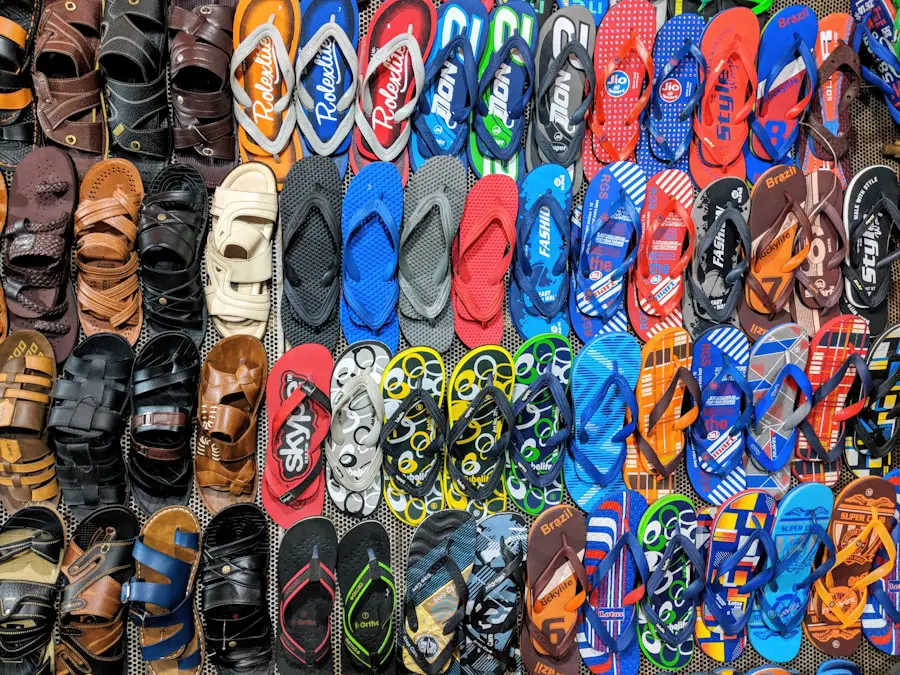
Image note: The footwear shown above is an illustrative footwear display and is not a HOKA hiking-shoe product image.
Grip matters most when a trail becomes wet, loose, muddy, rocky, or steep. HOKA uses different outsole designs across its lineup, so it is worth checking the specific rubber compound and lug depth rather than relying on the brand name alone.
Several current trail-oriented models use Vibram Megagrip. Vibram describes the compound as designed to provide grip on both wet and dry terrain. The Kaha 3 GTX uses a one-piece Vibram Megagrip outsole with Traction Lug and 4 mm lugs, while the Speedgoat 7 uses Vibram Megagrip with Traction Lug and 5 mm lugs.
Those differences matter. Deeper, trail-focused lugs can bite more effectively into loose dirt and mud, while the overall shape and flexibility of the shoe affect how secure it feels when traversing rocks or uneven ground.
Stability also comes from more than outsole grip. Heel hold, platform width, midsole firmness, lacing, foot shape, and pack weight all affect how controlled a shoe feels.
Warning: Even a high-traction Vibram outsole is not slip-proof. Wet roots, algae-covered rock, ice, loose gravel, mud, and steep polished surfaces can overwhelm any hiking shoe. Slow down and shorten your stride when traction is uncertain.
Durability and construction
| Current example | Construction highlights | Best suited to |
|---|---|---|
| Kaha 3 GTX | Waterproof nubuck leather, GORE-TEX Invisible Fit, durable toe cap, dual-density sugarcane-EVA midsole, Vibram Megagrip outsole | Long hiking days, wet conditions and hikers wanting more protection |
| Speedgoat 7 | Lightweight woven textile, supercritically foamed EVA, internal trail-oriented fit structure, Vibram Megagrip with 5 mm lugs | Fast day hikes, technical trails and hikers who prefer a trail-running feel |
Durability depends heavily on the construction and how the shoe is used. A leather hiker with a substantial toe cap will generally tolerate abrasion differently from a lightweight woven trail-running shoe.
That makes a single durability figure in “years” misleading. Someone walking smooth local trails a few weekends per month places very different stress on footwear than a backpacker scraping shoes against granite, scree, mud, and roots every week.
Inspect high-wear areas rather than relying only on age. Pay attention to worn tread, exposed midsole foam, delaminating outsole sections, torn uppers, damaged waterproof membranes, compressed cushioning, and heel structure that no longer holds the foot securely.
Weight and flexibility
One reason hikers move from traditional boots to HOKA or similar trail footwear is the lighter, more flexible feel. Less weight on the foot can make hiking feel quicker and more natural, especially on maintained trails and during high-mileage days.
However, “lightweight” should not automatically be treated as better. A flexible trail shoe sacrifices some of the stiffness, edging ability, and protective structure found in heavier hiking or backpacking boots.
For a day hike with a light pack, that trade-off may be welcome. With a heavy backpack, rough talus, steep side-hilling, snow travel, or repeated off-trail use, some hikers prefer the firmer platform and greater upper protection of a traditional boot.
Waterproofing and weather performance
Some HOKA hiking models are waterproof, but the entire line is not. The model name and specifications should clearly identify waterproof technology when it is present.
For example, the Kaha 3 GTX uses GORE-TEX footwear technology. GORE-TEX describes its footwear membranes as durably waterproof and breathable. That can be valuable in prolonged rain, wet grass, mud, and cool-weather hiking.
A standard Speedgoat 7, by contrast, is not presented as a waterproof GORE-TEX shoe on its current product page. That can be an advantage on hot, dry trails because a non-waterproof woven upper can ventilate and dry differently from a membrane-lined hiker.
Note: Waterproof shoes cannot stop water from entering over the collar. For warm hikes with frequent stream crossings, some hikers prefer quick-drying non-waterproof footwear rather than trying to keep water out completely.
Fit, sizing and break-in
Fit is more important than any cushioning or outsole technology. HOKA’s official fit guidance recommends a secure feel around the heel and midfoot with enough space for the toes to move.
For hiking, check the fit while wearing the socks you actually plan to use. Your toes should not strike the front of the shoe when walking downhill, and your heel should not repeatedly lift when climbing.
Do not assume every HOKA fits identically. The current Speedgoat 7 page in HOKA’s Australian store, for example, specifically recommends going up half a size. That advice should not automatically be applied to Kaha or every other HOKA model.
Pro Tip: Try hiking shoes late in the day, when feet may be slightly larger, and test them on an incline if possible. Walk both uphill and downhill before deciding that the size is right.
Modern trail shoes may require little traditional “breaking in,” but it is still wise to wear new footwear on several short walks before committing to an all-day hike. That gives you time to find pressure points, lace problems, heel rubbing, or sizing issues.
Which HOKA hiking shoe is best for you?
HOKA’s available models vary by country and season, but two current examples show how different the choices can be.
| Need | Better HOKA starting point | Why |
|---|---|---|
| Long day hikes or multi-day hiking | Kaha 3 GTX | More protective hiking construction, waterproof membrane, durable toe cap and mid-cut design |
| Fast hiking on technical trails | Speedgoat 7 | Lighter trail-running construction, 5 mm lugs and a responsive cushioned ride |
| Wet, cool conditions | Kaha 3 GTX | GORE-TEX waterproof construction |
| Hot, dry weather | Non-waterproof trail model | Usually favors ventilation and avoids an unnecessary waterproof membrane |
The broader HOKA hiking collection also includes other trail and hiking options. Because model availability changes, compare the current outsole, waterproofing, fit, cushioning, and intended use rather than choosing solely by model reputation from an older review.
Customer reviews and experiences
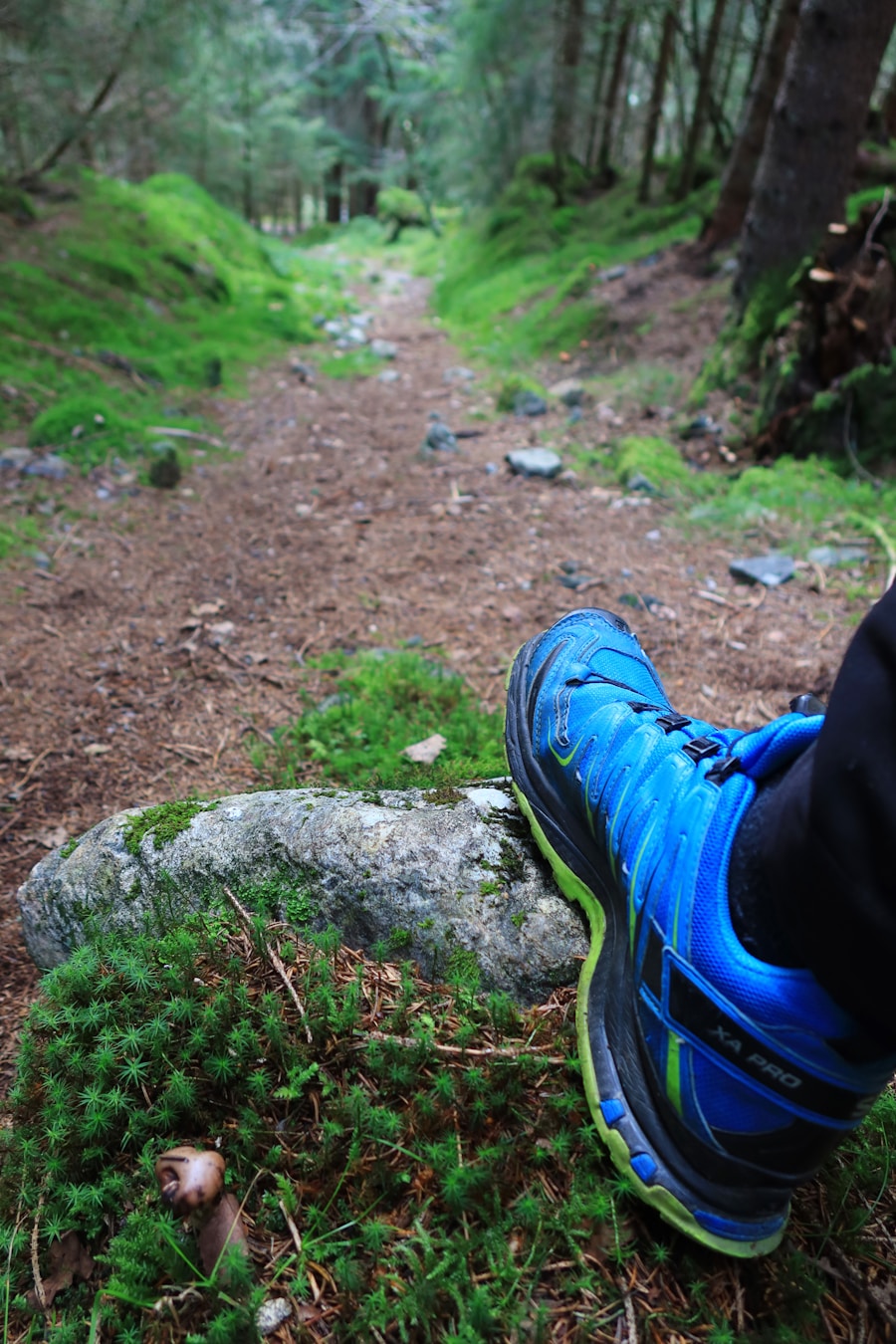
Image note: The trail shoe shown above is illustrative and should not be interpreted as a HOKA product photo.
Customer experiences with highly cushioned hiking footwear tend to depend heavily on fit and personal preference. A hiker who enjoys a soft, rolling trail-running feel may love a HOKA immediately, while someone accustomed to a firm leather boot may find the same shoe overly soft or less precise.
Fit complaints also deserve more attention than broad statements such as “runs true to size.” Sizing can change between models, widths, and generations. The fact that HOKA currently gives a half-size-up recommendation for Speedgoat 7 is a good example of why buyers should check the specific model instead of relying on a brand-wide rule.
Before a major trip, the most useful test is not a star rating. Wear the shoes with your normal hiking socks, walk on slopes, descend stairs or an incline, and confirm that your toes have space while your heel remains secure.
Comparisons with other hiking shoe brands
Brands such as Merrell, Salomon, Columbia, Altra, and HOKA all offer footwear capable of hiking, but comparing brand names alone can be misleading. Every company sells shoes with different levels of cushioning, stiffness, waterproofing, tread, protection, and fit.
HOKA’s distinguishing feel is its running-inspired cushioning and rocker-oriented design in many models. Compared with a traditional hiking boot, a trail-oriented HOKA can feel softer, lighter, and easier to flex. The trade-off can be less of the rigid, protective feel that some backpackers want for rough ground and heavy loads.
Rather than asking whether HOKA is universally better than Merrell, Salomon, or another brand, compare specific shoes using five questions:
- Which shoe fits your heel, midfoot, and toes best?
- Does its outsole match the terrain you hike most often?
- Do you actually need waterproofing?
- Do you prefer a soft, rolling ride or a firm, precise platform?
- How much protection and stiffness do you need for your pack weight and terrain?
When HOKA may not be the best choice
HOKA hiking footwear is not automatically ideal for every outdoor trip. A different style of boot may make more sense when you need a very stiff sole, substantial edging support, insulation, crampon compatibility, heavy-duty off-trail protection, or a mountaineering-oriented construction.
Likewise, hikers who strongly prefer ground feel may dislike a tall, soft midsole. A highly cushioned shoe can feel unfamiliar on angled rocks or narrow footing until you adjust to it.
Mid-cut models such as the Kaha 3 GTX provide more collar coverage and lacing structure than a low trail shoe, but boot height alone should not be treated as a guarantee against ankle sprains. Secure fit, appropriate footwear, hiking technique, fatigue, terrain, and ankle strength all matter.
Are HOKAs good hiking shoes?
Yes, HOKA makes very capable hiking footwear, especially for people who like substantial cushioning and a lighter, more athletic feel than many traditional boots provide. The brand is particularly appealing for long trail days, fast hiking, and hikers who have already discovered that they prefer trail-running-style footwear.
The important qualification is that there is no single “HOKA hiking shoe.” A Kaha 3 GTX is a waterproof, more protective hiking model, while a Speedgoat 7 is much closer to a lightweight technical trail-running shoe. They solve different problems.
Choose HOKA when its fit and ride work for your feet and when the specific outsole, upper, waterproofing, and protection suit your terrain. Do not buy solely because the brand has thick cushioning or because another hiker finds it comfortable.
If you’re considering HOKA hiking shoes for a destination trip, match your footwear to the weather and trail conditions you expect. For example, this guide to the best time to travel to Tennessee can help you anticipate seasonal conditions when planning a Tennessee hiking trip.
Frequently Asked Questions
Are HOKA hiking shoes good for long-distance hiking?
Yes, especially for hikers who prefer substantial cushioning. HOKA specifically positions the Kaha 3 GTX for day hikes and multi-day adventures. For long distances, however, comfort depends on fit, pack weight, terrain and whether you prefer a soft or firm platform.
Do HOKA hiking shoes provide good traction?
Many trail-oriented HOKAs offer strong traction, but check the individual outsole. Kaha 3 GTX uses Vibram Megagrip with 4 mm Traction Lugs, while Speedgoat 7 uses Vibram Megagrip with 5 mm lugs. No outsole is slip-proof on ice, wet roots, algae-covered rock or loose terrain.
Are HOKA hiking shoes waterproof?
Some are and some are not. Models carrying GTX or another clearly identified waterproof construction should be checked individually. The Kaha 3 GTX uses GORE-TEX Invisible Fit, while the standard Speedgoat 7 is not listed as a waterproof GORE-TEX model on its current product page.
Do HOKA hiking shoes offer ankle support?
It depends on the model. A mid-cut shoe such as the Kaha 3 GTX provides more collar coverage and lacing structure than a low trail shoe. However, a higher collar does not guarantee protection from ankle sprains, and hikers should also consider fit, stability, terrain, fatigue and pack weight.
Can HOKA hiking shoes accommodate custom insoles?
Some models may work well with aftermarket or prescribed orthotics, but do not assume every factory sockliner is intended to be removed. Check the individual model and make sure the replacement does not crowd your toes or lift your heel excessively. For prescribed orthotics, follow your clinician’s fitting guidance.
Are HOKAs good on rocky trails?
Trail-oriented models can work very well on rocky ground when they combine secure fit, suitable lugs and a protective upper. Hikers who prefer strong ground feedback or a very stiff edging platform may still prefer a firmer hiking shoe or boot.
Are HOKAs good for backpacking with a heavy pack?
They can be, particularly if you already hike comfortably in flexible trail footwear. For very heavy loads or rough off-trail travel, some hikers prefer a stiffer boot that provides more structure, abrasion protection and resistance to twisting.
How should HOKA hiking shoes fit?
The heel and midfoot should feel secure while the toes have room to wiggle. Test the shoes downhill to make sure your toes do not strike the front. Check model-specific sizing guidance because HOKA does not necessarily recommend the same sizing adjustment for every shoe.
Sources
- HOKA Hiking Footwear — current hiking and trail models offered by HOKA.
- HOKA Kaha 3 GTX — waterproof construction, midsole, MetaRocker, Vibram outsole and 4 mm lug specifications.
- HOKA Speedgoat 7 — current midsole, 5 mm lug, 5 mm drop and model-specific sizing information.
- HOKA Size & Fit Guidance — heel, midfoot and toe-room fitting guidance.
- Vibram Megagrip Technology — manufacturer information on wet- and dry-terrain grip.
- GORE-TEX Footwear Technology — waterproof and breathable footwear performance information.