
Last Updated on September 10, 2026 by Daniel Globe
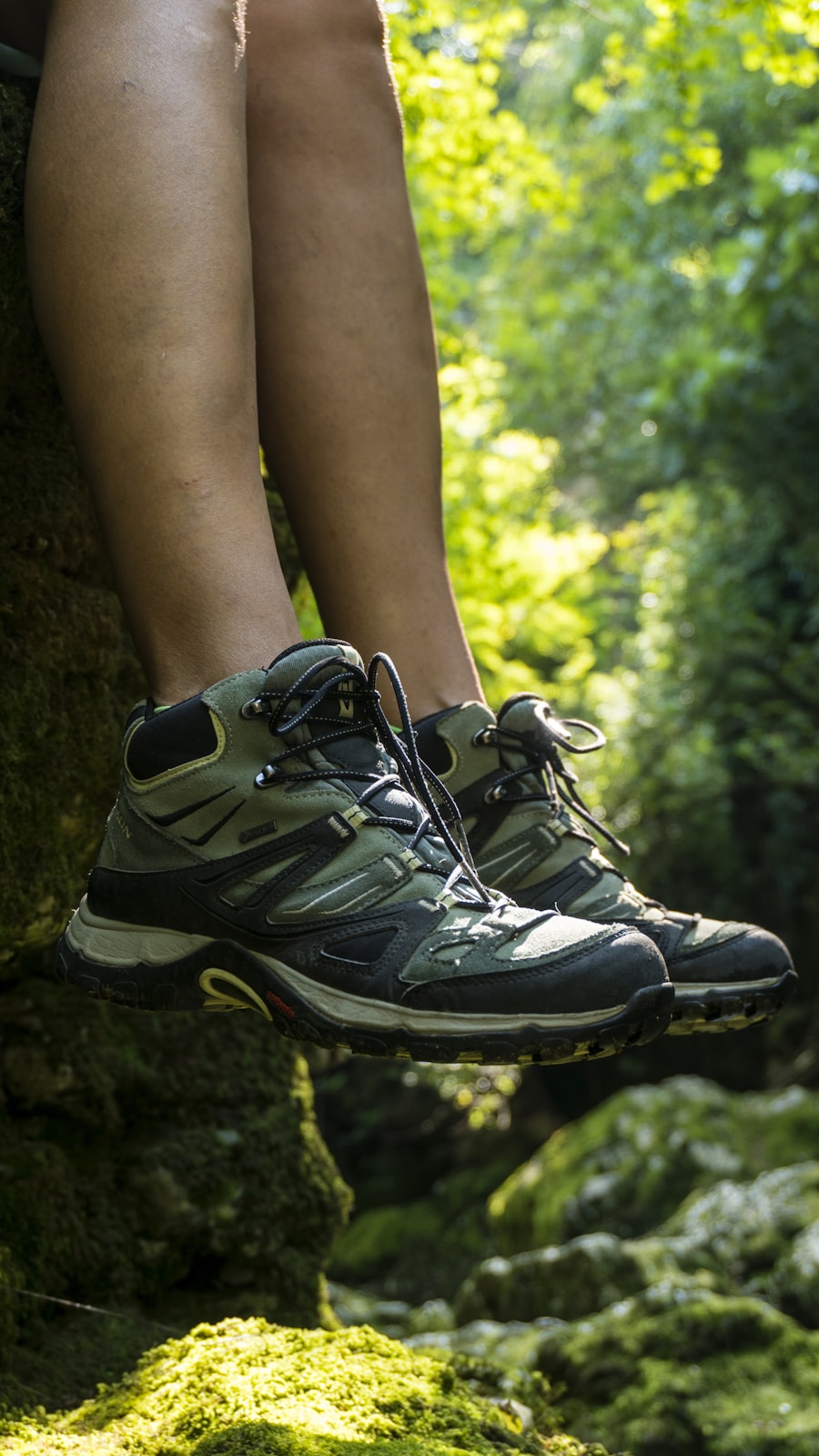
Yes, HOKA shoes can be very good for hiking, especially if you prefer lightweight footwear with generous cushioning. The brand actually grew from a goal of making downhill running faster and later expanded into dedicated hiking footwear. Today, HOKA makes everything from light trail shoes to waterproof mid-cut hiking boots, so the right choice depends on your terrain, weather, pack weight, and fit.
Quick Answer
HOKAs are good for many day hikes and long-mileage trails because they combine cushioning with relatively light construction. Trail models such as the Torrent and Speedgoat emphasize grip and agility, while hiking-specific models such as the Kaha 3 GTX add more weather protection and structure. For heavy loads, snow, or very rough terrain, a sturdier hiking boot may still be the better choice.
Key Takeaways
- HOKA’s cushioned midsoles can make hard-packed and rocky trails feel less harsh underfoot, but cushioning should not be treated as proof of injury prevention.
- Low-cut trail models work especially well for hikers who value low weight, flexibility, breathability, and quicker movement.
- For wet trails, choose a model specifically marked GTX or GORE-TEX rather than assuming every Speedgoat, Challenger, or other HOKA is waterproof.
- Technical terrain, heavy packs, snow, and rough off-trail travel may justify a more structured hiking shoe or mid-cut boot such as the Kaha 3 GTX.
- Fit matters more than brand reputation: your heel should feel secure, your midfoot should not slide, and your toes need enough room to avoid hitting the front on descents.
Disclosure: As an Amazon Associate I earn from qualifying purchases. Some links on this page are affiliate links, at no extra cost to you.
Benefits of Using Hokas for Hiking
One of the biggest reasons hikers choose HOKA footwear is cushioning. Many models place a substantial layer of foam between the foot and the ground, which can make repeated steps on hard-packed dirt, gravel, and rock feel more comfortable.
That does not mean more cushioning automatically prevents joint pain or hiking injuries. Footwear research is more complicated than that, and studies of maximal running shoes have not shown a simple “more foam equals less impact or fewer injuries” relationship. A better reason to choose a highly cushioned HOKA is that you personally find the ride comfortable over the distances and terrain you hike.
Low-cut HOKA trail shoes can also be much lighter and more flexible than traditional leather hiking boots. That appeals to hikers who travel quickly, cover long distances, or simply dislike the bulk of a stiff boot. The trade-off is less protection around the ankle and, depending on the model, less resistance to abrasion, cold, mud, or sharp trail debris.
Traction can be another strong point when you choose a trail-specific model. For example, the HOKA Speedgoat 7 uses a Vibram Megagrip outsole with Traction Lug and 5 mm lugs, while the Torrent 4 uses aggressive 5 mm lugs and is listed by HOKA for both trail running and hiking.
The main reason to hike in a HOKA is not that maximal cushioning guarantees fewer injuries. It is that the right model can give you a comfortable balance of cushioning, traction, weight, and protection for the terrain you actually hike.
Drawbacks of Using Hokas for Hiking
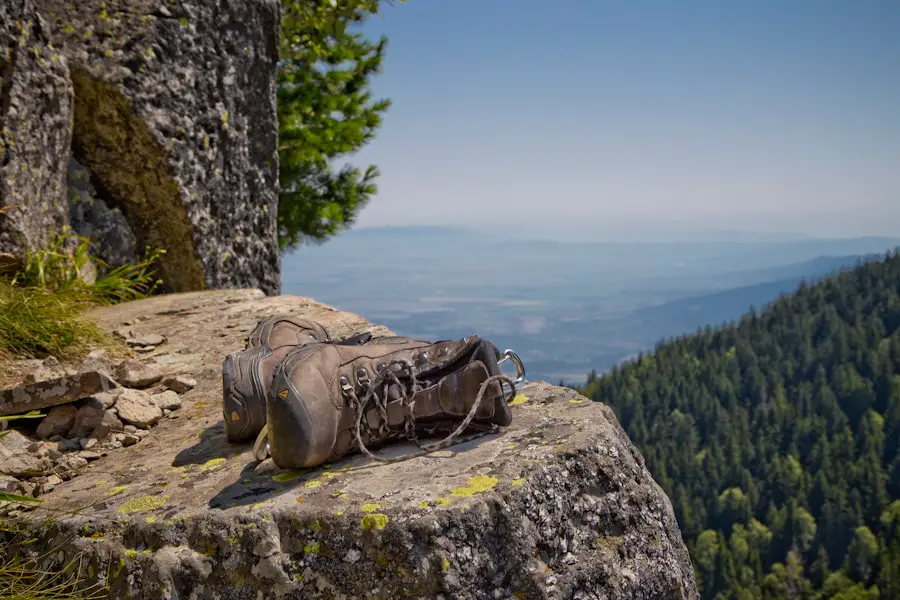
The biggest drawback of many HOKA trail-running shoes is that they do not provide the same coverage and structure as a traditional mid- or high-cut hiking boot. A low-cut Speedgoat, Torrent, or Challenger leaves the ankle more exposed to rocks, brush, mud, and trail debris.
That does not mean a low-cut shoe automatically causes ankle sprains. However, hikers who prefer a stiffer platform, carry a heavy backpack, have a history of ankle instability, or regularly cross very rough terrain may feel more confident in a more structured hiking shoe or boot.
Durability is another trade-off. Lightweight mesh, foam, and flexible construction can be excellent for moving quickly, but they may show wear sooner than thick leather uppers and heavily built boot soles when repeatedly scraped against rock or used off trail. Durability varies widely by model and how you hike.
Maximal cushioning also reduces ground feel for some hikers. If you like feeling small changes in rock angle and trail texture through the sole, a thick stack of foam may initially feel disconnected. Other hikers prefer that separation from sharp rocks and hard surfaces.
Waterproof models bring a separate compromise. GORE-TEX can help keep outside moisture away from your feet, but waterproof footwear usually feels warmer and takes longer to dry once moisture gets inside. In hot, dry weather, a breathable non-waterproof trail shoe may be more comfortable.
Warning: Do not choose a hiking shoe only because it feels soft in the store. Grip, fit, toe protection, weather resistance, sole stiffness, pack weight, and the difficulty of your route can matter just as much as cushioning.
How to Choose the Right Hoka for Hiking
Start with the type of hiking you do most often. HOKA’s current lineup includes both trail-running shoes that hikers commonly use and footwear designed specifically for hiking. The differences matter more than the HOKA logo itself.
| Model | Weight / Build | Best Use | Traction | Waterproof |
| Torrent 4 | About 9.8 oz / 278 g for the cited men’s model | Light, nimble trail hiking and faster movement | Aggressive 5 mm lugs | No on the standard cited model |
| Speedgoat 7 | Cushioned low-cut trail shoe; weight varies by size | Rocky and mixed trail where grip and cushioning matter | Vibram Megagrip with 5 mm Traction Lugs | No on the standard cited model; look for a specifically named GTX version when available |
| Challenger 8 | About 10.1 oz / 287 g for the cited men’s model | Road-to-trail routes, gravel, smooth dirt, and easier hikes | Multidirectional 4 mm lugs | No on the standard version; GTX versions are sold separately in the lineup |
| Kaha 3 GTX | More structured mid-cut hiking boot; weight varies by size | Day hikes, multi-day trips, wetter trails, and hikers wanting more coverage | Vibram Megagrip with Traction Lug and 4 mm lugs | Yes — GORE-TEX Invisible Fit |
Note: Shoe weights vary with size and men’s versus women’s construction. Use the manufacturer’s page for the exact version and size you are considering rather than treating one published weight as universal.
Match the Model to the Terrain
For smooth dirt, gravel, park trails, and mixed pavement-to-trail routes, a lighter road-to-trail model such as the Challenger can make sense. On rougher singletrack, the deeper lugs and trail-focused outsole of a Torrent or Speedgoat may provide a better match.
When the route becomes more demanding—especially with a heavier backpack, sustained mud, cold weather, sharp rock, or long days far from the trailhead—a hiking-specific model with more structure and coverage becomes more attractive. The Kaha 3 GTX is one example in HOKA’s current hiking range.
Check the Fit, Not Just the Size Number
HOKA advises that properly fitting footwear should feel secure around the heel and midfoot while leaving wiggle room around the toes. Do not assume every HOKA has the same wide toe box or the same volume.
Try hiking shoes with the socks you plan to wear. Lace them securely and walk down an incline if possible. Your heel should not lift excessively, and your toes should not slam into the front of the shoe. The current Speedgoat 7 product guidance on HOKA’s cited regional site recommends sizing up half a size, which is another reason to check individual model guidance instead of automatically ordering your usual size.
Choose Waterproofing Only When You Need It
“GTX” identifies HOKA footwear using GORE-TEX. That can be useful for wet grass, puddles, damp trails, and cooler conditions. For dry summer hiking, a breathable non-waterproof upper often ventilates better and can dry more quickly after getting soaked.
Think About Pack Weight and Protection
A lightly loaded day hiker may be perfectly comfortable in a flexible trail shoe. A hiker carrying camping gear for several days may prefer a stiffer sole, tougher upper, and more structured heel and ankle area. There is no universal pack-weight cutoff where a boot suddenly becomes mandatory; use your experience, terrain, stability needs, and comfort as the deciding factors.
Pro Tip: When comparing two pairs, test them late in the day with your hiking socks. Feet can swell during long hikes, so a shoe that already feels cramped before the hike is unlikely to improve several hours into the trail.
Tips for Hiking with Hokas
Even a comfortable trail shoe deserves a short test period before a major hike. Wear new HOKAs on shorter walks or local trails first. This gives you time to discover heel movement, pressure points, lace problems, or toe contact before you are several miles from the trailhead.
Socks matter too. For longer hikes, the National Park Service recommends thick wool or synthetic socks that wick moisture and suggests carrying an extra pair. Cotton tends to hold moisture, while wool and many synthetic hiking socks manage sweat better.
Pay attention to hot spots before they become blisters. Stop, dry or change your socks if needed, adjust your lacing, and protect an irritated area before continuing.
On steep or technical terrain, shorten your stride and place your feet deliberately. The rocker-shaped geometry found in many HOKA designs may feel smooth on easy trail, but no sole design replaces careful foot placement on loose rock, roots, mud, or steep descents.
After muddy hikes, remove loose dirt and let your footwear dry naturally. HOKA’s care guidance recommends gentle cleaning and warns against machine washing or exposing footwear to strong direct heat, which can damage materials, fastenings, or adhesives.
Note: Persistent foot or ankle pain, numbness, recurrent instability, or problems related to a previous injury are reasons to seek individualized advice from a qualified medical professional rather than choosing footwear based only on general online recommendations.
Comparing Hokas to Other Hiking Footwear
Traditional hiking boots and lightweight HOKA trail shoes solve different problems. Boots generally emphasize protection, durability, stiffness, and coverage. Trail shoes emphasize lower weight, flexibility, breathability, and a quicker feel.
| Factor | Low-Cut HOKA Trail Shoe | Traditional Hiking Boot |
| Weight | Usually lighter | Usually heavier |
| Cushioning | Often generous and soft | Varies; often firmer and more structured |
| Breathability | Often better in non-GTX models | Often warmer, especially waterproof leather models |
| Protection | Less ankle and upper-foot coverage | More coverage against rocks, brush, mud, and cold |
| Ground Feel | Reduced in highly cushioned models | Often firm but also limited by stiff soles |
| Best Match | Day hiking, fast hiking, maintained trails, and lighter packs | Rough terrain, cold/wet conditions, heavier loads, and hikers wanting more structure |
Traction should be compared model by model rather than category by category. Some current HOKA trail shoes use deep 5 mm lugs and Vibram Megagrip, so a low-cut trail shoe can have serious off-road traction. At the same time, a purpose-built hiking boot may provide more protection, stiffness, and durability around the rest of the foot.
Versatility is one reason some hikers like HOKAs. A road-to-trail model can move comfortably between sidewalks, travel days, gravel paths, and moderate trails. A heavy hiking boot is less convenient for casual use but can be the better tool when the trail becomes demanding.
Expert Opinions and Evidence on Hokas for Hiking
There is good evidence that footwear construction changes how the body interacts with the ground, but there is not good reason to promise that maximal cushioning itself prevents injuries. In a 2018 laboratory study published in the American Journal of Sports Medicine and indexed by PubMed, runners showed higher impact forces and loading rates in a maximal shoe than in a conventional neutral shoe. That study involved running, not hiking, so it should not be used to claim that maximal shoes are harmful for hikers either. The practical lesson is simply that cushioning and injury risk are not the same thing.
For hiking safety, the National Park Service emphasizes choosing proper footwear for the surface and recommends sturdy rubber-soled hiking boots with ankle support for dirt and gravel trails. That guidance is especially relevant when conditions are rough, although many experienced hikers also use low-cut hiking shoes and trail-running shoes successfully on appropriate routes.
HOKA’s current product lineup reinforces the same terrain-specific approach. The Torrent 4 is identified for both trail running and hiking, the Challenger 8 sits at the road-to-trail end of the range, and the Kaha 3 GTX is a dedicated hiking model with a waterproof membrane, protective toe cap, and Vibram Megagrip outsole.
In other words, “HOKA” is not one type of shoe. Choosing the correct model matters more than assuming every highly cushioned HOKA will perform the same way.
Are Hokas Good for Hiking?
For many hikers, yes. HOKAs are particularly appealing when comfort, cushioning, low weight, and long-distance wear matter more than maximum boot-like protection. A trail-specific HOKA can work very well for maintained trails, long day hikes, fast hiking, and many backpacking trips with lighter loads.
They are not automatically the best footwear for every route. For rugged off-trail travel, sharp talus, deep mud, snow, cold weather, or a heavy backpack, you may prefer the greater coverage and structure of a hiking-specific shoe or mid-cut boot. HOKA makes those too, so the decision does not have to be “HOKA versus hiking boots.” It can simply be a matter of choosing the right HOKA—or another brand’s equivalent—for the conditions.
The best pair is the one that fits your foot securely, gives your toes room on descents, grips the surfaces you encounter, and provides enough protection for your route. Test new footwear on short hikes before committing to a long or remote trip.
If you’re looking for the best gear for your next hiking adventure, you may also want to consider investing in a high-quality travel camera backpack. This article from TakeTravelInfo provides a comprehensive list of camera backpacks to consider, helping you carry photography equipment while capturing views and memories from your hike. Just like choosing the right hiking shoes, selecting a camera backpack that fits your load and trip can make a meaningful difference in comfort.
Love travel? Join Our Facebook Community For More Tips.
Frequently Asked Questions
What are HOKA shoes?
HOKA is a footwear brand known for cushioned midsoles and rocker-influenced shoe geometry. The company’s roots are in downhill and endurance running, and its current range includes road-running shoes, trail-running shoes, hiking shoes, and hiking boots.
Are HOKA shoes good for hiking?
Yes. Trail-oriented HOKAs can be a good choice for day hikes, long-mileage trails, and hikers who prefer cushioning and relatively light footwear. More demanding terrain may call for a hiking-specific model with greater protection and structure.
What are the benefits of wearing HOKA shoes for hiking?
Common advantages include generous cushioning, relatively low weight in trail models, flexible construction, and strong traction on models designed for off-road use. Cushioning can improve comfort for some hikers, but it should not be treated as a guarantee against injury.
Are HOKA shoes durable for hiking?
They can be, but durability depends on the model, terrain, mileage, fit, and maintenance. Lightweight mesh trail shoes may show wear faster than heavy leather boots when repeatedly used on abrasive rock or off-trail terrain, while hiking-specific HOKAs use more protective materials.
Do HOKA shoes come in different styles for hiking?
Yes. HOKA sells lightweight trail shoes, road-to-trail shoes, low hiking shoes, and mid-cut hiking boots. Features vary by model and can include Vibram Megagrip outsoles, deeper lugs, protective toe caps, and GORE-TEX waterproof membranes.
Can HOKA shoes be used for backpacking and long-distance hiking?
Yes, many hikers use trail shoes for long-distance hiking and lighter backpacking. For heavier packs or more technical terrain, a more structured hiking shoe or mid-cut boot may provide the protection and support you prefer. Fit and experience should guide the decision.
Which HOKA is best for hiking?
It depends on the route. The Challenger 8 suits easier road-to-trail use, Torrent 4 favors light and nimble trail hiking, Speedgoat 7 offers aggressive trail traction and cushioning, and Kaha 3 GTX provides a more structured waterproof hiking-boot design.
Are all HOKA hiking and trail shoes waterproof?
No. Waterproofing is model- and variant-specific. Look for GTX or GORE-TEX in the product name or specifications when waterproof construction is important. Standard versions of models such as the Speedgoat or Challenger should not automatically be assumed to be waterproof.
Sources
- HOKA — About Us — HOKA’s origins, cushioning philosophy, and evolution into outdoor footwear.
- HOKA — Speedgoat 7 — current outsole, lug, midsole, fit, and construction information.
- HOKA — Torrent 4 — current weight, 5 mm lug, trail-running, and hiking specifications.
- HOKA — Challenger 8 — current road-to-trail construction, weight, EVA midsole, and 4 mm lug specifications.
- U.S. National Park Service — Hike Smart — hiking-footwear and moisture-wicking sock safety guidance.
- PubMed — Influence of Maximal Running Shoes on Biomechanics — evidence supporting cautious wording around maximal cushioning and injury-related claims.
