
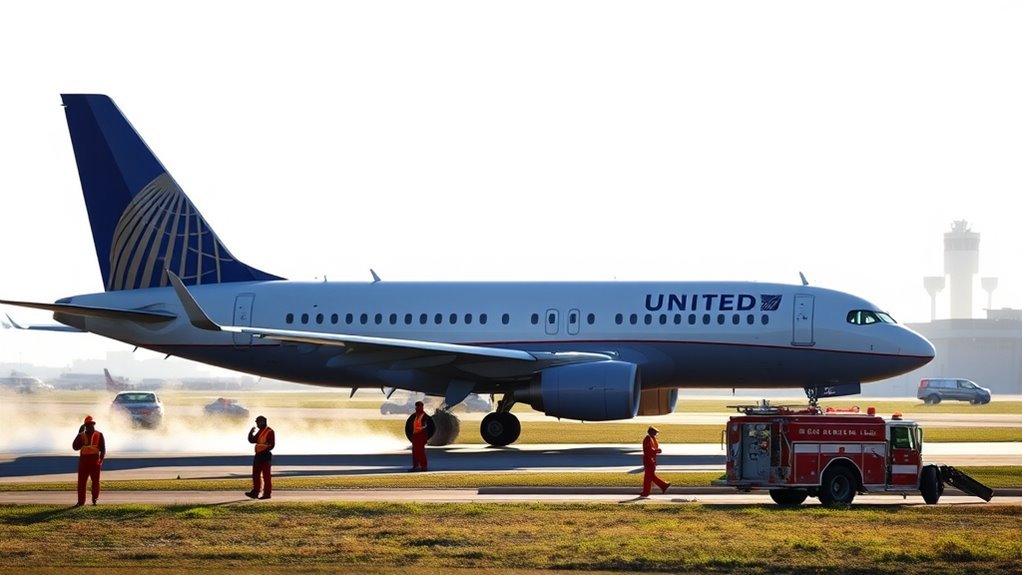
United Airlines is generally considered one of the safer major U.S. airlines. Its safety rating reflects IOSA audits, FAA oversight, strong pilot training, and continuous data-driven updates to procedures. Like other large carriers, it operates in a complex environment where weather, congestion, and operational scale matter. Its incident rate is broadly in line with peers such as Delta and American. If you want the full picture, the details below break down what drives that performance.
How Safe Is United Airlines?

So, how safe is United Airlines? You can assess it through data, not hype.
United ranks among the largest U.S. carriers, and it participates in IOSA audits to align with global safety standards. That matters because audits test whether you’re flying with an airline that keeps improving its operations, training, and oversight.
United’s modern safety record reflects stronger data analysis and safety innovations, which help identify risks before they escalate. It also works with the FAA and NTSB after incidents to review root causes and sharpen protocols.
Despite weather, congestion, and scale, United has kept a solid record with no recent fatal accidents. Safety ratings also consider incident rates and operating practices, so your passenger perceptions should rest on measurable performance.
If you want freedom of movement, you can view United as a carrier that treats safety as an ongoing, evidence-based practice rather than a static promise.
What Affects United’s Safety Rating?
United’s safety rating is shaped by a mix of audit results, operational performance, and how well the airline responds to risk. You can see this in its IOSA safety audits, which test whether United follows global standards and best practices.
Stronger scores usually reflect tighter procedures, better training, and cleaner data analysis. When incidents happen, United’s incident response matters: the airline works with the FAA and NTSB to identify root causes and adjust policy.
Stronger scores reflect tighter procedures, better training, and cleaner data analysis.
Weather disruptions and congested airspace also affect assessments because they raise operational complexity, not just flight volume. United’s ongoing investments in technology and pilot training help it track threats faster and act with more precision.
That matters if you want an airline that keeps improving through evidence, not slogans. In practical terms, United’s rating depends on measurable controls, transparent review, and disciplined risk management.
How United Compares With Other U.S. Airlines
Compared with other major U.S. carriers, United sits in the top tier on safety performance, with a modern record that has improved through stronger pilot training, better data analysis, and IOSA-aligned standards.
You can read that as evidence of disciplined risk management, not luck. United’s safety incident rate tracks closely with other leading airlines, including American and Delta, which also keep improving their records.
Because United operates one of the largest fleets in the U.S., it faces more exposure to congested airspace and weather, but that scale also supports deeper oversight and more safety audits.
When incidents occur, United works with the FAA and NTSB to identify root causes and refine procedures.
For you, the key point is simple: United doesn’t lead by being risk-free; it competes by measuring risk well, learning fast, and keeping its systems aligned with industry best practice and global standards.
Recent Safety Improvements at United Airlines
Recent years have brought clear safety gains at United, driven by stronger pilot training, sharper data analysis, and tighter operational controls. You can see the change in lower incident rates and more disciplined decision-making across operations.
United’s teams use data analysis to spot patterns early, then adjust procedures before risks grow. Pilot training now emphasizes scenario-based judgment, crew coordination, and fast response under pressure.
- United works with the FAA and NTSB on root cause reviews.
- IOSA audits keep its standards aligned with global benchmarks.
- Fleet technology upgrades support more reliable monitoring and control.
- Operational practices now reflect continuous learning from incidents.
- Training updates reinforce safer, more consistent execution.
Together, these measures show a measurable safety culture shift. You benefit when an airline treats every event as evidence, not noise, and uses it to strengthen the system.
What United Passengers Should Know
When you fly United, you should know that it remains a major U.S. carrier with safety practices benchmarked through IOSA audits and ongoing review by the FAA and NTSB after incidents. You can read that as a system built on verification, not marketing. Passenger awareness matters: you’ll want to note weather delays, crowded airspace, and crew instructions because they shape real-time risk management. United’s safety features include rigorous pilot training, data analytics, and post-incident root-cause reviews that feed continuous improvement.
| Factor | What You See | What It Means |
|---|---|---|
| IOSA | Global audit | Standardized oversight |
| Training | Recurrent drills | Better crew response |
| Analysis | Incident review | Faster corrections |
That framework keeps United competitive in safety ratings with other large U.S. airlines. You’re not promised perfection, but you are given layered protections and measurable accountability.
Frequently Asked Questions
Does United Offer Wi-Fi on Most Flights?
Yes, you’ll find wi fi availability on most United flights, with in flight connectivity offered across much of the fleet. You can check route-specific coverage, aircraft type, and pricing before you book for best results.
Can I Track My Checked Baggage Online?
Yes, you can track your checked baggage online through United’s baggage tracking online features. You’ll enter your bag tag number and view updates in real time, helping you monitor progress objectively and reduce uncertainty.
What Is United’s Baggage Fee Policy?
You’ll usually pay for your first and second checked bags, plus fees for oversized luggage; charges vary by route, fare, and status. Check United’s current chart before you reach baggage claim.
Does United Have a Frequent Flyer Program?
Yes, you can join United’s MileagePlus frequent flyer program. You’ll earn miles, access frequent flyer benefits, and move through loyalty program tiers based on your travel activity, making your trips more flexible and value-driven.
How Early Should I Arrive for International Flights?
Arrive at least 3 hours early for international flights; you’ll need time for airport security, boarding procedures, and unpredictable delays. If you’re checking bags or flying busy routes, add extra buffer to stay in control.
Conclusion
So, when you weigh United’s safety record, you can see a carrier that performs within the strong U.S. industry standard, with recent upgrades further strengthening its standing. You should still review route, aircraft, and operational data before you book, because safety is shaped by many measurable factors. In short, United’s safety story shows steady, strategic improvement, with solid systems, stricter standards, and safer skies supporting your travel decision.