

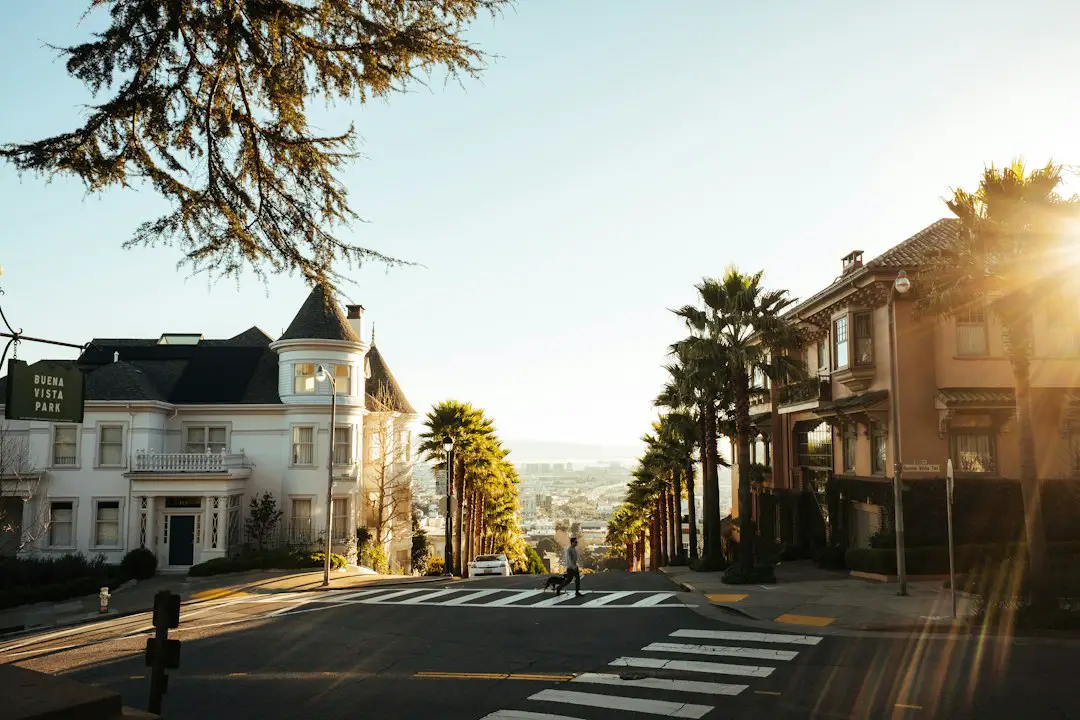
The weather and climate of a region play a pivotal role in shaping the experiences of visitors. Understanding the nuances of local weather patterns can significantly enhance a traveler’s itinerary. For instance, in temperate zones, seasons are distinctly marked, with warm summers and cold winters, while tropical regions may offer a more consistent climate year-round, punctuated by wet and dry seasons.
In many areas, summer months can bring sweltering heat, while winter may introduce frigid temperatures and snowfall, creating a stark contrast that influences both the landscape and the activities available. In addition to temperature variations, precipitation levels can also vary dramatically throughout the year. Some regions may experience monsoon seasons, where heavy rains can lead to flooding and travel disruptions, while others may have prolonged dry spells that can affect agriculture and water supply.
For example, the Mediterranean climate is characterized by hot, dry summers and mild, wet winters, which not only affects local flora and fauna but also dictates the best times for outdoor activities. Understanding these climatic conditions is essential for planning trips that maximize enjoyment and minimize discomfort.
Key Takeaways
- South Island seasons: Summer (Dec–Feb) brings warm, long days; winter (Jun–Aug) is cold with alpine snow; spring (Sep–Nov) and autumn (Mar–Apr) are excellent shoulder seasons with fewer crowds and good hiking.[1]
- Peak tourist times: December–February and the July–August ski high season; book transport and stays early during these windows.[1], [3], [15]
- Shoulder & off-peak value: October–November and March–April offer milder weather, lower prices, and fewer crowds.
- Seasonal activities: Hiking, biking, and water sports peak in summer; skiing and snowshoeing are winter highlights (mid-June to mid-October season; peak snow Jul–Aug).[3]
- Notable events (examples): Marlborough Wine & Food Festival (Feb; 2025 was 8 Feb), Hokitika Wildfoods (14 Mar 2026), Warbirds Over Wanaka (Easter 2026: 3–5 Apr), and Winter Pride Queenstown (mid-to-late Aug).[5], [6], [4], [11]
Peak Tourist Season
Favorable Conditions and Local Events
During peak periods, destinations can become bustling hubs of activity, with attractions operating at full capacity and accommodations often fully booked. For example, many European cities experience an influx of tourists during the summer months of July and August, eager to explore historical sites, enjoy outdoor cafes, and participate in local festivals.
The Drawbacks of Peak Season
However, this surge in visitors can lead to crowded streets and longer wait times at popular attractions, which may detract from the overall experience. Furthermore, peak seasons can also drive up prices for flights and accommodations. Travelers looking to visit iconic destinations such as Paris or Rome during peak season may find themselves paying significantly more than during off-peak times.
Understanding the Patterns
This economic dynamic is not limited to Europe; many tropical destinations experience similar trends during winter months when travelers from colder climates seek sun-soaked beaches. Understanding these patterns allows travelers to make informed decisions about when to visit based on their budget and desired experience.
Off-Peak Season
Traveling during the off-peak season (NPS highlights) can offer advantages that are often overlooked. During quieter months, destinations tend to be less crowded, allowing for a more intimate experience with local culture and attractions. For example, visiting a popular national park in the fall or spring can provide opportunities for solitude in nature, where one can appreciate the beauty of the landscape without the throngs of summer tourists.[10]
Additionally, many attractions may offer reduced admission prices or special promotions during these times to encourage visitation. The off-peak season also presents an opportunity for travelers to engage more deeply with local communities. With fewer tourists around, residents may be more inclined to share their culture and traditions with visitors.
This can lead to authentic experiences such as participating in local cooking classes or attending smaller community events that might not be on the radar during peak times. Furthermore, traveling during off-peak months often results in lower costs for accommodations and flights, making it an attractive option for budget-conscious travelers seeking to stretch their dollars further.
Outdoor Activities
| Activity | Participants | Duration |
|---|---|---|
| Hiking | 10 | 3 hours |
| Camping | 6 | 2 days |
| Cycling | 8 | 4 hours |
| Fishing | 4 | 5 hours |
Outdoor activities are often a major draw for travelers seeking adventure and exploration. The type of activities available can vary greatly depending on the region’s climate and geography. In mountainous areas, skiing and snowboarding are popular winter pursuits, while summer months may see an uptick in hiking, mountain biking, and rock climbing.
Coastal regions often offer water-based activities such as surfing, snorkeling, and sailing, which are heavily influenced by seasonal weather patterns. For instance, the best time for surfing on the North Shore of O‘ahu is typically during the winter months when swells are at their peak.[7] In addition to traditional outdoor sports, many destinations also offer unique experiences that allow travelers to connect with nature in different ways.
Birdwatching in wetlands during migration seasons or kayaking through mangroves can provide unforgettable encounters with wildlife. National parks often host guided tours that educate visitors about local ecosystems while promoting conservation efforts. Engaging in these outdoor activities not only enhances physical well-being but also fosters a deeper appreciation for the natural world.
Festivals and Events
Festivals and events are vibrant expressions of local culture that can significantly enrich a travel experience. Many destinations host annual celebrations that showcase their unique heritage through music, dance, food, and art. For example, the Carnival in Rio de Janeiro is renowned for its extravagant parades featuring samba dancers adorned in elaborate costumes.
Such events attract thousands of visitors each year who come to immerse themselves in the lively atmosphere and partake in the festivities. In addition to cultural festivals, many regions celebrate seasonal events that highlight local traditions or agricultural practices. Harvest festivals in rural areas often feature local produce, crafts, and traditional music, providing visitors with an authentic taste of regional life.
These gatherings not only offer entertainment but also foster community spirit and pride among residents. Travelers who plan their visits around these events can gain insights into the local way of life while enjoying unique experiences that are often unavailable at other times of the year.
Accommodation Availability
Peak Season Challenges
Popular tourist destinations experience a significant surge in demand for accommodations during holidays or major events, making it crucial for travelers to plan ahead to secure their preferred lodging.
Off-Peak Season Benefits
On the other hand, during off-peak seasons, travelers can find a wider range of accommodation options at more competitive prices. Many hotels offer discounts or special packages to attract guests during quieter months, which may include perks such as complimentary breakfast or free nights with extended stays.
Alternative Lodging Options
Moreover, alternative lodging options like vacation rentals or hostels may be more readily available during off-peak seasons, providing travelers with diverse choices that cater to different budgets and preferences.
Wildlife Viewing
Wildlife viewing is a captivating aspect of travel that allows individuals to observe animals in their natural habitats.
For instance, many species of birds migrate south for the winter, making spring an ideal time for birdwatching enthusiasts to witness these spectacular journeys as they return north.
Similarly, certain national parks are renowned for specific wildlife sightings during particular seasons; Yellowstone National Park is famous for its bison herds that roam freely across its vast landscapes and for seasonal wildlife highlights that shift throughout the year.[10] In addition to birds and mammals, marine wildlife also offers incredible viewing opportunities depending on the time of year. Along the California coast, gray whales migrate past shore during winter and spring (southbound generally December–January; northbound February–April), offering excellent whale-watching opportunities.[8], [9]
Budget Considerations
Budget considerations are paramount when planning any trip, as they dictate not only where one can go but also how long one can stay and what activities can be enjoyed. Understanding the cost dynamics associated with different seasons is essential for making informed decisions. Traveling during peak season typically results in higher expenses due to increased demand for flights and accommodations; however, this may be offset by unique experiences available only during those times.
On the other hand, off-peak travel offers significant savings opportunities that can allow travelers to allocate funds toward experiences rather than just logistics. For instance, dining at local restaurants or participating in guided tours may be more affordable when fewer tourists are vying for those same services. Additionally, many attractions offer discounted rates during off-peak times or even free admission days that savvy travelers can take advantage of.
By carefully considering budget constraints alongside seasonal factors, travelers can create enriching itineraries that maximize both enjoyment and financial prudence.
When planning the best time to travel to South Island, New Zealand, it’s important to consider the weather and outdoor activities available during different seasons.[1], [2] For those looking to explore the stunning landscapes and outdoor adventures that the South Island has to offer, having the right gear is essential. A portable Wi-Fi hotspot or local SIM/eSIM helps with navigation and bookings in remote areas (coverage varies outside towns).[13] Additionally, a solar charger for backpacking can keep devices powered on multi-day hikes.[12] These essentials can enhance your experience across the South Island.
FAQs
What is the best time to travel to the South Island of New Zealand?
The best time to travel to the South Island of New Zealand is during the summer months of December to February for warm weather and long days. Shoulder seasons—October–November and March–April—offer lower prices and fewer crowds. For skiing and snowboarding, the season typically runs mid-June to mid-October, peaking in July–August.[1], [3]
What is the weather like in the South Island of New Zealand during the summer?
During summer, weather is generally mild to warm, with typical daytime highs around 19–25°C (66–77°F) in major lowland areas such as Queenstown and Christchurch; conditions can change quickly, so pack layers and rain protection.[1]
Are there any specific events or festivals to consider when planning a trip to the South Island of New Zealand?
Yes. Notable examples include the Marlborough Wine & Food Festival (held annually in February; in 2025 it was 8 February), the Hokitika Wildfoods Festival (14 March 2026), the Warbirds Over Wanaka International Airshow (Easter weekend 2026: April 3–5), and Winter Pride in Queenstown (mid-to-late August). Always confirm dates for your travel year.[5], [6], [4], [11]
What are the popular tourist attractions in the South Island of New Zealand?
The South Island is known for its stunning natural landscapes, including Fiordland National Park and Milford Sound/Piopiotahi, Aoraki/Mount Cook, and the Franz Josef and Fox Glaciers. Cities such as Queenstown and Christchurch offer a wide range of activities and attractions for visitors.
Is it necessary to book accommodation and activities in advance when traveling to the South Island of New Zealand?
During peak summer and the July–August ski high season, yes—book early to secure preferred lodging and activities. Shoulder seasons usually have better availability and pricing.[1], [3], [15]
South Island: Season-by-Season Pointers (Quick Guide)
- Summer (Dec–Feb): Long daylight, warmest temps; peak tourism. Excellent for tramps like the Routeburn/Kepler (book Great Walks far ahead).[1]
- Autumn (Mar–Apr): Settled weather, fall colors in Central Otago; fewer crowds.
- Winter (Jun–Aug): Alpine snow, ski fields operating; roads may require chains—check conditions and forecasts. NZ ski season mid-June to mid-Oct; best snow Jul–Aug.[3]
- Spring (Sep–Nov): Wildflowers and higher river levels; great for day hikes, but alpine routes may still hold snow.
References
- Tourism New Zealand. “New Zealand climate and weather.” https://www.newzealand.com/int/feature/new-zealand-climate-and-weather/
- MetService. “New Zealand Climate – Learning Centre.” https://about.metservice.com/our-company/learning-centre/new-zealand-climate/
- Tourism New Zealand. “Skiing and Snowboarding in New Zealand (season timing).” https://www.newzealand.com/in/skiing/
- Warbirds Over Wanaka International Airshow (official). “Easter Weekend 2026.” https://www.warbirdsoverwanaka.com/
- Marlborough Wine & Food Festival 2025 (official). “Saturday, 8 February 2025 — Renwick Domain.” https://www.marlboroughwinenz.com/cellar-door-events/marlborough-wine-food-festival-2025
- Hokitika Wildfoods Festival (official). “14.03.2026.” https://wildfoods.co.nz/
- Hawai‘i Ocean Safety. “Hawai‘i’s Surf Seasons.” https://oceansafety.hawaii.gov/hawaiis-surf-seasons/
- NOAA Fisheries. “Gray Whales in the Eastern North Pacific.” https://www.fisheries.noaa.gov/west-coast/science-data/gray-whales-eastern-north-pacific
- Oceanic Society. “The Gray Whale Migration in California and Beyond.” https://www.oceanicsociety.org/resources/the-gray-whale-migration-in-california-and-beyond/
- U.S. National Park Service. “Yellowstone Seasonal Highlights & Seasons.” https://www.nps.gov/yell/planyourvisit/seasonalhighlights.htm and https://www.nps.gov/yell/planyourvisit/seasons.htm
- Winter Pride – Queenstown (official). “Festival info & dates.” https://winterpride.co.nz/
- REI Expert Advice. “How to Choose Solar Chargers & Portable Power.” https://www.rei.com/learn/expert-advice/solar-chargers-portable-power.html
- One NZ. “Mobile coverage map.” https://one.nz/network/coverage/
- QueenstownNZ. “Your Guide to the 2025 Queenstown Ski Season.” https://www.queenstownnz.co.nz/stories/post/your-guide-to-the-2025-queenstown-ski-season/