
Last Updated on July 27, 2026 by Daniel Globe
Los Angeles can feel completely different depending on the month and the neighborhood you visit. A beach day in Santa Monica may be cool and cloudy while Downtown Los Angeles or an inland valley is hot and sunny. The best travel dates therefore depend on whether you want beaches, outdoor sightseeing, major events, smaller crowds, or lower accommodation costs.
Quick Answer
The best general times to visit Los Angeles are March through May and September through early November. These periods usually bring comfortable sightseeing weather and fewer school-holiday crowds than midsummer. Choose summer for beaches and outdoor concerts, or winter for lower demand, holiday events, and cooler weather with a greater chance of rain.
Key Takeaways
- Best overall weather: Spring and fall usually provide the easiest conditions for sightseeing, hiking, and neighborhood exploration.
- Best for beaches: July through September often brings the warmest and sunniest coastal weather, although ocean conditions remain cool compared with tropical destinations.
- Best for fewer crowds: Parts of January, February, late April, early May, and November can be quieter outside holidays and major events.
- Best for events: Spring offers books and fairs, summer brings Pride and Hollywood Bowl concerts, fall has Halloween and film events, and winter adds holiday displays.
- Most important planning detail: Check the forecast for the exact neighborhood because the coast, Downtown, valleys, foothills, and mountains can have very different conditions.
Disclosure: As an Amazon Associate I earn from qualifying purchases. Some links on this page are affiliate links, at no extra cost to you.
Best Time to Visit Los Angeles by Travel Style
| Travel Priority | Recommended Time | Why |
|---|---|---|
| Comfortable sightseeing | March–May or October–early November | Milder daytime conditions make long walks, outdoor attractions, and neighborhood visits easier. |
| Beach weather | July–September | The coast is often sunnier and warmer after the early-summer marine layer becomes less persistent. |
| Hiking and outdoor attractions | March–May or November | Temperatures are generally easier for exposed trails, although rain, heat, and fire conditions must still be checked. |
| Summer entertainment | June–August | This period offers outdoor concerts, Pride events, movie screenings, and long evenings. |
| Lower demand | Selected winter weekdays and late-fall dates | Demand may fall outside holidays, awards events, conventions, and school breaks. |
| Halloween and film events | September–October | Major seasonal attractions and current film festivals generally take place during fall. |
Note: Los Angeles does not have one citywide temperature. Conditions near Venice or Santa Monica can be 10°F or more cooler than Downtown, Hollywood, Burbank, or inland valleys. Review the National Weather Service Los Angeles forecast for each area on your itinerary.
Products Worth Considering

8.2 oz./yd², 50/50 polyester/combed cotton fleece

Material: Plus size tops are made of polyester blend fabric, which is soft, breathable and lightweight to wear. Funny sun and mountain shirt is great for spring summer fall

Vintage Los Angeles Style: Designed With A Clean Embroidered Los Angeles -Inspired Front Graphic, This Casual Baseball Cap Adds A Classic City Look To Your Everyday Outfits Without Feeling Too Bold Or Overdone.
Spring in Los Angeles: Mild Weather and Outdoor Events
Spring runs from March through May and is one of the easiest periods for a first visit. Days are often mild, flowers appear in parks and gardens, and outdoor sightseeing is more comfortable than during an inland summer heat wave. Rain is still possible, especially early in the season, but long dry periods are common.
Coastal neighborhoods may stay cool in the morning, while Downtown Los Angeles and inland areas warm more quickly. Pack a light layer that can be removed during the afternoon. Spring break, Easter weekends, large conventions, and major sporting events can still increase hotel demand.
The Los Angeles Flower District is a colorful year-round destination rather than a once-a-year spring event. Visitors can explore its two main flower markets and surrounding vendors in Downtown Los Angeles. Hours vary between markets, and many businesses operate early in the day.
Literature fans can watch for the Los Angeles Times Festival of Books, which is generally held at the University of Southern California in April. Programming normally includes author conversations, exhibitors, signings, food, and family activities.
The LA County Fair is another spring option. The fair currently takes place in May at Fairplex in Pomona, which is east of central Los Angeles. Because Pomona can be warmer than the coast, visitors should check the local forecast and allow extra driving time.
Pro Tip: Spring is a strong choice for combining Griffith Park, Downtown museums, outdoor markets, and coastal neighborhoods without planning every activity around peak afternoon heat.
Summer in Los Angeles: Beaches, Concerts, and Long Days
Summer runs from June through August, but conditions depend heavily on location. Coastal areas such as Santa Monica, Venice, and Malibu are usually cooler than Downtown Los Angeles and inland valleys. Inland temperatures can become very hot, while a beach may remain breezy or covered by low morning clouds.
June visitors should be prepared for the coastal marine layer commonly called June Gloom. Mornings near the ocean may be gray and cool before partial or full afternoon clearing. Cloudy beach weather does not mean every part of Los Angeles will be cloudy.
Popular coastal stops include Venice Beach and Malibu Surfrider Beach. Visitors can walk, cycle, watch surfers, play volleyball, or spend time near the water. Parking fills early on warm weekends, and Pacific Coast Highway traffic can add considerable travel time.
The Hollywood Bowl presents concerts across classical, pop, jazz, film, and other genres during its main outdoor season. Event nights can produce heavy traffic around Hollywood and Highland, so shuttle or park-and-ride options are often easier than driving directly to the venue.
June also brings the annual LA Pride celebration. Dates, parade routes, street closures, and festival formats can change, so travelers should confirm the current schedule before booking.
Warning: Summer heat can be much stronger on inland trails than at the beach. Carry water, avoid exposed hikes during the hottest part of the day, and check National Weather Service heat and surf alerts. Swim near a lifeguard and follow warnings about rip currents.
Fall in Los Angeles: Warm Days and Cultural Events
Fall runs from September through November. September can still feel like summer, particularly away from the immediate coast. October often provides warm days and cooler evenings, while November usually brings a greater chance of cool weather and early-season rain.
| Month | Typical Planning Conditions | Seasonal Highlights |
|---|---|---|
| September | Often warm or hot inland, with generally favorable beach conditions and busy holiday weekends. | Late-summer concerts, beaches, and the beginning of Halloween programming. |
| October | Warm afternoons and cooler evenings are common, but Santa Ana winds can raise heat and fire danger. | Halloween events, film screenings, cultural festivals, and outdoor dining. |
| November | Usually cooler, with shorter days and a growing possibility of rain. | Museum visits, Thanksgiving travel, early holiday displays, and lower demand on selected weekdays. |
Halloween Horror Nights at Universal Studios Hollywood is one of the best-known fall events. It operates on selected nights and requires a separate ticket. Houses, entertainment, rules, and operating dates change each year.
Film fans can consider AFI FEST, a current Los Angeles film festival featuring premieres, international films, documentaries, shorts, panels, and filmmaker conversations. The former LA Film Festival was discontinued in 2018 and should not be used for current trip planning.
Fall can be excellent for beaches and outdoor attractions, but it is also associated with hot, dry Santa Ana wind events. These conditions can increase wildfire danger and affect air quality, road access, and hiking areas.
Warning: Wildfire and smoke disruptions are possible throughout the year, not only in fall. Check Ready LA County, local emergency alerts, and the AirNow Air Quality Index before hiking or driving into foothill and mountain areas.
Winter in Los Angeles: Cooler Weather and Holiday Activities
Winter runs from December through February. Daytime temperatures are often mild compared with much of the United States, but evenings can feel cold, especially near the coast, after rain, or in elevated areas. Winter is also the main rainy period, although rainfall can vary sharply from one year to another.
Clear winter days can provide excellent visibility from Griffith Observatory, the Getty Center, and hillside viewpoints. However, storms may cause traffic delays, trail closures, localized flooding, high surf, or debris-flow concerns near recent burn areas.
Seasonal attractions commonly include L.A. Zoo Lights and holiday displays at The Grove. The Grove is known for its large Christmas tree, decorations, entertainment, and artificial snowfall effects, but dates and programming should be confirmed through the official event calendar.
The Getty Center is a good option in any season. Admission is free, but visitors need a timed-entry reservation, and parking has a separate fee. Exhibitions, gallery availability, hours, and parking policies should be checked before arrival.
Winter can offer lower accommodation demand on selected dates, but Christmas, New Year’s, awards-season events, major games, and conventions can cause sharp local increases in prices and traffic.
Tips for Traveling to Los Angeles in Each Season
What to Pack in Spring
- Light layers for cool mornings and warmer afternoons
- A compact rain jacket early in the season
- Comfortable walking shoes
- Sunscreen and a refillable water bottle
What to Pack in Summer
- Sun protection, including sunscreen, sunglasses, and a hat
- Light clothing for inland heat
- A sweater or light jacket for cool coastal mornings and evenings
- Water and sturdy footwear for outdoor attractions
What to Pack in Fall
- Breathable daytime clothing
- A light evening layer
- Sun protection, especially in September and October
- A mask suitable for particle pollution if smoke is a concern
What to Pack in Winter
- A light or medium jacket
- Closed shoes that can handle wet sidewalks
- A compact umbrella or rain shell
- Layers for warm afternoons and cooler evenings
Plan Around Los Angeles Distances
Los Angeles attractions are spread across a large area. Santa Monica, Downtown Los Angeles, Hollywood, Malibu, Universal City, and Anaheim should not be treated as one compact sightseeing zone. Crossing the region during rush hour can consume a large part of the day.
Group activities by area whenever possible. For example, combine Griffith Observatory with Los Feliz or Hollywood, and combine the Getty Center with another Westside destination. Avoid scheduling Malibu, Downtown Los Angeles, and Anaheim on the same day.
LA Metro can be useful for Downtown, Hollywood, Universal City, Santa Monica, and other connected areas. It does not reach every attraction conveniently, so some itineraries still require buses, rideshares, or a car.
Pro Tip: Check event calendars before choosing a hotel. Staying close to the activities that matter most can save more time than selecting a cheaper room far across the region.
How Crowds and Prices Change During the Year
Summer, spring break, holiday weekends, and the Christmas-to-New-Year period often bring more family travel. Beach parking, theme parks, major museums, and Hollywood attractions can become especially busy.
There is no single guaranteed low-price month because Los Angeles hosts conventions, concerts, award ceremonies, sporting events, festivals, and film productions throughout the year. Hotel demand can rise in one neighborhood while remaining moderate elsewhere.
Travelers seeking lower rates should compare several date combinations, avoid major holiday weekends, and check the event schedule near their chosen neighborhood. Sunday through Thursday stays may offer better value in some areas, but business events can reverse that pattern.
Products Worth Considering
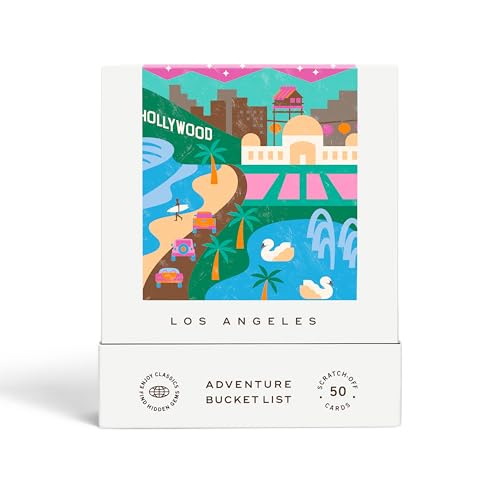
50 LOS ANGELES ADVENTURES - Explore the city of Los Angeles with this unique adventure bucket list! Experience Avalon, Burbank, Corona, Encino, Glendale, Hermosa Beach, Irvine, and more! These adventure cards can be used as a Los Angeles travel guide, leading you to the top-rated activities, loved by tourists and locals alike!

Used Book in Good Condition

Must-See Attractions in Los Angeles Throughout the Year
The Hollywood Sign can be viewed from several legal viewpoints and authorized trails. The Hollywood Sign Trust lists official routes, difficulty levels, estimated times, and safety guidance. Visitors cannot walk up to or touch the letters.
Griffith Observatory offers free building admission, exhibits, public telescopes, views of Los Angeles, and views of the Hollywood Sign. Planetarium shows and nearby parking cost extra. Parking is limited, and the DASH Observatory bus is often easier during busy periods.
The Getty Center combines art, architecture, gardens, and city views. Olvera Street offers restaurants, shops, historic buildings, and cultural sites connected with the early development of Los Angeles.
Universal Studios Hollywood is located in the Los Angeles area and can be reached from the Metro B Line’s Universal/Studio City station with a connecting shuttle. Disneyland Resort is a separate day trip in Anaheim, Orange County. Travel time between Los Angeles and Anaheim varies significantly with traffic.
Venice Beach, Santa Monica, Malibu, Downtown museums, the Academy Museum of Motion Pictures, and Los Angeles County Museum of Art can be visited year-round. Outdoor destinations are more sensitive to heat, smoke, rain, surf, and wind than indoor museums.
Choosing the Best Time to Experience Los Angeles
For most first-time visitors, spring and fall provide the best balance of comfortable sightseeing weather, outdoor activities, and manageable crowds. March through May works well for gardens, markets, museums, and hiking, while October through early November can offer warm days, cooler evenings, Halloween events, and film programming.
Summer is the better choice for travelers focused on beaches, Pride events, and Hollywood Bowl concerts. Winter can provide quieter weekdays, holiday displays, clear post-storm views, and cooler temperatures, but visitors should allow for rain and shorter daylight hours.
The final choice should be based on your main activities and the neighborhoods you plan to visit. Check the local forecast, event dates, road conditions, air quality, and attraction reservations shortly before departure because Los Angeles conditions can change quickly.
Sources
- National Weather Service Los Angeles Climate Plots — official local temperature, rainfall, and climate information.
- Los Angeles Times Festival of Books — current Festival of Books dates and visitor information.
- Universal Studios Hollywood Halloween Horror Nights — official event dates, tickets, and restrictions.
- Griffith Observatory — official admission, hours, parking, transit, and visitor guidance.
- Ready LA County Wildfire Guidance — wildfire preparation, alerts, evacuation terminology, and safety information.
- AirNow — current air-quality and wildfire-smoke information.
Frequently Asked Questions
What is the best time to travel to Los Angeles?
March through May and October through early November are the best general periods for comfortable sightseeing. Summer is better for beaches and outdoor concerts, while winter may offer lower demand on selected dates but has a greater chance of rain.
What is the weather like in Los Angeles throughout the year?
Los Angeles generally has dry summers and a cooler, wetter winter period. Conditions vary by neighborhood. Beaches are usually cooler than Downtown Los Angeles and inland valleys, particularly during summer.
When is the peak tourist season in Los Angeles?
Summer, spring break, major holiday weekends, and the Christmas-to-New-Year period can be busy. Crowds also rise around major concerts, award ceremonies, conventions, sporting events, and neighborhood festivals.
When is the off-peak tourist season in Los Angeles?
Parts of January, February, late fall, and selected spring weekdays may be quieter outside holidays and major events. Los Angeles does not have a perfectly consistent off-season because demand changes by neighborhood and event calendar.
What is the best time for a Los Angeles beach vacation?
July through September usually provides the most dependable sunny coastal weather. June can have cool, cloudy mornings because of the marine layer. Beach water remains cool, and visitors should always follow lifeguard and rip-current warnings.
What is June Gloom in Los Angeles?
June Gloom is a common pattern of coastal low clouds and fog during late spring and early summer. Beaches may be gray in the morning while Downtown Los Angeles and inland areas are sunnier and warmer. Clouds often clear later, but clearing is not guaranteed.
Should wildfire season affect my Los Angeles travel dates?
Wildfires and smoke can affect the region at any time, although hot, dry, and windy periods can raise the risk. Check official alerts, air quality, road closures, and attraction notices before visiting foothills, mountains, or outdoor trails.
Which major Los Angeles events should travelers consider?
Recurring events include the Los Angeles Times Festival of Books in spring, LA Pride and Hollywood Bowl concerts in summer, Halloween Horror Nights and AFI FEST in fall, and holiday displays in winter. The Oscars are held during awards season, but the exact date changes each year.
