
Last Updated on July 25, 2026 by Daniel Globe
If you want to try authentic balık ekmek in Istanbul, start with the waterfront districts where the sandwich is part of everyday street-food culture. Eminönü is the classic choice for the famous fish boats, while Karaköy is strong for modern balık dürüm and fish-sandwich counters. On the Asian side, Kadıköy combines fish sandwiches with one of the city’s liveliest food markets. Galata Bridge is excellent for scenery and sit-down seafood, while Üsküdar, Ortaköy, and Sultanahmet are better treated as secondary stops rather than guaranteed balık-ekmek destinations.
Quick Answer
For the classic Istanbul balık ekmek experience, go to Eminönü beside the Galata Bridge. Choose Karaköy for bolder fish wraps and modern variations, or Kadıköy for an Asian-side market atmosphere. Check the posted price before ordering, and do not assume the fish was caught locally unless the vendor confirms its source.
Key Takeaways
- Eminönü is the best first stop for the traditional fish-boat experience.
- Karaköy is especially good for seasoned balık dürüm and modern fish-sandwich variations.
- Kadıköy combines balık ekmek with a busy market and strong local food scene.
- Do not assume every sandwich contains fish caught that day in the Bosphorus; species and origin vary by vendor.
- Old guides quoting prices such as 30–50 TL are no longer useful in 2026. Check the displayed menu before you order.
Disclosure: As an Amazon Associate I earn from qualifying purchases. Some links on this page are affiliate links, at no extra cost to you.
What Is Balık Ekmek?
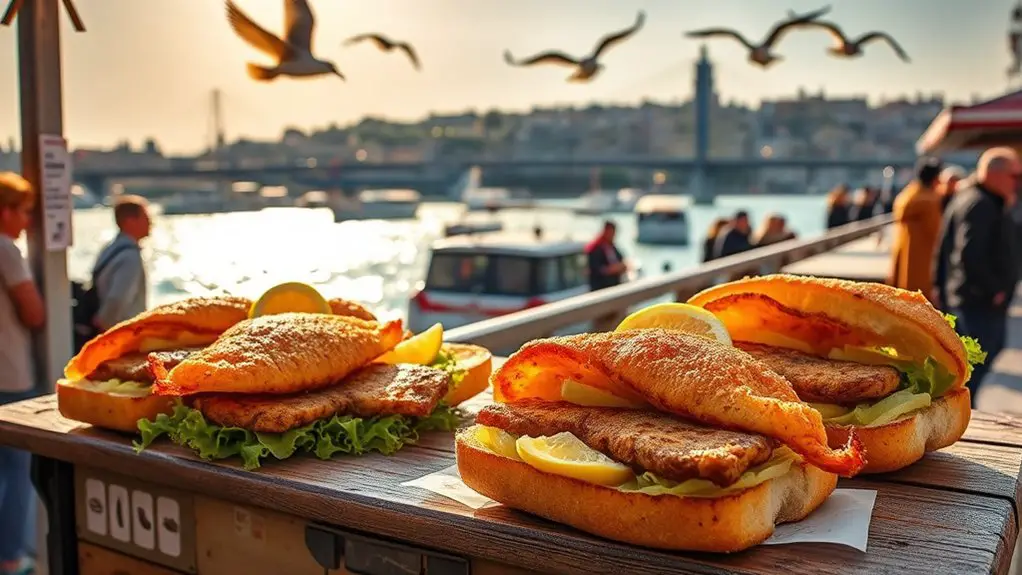
Balık ekmek literally means “fish bread.” The classic Istanbul version places grilled fish in crusty bread with simple additions such as onion, lettuce or other greens, tomato, lemon, and seasoning. The exact combination changes from stall to stall.
Türkiye’s official tourism guide describes balık ekmek as one of Istanbul’s popular street foods and specifically points visitors toward the waterfront areas of Eminönü, Karaköy, and Kadıköy.
Mackerel is strongly associated with the sandwich, but the fish can vary. It is also worth separating balık ekmek from balık dürüm. Balık ekmek is served in bread, while balık dürüm wraps the fish and vegetables in thin flatbread and often uses stronger spices, sauces, or pomegranate-based accents.
Note: A waterfront location does not guarantee that the fish was caught locally that day. Fish species, source, and whether it is fresh or previously frozen vary between vendors. Ask what fish is being served if origin matters to you.
Best Areas for Balık Ekmek at a Glance
| Area | Best For | What to Expect |
| Eminönü | Classic first experience | Historic waterfront atmosphere and famous fish boats |
| Karaköy | Balık dürüm and modern variations | Small counters, stronger seasoning, quick meals |
| Kadıköy | Asian-side food crawl | Fish market, casual restaurants, and many other local foods |
| Galata Bridge | Views and sit-down seafood | Anglers above and restaurants around the lower level |
| Üsküdar | Bosphorus atmosphere | Fish market and waterfront, but less iconic for balık ekmek |
| Ortaköy | Scenery | Beautiful waterfront; better known for kumpir than balık ekmek |
| Sultanahmet | Sightseeing base | Continue toward nearby Eminönü for a stronger selection |
Eminönü Waterfront: The Heart of Balık Ekmek
If you only have time for one balık ekmek stop, Eminönü is the obvious place to begin. The waterfront beside the Galata Bridge has long been associated with fish sandwiches, ferry traffic, markets, and the decorated boats that cook beside the shore.
GoTürkiye’s Eminönü guide specifically highlights the area’s fish stalls and balık-ekmek boats. The setting is as important as the sandwich: ferries arrive and leave nearby, the Spice Bazaar is a short walk away, and the Golden Horn opens out beside you.
The usual preparation is deliberately simple. Grilled fish goes into bread with onion, greens, and optional lemon or salt. That simplicity is part of the appeal, although portion size, fish species, garnishes, and seasoning differ among vendors.
Pro Tip: Choose a busy stall where fish is moving quickly from grill to customer. Check the displayed menu and price before ordering, especially if you plan to add drinks, pickles, or side dishes.
Galata Bridge: A Scenic Spot for Fish
Galata Bridge connects Eminönü with the Beyoğlu side of the Golden Horn and gives you one of Istanbul’s most recognizable waterfront scenes. Anglers line the upper level, while restaurants and seafood venues operate around the bridge and nearby shore.
The bridge itself is worth crossing even if you buy your balık ekmek in Eminönü or Karaköy. According to GoTürkiye, anglers are a familiar sight here throughout the day and night.
Stunning Views While Eating
Few places give you this combination of food and scenery. From the bridge and nearby waterfront, you can see ferries crossing the Golden Horn, mosque silhouettes on the Historic Peninsula, and the hills of Beyoğlu.
Sunset is especially popular, but it is also one of the busiest periods. For a calmer meal, arrive outside the main lunch and evening rush.
The important distinction is that Galata Bridge is both a sightseeing location and a seafood area. You do not have to eat directly on the bridge to enjoy the view; buying a sandwich on either end and walking the waterfront can be just as satisfying.
Fresh Ingredients: What Actually Varies
The original appeal of balık ekmek is its simplicity, but ingredients are not standardized. Fish type, bread, vegetables, and seasoning can differ significantly.
| Ingredient | What to Know |
|---|---|
| Fish | Often mackerel, but species and origin vary. Do not assume it is local catch. |
| Bread | Usually a sturdy roll or portion of crusty bread that can hold the fish and juices. |
| Vegetables | Onion and greens are common; tomato, peppers, and other salad ingredients may appear. |
| Seasoning | Classic versions can be very simple, while newer shops use herbs, spices, sauces, or pomegranate accents. |
Iconic Istanbul Street Food
Balık ekmek has become closely tied to Istanbul’s waterfront food culture because it is quick, filling, and easy to eat while exploring the city.
A classic experience usually involves:
- Fish cooked on a hot grill or griddle.
- Simple seasoning that lets the fish remain the main flavor.
- Crusty bread with onion, greens, and optional lemon.
- A drink or pickled side served alongside, depending on the vendor.
The formula is uncomplicated. The quality difference comes from the fish, cooking, bread, turnover, and how carefully the sandwich is assembled.
Karaköy: Trendy Eateries With a Twist
Cross the Galata Bridge from Eminönü and you reach Karaköy, another area specifically associated with balık ekmek in Istanbul’s official street-food guidance.
Karaköy is especially useful if you want something beyond the plain bread-and-fish format. Small fish counters throughout the neighborhood are known for balık dürüm, where grilled fish is wrapped in thin bread with herbs, vegetables, spices, and stronger sauces.
The result can taste noticeably different from the simpler Eminönü sandwich. Rather than asking which version is more “authentic,” think of them as two branches of the same waterfront street-food tradition: Eminönü for the iconic boat-side experience, and Karaköy for a more seasoned, contemporary style.
Karaköy is also convenient if you are already visiting Galata, Galataport, or the lower end of Beyoğlu.
Üsküdar: Fish Market and Bosphorus Atmosphere
Üsküdar is a worthwhile Asian-side waterfront stop, but it should not be presented as a guaranteed equivalent to Eminönü’s famous fish boats.
What Üsküdar does offer is a strong relationship with seafood. The official Üsküdar guide highlights the Balıkçılar Çarşısı fish market near the pier, along with the district’s long Bosphorus promenade.
What to Look for Around the Fish Market
Rather than searching for one supposedly “iconic” stall, explore the area around the market and ferry terminal and see what is actually cooking that day.
A useful checklist is:
- Fish cooked to order: Hot food straight from the grill is preferable to sandwiches that have been sitting assembled.
- Clear menu: Look for visible prices and ask about extras before ordering.
- Good turnover: A steady stream of customers means cooked food is less likely to sit for long periods.
- Honest answers: Ask what species is being served rather than assuming it is a local Bosphorus catch.
Scenic Waterfront Dining Experience
Üsküdar’s strongest advantage is its setting. The promenade looks back toward the European side, and the Maiden’s Tower is one of the district’s defining views.
A fish sandwich here can therefore work well as part of a broader waterfront outing. Walk the promenade, visit the market, and stop wherever the food looks freshly prepared rather than choosing a vendor only because it advertises itself as traditional.
Freshness: Ask What Is Being Served
You will see fishermen along the Bosphorus, but their presence does not prove that a nearby restaurant or sandwich stall is serving their catch.
For a more reliable choice:
- Ask what type of fish is in the sandwich.
- Ask whether it is fresh or previously frozen if that matters to you.
- Watch for fish being cooked in small batches.
- Choose clean preparation areas with raw and cooked food kept separate.
This gives you more useful information than broad claims about every sandwich being caught locally or sourced sustainably.
Ortaköy: Balık Ekmek With a View
Ortaköy absolutely earns its reputation for Bosphorus scenery. Its waterfront frames the Ortaköy Mosque and bridge, making the neighborhood one of Istanbul’s most photographed stops.
However, balık ekmek is not the food most strongly associated with the district. Official tourism guidance highlights Ortaköy’s waterfront and identifies kumpir, the loaded baked potato, as its famous street-food specialty.
You may still find seafood and fish sandwiches in and around the neighborhood, but availability and quality vary. Choose Ortaköy primarily for its scenery and wider food scene rather than traveling across Istanbul solely for balık ekmek.
Kadıköy Market: A Local Favorite
Kadıköy is one of the best choices if you want to combine balık ekmek with a wider food crawl. GoTürkiye’s street-food guide specifically points visitors toward the district’s fish-market area for fish sandwiches and other local foods.
The neighborhood works particularly well because you are not limited to one meal. Around the market and nearby streets you can explore fishmongers, bakeries, produce shops, casual restaurants, sweets, coffee, and other Istanbul specialties.
When you visit, focus on:
- Fresh preparation: Look for fish being cooked as orders come in.
- Choice: Compare balık ekmek with balık dürüm if both are available.
- Market atmosphere: Leave time to explore rather than treating the district as a single-food stop.
- Easy transport: The ferry journey itself adds to the experience if you are coming from the European side.
The official Kadıköy guide describes the district as a major food and cultural area on Istanbul’s Asian side.
Sultanahmet: Pair Sightseeing With a Detour to Eminönü
Sultanahmet is ideal for landmarks such as Hagia Sophia and the Blue Mosque, but it is not the strongest district to target specifically for balık ekmek.
A better plan is to explore the Historic Peninsula and then continue toward Eminönü, where the city’s famous fish-sandwich waterfront is concentrated near the Galata Bridge and ferry terminals.
This gives you the best of both experiences: Sultanahmet’s major historical sights followed by a more established balık-ekmek setting.
You may still encounter fish sandwiches near tourist areas, but location alone does not make a vendor traditional or high quality. Check the menu, look at how the fish is being handled, and choose based on preparation rather than aggressive advertising.
How to Choose a Good Balık Ekmek Vendor
Balık ekmek is simple enough that small details make a big difference. Before ordering, take a minute to watch how the stall works.
- Look for steady turnover. Busy grills generally mean food is being cooked and served continuously.
- Check that the fish is cooked hot. Avoid sandwiches that appear to have been assembled and left sitting.
- Read the menu first. Confirm the sandwich price and any charges for drinks or sides.
- Ask what fish is being used. Mackerel is common, but species and origin vary.
- Check basic cleanliness. Raw seafood should be kept apart from ready-to-eat bread, salad, and cooked fish.
Warning: Fresh-looking fish is not automatically safe. The U.S. FDA recommends cooking finfish to an internal temperature of 145°F (63°C), or until the flesh is opaque and separates easily. When eating street food, choose fish cooked thoroughly and served hot.
How Much Does Balık Ekmek Cost in Istanbul?
Prices in Istanbul have changed too quickly for old fixed-price guides to remain useful. In particular, advice claiming that a balık ekmek should cost only 30–50 TL is badly outdated for 2026.
In central tourist districts, current menu and listing prices are commonly in the hundreds of Turkish lira, with the amount changing according to the neighborhood, fish, portion, bread or wrap style, and whether you are eating at a street counter or sit-down restaurant.
The safest approach is simple: check the current menu at the venue before ordering. Where prices are not displayed clearly, ask for the total first.
Pro Tip: Compare two or three nearby vendors before ordering. Eminönü and Karaköy have enough competition that you rarely need to commit to the first person who calls you over.
What to Eat and Drink With Balık Ekmek
The classic sandwich does not need many extras. A squeeze of lemon works well with oily fish, while pickled vegetables add acidity and crunch.
Depending on the vendor and your taste, good pairings include:
- Turşu: Turkish pickled vegetables.
- Pickle juice: A sharp, salty accompaniment sold around some traditional waterfront stalls.
- Şalgam: A fermented, tangy turnip-based drink common with strongly flavored foods.
- Turkish tea: An easy choice when you want something warm and mild.
Keep your first sandwich simple before adding heavy sauces. Good grilled fish, bread, onion, greens, and lemon should already have plenty of flavor.
Frequently Asked Questions
What is the history of balık ekmek in Istanbul?
Balık ekmek grew out of Istanbul’s long relationship with fishing, ports, ferries, and waterfront commerce. Serving grilled fish in bread became especially associated with the Golden Horn and Eminönü waterfront, where the sandwich remains one of the city’s best-known street foods.
What fish is normally used in balık ekmek?
Mackerel is strongly associated with Istanbul-style balık ekmek, although vendors can use other fish. Species and origin vary, so ask the vendor if you want to know exactly what is being served.
Is the fish in balık ekmek always caught in the Bosphorus?
No. You should not assume that a waterfront sandwich contains fish caught locally that day. Vendors may use locally landed, imported, fresh, or previously frozen fish depending on supply and season. Ask about the species and source when this matters to you.
Are vegetarian options available at balık ekmek spots?
Some larger restaurants may offer vegetarian dishes, but a fish-focused street stall may have few or none. In districts such as Kadıköy, Karaköy, and Ortaköy, you can easily find other vegetarian street foods and restaurant options nearby. Ask about shared grills if cross-contact with fish matters to you.
What time of day is best for eating balık ekmek?
Lunch through early evening is convenient because waterfront districts are active and many grills have steady turnover. Sunset offers the best scenery but can also bring bigger crowds. More important than the exact hour is choosing a vendor cooking fish continuously and serving it hot.
How much should I expect to pay for balık ekmek?
Do not rely on older guides quoting 30–50 TL. By 2026, central-Istanbul fish sandwiches and wraps commonly cost in the hundreds of Turkish lira, and prices vary by venue, portion, and fish. Check the current posted menu and confirm the total before ordering.
Is balık ekmek safe to eat during hot weather?
It can be, provided the seafood is stored correctly, cooked thoroughly, and served hot. Choose busy, clean vendors that cook fish to order. Avoid undercooked fish or food that appears to have been sitting in the heat for a long time.
Sources
- GoTürkiye — Istanbul Street Food — balık ekmek ingredients and key districts including Eminönü, Karaköy, and Kadıköy.
- Visit Istanbul — Street Delicacies — Istanbul’s official destination guidance on balık ekmek and waterfront street food.
- GoTürkiye — Eminönü — Eminönü’s fish stalls, waterfront, and traditional balık-ekmek experience.
- GoTürkiye — Old Galata Bridge — Galata Bridge history, scenery, and fishing culture.
- GoTürkiye — Kadıköy — background on Kadıköy’s food and market district.
- U.S. Food and Drug Administration — Safe Food Handling — safe seafood handling and minimum cooking temperature guidance.
Conclusion
Balık ekmek is at its best when you treat it as both a meal and a piece of Istanbul’s waterfront culture. For the classic experience, start in Eminönü. Cross toward Karaköy when you want a spicier fish wrap, or take the ferry to Kadıköy for a broader market-and-food outing.
Galata Bridge adds the scenery, while Üsküdar, Ortaköy, and Sultanahmet work better as part of a wider day of sightseeing than as guaranteed destinations for the city’s best fish sandwich. Wherever you eat, check the menu, choose a busy grill serving the fish hot, and ask about the fish rather than assuming it came directly from the Bosphorus. That little bit of care makes it much easier to enjoy one of Istanbul’s most recognizable street foods for what it really is: simple grilled fish, good bread, and a waterfront setting that is hard to reproduce anywhere else.
