
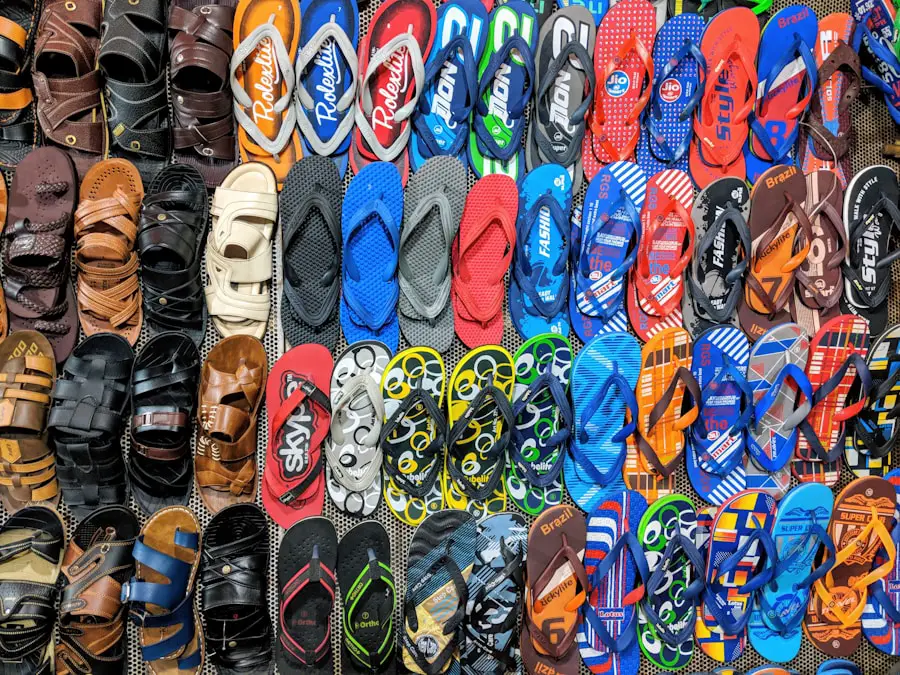
Last Updated on September 10, 2026 by Daniel Globe
Finding hiking shoes near you is easier when you know which stores are most likely to carry trail-ready footwear and what to check before you buy. Local outdoor shops and specialty hiking stores usually provide the strongest fitting help, while sporting goods stores, department stores, online retailers with local pickup, and secondhand marketplaces can offer more price and inventory options.
Quick Answer
To find hiking shoes near you, start with local outdoor stores, specialty hiking or trail-running shops, and sporting goods stores. Then check retailer websites for pickup inventory using your ZIP code. Try shoes on with your normal hiking socks and choose a pair that feels secure without squeezing your toes.
Key Takeaways
- Local outdoor and specialty hiking stores are often the best places to get hands-on fitting help and compare trail-specific footwear.
- Sporting goods and department stores can be convenient, but hiking-specific inventory and staff expertise vary by location.
- Online retailers with store pickup let you check nearby inventory before making a trip.
- A good hiking shoe should feel snug but not tight, leave room for your toes, and avoid repeated heel slipping or rubbing.
- Choose footwear according to terrain, weather, pack weight, traction needs, and the amount of protection you prefer.
- Used hiking shoes can save money, but inspect wear carefully and avoid buying unknown-history safety equipment such as helmets, climbing ropes, or harnesses secondhand.
- Shoe repair shops may be able to extend the life of some hiking footwear, although not every shoe or boot can be resoled.
Disclosure: As an Amazon Associate I earn from qualifying purchases. Some links on this page are affiliate links, at no extra cost to you.
Local Outdoor Stores
Local outdoor stores are a strong first stop when shopping for hiking shoes near you. These shops usually focus on hiking, camping, climbing, backpacking, or other outdoor activities, so their footwear selection is more likely to include products designed specifically for trails rather than ordinary athletic shoes.
Another advantage is access to staff who may be familiar with nearby trails, seasonal weather, mud, rock, elevation, and other local conditions. That experience can help you decide whether you need a lightweight hiking shoe, a more protective boot, waterproof footwear, or something designed for hot and dry conditions.
Local shops may also host gear swaps, workshops, community events, or guided outings. Availability varies by store, but these events can help newer hikers meet people who know the surrounding trails and learn what equipment works locally.
Pro Tip: Call or check the store’s website before driving across town. Ask whether your size is available in several models so you can compare fit rather than settling for the only pair on the shelf.
Specialty Hiking Stores
Specialty hiking stores concentrate on trail equipment such as hiking shoes and boots, backpacks, trekking poles, hydration systems, socks, and technical clothing. They are particularly useful when fit matters more than simply finding the lowest price.
A knowledgeable footwear employee can help compare shoe width, foot volume, cushioning, stiffness, traction, and intended terrain. According to REI’s hiking-footwear fitting guidance, hiking footwear should feel snug throughout the foot without feeling tight, and the toes should still have room to move.
Some specialty stores also rent outdoor equipment, maintain demo programs, or organize guided activities. Those services are store-specific, so check locally rather than assuming every specialty retailer offers them.
Sporting Goods Stores
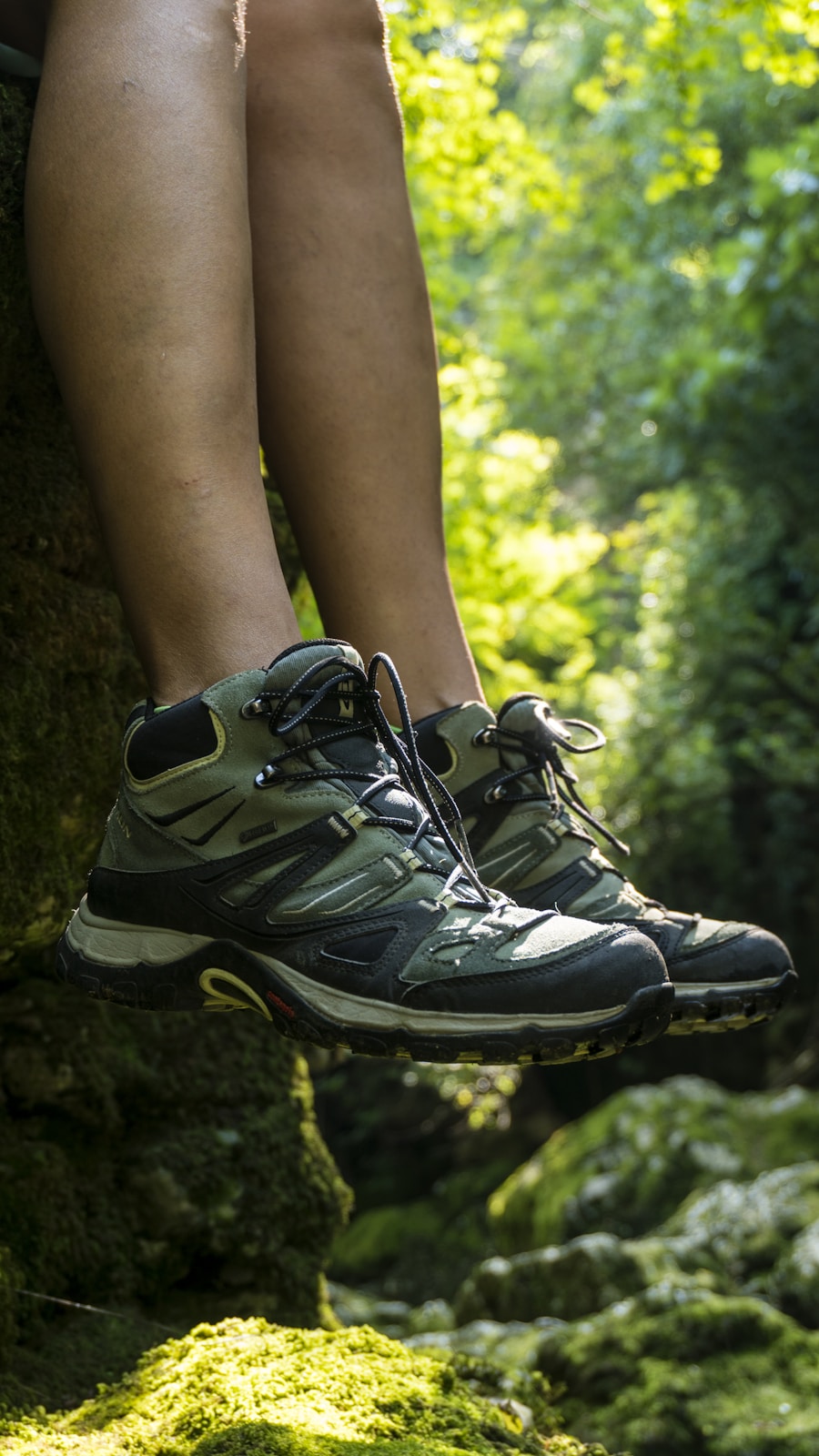
Sporting goods stores are another convenient place to look for hiking shoes. Larger stores may carry hiking footwear alongside running shoes, camping equipment, athletic clothing, and equipment for other sports.
The main benefit is convenience. You may be able to compare several brands, shop for socks or other trail gear at the same time, and take advantage of store promotions. The tradeoff is that the depth of hiking-specific inventory and employee expertise can vary considerably from one location to another.
Trail-running shoes are also worth checking in these stores. For hikers who prefer lightweight, flexible footwear on moderate trails, a trail runner can sometimes be a practical alternative to a traditional hiking shoe.
Department Stores
Department stores can work for casual hikers, bargain shoppers, and people who live far from a dedicated outdoor retailer. Their outdoor-footwear selection is usually less specialized, so it is important to verify that a shoe is actually designed for trail use rather than choosing it only because it has a rugged appearance.
| Department Store | What to Expect | Best Shopping Strategy |
|---|---|---|
| Macy’s | Footwear selection varies by location and season. | Check local inventory before visiting and compare trail features rather than appearance alone. |
| Kohl’s | A broad footwear assortment may include outdoor or trail-oriented models, depending on the store. | Confirm size and local availability online before making a special trip. |
| JCPenney | General footwear is widely available, while dedicated hiking selection can vary. | Use the store locator and pickup options to verify what your nearest location actually carries. |
Department stores often have convenient locations and frequent promotional pricing. However, they may not provide the same range of widths, technical trail models, or specialized fitting help found at an outdoor footwear store.
For that reason, compare the shoe’s outsole, fit, cushioning, construction, and intended use instead of buying solely on price.
Online Retailers with Local Pickup Options
Online shopping and local pickup can be one of the fastest ways to find hiking shoes near you. Instead of visiting several stores hoping they have your size, enter your ZIP code or city on a retailer’s website and filter the results for nearby pickup.
For example, REI’s hiking-footwear inventory allows shoppers to select a store and filter products by local pickup. Similar inventory tools are offered by many large retailers, although availability and pickup times vary.
Online product pages also make it easier to compare features, sizes, waterproof versions, customer feedback, and prices before visiting a store.
Note: Local inventory can change quickly. A product appearing on a retailer’s website does not always mean your nearest store has your size on the shelf, so reserve it or confirm availability before traveling.
How to Find Hiking Shoes Near You Quickly
If you want a pair today, use a simple local-search process:
- Search nearby outdoor stores first. Dedicated outdoor and hiking shops are most likely to have trail-specific models and fitting help.
- Check sporting goods and trail-running stores. They can offer additional brands and lighter footwear options.
- Enter your ZIP code on retailer websites. Filter for in-store or curbside pickup where available.
- Confirm your size before leaving home. Ideally, find a store with several models in your approximate size and width.
- Check the return policy. A generous return or exchange policy is valuable when you are unsure how a new model will feel after more walking.
How to Choose the Right Hiking Shoes
Finding a nearby store is only half the job. The best hiking shoe is the one that matches both your feet and the type of trail you plan to hike.
Match the Footwear to the Trail
Current hiking-footwear guidance separates footwear into several categories rather than treating every trail shoe as the same product.
- Hiking shoes: Lightweight, relatively flexible options for day hikes and light-to-moderate terrain.
- Day-hiking boots: More protection and ankle coverage for rougher terrain or hikers who prefer a more structured shoe.
- Backpacking boots: Stiffer, more protective footwear intended for longer trips, heavier loads, and more demanding terrain.
- Trail-running shoes: Lightweight and flexible choices for faster movement and hikers who prefer less structure.
- Specialized footwear: Approach and mountaineering shoes or boots are designed for more specific climbing, alpine, or technical conditions.
Check Traction
The outsole should suit the surface you expect to hike. Hiking footwear uses rubber outsoles with tread blocks called lugs. Deeper or more widely spaced lugs can be useful on loose soil and mud, while outsole patterns intended for rock may use different shapes and contact areas.
REI’s current hiking-footwear guide notes that outsole hardness, lug depth, lug spacing, and tread pattern all affect how footwear behaves on different terrain.
Decide Whether You Need Waterproof Shoes
Waterproof hiking shoes and boots can be helpful in wet grass, shallow mud, rain, and cool conditions. However, waterproof construction often reduces ventilation and can take longer to dry once water gets inside.
Non-waterproof hiking shoes are often more breathable and can make sense for hot, dry conditions. As REI’s hiking-shoe and hiking-boot comparison explains, lighter hiking shoes are typically more breathable while more protective boots commonly trade some ventilation for weather resistance and structure.
Consider Your Pack Weight and Desired Support
Light hiking shoes work well for many day hikers carrying modest loads. Longer trips, rough terrain, and heavier backpacks may make a stiffer shoe or boot more comfortable for some hikers because it provides additional structure and underfoot protection.
Do not choose footwear solely by ankle height, though. Comfort, fit, sole stiffness, traction, your hiking style, and your own stability preferences all matter.
How Hiking Shoes Should Fit
Fit matters more than brand name. Two shoes marked with the same numerical size can feel very different because of differences in width, shape, heel volume, toe-box design, and construction.
REI recommends hiking footwear that feels snug everywhere but tight nowhere, with enough room to wiggle your toes. Its fitting guidance also suggests roughly a thumb’s width between the longest toe and the end of the insole. Trying footwear later in the day can help because feet often swell somewhat during normal activity.
- Wear the same thickness of hiking socks you expect to use on the trail.
- Bring any orthotics or special insoles you normally wear.
- Make sure your toes do not hit the front when walking downhill.
- Check for pinching along the sides or top of the foot.
- Your heel should feel secure without repeated slipping or rubbing.
- Walk around the store for several minutes rather than judging the shoe while sitting.
- Use an incline or test ramp when the store provides one.
- Try more than one model because different shoe shapes suit different feet.
Pro Tip: Do not buy painfully tight hiking shoes expecting them to stretch into the right shape. Your toes need enough room from the beginning, especially on descents when the foot tends to move forward.
Shoe Repair Shops
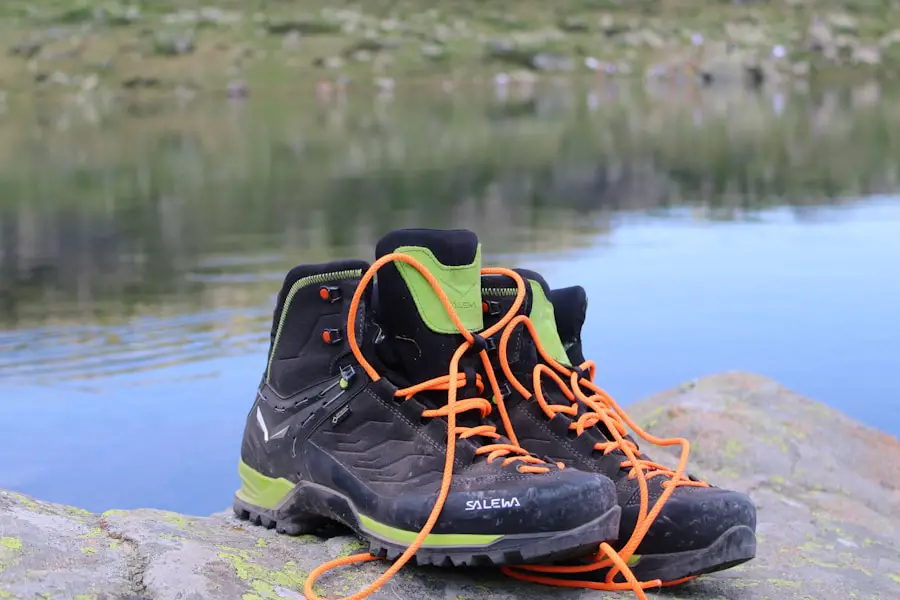
Shoe repair shops may not be the first place you think of when shopping for hiking footwear, but they can help extend the life of some boots and shoes you already own.
Depending on the footwear’s construction, a cobbler may be able to repair stitching, replace certain hardware, address damaged heel areas, apply conditioning or waterproofing treatments, or resole compatible boots. Not every modern hiking shoe can be resoled, so ask the repair shop or footwear manufacturer before assuming a repair is possible.
Some shoe repair shops also sell cleaning products, waterproofing treatments, laces, insoles, and other footwear-care supplies.
Repairing suitable footwear instead of immediately replacing it can also reduce waste. The U.S. Environmental Protection Agency specifically recommends repair and reuse as ways to keep products in service longer and reduce waste.
Farmers Markets and Flea Markets
Farmers markets are not normally the first place to look for technical hiking shoes, but some community markets include artisans selling outdoor accessories, handmade bags, apparel, or other locally produced goods. Selection depends entirely on the vendors attending that market.
Flea markets are more likely to have secondhand footwear and outdoor equipment. Prices can be low, but condition is less predictable than it is at a specialist resale shop.
When examining used hiking shoes, check the outsole for uneven or excessive wear, inspect the upper for separating materials or damaged stitching, look inside for worn lining, and make sure the midsole still feels supportive rather than badly compressed.
Community Buy/Sell/Trade Groups
Community buy/sell/trade groups can be useful for finding hiking shoes and other outdoor gear at reduced prices. These groups often operate through social-media communities or local marketplace platforms where members list equipment they no longer need.
Peer-to-peer shopping gives you an opportunity to ask the previous owner how often the shoes were used, whether they leaked, why they are being sold, and whether there are known defects. Whenever possible, inspect and try on footwear before buying because used shoes may already reflect another person’s wear pattern.
Warning: Used hiking shoes and ordinary non-safety gear can be reasonable purchases when carefully inspected, but avoid unknown-history safety-critical equipment such as climbing ropes, climbing harnesses, helmets, and avalanche-rescue equipment. Internal damage or age-related deterioration may not be obvious.
Buying used and repairing equipment can also keep functional products in circulation longer. The EPA encourages reuse and repair where practical, and established outdoor-resale guidance similarly recommends inspecting secondhand gear carefully before purchase.
Which Shopping Option Is Best?
| Shopping Option | Best For | Main Limitation |
| Local outdoor store | Personal fitting help and local trail advice | Smaller stores may carry fewer sizes or brands |
| Specialty hiking store | Technical footwear and expert comparisons | May not be available in every community |
| Sporting goods store | Convenience, broader inventory, and promotions | Hiking expertise varies |
| Department store | Casual hikers and bargain shopping | Limited technical selection |
| Online order with local pickup | Checking sizes and inventory before leaving home | Inventory can change and fit still needs testing |
| Flea market or community resale | Low prices and secondhand finds | Condition, fit, warranty, and returns can be uncertain |
For a first pair of hiking shoes, an outdoor or specialty footwear store is usually the easiest place to get a proper comparison. Experienced hikers who already know which brands and shoe shapes fit them may find online ordering with local pickup more efficient.
If you are looking for hiking shoes near you, you may also be interested in checking out this article on the best solar charger for backpacking. A portable charging setup can be useful when you need to keep a phone, navigation device, or other small electronics powered during longer trips.
Love travel? Join Our Facebook Community For More Tips.
Frequently Asked Questions
What are hiking shoes?
Hiking shoes are trail-oriented footwear designed to provide traction, cushioning, underfoot protection, and durability while remaining relatively lightweight. Most hiking shoes are low-cut, so they generally provide less ankle coverage than mid- or high-cut hiking boots.
Where can I buy hiking shoes near me?
Start with local outdoor retailers, specialty hiking or trail-running stores, and sporting goods stores. Department stores may also carry some trail footwear. To save time, enter your ZIP code on retailer websites and check in-store or local-pickup inventory before visiting.
What should I look for when buying hiking shoes?
Prioritize fit, traction, underfoot protection, cushioning, durability, and suitability for your normal terrain. Also decide whether waterproofing is useful for your conditions or whether you would rather have a lighter and more breathable shoe.
What are the different types of hiking footwear?
Common choices include low-cut hiking shoes, trail-running shoes, day-hiking boots, backpacking boots, and specialized footwear such as approach or mountaineering shoes and boots. The best type depends on terrain, weather, pack weight, pace, and how much structure and protection you prefer.
How do I know if hiking shoes fit properly?
They should feel secure without squeezing your foot. Your toes should be able to move, and they should not hit the front of the shoe on a downhill slope. REI recommends about a thumb’s width between the longest toe and the end of the insole. Repeated heel slipping, rubbing, pinching, or pressure points indicate that another size or model may fit better.
Should I buy hiking shoes a half size larger?
Do not automatically size up by a fixed amount. Shoe sizing and foot shape vary by brand and model. Instead, judge the actual fit with your hiking socks on, leaving adequate toe room while keeping the heel and midfoot comfortably secure.
Are waterproof hiking shoes better?
Not in every situation. Waterproof footwear can be useful in rain, wet vegetation, mud, and cooler conditions. Non-waterproof shoes are often more breathable and may dry faster, which can make them more comfortable for hot or dry hiking.
Sources
- REI Co-op — How to Choose Hiking Boots and Hiking Shoes — footwear categories, terrain considerations, outsole features, sizing, and fit guidance.
- REI Co-op — Hiking Boots vs. Hiking Shoes — differences in weight, protection, waterproofing, breathability, and flexibility.
- REI Co-op — Hiking Footwear — current example of ZIP/store-based local pickup and inventory filtering.
- U.S. Environmental Protection Agency — Waste Reduction Guidance — repair, reuse, and buying used as waste-reduction practices.
- REI Co-op — How to Buy Used Outdoor Gear and Clothing — inspection considerations and safety limitations for secondhand equipment.

