
Last Updated on September 10, 2026 by Daniel Globe
Looking for hiking boots near you is easier when you know which stores are most likely to have the right size, fit, and trail-ready features. Outdoor specialty stores and local gear shops are usually the best places to start because you can compare several models in person, while sporting goods stores, shoe retailers, department stores, secondhand shops, and online retailers give you additional options.
Quick Answer
To buy hiking boots near you, start with an outdoor specialty store or local gear shop where you can compare models and get fit help. Sporting-goods and footwear stores are good alternatives. If local stock is limited, check online retailers with clear return policies, then confirm the fit before taking the boots outdoors.
Key Takeaways
- Outdoor specialty stores and local gear shops are strong first choices when you want several hiking-boot models plus help with fit and trail conditions.
- Sporting goods stores usually offer convenient locations and a mix of hiking footwear, clothing, and other outdoor equipment.
- Shoe stores can be useful for sizing and fit, but confirm that the location actually carries trail-specific hiking footwear.
- Online shopping gives you a wider selection, but you should check the seller’s return policy before ordering an unfamiliar size or brand.
- For used hiking boots, inspect the outsole, midsole, interior footbed, seams, and overall fit rather than judging the pair by appearance alone.
Disclosure: As an Amazon Associate I earn from qualifying purchases. Some links on this page are affiliate links, at no extra cost to you.
Outdoor Specialty Stores
Outdoor specialty stores are often the best place to begin when you are searching for hiking boots near you. These retailers focus on hiking, camping, backpacking, climbing, and related activities, so their footwear departments are more likely to include hiking shoes, day-hiking boots, backpacking boots, and other trail-specific options.
A specialty store can also help you match footwear to the way you actually hike. The right choice depends on factors such as trail surface, distance, weather, pack weight, and how much underfoot protection you prefer. Current REI hiking-footwear guidance likewise recommends choosing footwear around terrain, trip duration, load, construction, and fit rather than simply buying the tallest boot available.
Depending on the retailer, you may see established outdoor brands such as Patagonia and The North Face alongside footwear specialists and retailer house brands such as REI Co-op. Brand availability varies by location, so check the store’s current inventory rather than making a special trip for one model without confirming stock.
Many outdoor specialty stores also run classes, group outings, demonstrations, or local events. These can be useful when you are new to hiking because staff and local hikers can explain which footwear features work well on nearby trails.
Pro Tip: Try hiking boots on later in the day, when your feet may be slightly larger from normal activity. Wear the same hiking socks you plan to use on the trail, and bring your usual orthotics or insoles if you wear them.
Sporting Goods Stores
Sporting goods stores serve a broader audience than dedicated outdoor shops, but many still carry hiking shoes and boots from major outdoor footwear brands. They can be convenient when you want to compare hiking footwear with socks, rainwear, trekking poles, hydration gear, or equipment for other sports in one trip.
Selection can vary sharply from one location to another. A large store near an area with popular trails may carry more hiking footwear than a smaller urban branch. Before driving across town, look up the exact model, size, and width online or call the footwear department.
Major chains with current U.S. store locators include DICK’S Sporting Goods, Academy Sports + Outdoors, and Bass Pro Shops and Cabela’s. Inventory differs by store, so a nearby location is only useful if it has the footwear category and size you need.
Sporting goods stores also commonly sell athletic apparel, running shoes, fitness equipment, and electronics such as activity trackers. That broader inventory is convenient for families shopping for several activities, although employees may have different levels of hiking-footwear experience from one store to another.
Department Stores
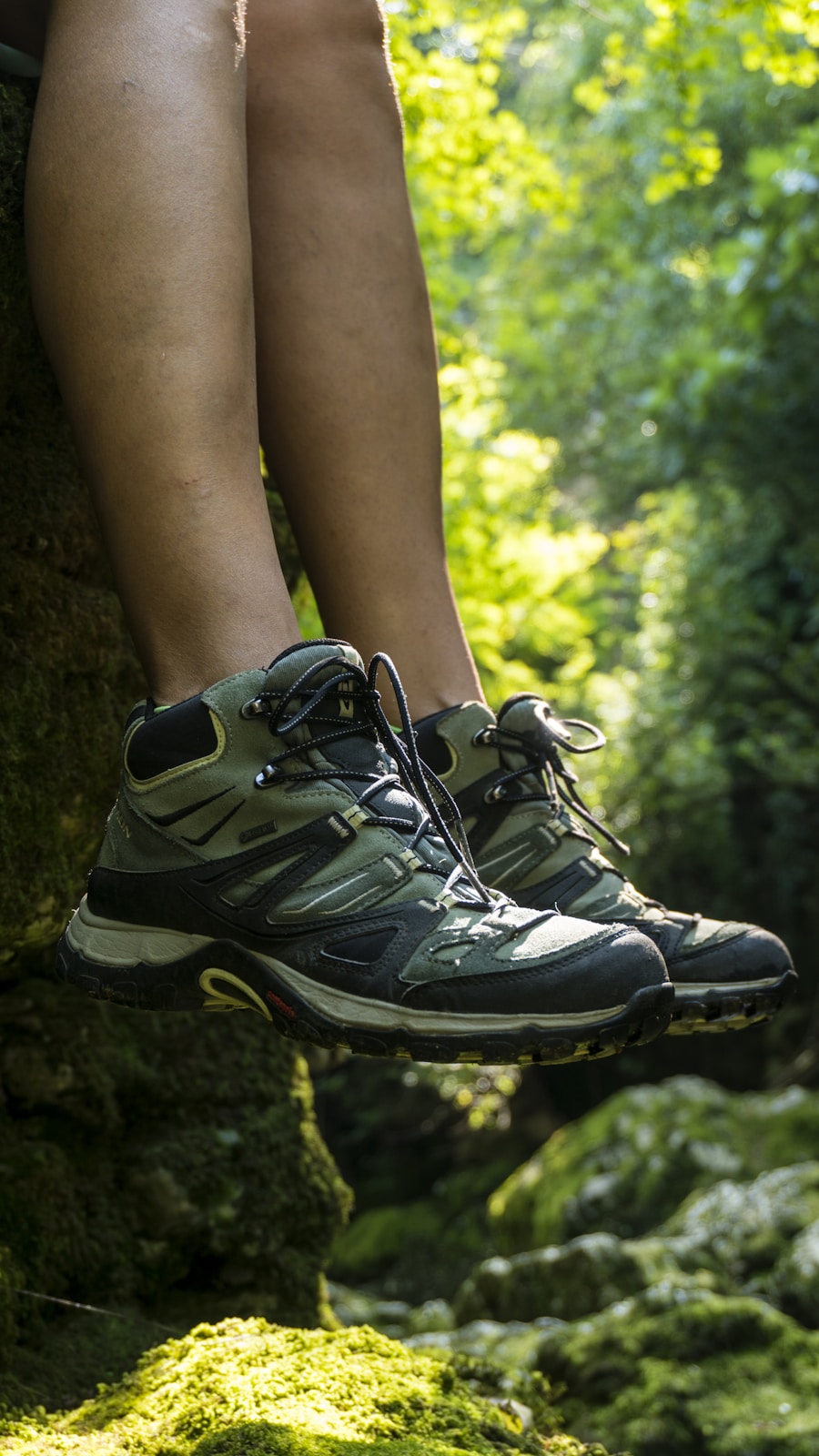
Department stores provide a one-stop shopping experience for clothing, home goods, footwear, and other products. Some locations carry hiking-inspired footwear or a small outdoor section, making them a convenient option when you need basic boots for casual trails and do not have an outdoor specialist nearby.
The main drawback is selection. A department store may have fewer technical models, widths, waterproofing choices, or backpacking boots than an outdoor retailer. Staff may also be less familiar with matching footwear to pack weight, steep terrain, or long-distance hiking.
Department stores often combine national brands with private-label or lower-cost footwear, and seasonal promotions can reduce prices. Instead of assuming a sale automatically makes one pair the best value, compare fit, traction, construction, return terms, and intended use first.
For families or groups with different shopping needs, the ability to browse multiple departments during the same trip can still make a department store a practical stop.
Shoe Stores
Shoe stores can be useful when fit is your biggest concern. Some carry hiking boots, trail-running shoes, weather-resistant footwear, insoles, and hiking socks, while others mainly specialize in casual or athletic shoes. Check the store’s product range before visiting.
| Fit Check | What to Look For |
| Toe room | Your toes should be able to wiggle without hitting the front. REI suggests roughly a thumb’s width between your longest toe and the end of the removed insole as a useful length check. |
| Heel | The heel should feel secure without painful pressure, rubbing, or excessive lifting as you walk. |
| Width and volume | Avoid pinching at the forefoot, pressure across the top of the foot, or obvious empty space that remains after proper lacing. |
| Socks and insoles | Try the boots with the hiking socks and any orthotics or replacement insoles you expect to wear on the trail. |
| Walking test | Walk around the store and use an incline or test ramp when available. Watch for heel rubbing, hot spots, pinching, or toes striking the front on a decline. |
Knowledgeable footwear staff may be able to measure foot length and width and suggest models with a suitable shape. Some stores also use digital or 3D measurement systems. These tools can provide useful measurements, but no scan can guarantee that a particular hiking boot will be comfortable for your feet. You still need to stand, walk, flex, and test the footwear yourself.
Insoles and moisture-wicking hiking socks can also affect fit. Do not automatically add a thicker insole to correct a boot that is fundamentally the wrong size or shape.
Online Retailers
Online retailers offer a much wider selection than many individual stores. Amazon, Backcountry, REI’s online store, and brand-direct websites may carry sizes, widths, colors, or specialist models that are difficult to find locally.
Online shopping also makes it easy to compare specifications and prices. The tradeoff is that hiking footwear is highly fit-dependent. A size that works in one brand or even one product line may not feel the same in another.
Before ordering, check the seller’s current return conditions rather than assuming shipping and returns are free. Policies can differ according to whether footwear is unused, worn, final-sale, or returned after a certain period. For example, Backcountry’s published return policy distinguishes between unused gear and qualifying used gear.
Note: When testing an online purchase, keep the boots clean and follow the seller’s return rules. Walk indoors first and confirm toe room, heel security, width, and comfort before using them on a trail.
Online retailers can also provide access to niche climbing, mountaineering, ultralight, and backpacking footwear. Product filters and sizing tools can help narrow your choices, but they should support—not replace—a real fit check.
Local Outdoor Gear Shops
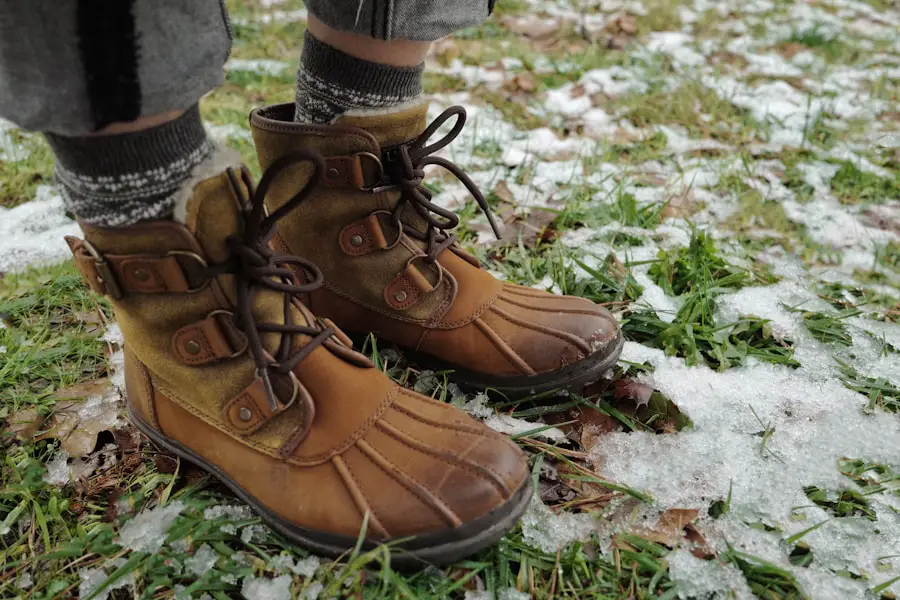
Independent outdoor gear shops can be especially useful because their inventory is often shaped by the terrain and climate around them. A shop near mountainous trails may carry more technical hiking and backpacking footwear, while a retailer in a wetter region may stock a wider range of waterproof options.
Local staff may also have firsthand knowledge of nearby trails. That gives you an opportunity to describe where you hike, how far you normally travel, and whether you carry a light daypack or a heavier backpack instead of choosing boots solely by appearance.
Many independent stores also organize group hikes, trail cleanups, navigation classes, climbing meet-ups, or other outdoor events. These activities can help beginners meet experienced hikers and learn more about local conditions.
Some local shops stock smaller regional brands or specialty products that are harder to find at national chains. Supporting a local retailer can also keep more spending within the surrounding community.
Secondhand Stores
Secondhand outdoor stores, consignment shops, and used-gear programs can reduce the cost of hiking equipment and keep usable products in circulation. Inventory is unpredictable, but shoppers may find hiking boots, hiking shoes, backpacks, camping gear, and other outdoor equipment at lower prices than new equivalents.
Used footwear deserves closer inspection than a jacket or simple accessory. Check the tread for uneven or severe wear, flex the sole and look for separation, examine the midsole for obvious compression or cracking, inspect the lining and waterproof areas, and look inside for deep foot impressions from the previous wearer.
Quality standards vary among sellers. As one useful benchmark, the REI Re/Supply program states that footwear must include standard components such as insoles and cannot show signs of heavy wear such as visible foot impressions to qualify for its trade-in program.
Warning: Do not buy a used hiking boot simply because the upper looks clean. Severely worn tread, a compressed midsole, sole separation, or an interior molded heavily to another person’s foot can make a bargain unsuitable for serious trail use.
Some secondhand shops and outdoor retailers also run trade-in programs that exchange eligible used gear for cash or store credit. Requirements vary, so check the specific program before bringing equipment to a store.
How to Find Hiking Boots Near You Quickly
- Start with outdoor retailers. Use an official locator such as the REI Store Locator, or search for independent outdoor shops in your city.
- Check sporting-goods alternatives. Look at nearby sporting-goods and footwear stores if the nearest specialty shop is too far away.
- Confirm your size before driving. Check online inventory for the model, size, width, and men’s/women’s version you need. If the website is unclear, call the store.
- Ask about fitting help. If you are buying your first technical hiking or backpacking boots, ask whether someone in the footwear department can help with sizing and fit.
- Bring your real trail setup. Wear your hiking socks and bring orthotics or aftermarket insoles that you normally use.
- Compare more than one model. Foot shape varies, so the most popular boot or the model with the biggest discount may not be the best match for you.
Choose the Right Hiking Footwear Before You Shop
Not every hiker needs a heavy boot. The best choice depends on terrain, trip length, pack weight, weather, and personal comfort.
| Footwear Type | Best Match | Typical Tradeoff |
| Hiking shoes | Day hikes, maintained trails, lighter loads, and hikers who prefer lower-cut footwear. | Usually lighter and more flexible, with less coverage around the ankle than a boot. |
| Day-hiking boots | Day hikes and shorter trips on light to moderately difficult terrain. | More structure and coverage than a hiking shoe, usually with additional weight and reduced flexibility. |
| Backpacking boots | Multiday trips, heavier packs, rougher trails, and hikers who want a stiffer platform. | Heavier and stiffer, and many models need more break-in time. |
| Mountaineering boots | Snowy alpine terrain, mountaineering, and activities that may require compatible traction equipment. | Highly specialized, stiff, heavy, and unnecessary for ordinary maintained hiking trails. |
Waterproofing is another choice rather than an automatic requirement. Waterproof footwear can be useful in wet grass, mud, shallow water, rain, or snow, but waterproof membranes can feel warmer and less breathable than some non-waterproof alternatives. Match the feature to your normal weather and trail conditions.
What to Check When Trying On Hiking Boots
The current REI fitting guide describes a good hiking-footwear fit as snug without being tight, with room to move your toes. Use the following checks before buying:
- Length: Make sure your longest toe has room and does not strike the front when walking downhill.
- Width: Your forefoot should not feel squeezed from either side.
- Heel: Watch for rubbing or excessive heel movement once the boot is laced properly.
- Top of the foot: Laces should hold the foot securely without creating painful pressure.
- Hot spots: Any obvious rubbing or pinching in the store is a reason to try another size or model rather than hoping the problem disappears.
- Socks: Fit the boot with the same thickness and style of hiking sock you intend to wear.
- Orthotics: Bring custom orthotics or replacement footbeds so you can confirm that they fit inside the boot correctly.
- Movement: Walk for several minutes and test an incline or ramp when available.
Some substantial backpacking and mountaineering boots also benefit from a break-in period before a long trip. More flexible hiking shoes may require much less. Do not make your first full-day hike the first extended test of a stiff new pair.
Warning: Appropriate footwear is part of basic trail preparation, but no boot can prevent every slip or ankle injury. The National Park Service recommends sturdy footwear suited to the trail, and worn or smooth soles should not be relied on for rough or slippery terrain.
Hiking Trails and Outdoor Events
Nearby hiking trails can help you decide what type of footwear to buy. An easy, maintained nature path places different demands on your feet than a steep route with loose rock, roots, mud, snow, or a heavy backpack. Check the conditions on the trails you plan to use before choosing a boot simply because it looks rugged.
National parks, local conservation areas, and recreation departments maintain trails with widely different difficulty levels. The National Park Service’s Hike Smart guidance recommends planning for the specific route and carrying appropriate equipment, including suitable footwear.
Outdoor events such as organized hikes, trail cleanups, skills workshops, and local adventure races can also connect you with other hikers. Local gear shops sometimes host these events, giving you another opportunity to ask what footwear works well for the area’s terrain and weather.
Participating in trail cleanups and conservation activities can support the places where you hike while helping you gain firsthand experience with local trail conditions.
If you are preparing for other outdoor trips, you may also want to read our guide to the best travel fishing rod. For wet-weather travel, see our guide to waterproof sneakers for travel. Parents planning outdoor trips with young children can also see our guide to the best double stroller for travel.
Love travel? Join Our Facebook Community For More Tips.
Frequently Asked Questions
What are hiking boots?
Hiking boots are trail-oriented footwear designed to provide protection, traction, and support on outdoor terrain. Construction ranges from relatively flexible day-hiking boots to much stiffer backpacking and mountaineering footwear.
Where can I buy hiking boots near me?
Start with outdoor specialty stores and independent gear shops, then check sporting goods stores, footwear retailers, department stores, and secondhand outdoor stores. Use official store locators and check your size and width online or by phone before traveling to a location.
What should I look for when buying hiking boots?
Prioritize fit first, then match traction, stiffness, upper materials, waterproofing, weight, and protection to the terrain and trips you expect to hike. A technically impressive boot is still the wrong choice if it pinches, rubs, or does not match your foot shape.
How do I know if hiking boots fit properly?
They should feel secure without painful tightness, leave room for your toes, and avoid obvious pressure points or rubbing. Your toes should not strike the front on a decline, and your heel should not slide excessively. Test the boots with your normal hiking socks and orthotics or insoles.
What are the different types of hiking boots?
Common hiking footwear includes low-cut hiking shoes, day-hiking boots, heavier backpacking boots, and specialized mountaineering boots. The best category depends on terrain, trip duration, load, weather, and personal preference rather than collar height alone.
How should I care for my hiking boots?
Follow the manufacturer’s care directions for the boot’s specific materials. In general, remove dirt and mud with a soft brush and water, let footwear dry naturally at room temperature away from direct heat, and use only waterproofing or leather treatments that are compatible with the boot.
Is it better to buy hiking boots in a store or online?
In-store shopping is especially useful for your first pair because you can compare sizes, widths, and models immediately. Online shopping usually offers a larger selection. If you order online, choose a retailer with a suitable return policy and test the boots indoors before wearing them on a trail.
Do hiking boots need to be waterproof?
Not always. Waterproof boots can be useful for rain, mud, wet vegetation, and snow, but they can also feel warmer and may dry more slowly once water gets inside. For hot or generally dry conditions, some hikers prefer lighter and more breathable non-waterproof footwear.
Sources
- REI Co-op — How to Choose Hiking Boots and Shoes — footwear categories, terrain, fit, socks, toe room, and break-in guidance.
- U.S. National Park Service — Hike Smart — trail preparation and appropriate hiking footwear.
- REI Re/Supply FAQ — current standards used when evaluating secondhand footwear.
- Backcountry Return Policy — example of why online return conditions should be checked before ordering footwear.
- Salomon Footwear Care — cleaning, drying, leather treatment, and footwear-care guidance.
