

Last Updated on July 25, 2026 by Daniel Globe
Hotels do not all charge your card at the same point in a reservation. The timing depends on the rate you booked, the hotel’s payment policy, where you booked, and whether the transaction is a temporary authorization or a completed charge. Checking those details before arrival can prevent a surprise reduction in your available credit or bank balance.
Quick Answer
Hotels may charge your card at booking, shortly before arrival, at check-in, or at check-out, depending on the rate and property. Prepaid rates can be charged immediately. Flexible rates are often settled later, while a separate authorization hold may temporarily reduce your available credit or bank balance for room, tax, and incidentals.
Key Takeaways
- A card authorization or “hold” is different from a completed hotel charge.
- Advance-purchase and non-refundable rates may be charged when you book.
- Flexible or pay-at-property rates may be settled later, but the hotel can still authorize your card before or during check-in under its terms.
- Hotels often authorize extra funds for incidentals, and the amount varies by property.
- Debit-card holds can temporarily make real money in your bank account unavailable, so check the hotel’s deposit amount before arrival.
- Cancellation and no-show charges depend on the exact rate and property rather than a universal 24-hour rule.
- After checkout, the hotel may release an unused authorization promptly, but your bank or card issuer controls when the available funds or credit fully return.
Disclosure: As an Amazon Associate I earn from qualifying purchases. Some links on this page are affiliate links, at no extra cost to you.
When Do Hotels Charge Your Card?
The easiest way to understand hotel payments is to separate the reservation into stages. A card can be verified when you book, charged immediately for a prepaid rate, authorized shortly before or at check-in, and finally charged when the bill is settled.
| Reservation stage | What may happen to your card |
| At booking | The hotel or booking site may verify the card, charge a deposit, or collect the full price for an advance-purchase or prepaid rate. |
| Before arrival | Some properties pre-authorize the card or collect a deposit according to the reservation terms. |
| At check-in | A hotel may authorize enough for room, tax, applicable fees, and an additional incidental amount. A prepaid guest may still need a card for this hold. |
| During the stay | Additional authorization may be requested if the stay is extended or the expected bill grows. |
| At or after checkout | The final bill is settled. The unused part of an authorization is released or reversed, although the issuer may need additional time to restore the funds or credit. |
For example, Hilton’s current payment guidance says an eligible non-refundable or advance-purchase reservation is charged for the full stay once the card is verified, while a flexible rate is charged at checkout. Individual hotel policies can still differ, so the terms attached to your actual reservation take priority.
Booking a Hotel Room and Payment Authorization
A hotel commonly asks for card details to guarantee a reservation. Providing the card does not always mean the room price has been charged immediately. Depending on the rate, the card may simply be verified or used to support a temporary authorization.
An authorization tells the card issuer that the merchant wants to reserve a certain amount of available credit or funds. Visa’s lodging authorization guidance explains that an approved authorization reduces the amount available for other purchases until the transaction is settled or the authorization is removed.
The amount is not universal. A hotel may authorize room and tax, applicable mandatory fees, estimated incidentals, or some combination specified in its property policy. That is why two hotels charging the same nightly room rate can place very different holds.
Note: A reservation guarantee, an authorization hold, a deposit, and a completed charge are not interchangeable terms. Read the rate details to see which one applies to your booking.
Pre-Authorization vs. an Actual Hotel Charge
A pre-authorization is normally shown as a pending transaction or reduction in available credit or funds. It helps the hotel confirm that sufficient funds are available for the expected bill. It is not necessarily the amount that will ultimately post to the account.
An actual charge is the transaction submitted for settlement. At checkout, the hotel generally calculates the final room rate, taxes, eligible fees, and purchases posted to the room. The final amount may be lower than, equal to, or higher than the earlier authorization.
If the final bill is lower than the amount held, the unused portion should be released. If the expected bill rises during the stay, such as after an extension or additional room charges, the hotel may seek an additional authorization.
A pending hotel authorization can reduce your available spending power even though it is not yet a completed purchase.
Payment Timing for Different Types of Reservations

The rate type is one of the strongest clues to when a hotel will actually charge your card.
Advance-Purchase or Prepaid Rates
These rates can require partial or full payment when the reservation is made. They often have stricter change and cancellation conditions. For example, some Marriott advance-purchase offers explicitly require prepayment and make the booking non-cancellable, non-changeable, and non-refundable.
Prepaying the room does not necessarily remove the check-in authorization. A hotel may still require a card to cover incidentals that were not part of the prepaid reservation.
Flexible or Pay-at-Property Rates
A flexible reservation may not be charged in full when it is booked. Depending on the property and terms, payment may instead be collected around arrival or checkout. The hotel can still verify or pre-authorize the card before the final charge occurs.
Third-Party and Online Travel Agency Bookings
For a third-party reservation, check who is collecting the money. Some bookings are prepaid to the booking platform, while others are paid directly to the hotel. Even when the room has already been paid through a third party, the hotel may ask for a separate card at check-in for incidentals.
Pro Tip: Before confirming a room, save the page or confirmation showing the payment schedule, deposit requirement, cancellation deadline, and who will charge the card. That makes it much easier to understand a later pending transaction.
Credit Card vs. Debit Card Hotel Holds
Both credit and debit cards can be subject to hotel authorization holds, but the practical effect is different.
With a credit card, a hold normally reduces your available credit. With a debit card, the authorization can make money in your checking account temporarily unavailable. That can affect your ability to pay other bills or make purchases while traveling.
IHG’s current digital check-in terms, for example, warn that an authorization linked directly to a bank or checking account can cover room, taxes, and estimated incidentals and may remain unavailable after checkout until the financial institution releases it.
Warning: When using a debit card, ask the hotel for the exact authorization amount before check-in. Do not assume the room price shown on your confirmation is the only amount that may become temporarily unavailable.
Cancellation Policies and Charges
| Reservation type | What to check |
| Flexible rate | The exact date and local-time deadline for penalty-free cancellation and the fee charged after that deadline. |
| Deposit-required rate | When the deposit is collected and whether it is refundable if plans change. |
| Advance-purchase / non-refundable rate | Whether the entire amount becomes non-refundable immediately and whether any changes are permitted. |
| No-show | The no-show penalty stated in the rate terms, which may differ from the ordinary cancellation penalty. |
There is no universal rule that every hotel gives 24 hours of penalty-free cancellation or charges the same percentage after a deadline. Marriott’s current guidance states that cancellation terms depend on the hotel and rate selected, while Hilton likewise says policies can vary by rate type, reservation dates, and individual property.
Always use the deadline displayed on your confirmation. Pay attention to the hotel’s local time zone, because a cancellation made before midnight in your location may still be late at the hotel.
Incidental Charges and Hold Amounts
Incidentals are expenses beyond the basic accommodation charge. Depending on the property, they can include restaurant or bar purchases charged to the room, parking, minibar purchases, spa services, late checkout, or other eligible charges.
Hotels commonly use an authorization at check-in to cover expected incidentals. There is no reliable universal dollar amount. Current Hyatt property policies illustrate the variation: some properties publish $50-per-night holds, while others use $75, $80, $100, or a different structure.
A hotel may also authorize room and tax in addition to the incidental amount, particularly when the accommodation has not already been prepaid. Ask the specific property what its authorization formula is rather than budgeting around a generic industry number.
How Long Does a Hotel Hold Take to Fall Off?
The hotel and the card issuer play different roles. The hotel can release or reverse an unused authorization, but your bank determines when the restored credit or funds appear in your account.
Hilton says its checkout hold is released within 72 hours but warns that a card provider may take longer. Marriott’s digital-entry terms state that an issuing bank may retain its hold for up to five business days after departure. Individual Hyatt properties currently quote release periods ranging from several business days to longer periods for some debit or international cards.
Because these timelines vary, the most useful estimate is the one provided by your hotel and card issuer for your exact transaction.
Why a Hotel Hold and Final Charge Can Both Appear
After checkout, you may temporarily see the original pending authorization and a separate final charge. This can look like the hotel charged you twice even when only one amount will ultimately settle.
Visa’s authorization guidance notes that when authorization and settlement information are not properly matched, a hold can remain longer and cardholders may interpret it as an extra charge. Before filing a dispute, check whether one transaction is marked “pending” and the other “posted.”
If both transactions actually post, or the pending hold remains beyond the timeframe given by the hotel or bank, contact the hotel and card issuer with your folio and reservation details.
Paying With Cash or a Different Card
A hotel that allows cash settlement may still require a credit or debit card at check-in for an authorization. Individual properties can also set special cash-deposit rules, so cash acceptance should never be assumed.
If you want to use one card to secure the reservation and another to pay the final bill, tell the front desk before checkout. The original authorization may remain pending for a period even after the final bill is paid with the second card.
Paying for Someone Else’s Hotel Stay
A cardholder who will not be present may need to complete the hotel’s third-party payment or credit-card authorization process. Marriott’s current guidance, for example, instructs the payer to contact the individual hotel for a secure authorization process and notes that not every property accepts third-party card authorizations.
Do not email ordinary card details to a hotel unless the hotel provides an approved secure method for doing so.
Hotel Fees and the Price You See When Booking
For U.S. short-term lodging, an important pricing change took effect on May 12, 2025. Under the Federal Trade Commission’s Rule on Unfair or Deceptive Fees, a seller that advertises a hotel price generally must display the total price including mandatory fees it knows and can calculate upfront.
Government charges such as applicable taxes and genuinely optional extras can be treated differently under the rule, but the final amount of payment must be disclosed before the consumer is asked to pay.
Note: The FTC rule discussed here applies to covered U.S. short-term lodging offers. Payment, cancellation, and consumer-protection rules can differ in other countries and jurisdictions.
Payment Processing and Timing
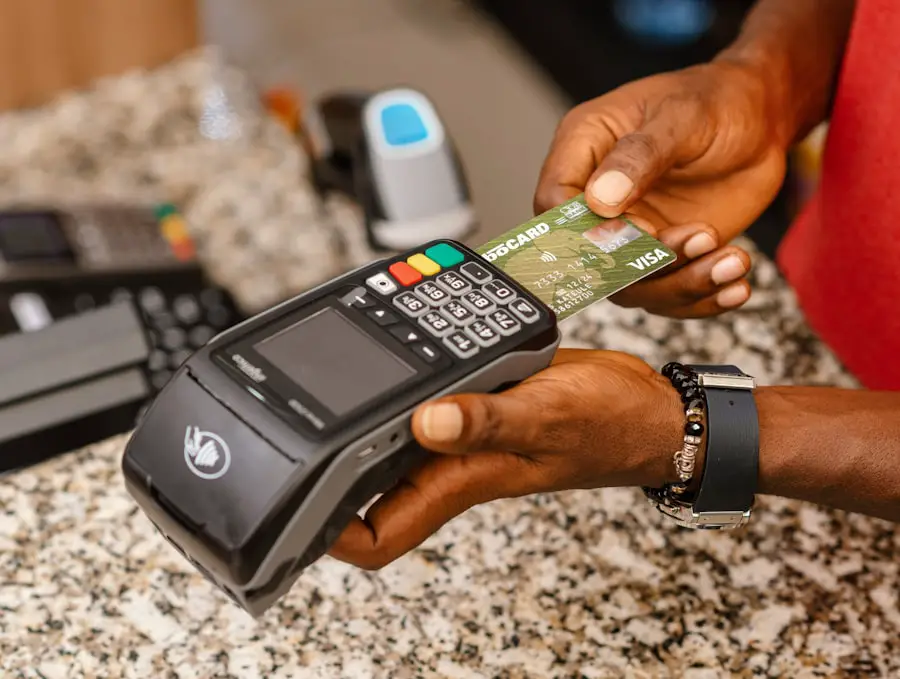
At checkout, the hotel prepares the final folio showing the charges assigned to the room. These can include the accommodation rate, taxes, applicable fees, and eligible incidental purchases made during the stay.
The hotel then submits the final transaction for settlement. The time it takes to appear as a fully posted transaction depends partly on the card network, acquiring bank, and card issuer, so it should not be confused with the time the front desk needs to produce the bill.
Review the final invoice before leaving whenever possible. Check the nightly rates, taxes, parking, food and beverage charges, credits, deposits, and payment method. Resolving an obvious folio error while you are still at the property is often easier than investigating it after the trip.
What to Do if a Hotel Hold or Charge Looks Wrong
Start by deciding whether you are looking at a pending authorization or a completed charge. Then compare the transaction with your reservation confirmation and hotel folio.
- Check the transaction status. A pending amount may simply be the check-in authorization.
- Review your hotel folio. Look for room charges, taxes, parking, food, deposits, and other items that explain the amount.
- Contact the hotel. Ask the front desk or accounting department whether an authorization has been released and request a corrected folio if the bill is wrong.
- Contact the card issuer. The issuer can explain whether a hold is still active and its expected expiration or release process.
- Dispute a genuine billing error promptly. In the U.S., credit-card billing-error protections have specific procedures and deadlines.
The Consumer Financial Protection Bureau advises U.S. credit-card users to contact the issuer promptly and explains that preserving federal billing-error rights generally requires a written notice within 60 calendar days after the issuer sent the statement containing the disputed charge. Debit-card rules are different, so contact your bank immediately when an unauthorized debit transaction appears.
Tips for Managing Your Hotel Payments
- Read the rate details before booking. Check prepayment, cancellation, deposit, and no-show terms.
- Ask about the total check-in authorization. This is especially useful when using a debit card or when staying for several nights.
- Keep enough available credit or funds. Your room price may not equal the amount temporarily authorized.
- Compare direct and third-party booking terms. Focus on who collects payment, refund rules, and what the hotel will still require at check-in.
- Save your confirmation and final folio. They are useful if a pending transaction remains or a posted charge appears incorrect.
- Review your account after checkout. Make sure the final charge matches the folio and any unused authorization disappears within the timeframe provided by the hotel or issuer.
Direct booking can sometimes come with property- or brand-specific offers, while third-party sites may have their own promotions and payment arrangements. Compare the full terms rather than assuming one booking channel will always be cheaper or more flexible.
Once your hotel payment details are organized, you can turn to other travel preparation. A compact option from this guide to the best travel toothbrushes may be useful for packing, while travelers planning to fish can review these travel fishing pole options. Travel pants with secure or hidden pockets can also help keep small valuables organized while exploring a destination.
Frequently Asked Questions
What is the typical hotel payment policy?
Policies vary by hotel and rate. A property may require a card to guarantee the reservation, collect an advance payment, authorize funds before or at check-in, and settle the final bill at checkout. Always check the payment and deposit terms attached to your specific booking.
When do hotels typically charge your credit card?
A hotel can charge the card when you book, before arrival, at check-in, or at checkout. Advance-purchase rates are commonly collected early, while flexible rates may be settled later. A temporary authorization can also occur separately from the final charge.
What is a hold on a credit card?
A hotel card hold is an authorization that temporarily reserves part of your available credit. It helps the hotel confirm that funds are available for expected charges but is not necessarily the amount that will ultimately post to your account.
How long does a hotel hold last on a credit card?
There is no single release period. The hotel can release or reverse an unused authorization after settlement, but the card issuer determines when the available credit is restored. Some hotels quote a few days, while certain debit or international-card holds can take longer.
Do hotels put holds on debit cards?
Many hotels do. A debit-card authorization can make money in your bank account unavailable until the hold is released, which can be more disruptive than a credit-card hold. Ask the property for its exact authorization amount before checking in.
Why do I see a pending hotel hold and a final charge at the same time?
The final charge can post while the earlier authorization is still pending. That does not always mean you were charged twice. Check whether both transactions actually post. If they do, or the hold remains beyond the expected period, contact the hotel and card issuer.
Can a hotel charge your card after checkout?
A hotel may process charges covered by the terms you agreed to, including eligible expenses incurred during the stay that are finalized after departure. A charge you did not authorize under the reservation terms, or one that is factually incorrect, can be raised with the hotel and your card issuer.
What should I do if I have concerns about hotel charges on my card?
Compare the charge with your booking confirmation and final hotel folio, then contact the hotel for an explanation or correction. If the problem is unresolved, contact the card issuer promptly and follow its dispute procedure. U.S. credit- and debit-card protections have different rules and deadlines.
Sources
- Hilton Payment FAQs — advance-purchase, flexible-rate, incidental-hold, and release guidance.
- Marriott: Finding Your Cancellation Policy — property- and rate-specific cancellation requirements.
- Visa: Authorization and Reversal Processing for U.S. Lodging Merchants — how hotel authorizations, settlement, and reversals work.
- IHG Digital Check-In and Checkout Terms — authorization holds, debit-linked funds, and final hotel charges.
- Federal Trade Commission: Rule on Unfair or Deceptive Fees — current U.S. short-term lodging price-disclosure requirements.
- Consumer Financial Protection Bureau: Disputing a Credit Card Charge — U.S. billing-error dispute guidance.
