
Last Updated on July 25, 2026 by Daniel Globe
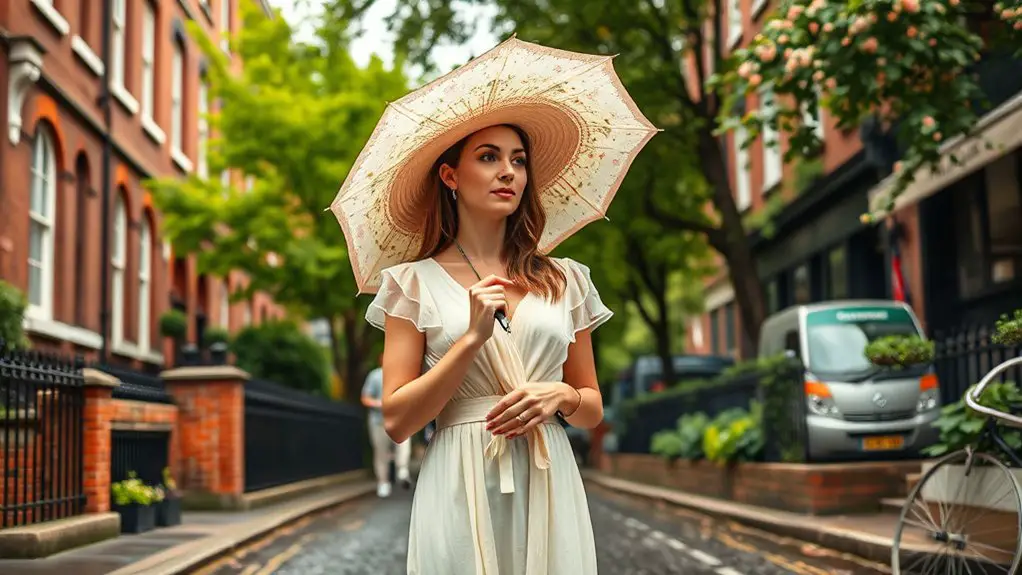
June is one of the easiest months for sightseeing in London, but it still rewards flexible packing. Expect mild-to-warm days, cooler mornings and evenings, occasional rain, and the possibility of much hotter spells. Build your outfits around breathable clothes, one light warm layer, comfortable walking shoes, and a lightweight rain jacket rather than packing for only one kind of weather.
Quick Answer
For London in June, pack T-shirts or breathable tops, lightweight trousers or skirts, one sweater or cardigan, a light waterproof jacket, comfortable walking shoes, sunglasses, and a compact umbrella. Include a warmer evening layer and at least one outfit suitable for any restaurants, afternoon teas, or venues with a dress code.
Key Takeaways
- London’s long-term June averages are roughly 21–22°C (70–71°F) for daytime maximums and about 12°C (54°F) overnight, but individual days can be much hotter or cooler.
- Pack light layers rather than one bulky coat: a breathable top, cardigan or thin sweater, and lightweight rain shell cover most normal June conditions.
- Choose broken-in walking shoes with cushioning and dependable grip; heavy waterproof boots are optional rather than essential for most city itineraries.
- Bring sunglasses and sun protection as well as rain gear. London can have strong enough UV for sunburn even when temperatures feel mild.
- Check the dress code for any specific restaurant, afternoon tea, club, or hotel because London venues do not follow one universal standard.
Disclosure: As an Amazon Associate I earn from qualifying purchases. Some links on this page are affiliate links, at no extra cost to you.
Understanding London’s June Climate
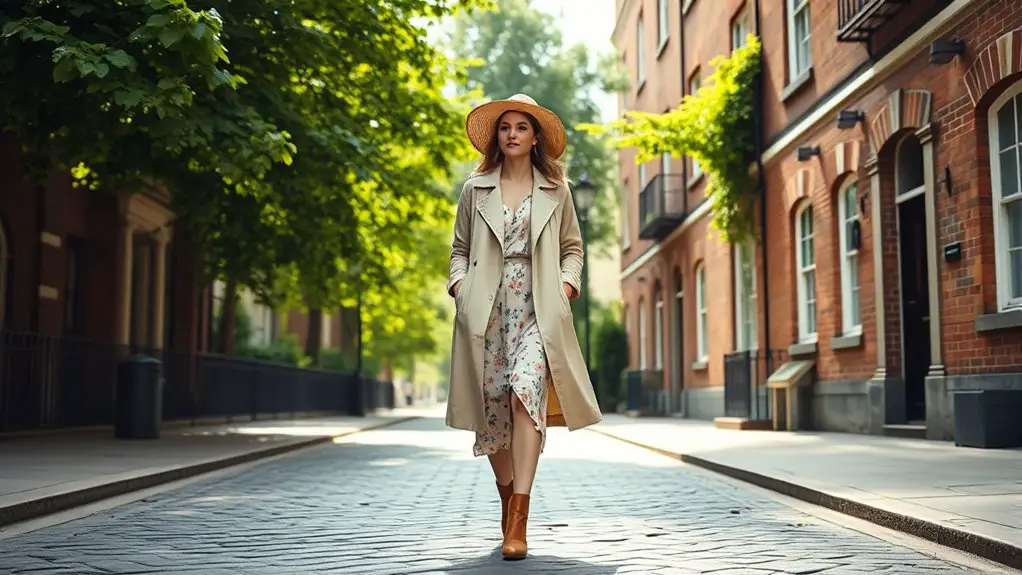
June marks the start of meteorological summer in London. According to the Met Office’s 1991–2020 Heathrow climate averages, June has an average daily maximum temperature of 21.57°C (70.8°F) and an average minimum of 12.03°C (53.7°F).
Rain is still part of the picture, but it does not mean London is wet every day. The same long-term data records about 47.25 mm of June rainfall and an average of 8.33 days with at least 1 mm of rain.
London’s Heathrow climate station averages about 21.6°C for June daytime maximums and 12.0°C for minimums, with roughly eight days receiving at least 1 mm of rain.
Those numbers are climate averages, not a promise about your specific trip. Warm spells can push temperatures well above the normal range. In fact, the Met Office reported that June 2026 was unusually warm, with a mean temperature of 19.8°C in the City of London and 19.2°C across Greater London, around 3°C above the 1991–2020 average.
Note: Treat climate averages as a starting point. Check London’s actual forecast shortly before departure and again each morning because a warm spell or wet front can change what you need.
For most trips, plan for warm sunshine, cloudier periods, cool evenings and some possibility of rain. That combination is why light layers work better than committing your entire suitcase to either summer heat or cold, wet weather.
Essential Clothing Items for Variable Weather
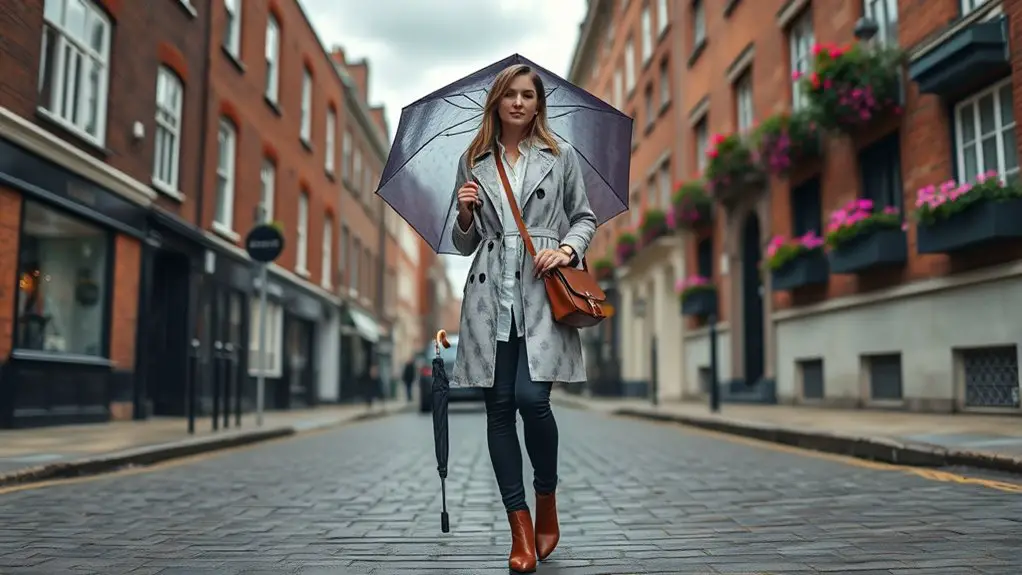
A practical London wardrobe starts with pieces that work in several combinations. You do not need a different outfit for every day if your tops, bottoms and outer layers coordinate.
Useful June clothing includes:
- Breathable short-sleeved tops: Cotton and linen can feel comfortable on warm, dry days.
- One or two long-sleeved layers: A lightweight shirt, overshirt, cardigan or thin sweater helps during cooler mornings and evenings.
- Comfortable bottoms: Lightweight trousers, jeans, skirts or dresses all work. Pick fabrics and fits you already know are comfortable for walking.
- A lightweight waterproof or water-resistant jacket: A packable shell takes far less suitcase space than a heavy coat.
- One slightly smarter outfit: Useful for a special dinner, afternoon tea, theatre visit or other venue where you want to dress up.
Quick-drying technical clothing can be useful when you expect rain or plan to wash clothes during the trip. Cotton is breathable and comfortable for many travellers, but it absorbs moisture rather than drying as quickly as a technical synthetic fabric. Fine merino is another useful option for a lightweight layer.
Neutral or coordinating colours make it easier to repeat trousers, jackets and shoes without making every outfit look identical. You can add variety with a scarf, jewellery, shirt or other small accessory.
Layering Strategies for Comfort and Flexibility
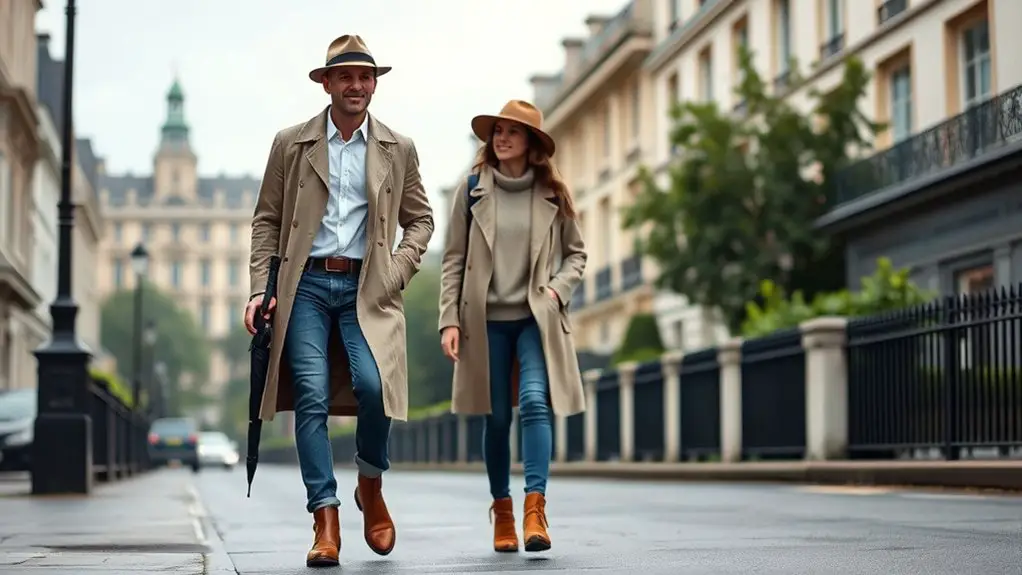
A simple three-layer system is enough for most June sightseeing:
- Base layer: T-shirt, sleeveless top, blouse or lightweight shirt.
- Warm layer: Cardigan, thin jumper, overshirt or lightweight fleece.
- Weather layer: Packable rain jacket or trench.
This lets you remove the warm layer during a sunny afternoon, add it again after sunset, and pull on your rain shell if showers arrive. It also works better on public transport, where conditions can feel warmer than the temperature outdoors.
Pro Tip: Carry the lightest layer you are not wearing in a small day bag. A thin cardigan and compact rain shell are more useful for changing conditions than carrying a heavy coat all day.
What to Wear on Hot June Days
Do not assume London will remain around 20°C just because that is close to the long-term norm. During a hot spell, switch to loose-fitting lightweight clothing such as a T-shirt or sleeveless top with linen trousers, a breathable skirt, shorts, or a light dress. Keep the rain layer in your bag rather than wearing it unnecessarily.
Sun protection also matters. The NHS advises considering skin protection when the UV index is 3 or higher. Its guidance recommends at least SPF 30 sunscreen with at least four-star UVA protection, along with suitable clothing, shade and sunglasses.
Warning: You can get sunburn in the UK even when it is cloudy. Do not pack only rain protection; bring sunscreen and sunglasses as well.
Choosing the Right Footwear for City Exploration
London sightseeing can involve hours of walking, stairs, stations, museums and uneven paving. Fit and comfort matter more than whether a shoe looks specifically “British.”
Comfortable Walking Shoes
Choose shoes that are already broken in and supportive enough for your normal walking needs. Cushioned trainers, walking shoes, supportive loafers and comfortable ankle boots can all work.
Look for:
- Cushioning that feels comfortable after several hours
- A secure fit that does not rub your heel or toes
- Reasonable grip on wet pavements
- Enough room for the socks you plan to wear
- A style you have already tested on longer walks
Avoid making your first full sightseeing day the first time you wear a new pair of shoes.
Weather-Resistant Footwear Choices
You do not automatically need heavy waterproof boots for London in June. For many travellers, water-resistant trainers, leather walking shoes or another comfortable shoe with a reasonably weather-resistant upper is sufficient for ordinary showers.
Waterproof boots make more sense if the forecast is persistently wet, you dislike having damp feet, or your itinerary includes muddy parks and countryside trips. Breathable trainers are usually more comfortable during warm, dry periods.
If suitcase space is limited, aim for one dependable walking pair and one optional smarter or lighter pair rather than packing footwear for every possible condition.
Stylish Options for Sightseeing
London style is varied, so there is no need to disguise yourself as a local. Clean trainers, loafers, flats, supportive ankle boots and comfortable sandals can all look polished when paired with simple clothes.
- Minimal trainers with trousers, jeans or dresses
- Supportive loafers or flats for smarter daytime plans
- Ankle boots when rain and cooler temperatures are forecast
- Walking sandals on genuinely warm, dry days
The best sightseeing shoe is the one you can comfortably wear from breakfast through the walk back to your hotel.
Accessories That Enhance Your Outfits and Suit the Weather
Accessories are an easy way to vary a small travel wardrobe without taking much suitcase space.
Sunglasses are useful for bright conditions and eye protection. Choose a pair that fits securely enough for a full day of walking. They are for sunlight rather than rain protection.
A lightweight scarf can add colour to a simple outfit and provide a little extra warmth on a cool evening. It can also make a basic daytime outfit feel more suitable for dinner.
A compact umbrella is convenient for short showers, while a lightweight rain jacket is often easier when you need both hands free for luggage, maps or shopping.
A small crossbody bag or lightweight daypack is useful for carrying your rain shell, water, sunscreen and spare layer. For crowded streets and public transport, choose a bag that closes securely.
Daytime Attire for Sightseeing and Outdoor Activities
Your daytime sightseeing clothes should prioritize walking comfort and easy temperature changes. London does not require formal clothing for ordinary attractions, parks, museums or neighbourhood exploring.
A reliable sightseeing outfit might be:
- Breathable T-shirt or shirt
- Lightweight trousers, jeans, skirt or shorts
- Cardigan or thin sweater in your bag
- Comfortable broken-in walking shoes
- Packable rain jacket
- Sunglasses and sunscreen
For an outdoor-heavy day, a hat can provide extra shade. If your clothing becomes uncomfortable when damp, choose faster-drying pieces on days when rain is more likely.
Light layers also make it easier to move between warm streets, cooler shaded areas, air-conditioned interiors and public transport.
Evening Wear for Dining Out and Nightlife
For most casual restaurants, pubs and bars, you can simply make your daytime outfit slightly smarter. A clean shirt, blouse, dress, tailored trousers, dark jeans, blazer or polished knit is usually more useful than packing formalwear you may never use.
However, there is no single London dress code. Some luxury hotels, restaurants and clubs enforce their own rules. For example, The Ritz London currently requires gentlemen to wear a jacket and tie for Afternoon Tea and for lunch or dinner in The Ritz Restaurant, while smart casual attire is accepted in several other areas of the hotel.
Note: Check your specific venue’s website before packing for a special meal or event. Do not assume all upscale London restaurants ban trainers or jeans—or that all of them permit them.
| Occasion | Practical Starting Point | Before You Go |
|---|---|---|
| Fine Dining | Dress, tailored trousers, shirt, blazer or similarly polished outfit | Check the restaurant’s own dress code |
| Lounge Bar | Smart casual outfit with clean shoes | Confirm footwear restrictions if it is a luxury hotel |
| Nightclub | Venue-appropriate evening clothes | Check entry and footwear policies |
| Casual Pub | Jeans, trousers, skirt or dress with a casual top | Usually no special planning required |
| Live Music Venue | Comfortable casual or smart-casual clothing | Prioritize comfortable standing shoes |
Easy June Outfit Formulas
You do not need to plan every outfit separately. A few formulas cover most London itineraries.
Mild Sightseeing Day
T-shirt or lightweight shirt + trousers or skirt + trainers + cardigan in your bag.
Rainy Sightseeing Day
Quick-drying or comfortable lightweight top + trousers + water-resistant walking shoes + rain shell. Add an umbrella if the forecast is not especially windy.
Hot Day
Loose breathable top + lightweight trousers, shorts, skirt or dress + comfortable breathable shoes + sunglasses + sunscreen.
Dinner After Sightseeing
Dark trousers, skirt or simple dress + clean shoes + blouse, shirt or polished knit. Add a blazer, cardigan or scarf if you want a dressier finish.
Packing Tips for a Seamless Trip Experience
The easiest way to keep luggage manageable is to pack outfits that share the same shoes and outer layers. London has shops everywhere, so you do not need to prepare for every rare weather scenario with a separate garment.
Layer Smart for Versatility
Start with lightweight tops that can be worn alone, then add one or two mid-layers that work with most of them. Finish with a compact rain shell.
A basic layering kit might contain:
- Breathable T-shirts or blouses
- One long-sleeved shirt
- One cardigan or lightweight jumper
- One compact waterproof or water-resistant jacket
- One scarf or wrap if you regularly feel cold
This gives you more combinations than packing multiple bulky jackets.
Pack Light, Think Layers
Pack for the forecast you are likely to encounter, not every temperature London has ever recorded. If your accommodation has laundry facilities, you can reduce your clothing count further.
Wear your bulkiest shoes and outer layer while travelling when practical. Keep your most versatile pieces in a similar colour palette so the same trousers, jacket and shoes can work repeatedly.
Simple 5–7 Day London June Packing List
For a typical sightseeing trip, a practical starting point is:
- 4–5 lightweight tops
- 1 long-sleeved shirt or overshirt
- 1 cardigan or thin sweater
- 2–3 pairs of trousers, skirts or shorts in any combination you prefer
- 1 casual dress or additional outfit, if useful for your style
- 1 lightweight rain jacket
- 1 dependable pair of walking shoes
- 1 optional second pair of shoes for evenings or hot weather
- Enough underwear and socks for your laundry plan
- 1 smarter outfit if you have special reservations
- Sunglasses
- Compact umbrella
- Sunscreen
- Small secure day bag
Adjust quantities for laundry access, personal style and the length of your trip rather than treating the list as a strict rule.
What Not to Overpack
For an ordinary June city break, you can usually avoid filling your suitcase with:
- Multiple heavy coats
- Several pairs of bulky boots
- A separate rain outfit for every day
- Formal clothing unless you have a reservation that requires it
- Too many single-use “statement” outfits that cannot be mixed with anything else
Pro Tip: Lay everything out before packing. If a top works with only one bottom or a shoe works with only one outfit, ask whether it deserves valuable suitcase space.
Sustainable and Stylish Wardrobe Choices
A more sustainable London wardrobe does not require buying a completely new set of clothes marketed as “eco-friendly.” One of the simplest approaches is to use durable pieces you already own and wear them repeatedly.
WRAP’s research on extending clothing life identifies keeping garments usable for longer as an important opportunity to reduce the carbon, water and waste footprints associated with clothing.
For travel, that means building a small capsule around clothes that:
- Already fit comfortably
- Can be worn more than once
- Coordinate with several other pieces
- Can be repaired and used after the trip
- Do not require buying an entirely new holiday wardrobe
When you do need something new, consider durability, construction, comfort and how often you expect to wear it rather than assuming a single fibre or sustainability label tells the whole story.
Second-hand clothing can also be a good option if you want a jacket, dress or accessory specifically for the trip without buying new.
Frequently Asked Questions
What are the latest fashion trends in London during June?
Trends change quickly, and you do not need to follow them to fit in. For spring/summer 2026, British Vogue has highlighted trends including relaxed pyjama-style trousers and summer boots among a much broader mix of seasonal looks. For sightseeing, treat trends as optional inspiration and prioritize comfortable clothes you will actually rewear.
How can I stay comfortable during unexpected weather changes?
Use removable layers: a breathable top, lightweight cardigan or sweater, and compact rain jacket. Check the forecast before leaving your hotel and carry the layer you are not currently wearing in a small day bag.
Are there specific dress codes for upscale restaurants or venues?
Sometimes, but there is no London-wide rule. Many places are smart casual, while some luxury hotels, restaurants and clubs have stricter requirements. Check the venue’s own website. The Ritz, for example, currently has different rules for its restaurant, Afternoon Tea, bars and other spaces.
Can I find eco-friendly clothing options suitable for a London summer?
Yes, but the most sustainable choice may be clothing you already own and will continue wearing after the trip. You can also consider durable new garments, second-hand pieces and brands that provide transparent information about sourcing, manufacturing and garment longevity rather than relying on a single “eco” claim.
What accessories are recommended for rainy days and sunny outings?
For rain, carry a compact umbrella or lightweight rain jacket. For bright conditions, pack sunglasses, sunscreen and optionally a hat. A scarf can provide extra warmth on a cool evening without taking much luggage space.
Do I need a coat in London in June?
A heavy winter coat is normally unnecessary. A lightweight waterproof jacket plus a cardigan, jumper or overshirt is more flexible. Check your forecast before travelling because unusually cool or hot spells can occur.
Can I wear shorts in London in June?
Yes. Shorts are perfectly practical during warm weather and are common casual summer clothing. Bring an alternative such as lightweight trousers, a skirt or a dress for cooler evenings and any venues where you prefer a smarter look.
Conclusion
For London in June, versatility matters more than packing a large wardrobe. Start with breathable tops and comfortable bottoms, add one lightweight warm layer and a rain shell, then choose walking shoes you already trust. Bring sunglasses and sunscreen for bright days and keep a smarter outfit available if your plans include a venue with a dress code.
Most importantly, check the real forecast before you travel. London’s long-term June climate is pleasantly mild to warm, but individual weeks can be wetter, cooler or far hotter than average. A small, well-planned layered wardrobe lets you adjust without hauling unnecessary clothing around the city.
Sources
- Met Office — Heathrow Location-Specific Long-Term Averages — 1991–2020 June temperature, rainfall, sunshine and rain-day averages.
- Met Office — June 2026 Weather Statistics — recent Greater London and City of London temperature anomalies.
- NHS — Sunscreen and Sun Safety — UK UV, clothing, sunglasses and SPF guidance.
- The Ritz London — FAQs and Dress Code — example of how dress requirements differ between London venues and hotel areas.
- WRAP — Design for Extending Clothing Life — evidence supporting longer garment use and reduced clothing impacts.
- British Vogue — Spring/Summer 2026 Fashion Trends — current-season fashion context.
