
Last Updated on July 25, 2026 by Daniel Globe
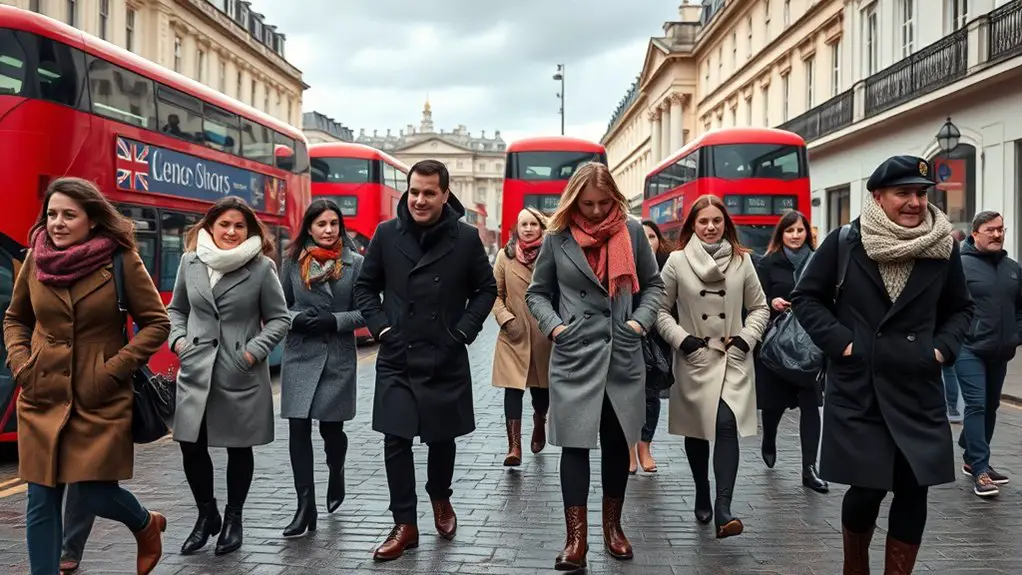
Knowing what to wear in London in February is mostly about preparing for cool temperatures, damp weather, plenty of walking, and frequent moves between chilly streets and heated indoor spaces. Build your wardrobe around light layers, a weather-resistant coat, comfortable shoes, and a few warm accessories rather than packing several bulky winter outfits.
Quick Answer
For London in February, wear three adaptable layers: a merino or synthetic base, a sweater or fleece, and a warm water-resistant coat. Add comfortable water-resistant walking shoes, warm socks, a scarf, gloves, and a hat. Pack a compact umbrella, then check the forecast before you leave.
Key Takeaways
- Plan for typical February temperatures around 9°C (48°F) by day and 3°C (37°F) overnight, while remembering that individual weeks can be warmer or colder.
- Use a merino or quick-drying synthetic base layer, an insulating mid-layer, and a weather-resistant outer layer.
- Choose comfortable water-resistant shoes or ankle boots with dependable tread for London’s long walking days.
- Pack a scarf, gloves, hat, and compact umbrella, but treat snow-specific gear as conditional on the forecast.
- Build a small mix-and-match wardrobe that works for sightseeing, museums, restaurants, and evenings out.
Disclosure: As an Amazon Associate I earn from qualifying purchases. Some links on this page are affiliate links, at no extra cost to you.
What Is London Weather Like in February?
February is still winter in London. At Heathrow, which provides a useful long-term climate reference for the London area, Met Office 1991–2020 averages show a February maximum temperature of about 9°C (48°F) and a minimum of about 3°C (37°F).
The same climate record shows about 45 mm (1.8 inches) of February rainfall and roughly 9.5 days with at least 1 mm of rain. Frost is possible, and occasional cold spells can bring ice or snow, but you should not assume that London will be snow-covered during your visit.
| Average February maximum | About 9°C / 48°F |
| Average February minimum | About 3°C / 37°F |
| Average February rainfall | About 45 mm / 1.8 in |
| Days with at least 1 mm of rain | About 9.5 days |
London’s long-term February averages are useful for packing, but they are not a forecast. A mild afternoon, cold snap, rain, wind, frost, or occasional snow can change what feels comfortable.
Note: Check the Met Office London forecast shortly before departure and again during your trip. Pack to the forecast first and the monthly average second.
Layering Essentials for Variable Weather
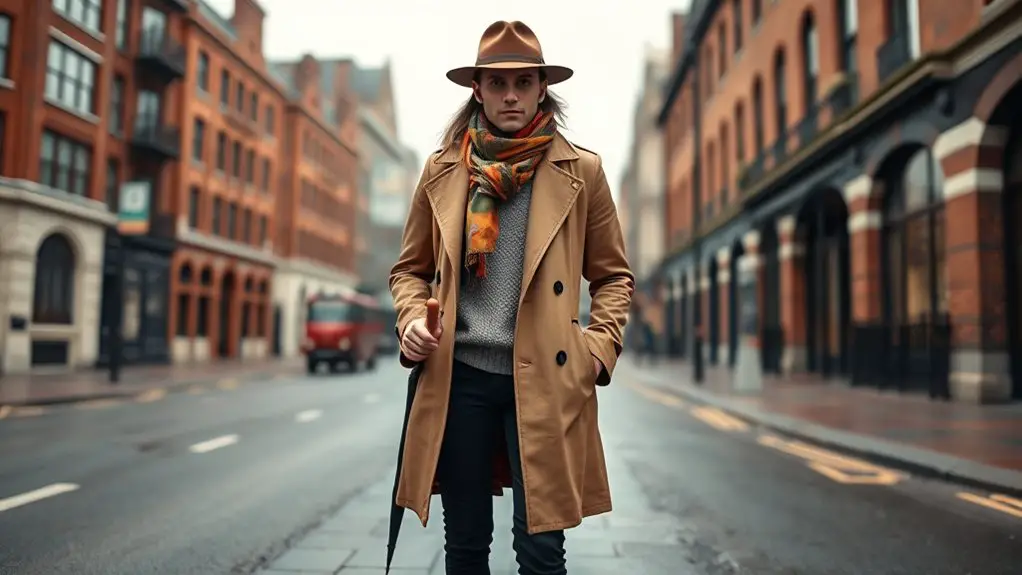
Layering is the easiest way to stay comfortable when a February day includes a cold morning, a warmer Underground journey, a heated museum, and another chilly walk after sunset.
Start with a lightweight base layer. Merino wool and quick-drying synthetic fabrics are good choices because they manage moisture better than cotton in cold, damp conditions. CDC cold-weather guidance recommends wool, silk, or polypropylene over cotton for the inner layer because cotton absorbs moisture and loses insulating performance when wet.
Add an insulating mid-layer such as a wool sweater, fleece, cardigan, or warm knit. Choose something you can remove easily when you go indoors.
Finish with a protective outer layer that blocks wind and handles rain. Depending on the forecast, that could be an insulated water-resistant coat, a puffer, or a waterproof shell worn over warmer layers.
A simple three-layer system works well:
- Base: merino or quick-drying synthetic top.
- Middle: sweater, fleece, cardigan, or other insulating layer.
- Outer: warm coat or waterproof/wind-resistant shell.
Pro Tip: Wear your bulkiest coat and shoes on the flight or train. It saves luggage space and leaves room for lighter layers that can be mixed throughout the trip.
Recommended Outerwear for Chilly Days
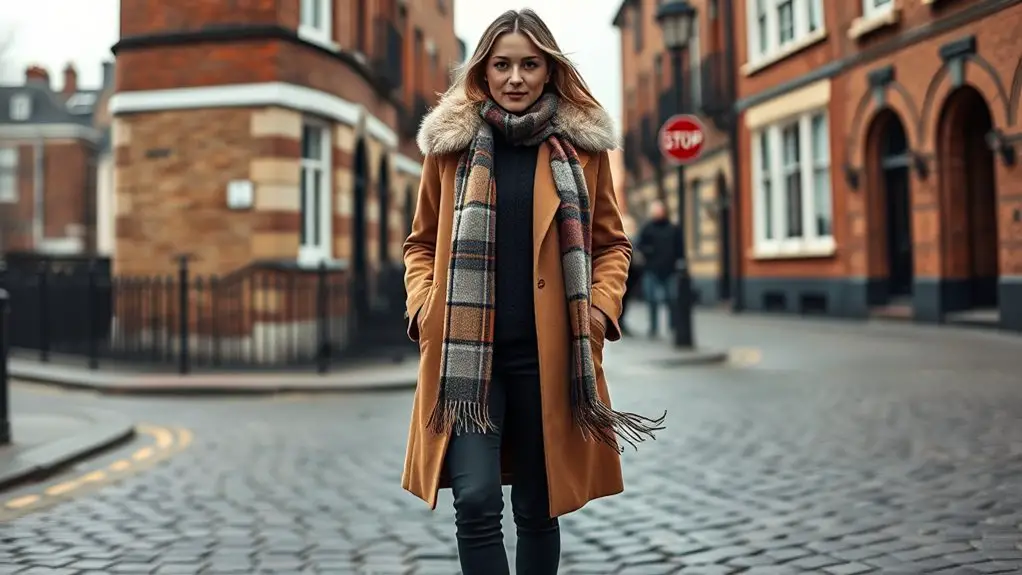
The best February coat depends on how easily you feel cold, how much time you will spend outside, and what the forecast shows.
Insulated or Puffer Coat
A medium-weight insulated coat or puffer is the easiest all-in-one choice for travelers who run cold or expect long outdoor sightseeing days. Look for a design that blocks wind and offers at least some water resistance.
Trench Coat or Rain Shell
A trench or waterproof shell is useful in rain but may not provide enough insulation by itself. Pair it with a warm sweater, fleece, or other mid-layer when temperatures are low.
Wool Coat
A wool coat works well for restaurants, theatre trips, shopping, and mostly dry sightseeing days. Check its care instructions and bring an umbrella or weather-resistant alternative when steady rain is forecast.
Neutral shades such as black, navy, camel, grey, or olive are easy to mix with a small travel wardrobe, but there is no need to follow a specific London color palette. Choose the coat you will actually feel comfortable wearing for several hours.
Footwear for Rain, Long Walks, and Possible Ice
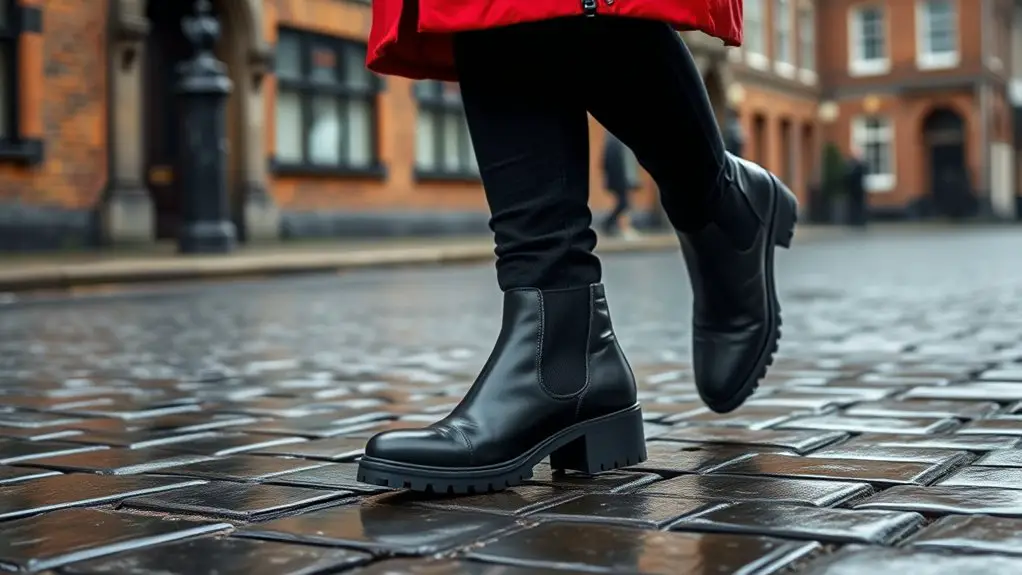
For most February trips, the best footwear is not a heavy snow boot. It is a comfortable, water-resistant walking shoe or ankle boot that you can wear for hours.
Good options include:
- Water-resistant leather or synthetic walking boots — useful for sightseeing and easy to dress up.
- Comfortable ankle boots with a grippy sole — a practical day-to-evening option.
- Water-resistant walking shoes or trainers — often the most comfortable choice if prolonged walking is your priority.
Thermal or wool-blend socks can add warmth, particularly if you tend to have cold feet. Bring at least one spare pair in your day bag when sustained rain is expected.
Full rubber rain boots or Wellington boots can keep feet dry, but they are bulky and usually unnecessary for ordinary sightseeing in central London. They make more sense when your plans involve mud, deep puddles, or unusually wet outdoor conditions.
Warning: If snow or ice is forecast, choose footwear with good grip and allow extra time. Good tread can reduce the risk of slipping, but no shoe makes icy pavement completely slip-proof. Check current Met Office weather warnings before setting out.
Accessories to Keep Warm and Stylish
A few small accessories can make a bigger difference than packing another heavy sweater.
A wool or warm knit scarf protects your neck and is easy to remove indoors. A beanie, wool hat, or other secure hat is useful on cold or windy days, while gloves are worth carrying for early mornings and evenings.
Cashmere and wool are warm choices, while quick-drying synthetic accessories may be easier to manage if repeated rain is expected. A silk scarf can add style to an evening outfit, but it should not replace a warmer scarf when the weather is cold.
A compact umbrella is also useful. Pair it with a hooded or water-resistant coat so you still have rain protection when wind makes an umbrella awkward to use.
Outfit Ideas for Sightseeing and Evening Outings
For Daytime Sightseeing
Start with a merino or synthetic long-sleeve top, add a sweater or fleece, then wear a warm weather-resistant coat. Pair the layers with comfortable trousers or jeans and water-resistant walking shoes.
This combination works well for outdoor sights because you can remove the sweater or open your coat when you enter a heated museum, café, shop, or Tube station.
For a Casual Evening
You usually do not need a completely separate winter outfit. Keep the same trousers or dark jeans and switch the daytime fleece or casual knit for a fitted sweater, blouse, button-down shirt, or other smarter top.
A wool coat, structured jacket, or neat puffer can finish the look. Ankle boots or clean walking shoes are often more practical than packing delicate shoes solely for dinner.
For Theatre, Fine Dining, or a Special Event
Pack one smarter outfit that still works with your winter coat. A simple dress with warm tights, tailored trousers with a polished top, or dark trousers with a shirt and knit can all work. Check the individual venue’s dress code when you have a specific reservation because requirements vary.
Packing Tips for a Comfortable London Trip
A compact London wardrobe works best when almost every top matches every bottom. For a trip of about one week, you can usually build several outfits from a relatively small set of clothes.
One-Week February Packing List
- 1 warm water-resistant coat, puffer, or shell-and-insulation combination
- 2–3 base-layer or everyday tops
- 2 sweaters, fleeces, cardigans, or other mid-layers
- 2 pairs of trousers, jeans, or other comfortable bottoms
- 1 smarter top or evening outfit
- 1 dependable pair of water-resistant walking shoes or ankle boots
- Optional second pair of shoes for evenings or to rotate after wet days
- Enough underwear and socks for your laundry plan
- 1 scarf
- 1 warm hat
- 1 pair of gloves
- 1 compact umbrella
The original travel essentials are also worth considering: a power bank, reusable water bottle, travel-sized toiletries, and, if useful during your journey to London, a travel pillow.
| Clothing Items | Accessories & Essentials |
|---|---|
| Merino or synthetic base layers | Compact umbrella |
| Warm weather-resistant coat | Scarf, gloves, and warm hat |
| Comfortable water-resistant shoes | Power bank |
| Versatile sweaters and trousers | Reusable water bottle |
| One smarter day-to-night option | Travel-sized toiletries and optional travel pillow |
Choose pieces that can be reworn in different combinations rather than packing a complete outfit for every day. Your coat, shoes, and heaviest sweater will take the most space, so wearing those while traveling can make a noticeable difference.
What You Probably Do Not Need to Pack
Overpacking winter clothing can make a London trip harder without making you more comfortable. For most city itineraries, you can leave behind:
- Several bulky coats: one dependable outer layer is usually enough.
- A stack of heavy sweaters: two versatile mid-layers are easier to rotate.
- Bulky snow boots: pack them only when the actual forecast justifies them.
- Wellington boots for normal sightseeing: water-resistant walking shoes are generally more versatile.
- Delicate suede shoes: repeated damp weather can make them inconvenient.
- Cotton-only cold-weather base layers: choose merino or quick-drying synthetics when you expect extended time outdoors in cold, damp conditions.
- Several formal outfits: one adaptable evening option is enough for many trips unless you have specific events planned.
How to Adjust Your Clothes for the Actual Forecast
If the Forecast Is Mild
Use lighter base layers and a thinner mid-layer. Keep your coat and rain protection available because evenings can still feel much cooler than the afternoon.
If Heavy Rain Is Forecast
Prioritize a genuinely waterproof or highly water-resistant outer layer, shoes that tolerate repeated wet pavement, a compact umbrella, and spare socks.
If a Cold Snap Is Forecast
Add a warmer insulating layer, thermal leggings if you find them comfortable, thicker socks, gloves, a scarf, and a warm hat. A puffer or insulated coat becomes more useful than an unlined trench.
If Snow or Ice Is Forecast
Wear several layers, keep dry, and use footwear with good grip. The Met Office’s snow and ice guidance recommends extra care when walking on icy surfaces and emphasizes staying warm and dry.
Frequently Asked Questions
What are the best fabrics for dealing with London’s damp weather?
For a cold, damp February day, use merino wool or a quick-drying synthetic as the base layer, then add fleece, wool, or another insulating mid-layer. Cotton can be comfortable indoors, but it absorbs moisture and is a weaker choice next to the skin when you may get wet.
How can I stay fashionable while wearing practical clothing?
Build the outfit around a simple coat, trousers or dark jeans, and comfortable shoes, then add one polished layer such as a knit, blazer, scarf, or structured bag. Neutral outerwear makes mixing easier, but London does not require a specific color palette.
Are there specific colors to wear in February for good luck?
There is no general London or February travel rule that makes red, green, or gold lucky. Wear colors you enjoy. If a personal or cultural tradition assigns meaning to certain colors, you can add them through a scarf, hat, jewelry, or other accent.
What clothing items are suitable for unexpected snowfalls?
If snow or ice is forecast, wear several warm layers, a water-resistant or waterproof outer layer, gloves, a hat, warm socks, and shoes or boots with good grip. Check Met Office warnings before setting out and allow extra time on slippery pavements.
How can I pack light yet stay warm during my trip?
Use a small capsule wardrobe: one weather-resistant coat, two or three base tops, two insulating mid-layers, two bottoms, one smarter top or outfit, warm accessories, and one dependable pair of water-resistant walking shoes. Rewear outer layers and choose pieces that mix easily.
Do I need a heavy winter coat in London in February?
Not always. Many travelers are comfortable with a medium-weight insulated coat, or a waterproof shell over a warm sweater or fleece. If you run cold or expect long outdoor days, a warmer puffer is useful. Check the forecast shortly before departure.
Do I need rain boots or wellingtons for London in February?
Usually no. For central London, comfortable water-resistant walking shoes or ankle boots are more versatile and easier to wear all day. Bring footwear with good tread; reserve bulky rain boots for unusually wet plans or activities where you expect deep mud or standing water.
Conclusion
The best London February wardrobe is warm, rain-ready, and easy to adjust. Start with a merino or synthetic base layer, add a sweater or fleece, and finish with a weather-resistant coat. Comfortable walking shoes, a scarf, gloves, a hat, and a compact umbrella cover most everyday needs.
Most importantly, do not pack for a stereotype of London winter weather. Use the long-term February averages as a starting point, then check the forecast shortly before your trip. That approach keeps your suitcase lighter while preparing you for cold mornings, wet afternoons, warmer indoor stops, evening plans, and the occasional winter cold snap.
Sources
- Met Office — Heathrow long-term climate averages — February temperature, rainfall, rain-day, and frost data.
- Visit London — London in February — official visitor guidance on February conditions and seasonal travel.
- Met Office — London weather forecast — current London conditions and short-range forecast.
- Met Office — UK weather warnings — current rain, wind, snow, and ice warnings.
- Met Office — Travelling in heavy snow and ice — cold-weather clothing and ice safety guidance.
- CDC — Winter weather safety — authoritative guidance on layering, fabrics, outerwear, and staying dry.
