
Last Updated on July 27, 2026 by Daniel Globe
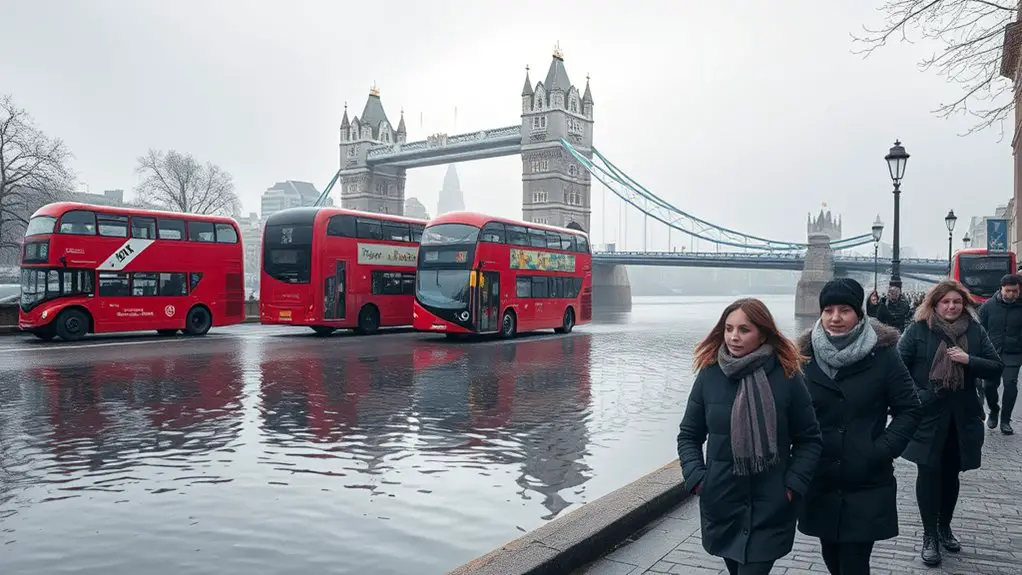
London in February can be cold, damp and changeable, but it is also a rewarding time to explore the city. Major museums, theatres and historic attractions provide plenty of shelter, while quieter winter streets and gradually lengthening daylight hours make walking enjoyable when the weather cooperates. The key is to plan a flexible mix of indoor and outdoor activities instead of treating February like a colder version of summer.
Quick Answer
February is a good time to visit London if you do not mind cool, changeable weather. Expect typical daytime highs near 9°C (48°F), colder nights, occasional rain and shorter days. In return, you can enjoy museums, theatre, winter gardens, historic walks, Valentine’s events and, in some years, Lunar New Year celebrations.
Key Takeaways
- February in London is usually cool rather than severely cold, but rain, wind and occasional frosty conditions make layers and a water-resistant outer layer useful.
- Plan outdoor sightseeing during daylight and keep museums, galleries, theatre or covered markets as wet-weather backups.
- Lunar New Year dates change each year, while Valentine’s Day falls on February 14 and school half-term can make family attractions busier.
- Do not expect London’s Christmas markets to remain open in February; most finish by early January.
- Check attraction opening times, event dates, tickets and Transport for London service updates shortly before your visit.
Disclosure: As an Amazon Associate I earn from qualifying purchases. Some links on this page are affiliate links, at no extra cost to you.
What London Is Like in February
February sits near the end of London’s winter. The weather is often cool, cloudy and damp, but conditions vary from one day to the next. Long periods of severe snow are unusual, although frost, cold snaps and occasional wintry weather can occur.
Long-term climate averages from the Met Office’s Heathrow station put the average February maximum near 9°C (48°F) and the average minimum near 2.7°C (37°F). The same 1991–2020 dataset records about 45 mm of February rainfall and roughly 9.5 days with at least 1 mm of rain.
| Typical February conditions | What to expect |
| Average daytime maximum | About 9°C (48°F) |
| Average nighttime minimum | About 3°C (37°F) |
| Rainfall | Rain is possible throughout the month; long-term Heathrow averages are about 45 mm |
| Daylight | Days remain relatively short but become noticeably longer toward the end of February |
These figures are climate averages rather than a forecast. Check the weather shortly before you travel because an individual February trip can be colder, warmer, wetter or sunnier than normal.
Note: February daylight improves quickly as the month progresses. Even so, schedule parks, viewpoints and long walks earlier in the day, then switch to museums, dinner, theatre or other indoor activities after dark.
Embracing London’s Winter Atmosphere
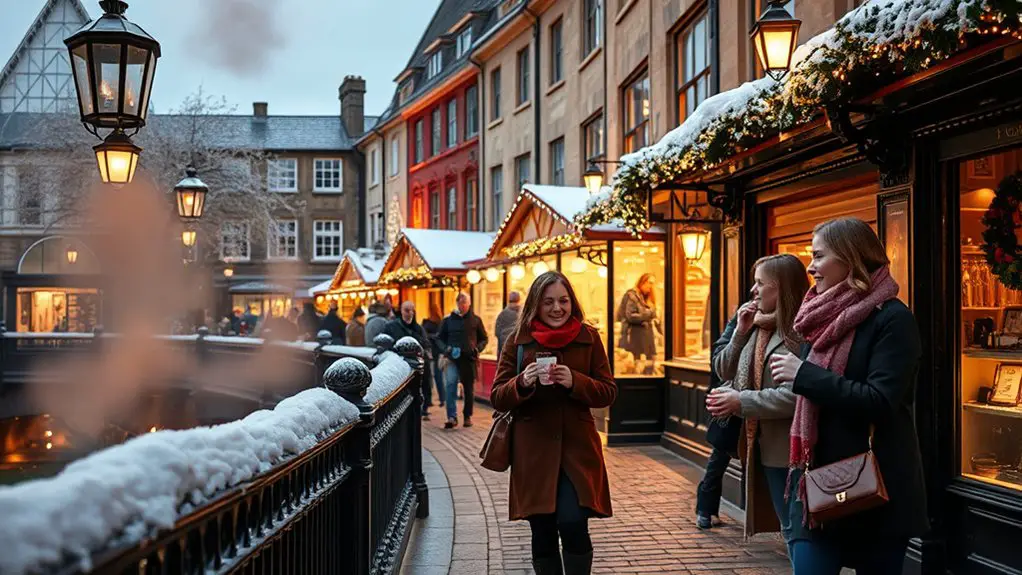
As winter settles over London, pubs, cafes, museums and performance venues provide easy places to warm up between outdoor stops. Traditional pubs with fireplaces can be especially appealing after a cold walk, although features such as open fires vary by venue.
One important correction for February visitors is that London’s major Christmas-style winter markets normally do not continue this late in the season. Events such as the Southbank Centre Winter Market typically finish in early January.
You can still browse year-round markets and food halls in February. Borough Market, Greenwich Market, Old Spitalfields Market and other permanent markets provide food, shopping and shelter without relying on a Christmas-season schedule.
Theatres, cinemas, galleries and concert halls are particularly useful on cold or wet evenings. London’s West End runs throughout winter, while cultural venues publish changing programs of plays, concerts, exhibitions and performances.
Pro Tip: Build each sightseeing day around one outdoor area and one nearby indoor attraction. That makes it easy to change plans when a shower arrives without wasting time crossing the city.
February Festivals and Cultural Events
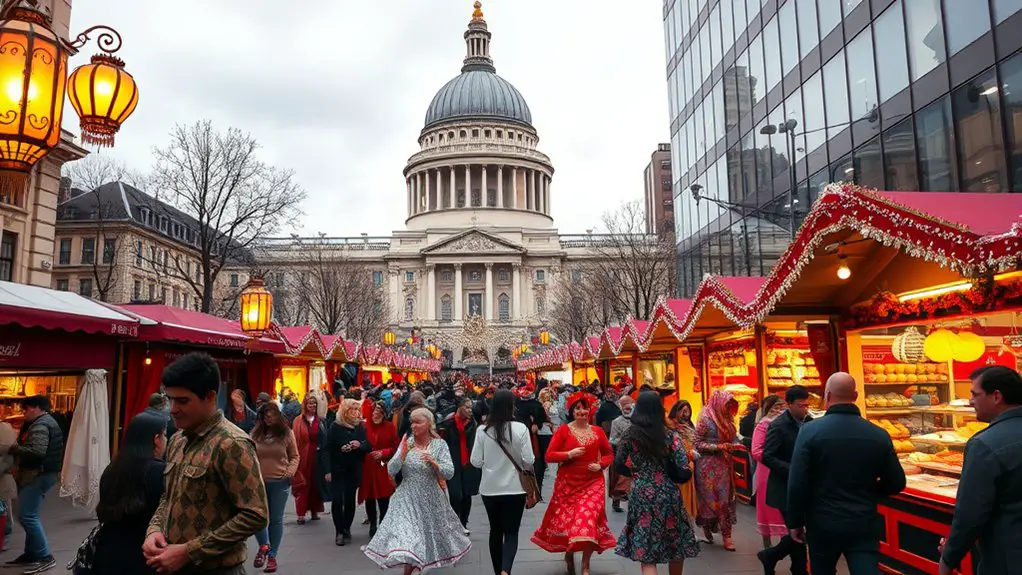
February can have an excellent cultural calendar, but exact programs and dates change every year. Check the current London events calendar before building a trip around a festival.
Lunar New Year
London’s Lunar New Year celebrations are centered on Chinatown and the West End and can include a parade, lion and dragon dances, live performances, food and activities around Trafalgar Square and nearby streets.
However, Lunar New Year does not always fall on the same February date. It can occur between late January and February according to the lunar calendar, and London’s public celebration may be scheduled on a nearby weekend. Confirm that year’s date before assuming it will overlap your stay.
Valentine’s Day
Valentine’s Day on February 14 brings special restaurant menus, theatre packages, river experiences and evening events throughout London. Popular restaurants and high-demand experiences can fill early, so booking ahead is sensible if February 14 is an important part of your trip.
Half-Term and Other February Events
February is also associated with school half-term activities, LGBTQ+ History Month and, in many years, London Fashion Week. Dates for half-term and major events vary, so check the calendar for the year you are traveling.
Half-term is especially relevant for families because major museums and child-friendly attractions can become busier during the school break even though February is otherwise outside London’s summer peak.
Explore Historic Streets and Hidden Corners

Even in chilly weather, exploring London’s historic streets and hidden corners can be one of the highlights of a February visit.
The City of London is especially rewarding. Official City walking routes trace Roman, medieval, Shakespearean and Great Fire history through old streets, lanes and passageways. Some modern streets still follow the layout of medieval London.
You can combine landmarks such as St Paul’s Cathedral, Guildhall, Fleet Street and the Monument with smaller courtyards, churches, historic pubs and tucked-away spaces.
Postman’s Park is another compact stop, while routes around Temple, Smithfield and the lanes east of St Paul’s reveal parts of central London that visitors rushing between headline attractions often miss.
A planned walking route is more useful than wandering blindly in February because it helps you identify cafes, pubs, churches and museums where you can take a warm break.
Warning: Rain, frost and damp weather can make stone steps, historic paving and cobbled surfaces slippery. Wear shoes with secure traction and take extra care on uneven ground, especially after dark.
Outdoor Activities and Scenic February Walks
February is still suitable for outdoor sightseeing when you dress for the weather. The advantage is that you can experience London’s parks and riverfront without summer heat.
Hyde Park and Regent’s Park
Hyde Park offers broad paths, the Serpentine and easy connections toward Kensington, Mayfair and Westminster. Regent’s Park provides open lawns, formal landscapes and pleasant walking routes close to Marylebone and Camden.
Rather than planning a long winter picnic, use the parks for a brisk walk and pair them with a nearby indoor stop.
The Thames and South Bank
The Thames Path and South Bank are strong winter walking options because many attractions, cafes and transport connections sit along the route.
A central walk can take you past Westminster, the London Eye, Southbank Centre, Tate Modern, Shakespeare’s Globe and views toward St Paul’s. You do not have to cover the entire route; choosing a shorter section makes it easier to respond to changing weather.
Kew Gardens
Kew Gardens can still be worthwhile in February. Winter horticultural highlights may include snowdrops and Alpine House plants, while the historic glasshouses give you a warmer break from outdoor paths.
Kew also runs changing seasonal exhibitions and festivals. These are not identical from year to year, so check the current program and whether a special event requires advance booking.
Tips for Visiting London in February
A successful February trip depends less on finding perfect weather and more on having a flexible plan. Pack for cool, damp conditions, use daylight wisely and keep one indoor alternative ready each day.
Dress Warmly and Layer
Layering works well because London visitors frequently move between chilly streets, heated trains, museums, restaurants and shops.
Start with a comfortable base layer, add a sweater or fleece when needed, and use a weather-resistant outer layer. A scarf, gloves and hat are useful on cold or windy days.
| Base Layer | Insulating Layer | Outer Layer |
|---|---|---|
| Thermal underwear | Fleece or wool sweater | Waterproof coat |
| Thin long-sleeve shirt | Wool cardigan | Wind-resistant jacket |
| Lightweight leggings when needed | Puffer vest or light insulated layer | Rain-resistant shell |
Comfortable walking shoes matter just as much as your coat. Water-resistant footwear is useful during wet spells, but heavy snow boots are normally unnecessary for an ordinary London city break.
What to Pack for London in February
- Warm or medium-weight weather-resistant coat
- One or two sweaters or fleeces for layering
- Long trousers
- Comfortable walking shoes with good grip
- Compact umbrella or rain shell
- Scarf
- Light gloves
- Warm hat for colder or windy days
- Small day bag
- Portable phone charger for navigation and digital tickets
Embrace Indoor Attractions
London’s museums are one of the strongest reasons to visit in winter. The British Museum, Victoria and Albert Museum and Science Museum all offer extensive indoor collections, and general admission to their main collections is free, although some temporary exhibitions or experiences cost extra.
The British Museum recommends advance booking for its free entry, while the Science Museum asks visitors to pre-book a free general-admission ticket.
You can also catch a West End performance, visit galleries or spend time in covered food and shopping areas when the weather turns unpleasant.
The Tower of London is also excellent in February, but do not treat it as a completely indoor attraction. The Crown Jewels, White Tower and other displays provide shelter, yet a proper visit also involves open-air courtyards, battlements, cobbled surfaces and other exposed areas.
Plan for Shorter Days
London gains daylight throughout February, but the days remain much shorter than in spring or summer.
Put parks, viewpoints, neighborhoods and walking tours into the brightest part of the day. Museums, galleries, shopping, afternoon tea, dinner and theatre work well later.
Starting earlier also gives you more flexibility if rain interrupts an outdoor plan.
Check Transport Before You Travel
London’s Tube, buses, Elizabeth line, London Overground and other services make it easy to switch between indoor and outdoor stops.
However, planned engineering work can affect Tube and rail services, particularly on weekends. Check Transport for London’s journey planner and service status shortly before setting out instead of relying entirely on a route saved weeks earlier.
Contactless bank cards and Oyster are common ways to pay for London public transport. Visitors should check their card provider for any foreign-transaction or contactless-use fees.
Is February a Good Time to Visit London?
February can be a very good month for travelers who prioritize museums, food, theatre, history and city walks over warm weather.
Outside major events and school half-term, some attractions may feel calmer than during the busiest summer periods. Accommodation prices can also be more competitive on some dates, although cheaper hotels or flights are never guaranteed.
The main trade-off is weather. You should be comfortable sightseeing in temperatures around the single digits Celsius, carrying rain protection and changing plans when necessary.
| Advantages | Trade-offs |
| Excellent museums and indoor attractions | Cold, damp and changeable weather |
| Strong theatre and cultural calendar | Less daylight than spring or summer |
| Potentially calmer periods outside half-term | Half-term and special events can increase crowds |
| Seasonal events such as Valentine’s activities and some Lunar New Year celebrations | Christmas markets and most festive displays have already finished |
Romantic Spots and Wintertime Dining Experiences
February naturally attracts couples because of Valentine’s Day, but you do not need an elaborate package to enjoy London after dark. Riverside walks, illuminated bridges, historic streets and warm restaurants create plenty of options.
Atmospheric Evening Walks
Rather than expecting literal candlelit streets, look for areas that become especially atmospheric under London’s normal evening lights.
The South Bank is one of the strongest choices. A walk beside the Thames gives you views of the illuminated skyline, and the Illuminated River artwork lights several central London bridges after dark.
Covent Garden also works well for an evening stroll because restaurants, theatres and historic streets sit close together. Chinatown and Soho provide another lively option, particularly if you want dinner after walking.
Kensington’s streets and mews can feel quieter, while Primrose Hill and other elevated viewpoints can work well around sunset when conditions are dry and clear.
Cozy Thames River Dining
Dining beside the Thames can be especially appealing in winter because the river and illuminated skyline provide the scenery while you stay indoors.
Choose an enclosed riverside restaurant rather than assuming outdoor terraces will be comfortable. Some venues provide heaters or blankets, but these amenities vary and should be confirmed directly.
Restaurants around South Bank, Bankside, London Bridge and Tower Bridge offer a range of British and international food with river views.
For Valentine’s Day or a weekend evening, reserve ahead if a particular restaurant or window table matters to you.
How to Plan a February Day in London
A simple indoor-outdoor rhythm makes winter sightseeing much easier:
- Morning: Start with an outdoor landmark, park or walking route while you have plenty of daylight.
- Late morning: Move into a museum, gallery or historic interior if you need to warm up.
- Lunch: Use a pub, covered market or cafe near your next attraction rather than crossing London only for food.
- Afternoon: Choose another compact neighborhood or attraction based on the weather.
- Evening: Finish with theatre, dinner, a museum late opening where available, or a short illuminated riverside walk.
This approach also reduces the amount of time you spend commuting in wet weather.
Frequently Asked Questions
What are the best indoor attractions to visit in February?
The British Museum, Victoria and Albert Museum, Science Museum, National Gallery and Tate Modern are strong choices. West End theatre is another excellent winter option. The Tower of London has important indoor exhibits, but much of the historic site is outdoors, so dress for the weather.
How does London’s weather vary throughout February?
Conditions can change quickly. Long-term Heathrow climate averages show a February maximum near 9°C (48°F) and minimum near 3°C (37°F). Rain is possible throughout the month, while colder spells can bring frost or occasional wintry conditions. Check the forecast shortly before your trip rather than packing from averages alone.
Are there special winter discounts or travel deals?
You may find lower hotel or airfare prices on some February dates because the month is outside the main summer season, but discounts are not guaranteed. Compare flexible rates and book based on the actual price for your dates. London’s major post-Christmas retail sales generally finish by mid-January, so do not assume February will have broad winter-sale pricing.
What clothing should I pack for London in February?
Pack layers, a warm weather-resistant coat, comfortable walking shoes with good grip, long trousers, a sweater or fleece, a scarf, light gloves and a compact umbrella or rain shell. A hat is useful on colder or windy days. Heavy expedition-style winter clothing is normally unnecessary for central London.
Which nearby destinations are ideal for winter day trips from London?
Windsor and Oxford work particularly well because their historic attractions provide indoor options if the weather turns wet. Brighton can still make an enjoyable coastal trip, but February conditions by the sea may feel colder and windier. Check rail schedules and planned engineering work before committing to a winter day trip.
Does London celebrate Lunar New Year every February?
London holds major Lunar New Year celebrations around Chinatown and the West End, but the date changes according to the lunar calendar and can fall in late January or February. Check the official London events calendar for the year of your visit before planning a trip around the parade or festival.
Is London crowded in February?
February is generally outside the busiest summer visitor season, but crowd levels vary. Valentine’s weekend, major events and the February school half-term can increase demand at popular attractions. Booking timed attractions ahead is wise during those periods.
Conclusion
Visiting London in February works best when you treat the winter weather as part of the plan rather than an obstacle. Use the daylight for parks, riverside walks and historic neighborhoods, then move indoors for museums, galleries, food or theatre. Check annual event dates carefully, especially Lunar New Year and half-term, and keep a wet-weather alternative ready. With warm layers and a flexible itinerary, February can provide a quieter and culturally rich way to experience London.
Sources
- Met Office — Heathrow long-term climate averages — supports February temperature and rainfall figures.
- Visit London — Things to do in London in February — supports seasonal events, half-term and February planning guidance.
- Royal Botanic Gardens, Kew — February seasonal highlights — supports winter planting, snowdrops, glasshouse displays and changing February programming.
- City of London — The Medieval City self-guided walk — supports historic street, passageway and walking-route recommendations.
- British Museum — Plan your visit — supports free general admission, opening information and advance-booking guidance.
- Science Museum — Visit — supports free general admission and advance ticket guidance.
