
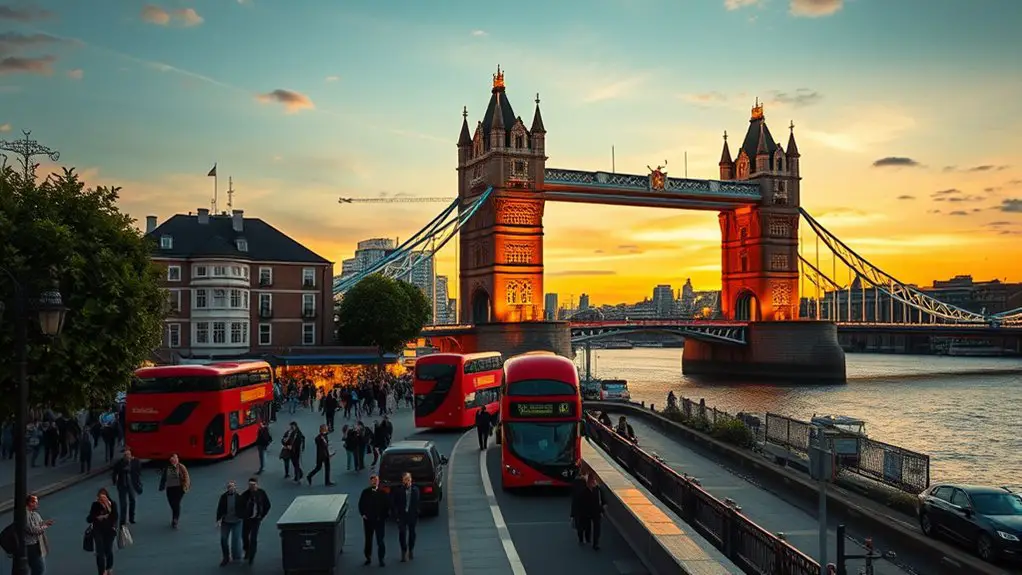
Last Updated on July 27, 2026 by Daniel Globe
If you have just 72 hours in London, the key is not trying to see everything. A better plan is to group nearby landmarks, choose one or two major attractions to explore properly each day, and leave room for food, neighborhoods, and an evening out. This three-day London itinerary covers the classics while giving you practical swaps for museums, markets, hidden gems, and nightlife.
Quick Answer
Spend Day 1 in Westminster and the West End, Day 2 around the Tower of London, Tower Bridge, Borough Market, and the South Bank, and Day 3 at Buckingham Palace, a major museum, and one favorite neighborhood. Use contactless or Oyster, prebook timed attractions, and treat hidden gems as swaps rather than extra stops.
Key Takeaways
- Group sights by area: Westminster on Day 1, the Tower and South Bank on Day 2, and Buckingham Palace plus museums or neighborhoods on Day 3.
- Book high-demand paid attractions before your trip, especially the Tower of London, Churchill War Rooms, Westminster Abbey, and seasonal Buckingham Palace visits.
- Contactless payment and Oyster both work well on London transport; use the same card or device throughout the day so fare capping works correctly.
- Many leading museums, including the National Gallery and V&A, offer free general admission, making them useful budget and rainy-day options.
- Do not overload the schedule. Pick one neighborhood or hidden-gem detour instead of trying to visit Soho, Camden, Shoreditch, Notting Hill, and every museum in one trip.
At a Glance
| Time Required | 3 full days |
| Difficulty | Moderate; expect substantial walking mixed with Tube, bus, or rail journeys |
| Tools Needed | Contactless card/device or Oyster, comfortable shoes, phone with transit maps, and advance attraction bookings |
| Cost | Variable. Many museums are free, while major historic attractions are ticketed. In 2026, the adult pay-as-you-go daily cap for Zones 1–2 is £8.90 on eligible TfL journeys. |
The best 72-hour London itinerary is not the one with the most stops. It is the one that keeps nearby sights together and gives you enough time to enjoy the places you came to see.
Disclosure: As an Amazon Associate I earn from qualifying purchases. Some links on this page are affiliate links, at no extra cost to you.
Before You Start: Plan Your 72 Hours in London
Getting Around London Efficiently
For most short visits, public transportation and walking are the easiest ways to move around central London. You can use an Oyster card or a supported contactless bank card or mobile device on the Tube, buses, London Overground, DLR, Elizabeth line, and many National Rail journeys.
According to Transport for London’s 2026 adult fare information, the current pay-as-you-go daily cap for Zones 1–2 is £8.90. Most attractions in this itinerary sit within or close to those central zones.
Pro Tip: Always touch in and out with the same contactless card or the same phone/watch. Switching between a physical card and a mobile wallet linked to that card can prevent journeys from being combined correctly for fare capping.
Santander Cycles can also work for short journeys if you are comfortable cycling in a major city. TfL currently offers a £3.50 Day Pass for unlimited pedal-bike rides of up to 60 minutes each during a 24-hour period, with extra charges for longer rides and e-bikes.
Book These Attractions Ahead
London rewards flexibility, but several attractions are much easier with an advance time slot. Prioritize bookings for Westminster Abbey, the Churchill War Rooms, the Tower of London, a West End show, and Buckingham Palace if your travel dates fall within its visitor season.
The Westminster Abbey visitor schedule also matters when building your itinerary. Regular sightseeing is generally available Monday through Saturday, while Sundays are primarily for worship and services.
The Churchill War Rooms recommends advance booking to reduce waiting, making it a good attraction to lock into your Day 1 schedule first.
Where to Stay for a Three-Day London Visit
For a short first visit, a central base can save more time than a cheaper hotel far outside the center. Westminster or Victoria works well for royal and political landmarks; Covent Garden or Soho puts you near theaters, restaurants, and the West End; and Bankside or the South Bank gives you easy access to the Thames, Borough Market, and central rail connections.
You do not need to stay beside every attraction. A hotel within an easy walk of a well-connected Tube or rail station is usually more valuable than a room beside one particular landmark.
Day 1: Westminster, Historic London, and the West End
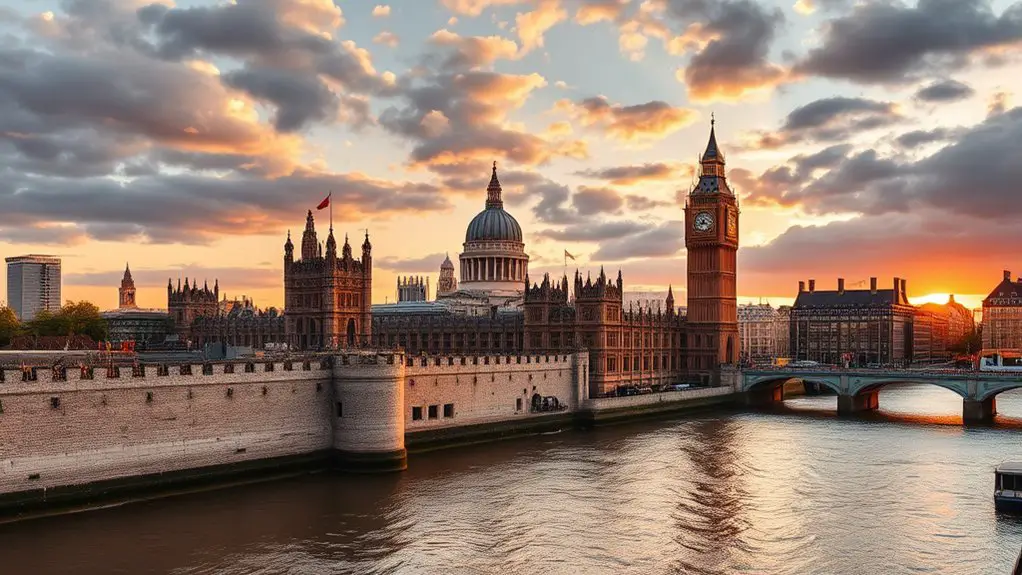
Start your 72 hours in the part of London where major royal, political, and historic landmarks sit within walking distance of one another. This keeps your first day simple and lets you see several icons without spending half the morning underground.
Morning: Westminster Abbey, Big Ben, and Parliament
Begin at Westminster Abbey. The Abbey has been Britain’s coronation church since 1066, and its interior connects nearly a thousand years of royal, political, literary, and religious history.
Afterward, walk toward the Palace of Westminster. The famous clock tower is officially the Elizabeth Tower; Big Ben is the nickname of its principal bell. From Parliament Square and Westminster Bridge, you can take in some of the best exterior views of the Houses of Parliament.
Continue through St. James’s Park toward the royal quarter. The park gives you a quieter walk between Westminster and Buckingham Palace and is more enjoyable than bouncing between Tube stations for these short distances.
Late Morning or Early Afternoon: Churchill War Rooms
The Churchill War Rooms provide a very different perspective on British history. The underground complex was used by Britain’s government during the Second World War and now forms part of Imperial War Museums.
Allow enough time for the museum rather than squeezing it between too many landmarks. If military or political history is not a priority, use this block for a longer visit to Westminster Abbey, a walk through St. James’s Park, or lunch in Soho.
Afternoon: Trafalgar Square and the National Gallery
Walk north through Whitehall toward Trafalgar Square. The National Gallery is one of London’s strongest free indoor options, with general admission currently free and paid admission only for certain exhibitions.
The collection covers European painting from the medieval period through the early 20th century, including works by Leonardo da Vinci, Turner, Monet, and Van Gogh. You do not need to see every room. A focused hour or two works better on a three-day trip.
Evening: Covent Garden, Soho, or a West End Show
Finish Day 1 in the West End. Covent Garden combines restaurants, pubs, shops, theaters, and street performers in a compact area. Soho offers denser nightlife, restaurants, jazz, cocktail bars, and late-night food.
If a West End production is one of your priorities, make tonight your theater night. Booking ahead gives you far more choice than waiting until the day of the performance.
Day 2: Tower of London, Tower Bridge, Borough Market, and the Thames
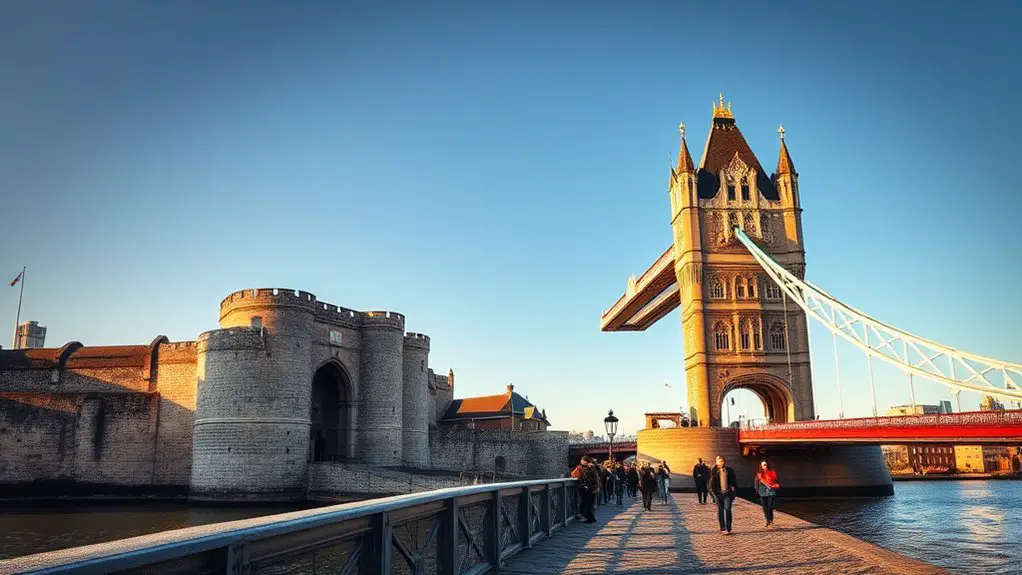
Day 2 concentrates on the eastern side of central London before following the Thames west. The Tower of London deserves the first part of the morning, when you are freshest and before your day becomes crowded with shorter stops.
Morning: Explore the Tower of London
The Tower of London has served many purposes across almost a thousand years. It has been a fortress, royal palace, prison, treasury, and home to institutions including the Royal Mint and Royal Armouries.
Its walls witnessed royal rivalries, imprisonment, executions, rebellion, and changing ideas about monarchy and state power. Rather than rushing through, focus on the White Tower, the fortress grounds, and the Crown Jewels.
See the Crown Jewels
The Crown Jewels are kept in the Jewel House at the Tower of London and remain a working ceremonial collection.
The collection contains crowns, sceptres, orbs, and other regalia associated with coronations and state occasions. The Imperial State Crown, for example, is used for major state occasions such as the State Opening of Parliament.
Allow time to look at the craftsmanship and symbolism instead of treating the display as a quick photo stop. Most of the present coronation regalia date from the Restoration period after 1660, although some pieces are older.
Cross Tower Bridge
After leaving the Tower, walk toward Tower Bridge. The bridge was built in the late 19th century to provide another Thames crossing east of London Bridge while preserving access for river traffic.
Its two road sections are bascules, which pivot upward when the bridge opens. The bridge originally relied on steam-powered hydraulic machinery. Since 1976, its bascules have operated with an electro-hydraulic system.
The paid Tower Bridge visitor experience includes the high-level walkways and historic Engine Rooms, where the original Victorian machinery is displayed.
| Tower of London | Tower Bridge |
|---|---|
| Medieval fortress and royal complex | Victorian bascule and suspension bridge |
| Stone walls, towers, and historic interiors | Steel structure faced with stone and distinctive Gothic-style towers |
| Crown Jewels and royal history | Walkways, glass floors, and historic Engine Rooms |
Lunch: Borough Market
Cross toward Southwark and continue to Borough Market, beside London Bridge Station. It is one of London’s best-known food markets and works well for a flexible lunch because different traders offer prepared food, baked goods, produce, cheese, and international dishes.
Note: Borough Market’s regular 2026 schedule currently lists Monday as closed. If your Tower day falls on a Monday, check the official market calendar and plan a different lunch stop nearby.
Afternoon: South Bank and the Thames
From Borough Market, you can walk west beside or close to the Thames. Depending on your interests, stop at Tate Modern, cross the Millennium Bridge for views toward St. Paul’s Cathedral, or simply continue toward the South Bank.
Tate Modern is housed in the former Bankside Power Station and focuses on modern and contemporary art. It is especially useful if the weather turns poor because much of the collection can be explored indoors without sacrificing your riverside route.
Enjoying the Thames River Experience
The Thames gives you a different perspective on the city. A sightseeing cruise or River Bus journey can pass landmarks such as the Tower of London, Tower Bridge, the London Eye, and Westminster without another long walk.
TfL lists both scheduled River Bus services and sightseeing operators. Contactless and Oyster can be used on the Uber Boat by Thames Clippers River Bus, although river journeys are not included in standard daily fare caps. Check TfL’s current river fare information before boarding.
Warning: Do not treat the tidal Thames in central London like a casual recreational lake. Kayaking, canoeing, and stand-up paddleboarding are subject to Port of London Authority navigation rules, skill expectations, equipment requirements, tides, and location-specific restrictions. For a visitor, an organized session with a suitable operator is much safer than attempting an independent paddle.
Evening: South Bank or Shoreditch
For a relaxed evening, stay near the South Bank for riverside dining, bars, and performances. For a livelier change of atmosphere, travel to Shoreditch, where street art, restaurants, music venues, pubs, and contemporary nightlife give the evening a different feel from Westminster.
Day 3: Buckingham Palace, Museums, and London Neighborhoods
Morning: Buckingham Palace and Royal London
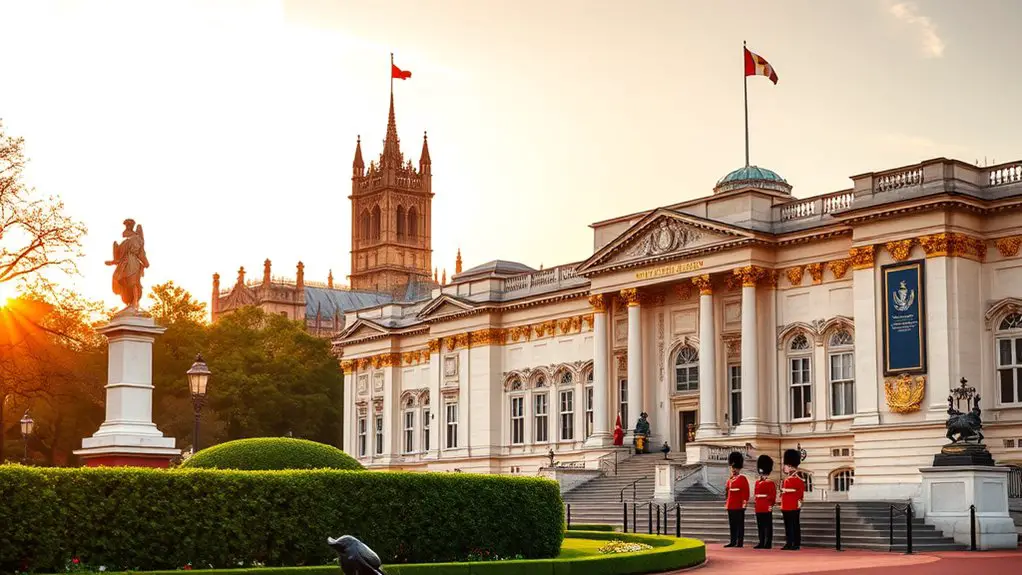
Buckingham Palace is the King’s official London residence and a working royal palace. Even when you do not enter, the palace, Victoria Memorial, The Mall, and nearby St. James’s Park make an easy morning walking route.
The State Rooms open to visitors during a defined summer season rather than throughout the year. For 2026, the main summer opening runs from July 9 through September 27. Outside the main opening period, only selected tours may be available.
If you want to see Changing the Guard, check the Household Division’s official calendar shortly before your visit. In 2026 the published Buckingham Palace pattern is generally Monday, Wednesday, and Friday at 11 a.m., but ceremonial schedules can change because of weather, military requirements, state occasions, and other operational needs.
Pro Tip: If the ceremony is not running on your date, do not rearrange an entire three-day itinerary around it. Enjoy the palace area early, then use the extra time for a museum or neighborhood.
Cultural Hotspots: Museums and Galleries
London’s museums and galleries are ideal for the final day because you can choose one based on your interests, weather, and energy level rather than committing to another rigid series of landmarks.
Must-Visit Art Museums
The Victoria and Albert Museum focuses on art, design, fashion, decorative arts, and performance. The National Gallery covers major European painting. Tate Modern focuses on modern and contemporary work, while the Saatchi Gallery presents contemporary exhibitions and has a long history of showcasing emerging artists.
| Museum | Best For |
|---|---|
| Victoria and Albert Museum | Design, fashion, textiles, decorative arts, and global collections |
| Tate Modern | Modern and contemporary art |
| National Gallery | European masterpieces from the medieval period through the early 20th century |
| Saatchi Gallery | Contemporary exhibitions and emerging artists |
General admission is currently free at both the National Gallery and V&A, although temporary exhibitions can carry separate charges. This makes either museum a strong choice when you want to balance the cost of paid attractions from the first two days.
Iconic Historic Galleries
The National Gallery in Trafalgar Square is the most convenient major collection for a first-time visitor staying in central London.
The Victoria and Albert Museum in South Kensington offers a very different experience, with rooms devoted to design, sculpture, fashion, textiles, furniture, photography, and decorative arts from around the world.
The Courtauld Gallery at Somerset House is smaller and easier to absorb in a short visit. It is especially known for its Impressionist and Post-Impressionist paintings, including major works by Manet and Van Gogh.
Hidden Cultural Gems
If you would rather skip another large institution, London has smaller museums that offer more intimate experiences.
Sir John Soane’s Museum preserves the extraordinary home and collection of architect Sir John Soane at Lincoln’s Inn Fields. The rooms contain antiquities, architectural models, drawings, furniture, sculpture, and paintings.
The Museum of the Home in Hoxton explores domestic life and ideas about home through objects, interiors, stories, gardens, and changing exhibitions.
| Theme | Location | Why Visit |
|---|---|---|
| Architecture and collections | Lincoln’s Inn Fields | Sir John Soane’s preserved house and eclectic collection |
| Victorian art and design | Holland Park | Leighton House and its richly decorated Arab Hall |
| Health, medicine, and culture | Euston Road | Wellcome Collection exhibitions exploring health and human experience |
| Decorative arts | Greenwich | The Fan Museum and its specialist collection devoted to the history and craft of fans |
Strolling Through London’s Vibrant Neighborhoods
Your final afternoon is the right time to leave the landmark checklist behind and spend a few hours in one neighborhood. Choose according to your interests rather than trying to visit all four.
Soho is best for central restaurants, cafes, theaters, bars, and nightlife. Its location makes it the easiest neighborhood to combine with Trafalgar Square, Covent Garden, and the West End.
Notting Hill offers colorful streets, independent shops, cafes, and the Portobello Road area. It pairs naturally with a western London day.
Camden has an alternative feel shaped by markets, music history, food stalls, and busy streets around Camden Lock.
Shoreditch is a better choice for street art, contemporary restaurants, cafes, independent businesses, and east London nightlife.
Markets and Shopping Districts
London’s markets and shopping streets can easily fill several hours, so treat them as replacements for another activity rather than additions to an already full itinerary.
| Market / Area | Highlight | Area |
|---|---|---|
| Borough Market | Food, produce, bakeries, and prepared dishes | Southwark / London Bridge |
| Camden Market | Independent stalls, fashion, food, art, and alternative culture | Camden Town |
| Oxford Street | Major retailers and high-street shopping | West End |
| Covent Garden | Boutiques, restaurants, historic market buildings, and street entertainment | West End |
Hidden Gems and Off-the-Beaten-Path Finds
London’s lesser-known sights are most rewarding when you use them as swaps for a major attraction that does not interest you.
Leighton House is a Victorian artist’s home whose Arab Hall reflects Frederic Leighton’s fascination with the Middle East and his collecting during his travels.
The Hampstead Pergola offers an atmospheric elevated garden walk in northwest London. Because reaching Hampstead takes you away from the central route, it works best when you intentionally dedicate several hours to that part of the city.
Crossbones Garden in Southwark is a memorial space associated with people historically marginalized and buried in the area. Its location makes it one of the easier quieter stops to combine with Borough Market.
Columbia Road Flower Market is a Sunday experience in east London. Build it into your route only when your trip actually includes Sunday rather than crossing the city simply to tick it off a list.
Little Venice offers canals, boats, waterside paths, and a calmer atmosphere northwest of the busiest central landmarks. It is a good alternative when you have already visited London’s major historic sights on a previous trip.
Evening Entertainment and Nightlife Options
London changes character after dark. You can see a West End production, listen to live music, settle into a traditional pub, visit a cocktail bar, or choose a neighborhood with enough venues to wander without another long journey.
| Nightlife Area | Best For |
|---|---|
| Soho | Dense mix of pubs, bars, restaurants, jazz, and late-night venues |
| South Bank | Riverside drinks, cultural venues, walks, and illuminated city views |
| Shoreditch | Contemporary bars, music, clubs, restaurants, and an eclectic east London atmosphere |
| Covent Garden | Theaters, pubs, restaurants, and easy access to the West End |
What to Eat During 72 Hours in London
London’s food scene is much broader than a checklist of traditional British dishes. Still, a short visit is a good chance to try classics such as fish and chips, a savory pie, a full English breakfast, or a Sunday roast if your timing works.
London’s multicultural food culture is just as important. Indian and South Asian restaurants, Caribbean cooking, Middle Eastern food, Chinese regional cuisines, European restaurants, and modern street food are all part of eating well in the city.
Markets such as Borough and Camden are useful when a group wants different dishes without committing to a long restaurant meal. Soho and Shoreditch are stronger choices when you want dinner followed by drinks or nightlife.
How to Adjust This London Itinerary
For Families
Slow the pace and limit each day to one major ticketed attraction. The Natural History Museum, Tower of London, London Eye, parks, river journeys, and interactive museum exhibits can all work well with children, but trying to combine several large museums in one afternoon is rarely enjoyable.
For a Rainy Day
Move a museum forward in the schedule. The National Gallery, V&A, Tate Modern, Churchill War Rooms, and other indoor attractions can absorb several hours while keeping you close to the original route.
For a Lower-Cost Trip
Build the trip around free museums, parks, neighborhoods, markets, exterior landmark views, and walking. Pay only for the one or two historic sites that matter most to you. Using fare-capped public transportation also makes daily transit costs more predictable.
For Returning Visitors
Replace a major first-time attraction with Hampstead, Little Venice, Leighton House, the Museum of the Home, Sir John Soane’s Museum, Greenwich, or another neighborhood you have not explored before.
Frequently Asked Questions
What are the best local foods to try in London?
Try traditional choices such as fish and chips, savory pies, a full English breakfast, or a Sunday roast, but leave room for London’s international food scene too. Indian and South Asian food, Caribbean dishes, Middle Eastern cooking, Chinatown restaurants, and market street food are all part of the modern London experience.
How can I get around London quickly and affordably?
Use contactless payment or Oyster on public transport and walk between nearby sights. In 2026, the adult pay-as-you-go daily cap for Zones 1–2 is £8.90 on eligible journeys. Always use the same card or device when touching in and out so the system can apply the correct fares and cap.
Are there family-friendly activities in London?
Yes. The Natural History Museum, Tower of London, London Eye, parks, river journeys, and many major museums work well for families. The main adjustment is pace: choose fewer major stops each day and leave time for meals, parks, and breaks.
What are the must-see events or festivals during my visit?
It depends on your dates. In 2026, the RHS Chelsea Flower Show ran May 19–23, the main Trooping the Colour parade took place June 13, and Notting Hill Carnival is scheduled for August 29–31. London’s event calendar changes every year, so verify dates before building an itinerary around a festival or ceremony.
Where can I find authentic London nightlife experiences?
Soho is convenient for pubs, jazz, bars, and late dining; Camden has deep connections to live music; Shoreditch offers contemporary bars, clubs, and restaurants; and Covent Garden works well when you want a theater performance followed by a pub or drink nearby.
Can you really see London in 72 hours?
You can see many of London’s best-known areas in three full days, but you cannot experience the whole city. A realistic trip covers a few major landmarks, one or two museums, several neighborhoods, and an evening activity. Save distant areas and extra museums for another visit.
Should I use an Oyster card or contactless payment?
Either can work well for an adult visitor. Contactless is convenient because there is no separate travel card to buy or top up, while Oyster can be useful for travelers who cannot use a supported contactless card or who need certain discounts. Whichever method you choose, use it consistently for the day’s journeys.
Which London attractions should I book in advance?
Prioritize timed bookings for attractions that matter most to you, especially Westminster Abbey, the Churchill War Rooms, Tower of London, Buckingham Palace during its visitor season, and popular West End shows. Booking those first gives you fixed points around which the rest of the itinerary can stay flexible.
Conclusion
Seventy-two hours is enough to experience a strong cross-section of London when you resist the urge to race everywhere. Spend one day around Westminster and the West End, one around the Tower and Thames, and one combining royal London with a museum and favorite neighborhood. Prebook the attractions that matter most, walk between nearby sights, and leave optional markets and hidden gems as flexible swaps. You will see more of London by spending less time backtracking across it.
Sources
- Transport for London — Adult Rate Prices 2026 — current pay-as-you-go fare caps and travel pricing.
- Westminster Abbey — visitor access, opening information, and the Abbey’s role as the coronation church.
- Historic Royal Palaces — Tower of London — the Tower’s history as fortress, palace, prison, and royal site.
- Tower Bridge — bridge walkways, historic Engine Rooms, and visitor information.
- Royal Collection Trust — Buckingham Palace — the King’s official London residence and current seasonal opening information.
- Port of London Authority — Tideway Code — official rowing and paddling safety and navigation guidance for the tidal Thames.
