
Last Updated on July 27, 2026 by Daniel Globe
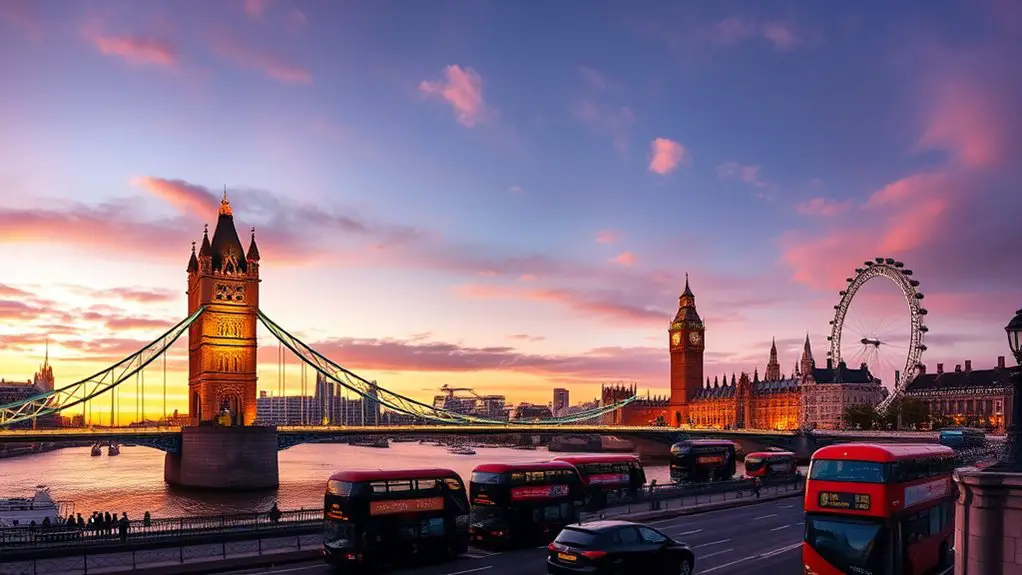
A full week in London gives you enough time to see the major landmarks without racing from one end of the city to the other. The easiest approach is to group attractions by area, mix paid sights with free museums and parks, and leave one day flexible for a neighborhood you love or a day trip beyond London.
Quick Answer
Spend seven days in London by grouping nearby sights: Westminster and Buckingham Palace, the Tower and South Bank, South Kensington museums, Covent Garden and the West End, Camden and Regent’s Park, diverse neighborhoods and markets, then a flexible final day or day trip. Use contactless or Oyster and reserve major attractions early.
Key Takeaways
- Group attractions by neighborhood so you spend less of your week crossing London.
- Book high-demand sights and West End performances ahead, especially during weekends, school holidays, and summer.
- Balance ticketed landmarks with free general admission at major museums and time in London’s parks.
- Use the same contactless card, mobile device, or Oyster card consistently when touching in and out.
- Choose only one major day trip during a first visit unless exploring outside London is a top priority.
At a Glance
| Time Required | 7 days |
| Difficulty | Moderate; expect substantial walking plus Tube, bus, and rail travel |
| Tools Needed | Contactless card/device or Oyster card, comfortable shoes, route-planning app, and advance attraction bookings |
| Cost | Variable; many major museums have free general admission, while historic attractions, shows, special exhibitions, and day trips cost extra |
Disclosure: As an Amazon Associate I earn from qualifying purchases. Some links on this page are affiliate links, at no extra cost to you.
A 7-Day London Itinerary
This plan keeps each day centered on one part of London. Swap days to match attraction opening times, theater tickets, weather, or seasonal events.
Day 1: Westminster and Royal London
Start with Westminster Abbey, Parliament Square, and the Palace of Westminster. Look up at Elizabeth Tower, which houses the Great Bell known as Big Ben, then walk through St James’s Park toward Buckingham Palace.
If you hope to see Changing the Guard, check the official schedule shortly before your visit because ceremony times can change and may be affected by weather or operational requirements. The Royal Collection Trust provides current Buckingham Palace visitor information.
Continue through Green Park, Piccadilly, Trafalgar Square, or Covent Garden depending on your energy level. This first day works best at a comfortable pace rather than trying to add several distant attractions.
Day 2: Tower of London, the City, and South Bank
Begin at the Tower of London and allow at least two to three hours if you want to see the Crown Jewels, White Tower, battlements, and other major areas. Historic Royal Palaces recommends advance booking during busy periods; check the official Tower of London visitor page before you go.
Cross or visit Tower Bridge, then walk west along the Thames. Stop at Borough Market when it is open, continue toward Shakespeare’s Globe and Tate Modern, and cross the Millennium Bridge toward St Paul’s Cathedral if time allows.
Day 3: South Kensington Museums and Parks
Spend the morning in South Kensington. Choose the Victoria and Albert Museum, Natural History Museum, or another nearby museum rather than trying to see every collection in depth. General admission at the V&A and Natural History Museum is free, although selected exhibitions and experiences can require paid tickets.
Afterward, walk through Kensington Gardens and Hyde Park. Visit Kensington Palace from the outside or book admission if royal history is a priority. Holland Park and its Kyoto Garden are another peaceful option farther west.
Note: “Free museum” usually means free general admission. Temporary exhibitions, special experiences, and some events may still require a paid ticket or advance reservation.
Day 4: British Museum, Covent Garden, and the West End
Begin at the British Museum, then walk through Bloomsbury toward Covent Garden. Spend the afternoon around Seven Dials, Leicester Square, Chinatown, and Soho without packing the schedule too tightly.
Finish with a West End musical or play. Popular productions and weekend performances can sell out, so reserve a must-see show before your trip rather than relying entirely on same-day availability.
Day 5: Camden, Regent’s Park, and North London
Visit Camden Market for independent shops, alternative fashion, street food, and the Regent’s Canal. Camden Market operates seven days a week, although individual traders can keep different hours.
From Camden, walk beside the canal toward Regent’s Park. The park offers gardens, open lawns, and a boating lake, while London Zoo occupies part of the northern side of the park.
Day 6: Neighborhoods, Markets, and Local Food
Use this day to move beyond the major monuments. Choose one or two areas rather than trying to cover all of London’s neighborhoods.
Brixton is known for Caribbean influence and a busy food scene. Peckham combines multicultural dining with contemporary creative spaces. Hackney and Shoreditch offer cafés, markets, nightlife, and street art. Portobello Road and Notting Hill suit travelers interested in colorful streets, antiques, and independent shops.
End the day with a meal that reflects London’s international food culture or choose traditional British dishes such as fish and chips, pie and mash, or a pub meal.
Day 7: Flexible London Day or Day Trip
Keep the last day flexible. You may prefer another London neighborhood, a museum you skipped, a river trip, Greenwich, an afternoon tea, or additional shopping.
If you feel you have covered your London priorities, use the day for Windsor, Oxford, Bath, Brighton, or Stonehenge. A single day trip is usually enough during a first seven-day visit because London itself can easily fill the entire week.
Pro Tip: Treat the itinerary as a geographic framework, not a checklist. Moving two nearby attractions to the same day can save much more time than trying to follow a rigid attraction order.
Exploring Historic Landmarks and Iconic Sights
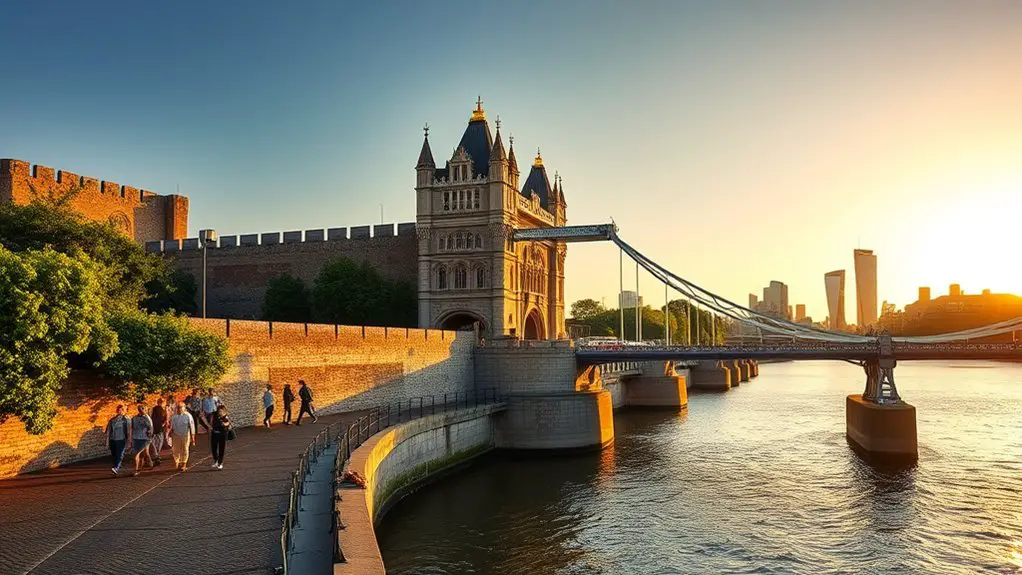
London’s major landmarks reveal different periods of the city’s history, from medieval fortifications to royal and parliamentary buildings.
At the Tower of London, you can see the Crown Jewels, explore the White Tower, and learn about the fortress’s roles as a royal residence, prison, armory, and place of execution. Tower Bridge stands beside it and can be crossed on foot for free; admission is required for its exhibition, high-level walkways, and Engine Rooms.
In Westminster, visit Westminster Abbey, the coronation church since 1066. Nearby, the Palace of Westminster and Elizabeth Tower form one of London’s best-known views. Big Ben is the name commonly used for the Great Bell inside the tower, not the tower itself.
Buckingham Palace is the monarch’s official London residence and the focal point for Changing the Guard. Because the ceremony schedule can change, confirm the date and time before arranging your day around it.
St Paul’s Cathedral is another major historic stop. Sightseeing is ticketed, while worship services are free to attend. Opening arrangements can vary for services and special events, so check St Paul’s Cathedral visitor information before traveling across the city specifically to visit.
Discovering Art, Culture, and Museums
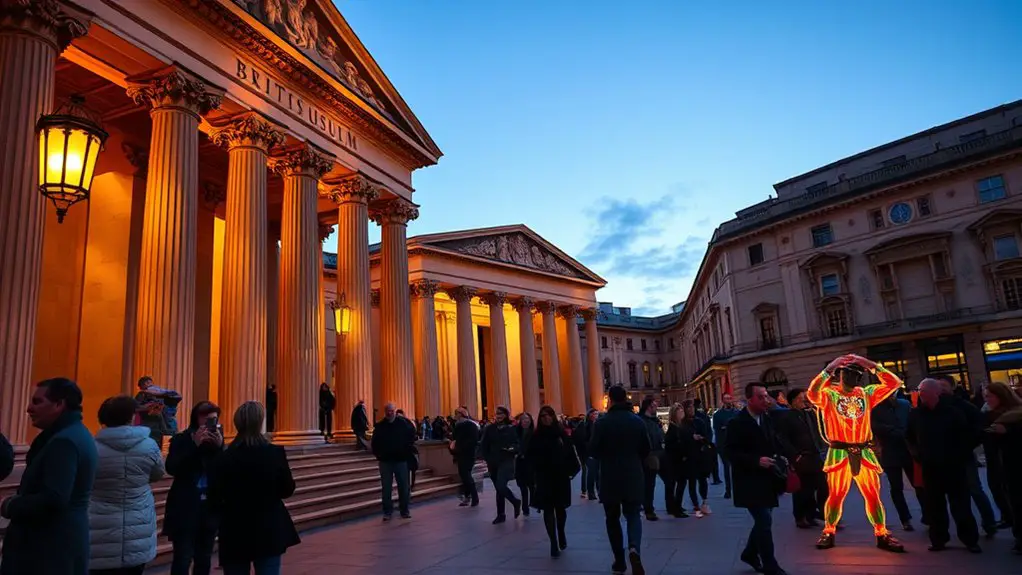
London’s museums make it possible to build entire days around history, art, science, or design without spending heavily on admission.
The British Museum covers cultures and civilizations across thousands of years. Because the collection is enormous, choose several galleries in advance rather than trying to see everything in one visit.
Art lovers can visit the National Gallery for paintings by artists including Turner, Van Gogh, and Leonardo da Vinci. National Gallery general admission is free, although some exhibitions are ticketed.
Tate Modern focuses on modern and contemporary art, while the Victoria and Albert Museum covers decorative arts, design, fashion, sculpture, furniture, and other creative fields. The Natural History Museum is another strong South Kensington choice, especially for families.
Many of London’s major national museums offer free general admission, making them useful for rainy weather and for balancing the cost of paid landmarks. Do not assume every exhibition is free; check each museum’s current program before visiting.
Enjoying London Neighborhoods and Markets
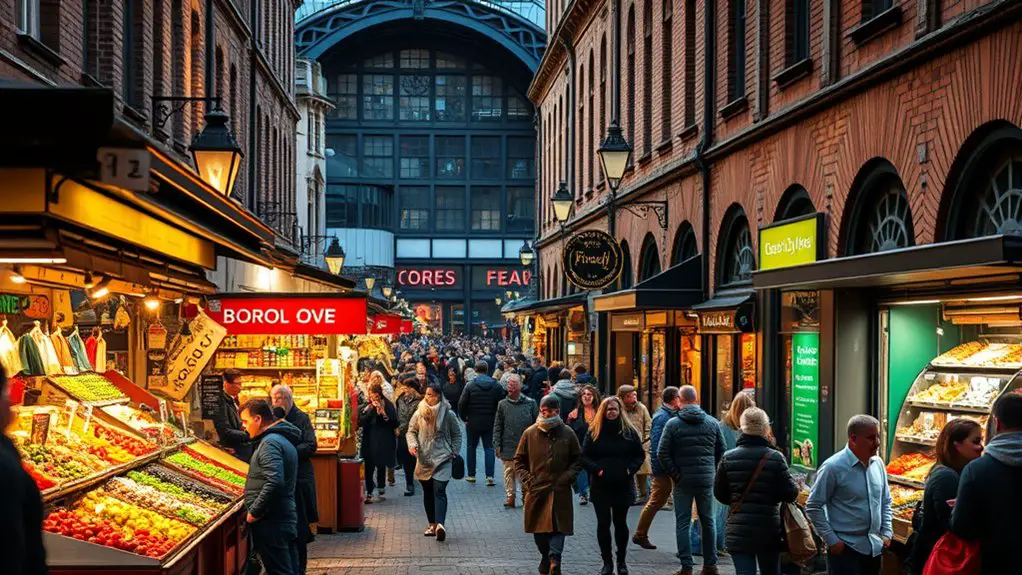
London’s neighborhoods and markets show a side of the city that is easy to miss when an itinerary focuses only on monuments.
Hidden Gems and Local Flavors
Brixton combines Caribbean heritage, food businesses, music, and busy market streets. Camden offers alternative fashion, independent traders, music history, and street food. Peckham has a growing arts scene and restaurants representing communities from around the world, while Hackney offers cafés, vintage shops, markets, parks, and nightlife.
| Brixton | Markets, Caribbean influence, music, and diverse food |
| Camden | Alternative culture, independent shopping, canal walks, and street food |
| Peckham | Creative spaces, multicultural restaurants, and local nightlife |
| Hackney | Cafés, vintage shops, parks, markets, and nightlife |
Market Hopping and Cultural Experiences
Borough Market is one of London’s best-known food markets, with produce traders, specialty foods, restaurants, and street-food stalls. Its normal schedule runs Tuesday through Sunday, with Mondays closed outside certain holiday periods. Saturday afternoons can become especially crowded.
Camden Market mixes food, fashion, art, gifts, and independent shops. In Notting Hill, Portobello Road is particularly associated with antiques and vintage finds. Shoreditch is better for street art, cafés, independent shops, and nightlife.
Market opening patterns vary by day, and not every trader attends every session. Check current hours when a specific stall or market is an important part of your trip.
Relaxing in Beautiful Parks and Gardens
London’s parks give you a useful break between long sightseeing days. Hyde Park is one of the easiest to combine with central attractions, and boating is available on the Serpentine during operating periods.
Kensington Gardens sits beside Hyde Park and includes views of Kensington Palace. Nearby Holland Park contains the Kyoto Garden, a smaller Japanese-style garden suited to a quieter stop.
Regent’s Park offers formal gardens, broad lawns, a boating lake, and access to London Zoo. Rather than treating parks as leftover time, schedule an hour or two in one during the middle of your week. It helps balance the amount of walking, queuing, and indoor sightseeing.
Experiencing London’s Theatrical and Entertainment Scene
London’s entertainment choices range from West End musicals and plays to opera, ballet, comedy, live music, and arena concerts. A week gives you enough time to plan at least one evening performance without sacrificing daytime sightseeing.
| Venue / Area | Best Known For | Location |
| West End | Musicals and plays | Central London |
| Royal Opera House | Opera and ballet | Covent Garden |
| The O2 | Large concerts and events | North Greenwich |
| Soho | Comedy, smaller venues, dining, and nightlife | West End |
Reserve tickets early when a particular production or performer is essential to your trip. For a more flexible evening, explore same-day options only after confirming that you are comfortable with a limited choice of shows or seats.
Indulging in Culinary Delights and Local Flavors
London’s food scene includes traditional British dishes alongside cuisines shaped by communities from around the world. A week gives you time for both without turning every meal into a reservation.
Traditional British Fare
Try fish and chips with proper chips rather than thin fries, or book a Sunday roast with Yorkshire pudding if your visit includes a Sunday. Steak and kidney pie, meat pies, and bangers and mash are other traditional choices.
Shepherd’s pie is traditionally made with lamb beneath a mashed-potato topping; a similar version made with beef is generally called cottage pie. Black pudding is another traditional option for adventurous diners.
Afternoon tea provides a different British experience, commonly combining tea with finger sandwiches, cakes, and scones served with jam and clotted cream.
Vibrant Food Markets
Borough Market is an obvious choice for artisan foods, baked goods, produce, cheese, and international street food. Camden Market offers a more eclectic mix of shopping and quick meals, while Maltby Street and other smaller markets can provide a less monumental alternative.
Use markets for lunch rather than trying to eat at several in one day. They work best when combined with nearby attractions instead of becoming separate trips across London.
As of July 2026, TfL lists an adult Zones 1–2 daily cap of £8.90 for applicable pay-as-you-go travel. Fares can change, so confirm the current cap before your trip.
Getting Around London Efficiently
The Tube is usually the fastest way to cover longer distances within central London, while buses can be useful for shorter journeys and give you street-level views. Walking is often faster than taking the Tube between attractions that are only one or two stations apart.
You do not have to buy an Oyster card simply because you are visiting London. Contactless bank cards and supported mobile wallets can also be used on much of the network. TfL applies fare capping to eligible pay-as-you-go journeys.
When using contactless, always touch in and out with the same physical card or same device. A phone, watch, and the underlying physical bank card are treated as different payment methods. Mixing them can create incomplete journeys and maximum fares. Review current guidance through Transport for London.
Warning: Do not assume every rail journey or attraction will run to its normal schedule. Planned engineering work, ceremonies, special services, and temporary closures can affect a carefully timed itinerary. Check transport and attraction websites shortly before each day.
Where to Stay for a Week in London
For a first visit, convenience usually matters more than choosing the trendiest neighborhood. A hotel or apartment near a well-connected Tube or rail station can save hours over seven days.
Covent Garden and Soho work well for West End theaters, restaurants, and central sightseeing. Bloomsbury offers easy access to the British Museum and several Tube lines. South Kensington suits museum-focused travelers and families, while the South Bank provides river walks and quick access to major sights on both sides of the Thames.
You do not need to stay directly beside every landmark. A well-connected base in Zones 1 or 2 can be more practical than moving hotels during a one-week trip.
Taking Excursions and Day Trips Beyond the City
After several days in London, a day trip can provide a change of pace. Choose one destination based on what interests you most rather than trying to combine several distant places in a single rushed excursion.
| Destination | Highlights | Typical Rail Logistics |
| Windsor | Windsor Castle and historic town center | Around 35 minutes from London Paddington to Windsor & Eton Central on typical services, normally changing at Slough |
| Oxford | Historic colleges, architecture, museums, and university atmosphere | About 1 hour from London Paddington; some services are faster |
| Bath | Roman Baths, Georgian architecture, historic center | About 1 hour 20 minutes from London Paddington on typical GWR services |
| Brighton | Seafront, pier, lanes, shops, and coastal atmosphere | Roughly 1 hour on faster London–Brighton services, depending on departure station and timetable |
| Stonehenge | Prehistoric stone circle and visitor center | Train from London Waterloo to Salisbury takes around 1½ hours, followed by a bus or taxi for the final 12 miles |
For Windsor, Oxford, or Bath, check current rail times before departure. Great Western Railway publishes current journey information for routes including London to Windsor, London to Oxford, and London to Bath.
Stonehenge requires more planning than the other destinations because the nearest railway station is Salisbury. English Heritage advises travelers to continue from Salisbury by the Stonehenge Tour Bus or taxi; see its official Stonehenge visitor information.
Planning and Booking Tips for Seven Days in London
- Book your must-see attraction first. Tower of London, royal attractions, special exhibitions, studio tours, and popular performances can have timed admission.
- Check market days. Borough Market, Portobello Road, and smaller markets do not offer identical experiences every day of the week.
- Keep one flexible half-day. Rain, transport disruption, tired feet, or a neighborhood you unexpectedly enjoy can change the plan.
- Do not overbook evenings. After a full day of walking, a tightly timed dinner, show, and late-night activity can feel more exhausting than enjoyable.
- Check your route before leaving. London is large, and two attractions that look close on a tourist map may require a longer journey than expected.
Frequently Asked Questions
What Are the Best Hidden Gems in London?
Leighton House in Kensington is an excellent choice for Victorian art and architecture. Crossness Pumping Station offers remarkable Victorian engineering, but it is open only on scheduled event days and for arranged visits, so pre-booking is essential. Smaller gardens, historic houses, neighborhood markets, and less-visited museums can also add variety to a week-long itinerary.
How Can I Experience Local London Traditions?
Try afternoon tea, eat a Sunday roast in a pub, browse a neighborhood market, attend a football match if the schedule and tickets allow, and visit a local pub or community event. Everyday experiences such as riding a bus through central London or spending time in a neighborhood market can feel more local than adding another major attraction.
Are There Any Unique Festivals or Events in London?
Yes. Major annual events include Notting Hill Carnival, London’s Chinese New Year celebrations, Pride in London, and Totally Thames. Dates vary by year. In 2026, Totally Thames runs from September 1 through September 30, while Notting Hill Carnival marks its 60th anniversary. Always confirm dates before arranging flights or accommodation around an event.
What Are Family-Friendly Activities in London?
The Natural History Museum, London Eye, parks, Thames boat trips, London Zoo, and interactive museums can all work well for families. The Warner Bros. Studio Tour London near Watford is another popular option but requires additional travel from central London and should normally be booked well in advance.
How Do I Navigate London’s Public Transportation Efficiently?
Use the Tube for longer central-London journeys, buses for useful street-level connections, and walk between sights that are close together. Pay with a contactless card or device or use Oyster. Always use the same payment method when touching in and out, check TfL for disruptions, and avoid unnecessary journeys during the busiest commuter periods when possible.
Is Seven Days Too Long for London?
No. Seven days is a comfortable length for a first visit because London has enough landmarks, museums, neighborhoods, parks, markets, restaurants, and evening entertainment to fill the week. The extra time also lets you slow down or include one day trip without sacrificing the major sights.
Should I Use Oyster or Contactless for a Week in London?
Either can work. Contactless is convenient if your bank card or mobile wallet is accepted and does not impose unfavorable foreign transaction fees. Oyster can be useful for travelers who prefer prepaid credit or need certain discounts that cannot be loaded onto a normal contactless bank card. Check current TfL rules before choosing.
Conclusion
A week in London is long enough to experience the city’s history, museums, neighborhoods, markets, parks, food, and entertainment without reducing the trip to a race between landmarks. Build each day around one area, reserve the attractions that matter most, and keep some time flexible. Whether your final day stays in London or takes you to Windsor, Oxford, Bath, Brighton, or Stonehenge, a balanced schedule will make the seven days feel full rather than rushed.
Sources
- Historic Royal Palaces — Tower of London — Crown Jewels, admission, visit duration, booking, and current visitor information.
- Westminster Abbey — history, visitor access, opening arrangements, and coronation-church information.
- Transport for London — Contactless and Oyster — payment, fare, and journey guidance.
- Borough Market — market opening days, access, and visitor planning.
- Great Western Railway — current London-to-Bath journey guidance and related regional rail information.
- English Heritage — Stonehenge — London/Salisbury transport and onward travel to Stonehenge.
