
Last Updated on July 27, 2026 by Daniel Globe
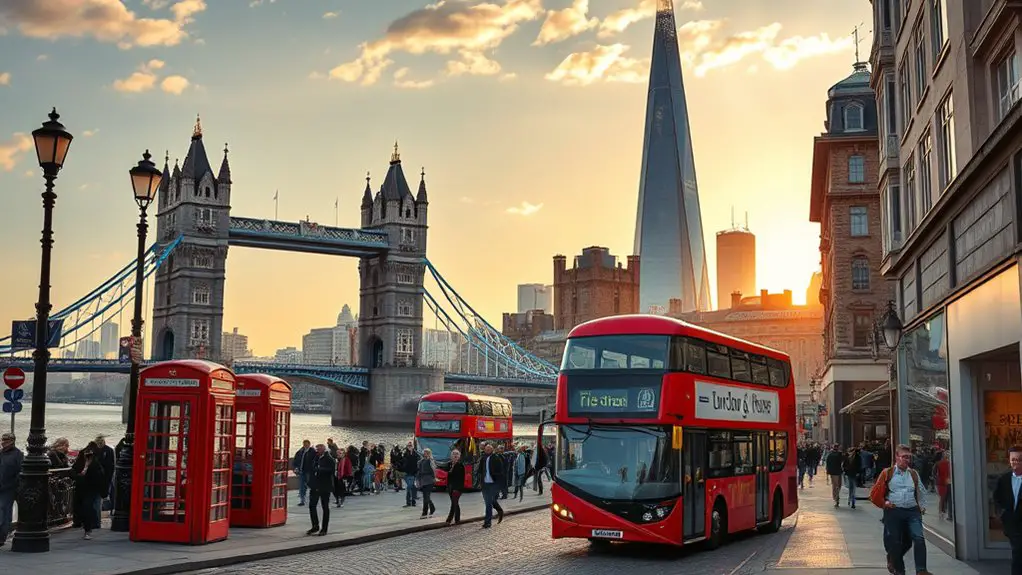
Planning just 48 hours in London means making choices rather than trying to see everything. The best approach is to group nearby sights, book your must-see attractions before arrival, and leave enough time to walk between landmarks instead of spending the whole trip underground. This two-day plan covers royal London, historic sights, markets, museums, riverside views, distinctive neighborhoods, and an evening out without sending you back and forth across the city.
Quick Answer
Spend Day 1 around Westminster, Buckingham Palace, Trafalgar Square, one central museum, and the West End. Use Day 2 for the Tower of London, Tower Bridge, Borough Market, Tate Modern, the South Bank, and Shoreditch. Book major attractions early, travel by contactless or Oyster, and treat distant neighborhoods as optional swaps.
Key Takeaways
- Group Westminster and the West End on Day 1, then Tower Hill, London Bridge, the South Bank, and East London on Day 2.
- Choose one main museum rather than trying to rush through the British Museum, National Gallery, Tate Modern, and V&A in the same visit.
- Book the Tower of London, Westminster Abbey, a West End show, and any Sky Garden slot you want before the trip when possible.
- Borough Market is normally closed on Mondays, while Saturday is the main antiques-market day on Portobello Road.
- Contactless and Oyster both work for pay-as-you-go travel; use the same card or device throughout each journey so the correct fares and caps can be applied.
At a Glance
| Time Required | Two full sightseeing days, ideally with two nights in central London |
| Difficulty | Moderate to busy; expect substantial walking plus Tube or bus journeys |
| Tools Needed | Comfortable shoes, phone with maps, contactless card/device or Oyster card, and pre-booked attraction tickets |
| Cost | Flexible: parks, markets, and major national museums can be free; the Tower of London, Westminster Abbey, theatre tickets, meals, and paid viewpoints add to the total |
Pro Tip: Stay in or near Westminster, Covent Garden, Soho, South Bank, London Bridge, or another well-connected central area. On a two-day trip, saving 30–45 minutes of commuting each morning is often worth more than squeezing another attraction onto the schedule.
Disclosure: As an Amazon Associate I earn from qualifying purchases. Some links on this page are affiliate links, at no extra cost to you.
48-Hour London Itinerary: Day-by-Day Plan
Day 1 Morning: Westminster, Big Ben and Westminster Abbey
Start near Westminster around 8:30 or 9:00 a.m. Walk across or beside Westminster Bridge for views of the Palace of Westminster and Elizabeth Tower. Big Ben is technically the Great Bell inside the tower, although the nickname is widely used for the landmark as a whole.
Next, visit Westminster Abbey. The Abbey has been Britain’s coronation church since 1066 and deserves more than a quick photo from outside. Allow roughly 90 minutes if you are entering.
Note: Westminster Abbey is a working church. Visitor hours can change for services and special events, and Sunday is primarily a worship day. Check the official calendar before fixing this part of your itinerary.
Day 1 Late Morning: St James’s Park and Buckingham Palace
Walk through St James’s Park toward Buckingham Palace. This route gives you a green break without requiring a separate trip to another park.
If Changing the Guard is important to you, check the Household Division’s official schedule before your visit. The ceremony takes place on scheduled dates rather than being guaranteed every day, and changes or cancellations can occur at short notice.
Warning: Do not build your whole morning around an assumed Changing the Guard performance. If it is a must-see, confirm the date shortly before travelling and arrive early enough to find a viewing position.
Day 1 Afternoon: Choose One Museum, Then Explore the West End
After lunch, choose one major collection rather than racing through several. The National Gallery works particularly well with this route because it is on Trafalgar Square. The British Museum is another strong choice and is a short Tube ride or longer walk away.
The British Museum offers free admission to its permanent collection and recommends advance booking of a free timed ticket, especially for priority entry at busy times. If paintings interest you more than archaeology and world history, use the National Gallery instead.
Continue into Covent Garden, Soho, or Chinatown in the late afternoon. These areas put restaurants, cafés, shops, theatres, and nightlife close together, making them much more efficient for a two-day visitor than crossing London again to reach another distant district.
Day 1 Evening: West End Show, Soho or a London Pub
For a classic London evening, book a West End performance. Otherwise, have dinner in Soho or Covent Garden and spend the evening in a traditional pub, cocktail bar, jazz venue, or live-music spot.
If live music is your main priority, Camden can replace the West End, but treat it as a deliberate swap. Going from Westminster to a museum, then Camden, then back to central London can eat into a short trip.
Day 2 Morning: Tower of London and Tower Bridge
Make the Tower of London your first major stop. Historic Royal Palaces recommends allowing up to two or three hours for a fuller visit, so an early entry helps protect the rest of your day.
Afterward, walk to Tower Bridge. Crossing the bridge itself is free. If you want the elevated experience, the paid Tower Bridge attraction includes its high-level walkways, glass floors, towers, and Victorian Engine Rooms.
Day 2 Lunch: Borough Market
Cross toward London Bridge and stop at Borough Market for lunch. Instead of committing to a long sit-down meal, browse the stalls and choose whatever looks best on the day.
Warning: Borough Market’s regular schedule currently has the market closed on Mondays. If Day 2 falls on a Monday, eat around London Bridge or the South Bank instead and continue with the rest of the route.
Day 2 Afternoon: Tate Modern and the South Bank
From Borough Market, walk west toward Tate Modern. General admission to Tate Modern is free, although some exhibitions are ticketed. Spend about an hour with selected galleries rather than trying to cover the whole building.
Continue along the South Bank for river-level views across the Thames. This stretch works well even if you skip Tate Modern because you can see bridges, St Paul’s across the river, river traffic, and several familiar parts of the skyline while moving toward central London.
Day 2 Late Afternoon: Choose a Skyline View
For an elevated view, choose one rather than paying or queuing for several. Sky Garden offers free public access during designated visiting hours, but timed places are popular and are normally released in advance. The View from The Shard is a paid alternative with viewing galleries on floors 68, 69, and 72 and a 360-degree panorama.
Primrose Hill is a free outdoor alternative if you would rather end your sightseeing in a park, although reaching it from the Day 2 route adds travel time.
Day 2 Evening: Shoreditch or the Thames
Finish in Shoreditch if you want bars, street art, restaurants, clubs, and a more East London atmosphere. A Thames sightseeing or evening cruise is a calmer alternative that lets you see illuminated landmarks from the water.
At this point, resist the temptation to add Notting Hill or Camden simply because they are still on your list. A relaxed dinner and one evening experience usually creates a better final night than another cross-city dash.
Must-See Landmarks and Historic Sites
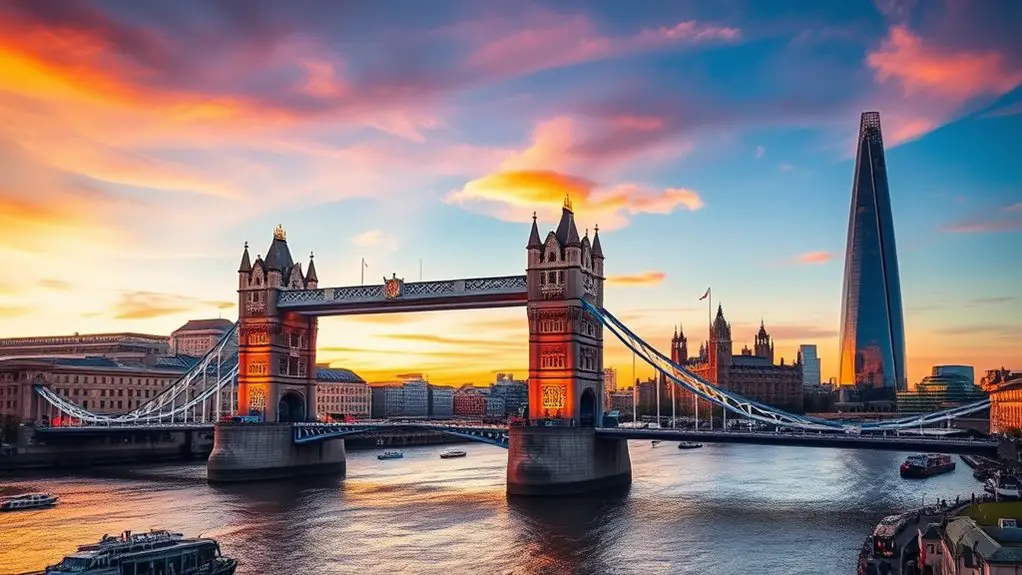
London is packed with historic landmarks, but you do not need to enter every one of them in a 48-hour visit. Prioritize one or two paid historic attractions and see the others as part of your walking route.
The Tower of London is one of the strongest choices for first-time visitors because the fortress combines centuries of royal and military history with the Crown Jewels. Nearby Tower Bridge is both a functioning bridge and a visitor attraction; its high-level walkways provide panoramic views over the Thames.
Buckingham Palace is easy to combine with St James’s Park and Westminster. When the Changing of the Guard fits your dates, it adds a ceremonial experience, but the official schedule should determine your plan rather than an assumption that the ceremony happens every morning.
Westminster Abbey is the historic setting for British coronations since 1066, while the Palace of Westminster and Elizabeth Tower form the familiar political skyline beside the Thames.
These sights work best when grouped geographically: Westminster Abbey, Parliament, St James’s Park, and Buckingham Palace belong together, while the Tower of London and Tower Bridge form a natural pair on the eastern side of central London.
The secret to seeing more of London in 48 hours is not moving faster—it is avoiding unnecessary trips between opposite sides of the city.
Exploring Vibrant Neighborhoods and Markets
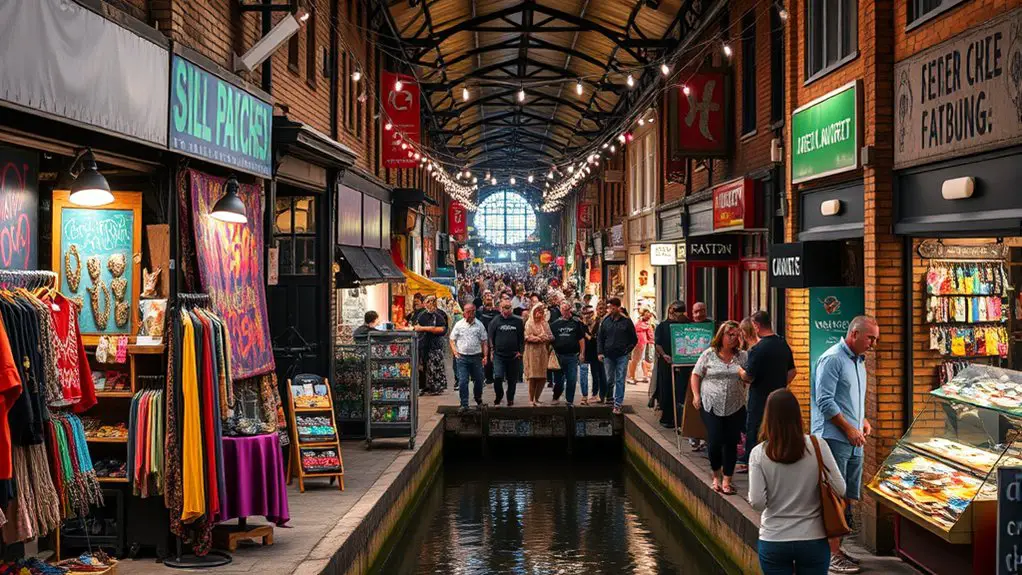
London’s neighborhoods are worth exploring, but they should be treated as choices rather than a checklist on such a short trip.
Camden is a good swap for travelers interested in alternative shops, music venues, markets, and street life. It works especially well as an evening destination if you already plan to see live music there.
Borough Market fits the core itinerary more naturally because it sits close to London Bridge, Tower Bridge, and the South Bank. The market offers produce, specialty food shops, prepared dishes, baked goods, and other food stalls, making it an efficient lunch stop. Remember that its regular schedule currently closes on Mondays.
Shoreditch is convenient after the Tower and City of London portion of Day 2. Street art, cafés, restaurants, boutiques, pubs, and nightlife make it an easy place to spend the final evening.
Notting Hill is better treated as an optional half-day swap. Its colorful streets and Portobello Road are appealing, but west London does not fit neatly into the core Tower-and-South-Bank route. Saturday is the main Portobello Road trading day for antiques, so market-focused travelers may prefer to build that day around Notting Hill instead.
Pro Tip: On a Saturday, choose between a Portobello-focused morning and the standard itinerary. Trying to squeeze Notting Hill, Borough Market, Camden, and Shoreditch into the same day creates far more transport time than sightseeing time.
Walking through one or two neighborhoods slowly will tell you more about everyday London than rushing through four of them for photographs.
Cultural Experiences and Iconic Museums
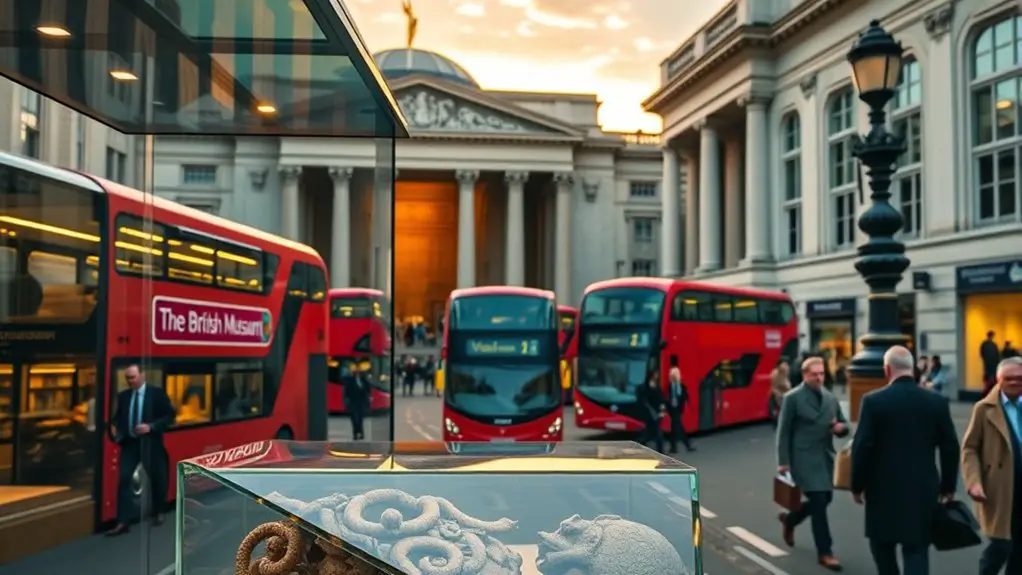
London’s major national museums can consume an entire day on their own, so a two-day visitor should choose according to interest. The British Museum is strongest for archaeology and world cultures, the National Gallery for European painting, Tate Modern for modern and contemporary art, and the Victoria and Albert Museum for art, design, fashion, textiles, and decorative arts.
| Museum | Best For |
|---|---|
| British Museum | Rosetta Stone, Egyptian collections, ancient civilizations and world cultures |
| National Gallery | European paintings including works by Leonardo da Vinci, Van Gogh and Monet |
| Tate Modern | Modern and contemporary art in the former Bankside Power Station |
| Victoria & Albert Museum | Fashion, design, sculpture, textiles and decorative arts |
General admission to the permanent collections at these major museums is free, although temporary exhibitions can carry separate charges. For a short visit, pick a handful of galleries or highlights and set a time limit before entering.
Note: The British Museum recommends advance booking of a free entry slot, while Tate Modern and the V&A generally allow free general admission without requiring a standard entry booking. Check each museum before travelling because temporary exhibitions and special events have separate rules.
Enjoying London’s Green Spaces and Panoramic Views
London’s parks are useful as part of the route rather than as separate sightseeing missions. St James’s Park naturally connects Westminster with Buckingham Palace. Hyde Park is a good choice if you are spending time around Knightsbridge or South Kensington, while Regent’s Park pairs more easily with Camden.
If you want a slower break, Hyde Park and Regent’s Park offer lawns, mature trees, lakes, gardens, and plenty of room away from the busiest sightseeing streets.
For skyline views, choose between a free or paid option. Sky Garden offers elevated city views from the Walkie Talkie building and free public access during designated visiting hours, although popular timed slots can disappear quickly. The View from The Shard is a paid experience with 360-degree views from high-level viewing galleries.
The South Bank offers a different experience: you remain at river level while looking across the Thames toward London’s skyline, bridges, and historic buildings. It is especially rewarding around sunset and after dark.
Primrose Hill provides a free outdoor skyline view and space to sit on the grass, but it is north of the core sightseeing route. Include it only if Camden or Regent’s Park is already part of your plan.
Getting Around London Efficiently
For most visitors, walking plus the Tube is the quickest combination. Use public transport for longer jumps, then walk when attractions are clustered together.
Transport for London recommends pay-as-you-go travel using contactless, Oyster, or Visitor Oyster. A compatible contactless bank card or phone is usually the simplest option because you can use it immediately without buying a separate card.
Always use the same contactless card or the same mobile device when touching in and out. Mixing a physical bank card with the same card loaded onto a phone can cause the system to treat them as separate payment methods.
For adult pay-as-you-go travel in 2026, the daily cap for Zones 1–2 is £8.90. Most sights in this itinerary are within those central zones, although airport travel and some services follow different fare rules.
Note: An Oyster card is still useful if your bank card is not compatible with TfL contactless payments, if your bank charges undesirable foreign transaction fees, or if you qualify for a fare arrangement that requires Oyster.
What to Book Before Your 48 Hours in London
A little advance booking can save a large part of a short trip from disappearing into queues or sold-out time slots.
- Tower of London: Book your preferred entry time ahead, particularly during holidays and peak visitor periods.
- Westminster Abbey: Check sightseeing hours for your exact date and reserve admission if it is one of your priorities.
- Changing the Guard: No normal admission ticket is required to watch outside, but check the official ceremony schedule shortly before visiting.
- Sky Garden: Reserve a free timed slot in advance when available.
- West End show: Book early when a particular production, cast, or seating area matters to you.
- Free museums: Check the museum’s current entry system; the British Museum recommends advance free booking even though walk-up entry may be possible.
Evening Entertainment and Nightlife Options
As the sun sets, London offers everything from theatre and live music to rooftop views and neighborhood pubs. Your best choice is usually the one closest to where the day ends.
On Day 1, Soho and the West End make sense because you are already in central London. Start with dinner or a drink, then see a musical, play, comedy performance, jazz set, or other live show.
Camden is a stronger choice when live bands and alternative venues matter more than theatre. Shoreditch fits Day 2 more naturally and offers restaurants, pubs, cocktail bars, clubs, and late-night venues close to the eastern sightseeing route.
A Thames evening cruise is a more relaxed alternative. Seeing the Palace of Westminster, bridges, the London Eye, the Tower area, and other landmarks illuminated from the river gives you a different perspective without another long walking route.
Mayfair offers polished bars and high-end dining, but you do not need an expensive night out to enjoy London after dark. A neighborhood pub, West End performance, river walk, or late museum opening can be just as memorable.
Smart Swaps for Different Travel Styles
For Market Lovers
If one of your days is Saturday, consider replacing part of Day 1 with Notting Hill and Portobello Road Market. Keep Borough Market on Day 2 only when its opening schedule fits.
For Museum Lovers
Skip one paid landmark and give the British Museum, National Gallery, Tate Modern, or V&A two to three hours. Trying to see all four properly in 48 hours is unrealistic.
For Families
Replace a long historic interior with the Natural History Museum, a Thames boat journey, Hyde Park, or another activity that lets children move around. The Natural History Museum’s main galleries have free admission, although booking a free entry ticket can help during busy periods.
For Rainy Weather
Move museums and indoor attractions into the wettest part of the day, then use clearer periods for Westminster, Tower Bridge, parks, markets, and the South Bank. Keep a compact waterproof layer with you because London weather can change during a full sightseeing day.
Frequently Asked Questions
Are there any hidden or underrated attractions worth visiting in London?
Yes. Leighton House in Kensington, Dennis Severs’ House in Spitalfields, smaller historic churches, local galleries, and East London street-art areas can provide a quieter alternative to the major sights. In only 48 hours, choose one hidden gem near the rest of your route instead of making a long detour.
What local foods and drinks should I try during my 48 hours?
Try fish and chips, a full English breakfast, a savory pie, afternoon tea, or food from one of London’s markets. A pub meal and pint are another classic experience. Gin also has strong historical associations with London, but there is no need to fit every traditional food into one short visit.
How can I efficiently travel between major sights within such a short time?
Use the Tube or another TfL service for longer journeys and walk between nearby attractions. Contactless and Oyster both support pay-as-you-go travel and fare capping. Keep Westminster sights together on Day 1 and Tower Hill, London Bridge, the South Bank, and Shoreditch together on Day 2 to reduce unnecessary travel.
Are there any tips for avoiding crowds at popular tourist spots?
Book timed admission where available, use an early entry for your highest-priority attraction, and avoid scheduling every famous sight around midday. Major free museums can still have security queues, so an advance free booking can help where offered. For markets, arriving before the main lunch or afternoon rush usually makes browsing easier.
What are some family-friendly activities suitable for a quick visit?
The Natural History Museum, Tower Bridge, a Thames boat ride, Hyde Park, St James’s Park, and selected Tower of London highlights all work well for families. Reduce the number of long museum visits and leave room for meals, parks, and unstructured breaks.
Is 48 hours enough time for London?
Two full days are enough for a strong first taste of London, but not for everything. A realistic trip can cover Westminster, one major museum, the Tower area, a market, the South Bank, and two evenings. The key is choosing priorities and saving distant neighborhoods and secondary attractions for another visit.
What should I book in advance for a two-day London trip?
Prioritize advance reservations for the Tower of London, Westminster Abbey, a specific West End performance, and Sky Garden if you want its free viewpoint. Check the British Museum’s free timed-entry system as well. Changing the Guard does not use ordinary spectator tickets, but you should verify its official schedule before your visit.
Conclusion
In 48 hours, you can see a remarkable amount of London without turning the trip into a race. Spend one day around Westminster, royal London, a central museum, and the West End, then use the second for the Tower of London, Tower Bridge, Borough Market, Tate Modern, the South Bank, and East London. Book the attractions that matter most, group sights by area, and leave enough room for a pub, park, market stall, or unexpected discovery along the way.
Sources
- Transport for London — Best ways for visitors to pay — contactless, Oyster, Visitor Oyster, pay-as-you-go travel and fare capping.
- Historic Royal Palaces — Tower of London visitor information — tickets, opening information, Crown Jewels access and recommended visit planning.
- Westminster Abbey — Visit Us — current visitor hours, access information and the Abbey’s status as the coronation church.
- Household Division — Changing the Guard — official ceremony details, timing and schedule guidance.
- British Museum — Plan Your Visit — free permanent-collection admission, opening hours and advance booking guidance.
- Borough Market — Visit Us — current market opening days and visitor information.
