
Last Updated on July 27, 2026 by Daniel Globe
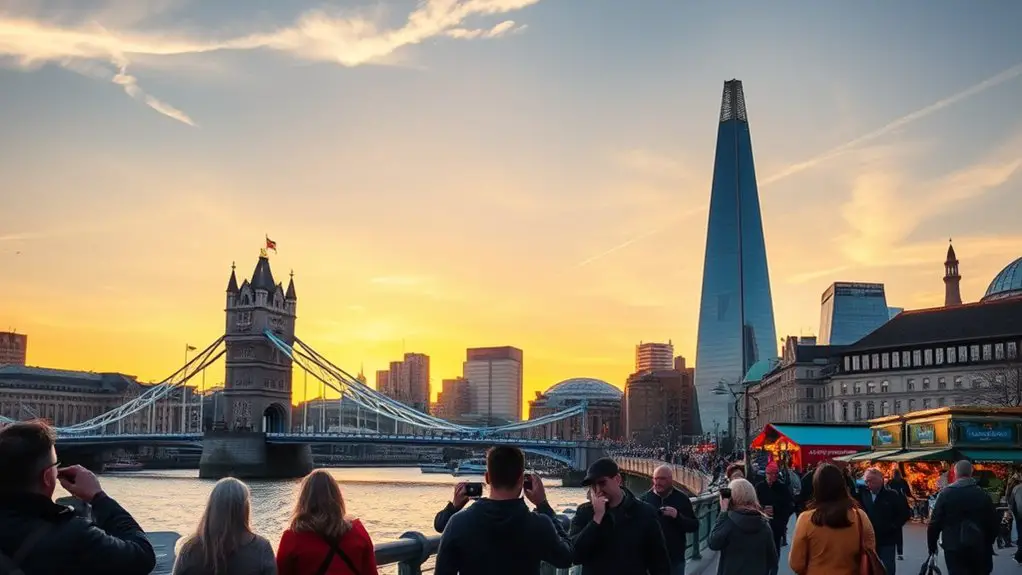
Ten days in London gives you enough time to see the headline sights without racing from one end of the city to the other. The easiest approach is to group attractions by area: Westminster and the South Bank, the City and London Bridge, Bloomsbury and the West End, Camden and Regent’s Park, Kew, Greenwich, and a few quieter neighborhoods. This itinerary does exactly that while leaving room for meals, museums, parks, and an occasional slow afternoon.
Quick Answer
Spend your 10 days in London by grouping sights geographically: Westminster and the South Bank, Buckingham Palace, Bloomsbury and the West End, the Tower and Borough Market, Camden, Kew, Greenwich, Docklands, and quieter neighborhoods. Pre-book high-demand attractions, use contactless or Oyster for transport, and keep one flexible day for weather or favorites.
Key Takeaways
- Plan by neighborhood instead of crossing London several times a day.
- Reserve timed attractions such as the London Eye, Tower of London, Churchill War Rooms, Buckingham Palace State Rooms, and popular skyline viewpoints before your visit.
- Many major museums have free general admission, but special exhibitions may charge and free timed entry is often recommended.
- Use the same contactless card or device for every journey so Transport for London can apply eligible daily and weekly fare caps.
- Keep opening days in mind: Borough Market is normally closed on Mondays, and Changing of the Guard dates can change at short notice.
Disclosure: As an Amazon Associate I earn from qualifying purchases. Some links on this page are affiliate links, at no extra cost to you.
10-Day London Itinerary at a Glance
At a Glance
| Day 1 | Westminster, Westminster Abbey, Big Ben, South Bank, London Eye |
| Day 2 | Buckingham Palace, Changing of the Guard, St James’s Park, royal sights |
| Day 3 | British Museum, Covent Garden, Soho, Chinatown |
| Day 4 | Tower of London, Tower Bridge, Borough Market, City viewpoints |
| Day 5 | National Gallery, Trafalgar Square, West End, evening show or walk |
| Day 6 | Camden Market and Regent’s Park |
| Day 7 | Kew Gardens, optional Notting Hill or Little Venice |
| Day 8 | Greenwich, Royal Observatory, maritime sights, Deptford |
| Day 9 | Churchill War Rooms and London Museum Docklands |
| Day 10 | Hampstead, hidden gems, shopping, or a flexible repeat day |
Before You Start: Transport and Tickets
London is easy to explore without a car. The Underground, buses, Elizabeth line, London Overground, DLR, and many National Rail services accept pay-as-you-go contactless or Oyster. Transport for London applies eligible fare caps when you use the same payment method consistently. Check the official TfL fare-capping guidance before your trip.
Book the attractions that matter most to you first, then build flexible stops around them. Westminster Abbey, Buckingham Palace, the Tower of London, the London Eye, Churchill War Rooms, and free viewpoints with timed entry can all be busy. Museum general admission is often free, but a timed reservation can reduce uncertainty during peak periods.
Pro Tip: Do not schedule three major ticketed attractions back-to-back. London queues, security checks, meals, and transport disruptions can quickly turn an ambitious day into a rushed one.
Where to Stay and How to Budget
For a first visit, a base in or near Zone 1 keeps most days simple. Bloomsbury is convenient for the British Museum and West End; South Bank or Southwark works well for riverside sights and Borough Market; Westminster is close to major monuments; and Paddington can be practical for west London and Heathrow connections. Pick the area that best matches your arrival route and evening plans rather than choosing a hotel only by distance from one attraction.
London can be expensive, but this itinerary mixes paid sights with free museums, parks, markets, and neighborhood walks. Decide which high-cost attractions are truly priorities, book those first, and use free cultural stops to balance the budget. Food costs also drop quickly when you mix sit-down meals with bakeries, markets, casual pubs, and supermarket lunches.
Day 1: Westminster, Big Ben, and the South Bank
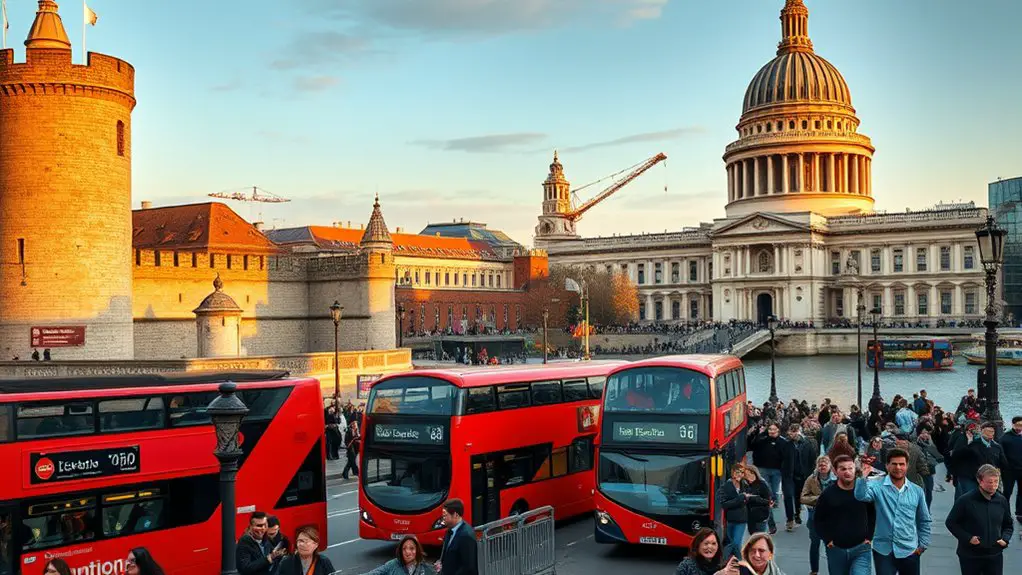
Start with the landmarks that define central London. Visit Westminster Abbey in the morning, then walk past the Houses of Parliament and Big Ben. The Abbey’s visitor hours vary by date because it is a working church, so check the official calendar before you go.
Cross Westminster Bridge and spend the afternoon on the South Bank. You can walk along the Thames, stop for river views, and ride the London Eye if it is high on your list. A standard London Eye rotation takes about 30 minutes, but your total visit will be longer because of security and queueing.
Finish near the river at sunset. From this side of the Thames, the Palace of Westminster is especially photogenic as the light changes over the water.
Panoramic Views From the London Eye
The London Eye gives you a broad view across central London, including the Houses of Parliament and, on a clear day, distant landmarks beyond the immediate South Bank. For a different skyline later in the trip, save Sky Garden or The Shard for Day 4 rather than paying for several viewpoints in one day.
Day 2: Buckingham Palace and Royal London
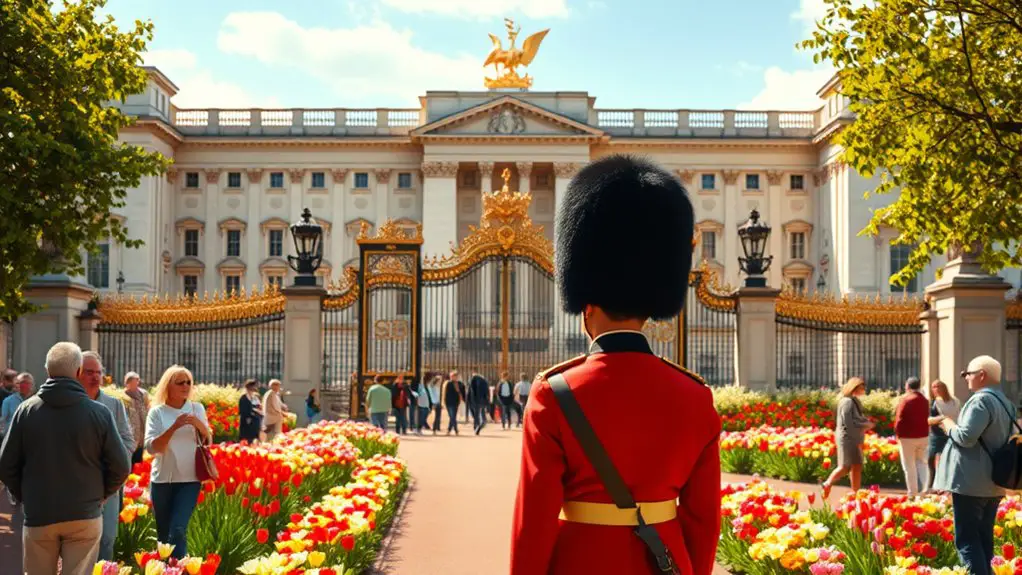
Begin near Buckingham Palace and St James’s Park. If Changing of the Guard is scheduled, arrive early enough to choose a viewing position before the area becomes crowded. The official Household Division schedule should be your final check because ceremonies can change or be cancelled at short notice.
Changing of the Guard
Changing of the King’s Guard is one of London’s best-known ceremonial traditions. The main Buckingham Palace ceremony normally takes place on selected days rather than every day. The Household Division lists the current schedule and notes that the palace ceremony begins around 10:45 a.m. and lasts about 45 minutes. Check the official Changing the Guard information before setting out.
Viewing the State Rooms
If your dates match the public opening season, the State Rooms are worth considering. In 2026, standard Buckingham Palace admission runs from July 9 through September 27. Standard visitors use a multimedia tour; independent guiding is not permitted inside. The rooms include grand ceremonial spaces such as the Throne Room and Picture Gallery.
Outside the main summer opening, access is much more limited and selected guided tours may be offered. Always check Royal Collection Trust for your exact travel dates before planning the day around an interior visit.
Exploring Royal Gardens
Do not assume Buckingham Palace Garden is a free public park. Standard State Rooms visits exit along a garden path, while fuller Garden Highlights access is sold as a separate guided experience on selected dates. For a free green-space alternative, walk through St James’s Park and continue toward Green Park or Hyde Park.
Note: Buckingham Palace is a working royal site. Public access, routes, and ceremonial schedules can change when official events are taking place.
Day 3: British Museum, Covent Garden, and Soho
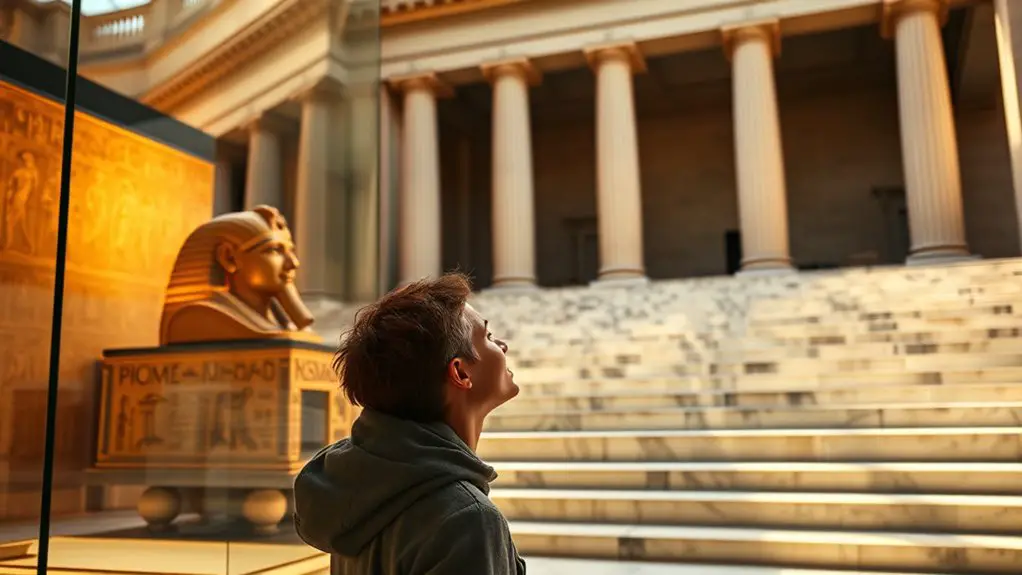
Spend the morning at the British Museum, where the permanent collection includes objects such as the Rosetta Stone and extensive Egyptian collections. General admission is free, although special exhibitions may charge. The museum recommends booking a free timed entry slot in advance during busy periods. See the British Museum visitor information for current hours and gallery notices.
After lunch, walk south toward Covent Garden. Explore the market buildings, street performers, shops, and surrounding lanes before continuing into Soho and Chinatown. Soho is a better place to enjoy cafés, restaurants, live music, or an evening drink than to treat as another checklist of monuments.
Covent Garden, Soho, and Chinatown
These neighborhoods work well together because they are close enough to explore on foot. Covent Garden is known for its market, Royal Opera House, and street entertainment. Soho offers restaurants, small venues, and nightlife, while Chinatown is an easy dinner stop between Soho, Leicester Square, and the West End.
Day 4: Tower of London, Tower Bridge, and Borough Market
Start early at the Tower of London. Give the site at least three hours if you want time for the Crown Jewels, the White Tower, and a Yeoman Warder tour. Historic Royal Palaces includes the Yeoman Warder tours with admission, and they run at intervals during the day. Check the official Tower of London website for current opening times and temporary closures.
Walk across or alongside Tower Bridge, then continue west toward London Bridge and Borough Market. The market is directly beside London Bridge Station and is normally open Tuesday through Sunday, with Monday closed. This makes it easy to pair with the Tower area on a non-Monday.
Borough Market Delights
Borough Market combines produce traders, bakeries, cheesemongers, prepared foods, and international stalls in a historic market setting. It is a strong lunch stop, but peak periods can be crowded, especially around midday and on Saturdays. Sample what interests you rather than trying to eat from several stalls at once.
Camden is not a short walk from Borough Market; it is in a different part of London. Save Camden for Day 6 so you do not waste time crossing the city between meals.
Skyline Views From the City
Finish in the City of London with a viewpoint. Sky Garden offers free public visiting slots during ticketed hours, with advance reservations released in limited windows. The Shard is a paid alternative nearby. Pick one based on your budget and preferred view rather than trying to visit both.
Day 5: National Gallery, Trafalgar Square, and the West End
Give the National Gallery a dedicated morning instead of squeezing it into the British Museum day. Its collection includes works by Leonardo da Vinci, J. M. W. Turner, Vincent van Gogh, and many other major European painters. General admission is free, although ticketed exhibitions cost extra. The Gallery recommends advance booking for free general admission during busy periods.
Step outside into Trafalgar Square, then walk through the West End at an easy pace. You can return to Covent Garden, explore Leicester Square, browse bookshops, or stop for afternoon tea. In the evening, choose a West End show, a jazz club, or dinner in Soho.
Ten days works best when you treat London as a collection of neighborhoods, not a single checklist of attractions.
Day 6: Camden Market and Regent’s Park
Camden’s food and market scene deserves its own half-day. Camden Market is typically open daily, with individual traders keeping their own hours. Expect street food, independent shops, music culture, and busy pedestrian areas around Camden Lock.
Camden’s Eclectic Food Scene
You will find everything from curries and Middle Eastern dishes to tacos, vegan food, desserts, and coffee. The variety is part of the appeal, but the atmosphere is very different from Borough Market. Borough feels more like a historic food market; Camden is louder, more eclectic, and closely tied to alternative fashion and music culture.
After lunch, walk or take a short ride toward Regent’s Park. The park combines broad lawns, gardens, ponds, and tree-lined paths. It is a useful change of pace after several days of museums and dense central streets.
Day 7: Kew Gardens, Notting Hill, and Little Venice
Travel west for a slower day at Kew Gardens. The Royal Botanic Gardens contain major plant collections, historic glasshouses, landscaped grounds, and seasonal displays. Kew charges admission, with prices and opening times varying by season, so check the official Kew Gardens ticket page before visiting.
Serene Landscapes and Green Spaces
London’s parks and gardens are an important part of a balanced itinerary. Hyde Park offers large lawns and the Serpentine, Regent’s Park combines formal gardens with open space, and Kew focuses on botanical collections and conservation. Use them as places to slow down rather than as attractions to rush through.
Wildlife and Botanical Attractions
In Hyde Park you may see swans and other waterfowl around the Serpentine. Regent’s Park has ponds, planted gardens, and varied birdlife. Kew’s vast plant collections attract birds, insects, and other urban wildlife while giving you access to glasshouses and botanical landscapes that feel far removed from central London.
If you still have energy after Kew, choose one west-London neighborhood rather than two. Notting Hill works well for colorful streets and cafés; Little Venice is better for a quiet canal walk and houseboat views.
Day 8: Greenwich and Deptford
Greenwich fills a major gap in the original plan and gives you a different view of London’s maritime history. Take a Thames boat, DLR, train, or bus to Greenwich and choose from the Royal Observatory, Cutty Sark, National Maritime Museum, Queen’s House, and Greenwich Park. The National Maritime Museum and Queen’s House have free general admission, while the Royal Observatory and Cutty Sark are ticketed.
At the Royal Observatory, you can see the Prime Meridian and look back toward the London skyline from the hill. If you prefer maritime history, spend more time at Cutty Sark and the National Maritime Museum instead of trying to do every site.
Deptford is nearby and adds a more local, creative side of southeast London. Its high street, market area, cafés, and riverside connections make it a better fit with Greenwich than with central-London sightseeing days.
Day 9: Churchill War Rooms and London Museum Docklands
Begin at the Churchill War Rooms, the underground complex used by Britain’s wartime government during the Second World War. The preserved Cabinet War Rooms, maps, communications spaces, and Churchill Museum help explain how decisions were made below central London during wartime. Advance booking is recommended by Imperial War Museums.
Later, head east to London Museum Docklands for the history of London’s river, port, trade, and Docklands communities. General admission is free.
Warning: Do not plan a 2026 visit to the old Museum of London at London Wall. That site is closed. The new London Museum in Smithfield is scheduled to open on November 28, 2026. Until then, London Museum Docklands is the museum’s main open visitor site.
London Museum Update
The former Museum of London at London Wall no longer operates as a normal visitor museum. According to London Museum, the new Smithfield location opens on November 28, 2026. Travelers visiting before that date should use London Museum Docklands or choose another history museum.
Day 10: Hampstead, Hidden Gems, and a Flexible Finish
Use your final day for the part of London that best matches your interests. Hampstead offers historic streets, cafés, and access to Hampstead Heath. You could also return to Hyde Park, explore a neighborhood you rushed earlier, shop, book a guided walking tour, or simply enjoy a long lunch without a timetable.
This is also the best place to keep the hidden-gem spirit of the trip. Little Venice offers tranquil canals and colorful houseboats; Hampstead has village-like streets and green space; Deptford brings a creative southeast-London atmosphere; and quieter corners of Soho, Covent Garden, and the City reveal more when you revisit them without a checklist.
Optional Day-Trip Swap
If ten full days in the city feels like more than you need, replace Day 10 with a day trip. Windsor is the easiest choice for more royal history, while Oxford offers historic colleges and walkable streets. Hampton Court Palace is another option if you want a royal site without traveling as far. Keep this optional rather than squeezing a day trip into an already full sightseeing day.
Practical Tips for Food, Nightlife, and Late Transport
For affordable meals near major attractions, look beyond the most visible tourist-facing restaurants. Borough Market, Chinatown, casual pubs, cafés, food halls, and neighborhood bakeries can all work well depending on the area. Check menus before sitting down because prices vary widely across central London.
For nightlife, plan the journey home before you start your evening. TfL’s Night Tube currently runs on Friday and Saturday nights on the Central, Jubilee, Northern, Piccadilly, and Victoria lines, while night buses cover many other routes. Licensed taxis and reputable ride-hailing services are alternatives when rail service is limited.
Stay aware of your surroundings in crowded nightlife districts, keep phones and wallets secure, and avoid becoming so intoxicated that you cannot navigate or make safe decisions.
Frequently Asked Questions
What are the best family-friendly activities in London?
Good family options include the Natural History Museum, Science Museum, London Zoo, a Thames boat ride, Greenwich, Hyde Park, and hands-on museum exhibits. Match the schedule to your children’s ages and leave more downtime than you would for an adults-only trip.
How can I experience local London nightlife safely?
Stick to busy, well-lit areas, keep your phone and valuables secure, watch your alcohol intake, and plan your route home in advance. Use TfL services, licensed black cabs, or reputable ride-hailing services rather than accepting unsolicited rides.
What are affordable dining options near major attractions?
Try casual pubs, food markets, bakeries, cafés, Chinatown, and quick-service restaurants a few streets away from the busiest landmarks. Borough Market can be good for sharing and sampling, while neighborhood high streets often offer better value than restaurants directly beside major attractions.
Are there guided tours suitable for solo travelers?
Yes. Small-group walking tours, museum tours, food tours, and themed neighborhood walks can be especially useful for solo visitors because they provide structure and a natural way to meet other travelers. Check the operator’s latest reviews, route, cancellation policy, and group size before booking.
How do I access transportation late at night?
Night buses operate across London, and the Night Tube runs on Friday and Saturday nights on selected lines. Service changes happen, so check TfL before leaving. Licensed taxis and reputable ride-hailing services are useful backups when your nearest rail line has stopped running.
Is 10 days too long for London?
No. Ten days lets first-time visitors see major landmarks while also spending time in museums, parks, markets, Greenwich, Kew, and residential neighborhoods. It also gives you room to slow down or add a day trip without turning every day into a race.
Do I need an Oyster card for 10 days in London?
Not necessarily. Many visitors can use a contactless bank card or compatible mobile wallet for pay-as-you-go travel. Oyster remains useful for travelers who cannot or do not want to use contactless. Whichever method you choose, use the same card or device consistently so eligible fare capping works correctly.
Sources
- Transport for London — Fare capping — pay-as-you-go daily and weekly capping.
- Royal Collection Trust — Buckingham Palace — State Rooms dates, garden access, and visitor arrangements.
- Historic Royal Palaces — Tower of London — tickets, opening information, Crown Jewels, and Yeoman Warder tours.
- British Museum — Plan your visit — free general admission, booking guidance, and opening hours.
- National Gallery — Visitor admissions policy — free general admission and visitor hours.
- London Museum — Visit — Smithfield opening date and London Museum Docklands visitor information.
Conclusion
Ten days in London gives you time to see the famous sights and still experience the city beyond them. By grouping each day around one area, you spend less time in transit and more time exploring. Keep your highest-priority bookings fixed, leave the rest flexible, and use the final day to revisit a favorite neighborhood or slow down before heading home.
