
Last Updated on July 25, 2026 by Daniel Globe
Moda is a relaxed seaside area of Kadıköy on Istanbul’s Asian side, known for leafy streets, cafés, cultural venues, historic buildings, and long views across the Sea of Marmara. A good walking tour starts in central Kadıköy, follows Bahariye toward Moda, then continues past real local landmarks such as Barış Manço House and historic Moda Pier before finishing along the waterfront.
Quick Answer
For a self-guided walking tour of Moda, start near the Kadıköy ferry and metro area, walk through central Kadıköy and Bahariye, continue toward Barış Manço House and Moda Pier, then finish on the Moda waterfront. Allow about 3–5 hours if you plan to stop for food, museums, photos, and a seaside break.
Key Takeaways
- Moda is part of Kadıköy in Istanbul, and its waterfront faces the Sea of Marmara.
- Real landmarks to build your walk around include Süreyya Opera House, Barış Manço House, Moda Pier, and the Moda seaside promenade.
- The T3 Kadıköy–Moda heritage tram is useful when you want to shorten the walk or return toward central Kadıköy.
- Leave time for cafés, bakeries, independent shops, parks, and side streets instead of trying to rush between attractions.
- Accessibility varies by street and venue, so travelers with mobility needs should plan the route in advance rather than assume every sidewalk is step-free.
At a Glance
| Time Required | About 3–5 hours with sightseeing, café, and waterfront stops |
| Difficulty | Easy to moderate; the waterfront is relatively flat, while some interior streets have slopes and uneven sections |
| Tools Needed | Comfortable shoes, water, phone/navigation app, and an Istanbulkart if you plan to use public transport |
| Cost | Walking and the waterfront are free; budget separately for transport, food, drinks, and any ticketed museums or performances |
Disclosure: As an Amazon Associate I earn from qualifying purchases. Some links on this page are affiliate links, at no extra cost to you.
How to Get to Moda and Start Your Walk
The easiest starting point for most visitors is central Kadıköy. Ferries connect Kadıköy with several points on Istanbul’s European side, while the M4 metro also terminates in Kadıköy. From the ferry and metro area, you can begin walking toward the market streets, Altıyol, and Bahariye before continuing into Moda.
Another option is the T3 Kadıköy–Moda heritage tram. Metro Istanbul lists 11 stops on its 2.6-kilometer loop between Kadıköy, Bahariye, Moda, and the return toward the waterfront side of central Kadıköy.
Pro Tip: Walk from Kadıköy into Moda while your energy is high, then use the T3 tram for part of the return journey if your feet need a break.
Exploring Moda’s Historic Streets
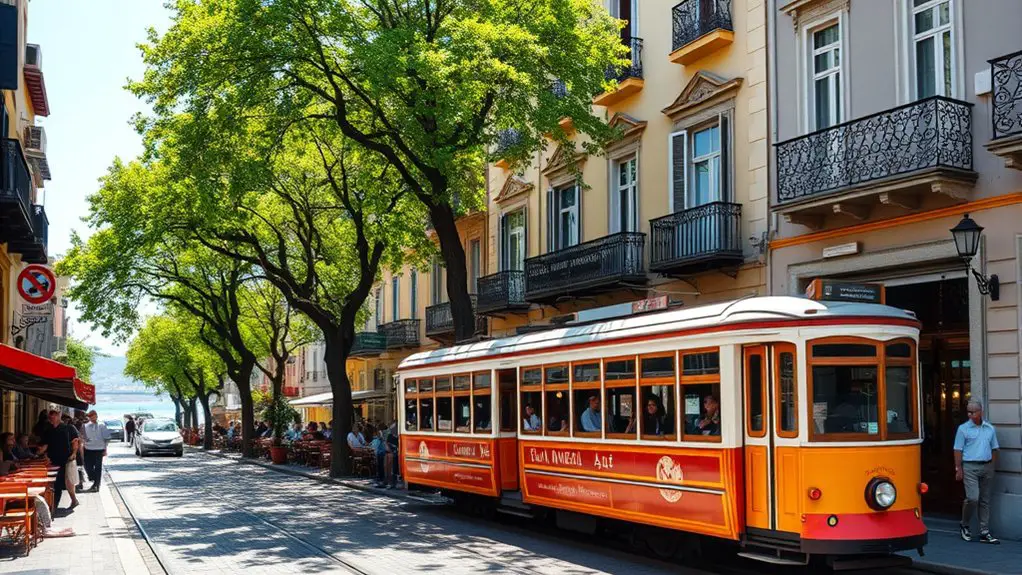
As you move from busy central Kadıköy toward Moda, the streets gradually become more residential. Older houses, apartment buildings, religious buildings, tree-lined streets, and small local businesses sit alongside modern cafés and shops.
One of Moda’s most important historic landmarks is Moda Pier. Istanbul Metropolitan Municipality records that architect Vedat Tek designed the pier in 1916–1917 in a neoclassical style. After restoration, it reopened in 2022 with a library, book-café, terrace, and public-use spaces.
Moda’s appeal comes less from one monumental attraction than from the combination of historic architecture, neighborhood life, cultural venues, cafés, and the Marmara waterfront.
Another genuine local landmark is Barış Manço House. Kadıköy Municipality converted the Turkish musician’s former Moda home into a museum, which opened to visitors in 2010.
Take time to notice façades, balconies, garden walls, mature trees, and the transitions between older homes and newer apartment buildings. Moda is still a residential neighborhood, so enjoy its architecture from public streets and avoid entering private gardens or courtyards.
Suggested Self-Guided Walking Route
This route combines central Kadıköy with Moda so you see both the energetic commercial streets and the quieter waterfront neighborhood.
- Start at the Kadıköy ferry and metro area. Get your bearings along the waterfront and head toward central Kadıköy.
- Explore the market streets and continue toward Bahariye. This is the livelier part of the route, with food shops, bakeries, cafés, bookstores, and busy pedestrian streets.
- Pause at Süreyya Opera House. The historic venue opened in 1927 and stands on Bahariye, making it a useful architectural stop before you continue toward Moda.
- Continue to Barış Manço House. Visit the museum if it is open and you have enough time, or simply view the historic house from outside.
- Walk downhill toward Moda Pier. Pause for the architecture, water views, library, or book-café when the building is open.
- Finish along the Moda waterfront. Walk beside the Sea of Marmara, sit in the green areas, or extend your route toward Yoğurtçu Park before returning to central Kadıköy.
Note: Museum, library, performance, and transport schedules can change. Check official venue information on the day of your visit rather than relying on old opening times copied from travel blogs.
Must-Visit Cafes and Eateries
Cafés are a major part of the Moda experience, but individual businesses and opening hours change too often for a walking guide to treat one list as permanent. A better approach is to choose stops as you walk.
For breakfast or an early snack, look for bakeries and breakfast cafés serving items such as simit, börek, eggs, cheese, olives, bread, tea, and Turkish coffee. Specialty coffee shops are also common around Moda and Caferağa.
If you start in central Kadıköy, the market area gives you a wider choice of traditional food before you enter Moda. Later in the day, the neighborhood works well for pastries, ice cream, coffee, casual meals, or a longer dinner.
Rather than trying to eat at every highly rated place, pick one or two stops that match your route. This leaves more time for the waterfront and prevents the walk from turning into a queue-to-queue food crawl.
Discovering Artistic Gems and Cultural Venues
Moda and the surrounding parts of Kadıköy have an active cultural scene, but it is better represented by real museums, theaters, music venues, workshops, and changing exhibitions than by a fixed list of generic galleries.
Artistic Hubs and Studios
Barış Manço House is the clearest cultural stop within Moda itself. The museum focuses on the life, work, possessions, and home of one of Türkiye’s best-known musicians.
On the approach from central Kadıköy, Süreyya Opera House adds performing arts and architectural history to the route. Moda Sahnesi is another established theater venue in the broader Bahariye/Moda area.
Independent studios, design shops, bookstores, and temporary exhibitions also appear around Kadıköy, but their programs change. When a particular exhibition or workshop matters to your trip, verify it shortly before visiting.
Cultural Venue Highlights
| Venue | Why Visit | Planning Note |
|---|---|---|
| Barış Manço House | Museum in the musician’s former Moda home | Check current ticket and closure information before visiting |
| Süreyya Opera House | Historic 1927 performance venue on Bahariye | Performance schedules vary by date |
| Moda Sahnesi | Established local theater and performance venue | Check the current program if you want to attend a show |
Relaxing in Moda’s Parks and Seaside Promenades
The waterfront is one of the best reasons to include Moda in a Kadıköy walk. Here the dense city opens onto grass, paths, benches, rocky shoreline, and views across the Sea of Marmara.
Tranquil Park Settings
Moda’s coastal green areas are well suited to a break after the busier streets around Kadıköy and Bahariye. Bring a drink, sit on the grass or a bench, and slow down instead of treating the shoreline as another attraction to rush through.
You can also extend the walk toward Yoğurtçu Park. Kadıköy Municipality documents children’s play areas, cycling and running routes, sports areas and other public facilities there.
Scenic Seaside Walks
Moda’s waterfront follows the Sea of Marmara, not the open ocean. The broad views and changing light make it one of the most enjoyable parts of the neighborhood for an unhurried walk.
To make the most of the coast:
- Watch gulls and other common urban seabirds around the shoreline.
- Stop at several viewpoints instead of trying to photograph everything from one place.
- Visit in the late afternoon when softer light begins to fall across the water.
- Stay on established paths and public waterfront areas rather than climbing onto unstable shoreline rocks.
The promenade is equally useful when you are not taking photos. It is a good place to sit, talk, read, or simply take a break from Istanbul’s traffic and crowds.
Family-Friendly Green Spaces
Families can use the waterfront lawns for low-key outdoor time, while nearby Yoğurtçu Park offers a more structured park experience with a children’s play area and recreational facilities.
Keep children close beside cycle routes, roads, and the rocky water’s edge. During busy evenings and weekends, choose a clear meeting point in case your group becomes separated.
Shopping for Unique Finds and Local Crafts
Shopping in Moda is more about browsing independent businesses than visiting one large souvenir district. Around Moda, Caferağa, and Bahariye, you can find clothing boutiques, books, records, accessories, design goods, ceramics, and other small-scale products.
For a more memorable souvenir, look for something connected to a local maker, artist, bookshop, record store, or neighborhood institution instead of a generic Istanbul trinket.
Use these ideas as you browse:
- Look through independent design and accessory shops rather than buying from the first souvenir rack you see.
- Browse bookstores and record shops if you want something connected to Kadıköy’s cultural scene.
- Watch for temporary craft and makers’ markets, which may appear seasonally.
- Ask before photographing makers, shop interiors, or handmade work at close range.
Kadıköy Municipality regularly announces cultural programs and occasional markets, so check its current listings when a festival, craft event, or pop-up market would influence your plans.
Admiring Architectural Highlights
Moda’s architectural interest comes from a mix of preserved landmarks and ordinary neighborhood streets rather than a skyline of modern monuments.
Real Architectural Highlights
- Moda Pier: Designed by Vedat Tek in 1916–1917, this waterfront building is one of the most important architectural stops in the neighborhood.
- Süreyya Opera House: Opened in 1927, its design includes European theater influences, and the restored building again functions as a performance venue.
- Barış Manço House: The historic residence is now a museum devoted to the musician who lived and worked there.
- Residential streets: Older houses, apartment façades, garden walls and places of worship add smaller architectural details between the major stops.
Historic Architectural Styles
Do not expect one uniform “Moda style.” The area developed over different periods, so its architecture is varied.
Moda Pier provides a clear neoclassical reference point, while Süreyya Opera House includes decorative European influences, including an Art Deco-inspired foyer. Residential streets add another layer through older houses and apartment buildings mixed with newer construction.
This variety is more interesting when you slow down. Look at doors, balconies, masonry, windows and rooflines rather than focusing only on large landmarks.
Hidden Corners and Quieter Streets
Moda rewards wandering, but “hidden” does not mean private. Many attractive gardens, courtyards and entrances belong to residents.
For a quieter side of the neighborhood:
- Leave the busiest commercial streets for smaller public side streets around the Moda and Caferağa area.
- Look for small bookstores, cafés, record shops, and design stores away from the main pedestrian flow.
- Pause where side streets open toward the sea rather than searching for unmarked shortcuts through private property.
- Explore slowly enough to notice architectural details, street trees, murals, shop windows, and neighborhood life.
Warning: Do not enter private courtyards, apartment gardens, rooftops, construction areas, or shoreline sections that are closed or unsafe simply to find a “secret” photo spot.
Experiencing Local Events and Festivals
Events can add a completely different dimension to a Moda visit, but schedules change throughout the year. Instead of assuming that a certain festival happens every week or month, check current listings shortly before your trip.
| Where to Check | What You May Find |
|---|---|
| Kadıköy Municipality cultural listings | Festivals, outdoor programs, exhibitions, children’s activities and municipal events |
| Süreyya Opera House | Opera, ballet, concerts and other scheduled performances |
| Local theaters and cultural venues | Plays, talks, concerts and temporary programs |
| Seasonal markets and public spaces | Occasional craft, design or community events |
The Kadıköy Municipality news and events pages are a useful starting point for current municipal programming.
Sunset Views and Photo Opportunities
Late afternoon is an excellent time to reach the waterfront because you can combine the final part of your walk with changing light over the Sea of Marmara.
Useful photo stops include:
- Moda Pier: Use the historic building and surrounding water as part of the composition.
- Moda waterfront: The open shore provides broad sea and sky views.
- Coastal green areas: Trees, grass, people relaxing, and the shoreline can add context to sunset photographs.
- Nearby public streets: Warm late-day light can bring out details on balconies, façades, signs, and street trees.
Sunset conditions depend on season and weather, so check the day’s forecast and sunset time before planning your final stop.
Pro Tip: Reach the waterfront before sunset rather than at the exact sunset time. You will have more freedom to choose a viewpoint and can enjoy the softer light before the sun drops.
Accessibility and Mobility
Accessibility in Moda is mixed. Kadıköy’s coastal areas are generally flatter than many inland parts of Istanbul, but interior streets can include slopes, curbs, uneven paving, crowded sidewalks, and building entrances that are not step-free.
Travelers using wheelchairs, walkers, or other mobility aids should check the specific museum, restaurant, and transport stops they intend to use. Public transport accessibility is improving across Istanbul, but elevators, ramps, vehicle boarding conditions, and temporary outages can affect an otherwise workable route.
For an easier outing, prioritize the waterfront, reduce unnecessary side-street detours, travel outside peak crowds, and arrange your route around verified step-free entrances rather than assuming every section is accessible.
Tips for Making the Most of Your Visit
Plan the main stops, but leave space for spontaneous breaks. Moda works best as a neighborhood walk rather than a checklist.
- Wear comfortable shoes: You may cover several hours of pavement even on a relaxed visit.
- Carry water: This matters especially in warm weather.
- Check ticketed venues first: Museum closing days, ticket procedures and performance times can change.
- Keep an Istanbulkart handy: It gives you the option of using public transport when you no longer want to walk.
- Dress respectfully at active places of worship: Follow posted rules and avoid interrupting services.
- Respect residents: Moda is a living neighborhood, not an open-air museum.
- Save the waterfront for later: Ending near the sea gives the route a natural finish and works especially well near sunset.
A simple map on your phone is useful, but do not be afraid to take a public side street that looks interesting. The goal is to keep a clear overall direction while allowing enough time to enjoy the neighborhood.
Frequently Asked Questions
What is the best time of year to visit Moda?
Spring and autumn are often comfortable for long walks because temperatures are generally milder than during the hottest part of summer or the coldest winter weather. Moda can be visited year-round, so check the forecast and dress for the conditions on your actual travel day.
Are there guided walking tours available in Moda?
Private operators may offer Kadıköy and Moda walking tours, but availability, route content, language and schedules change. A self-guided walk is also straightforward if you start in central Kadıköy and use Bahariye, Barış Manço House, Moda Pier and the waterfront as your main reference points.
How accessible is Moda for visitors with mobility challenges?
Accessibility varies. Waterfront areas tend to be flatter, while some interior streets have slopes, curbs, uneven paving or crowded sidewalks. Check the accessibility of individual venues and current public-transport conditions before setting out.
What souvenirs should I buy to remember Moda?
Look for books, records, ceramics, prints, accessories, design goods, or other items from independent local businesses. A locally made or neighborhood-specific item usually makes a more meaningful keepsake than a generic souvenir.
Are there family-friendly activities in Moda for kids?
Yes. Families can enjoy the waterfront and green areas, while nearby Yoğurtçu Park has a children’s play area and recreational facilities. Older children may also enjoy Barış Manço House depending on their interests.
How long should I allow for a walking tour of Moda?
Allow roughly 3–5 hours for a relaxed route from central Kadıköy through Bahariye and Moda to the waterfront. You can finish faster if you skip museums and meals, or spend most of a day here if you add shopping, performances, and long café stops.
Where should I start a self-guided Moda walk?
Central Kadıköy near the ferry and metro area is the most practical starting point for first-time visitors. From there, walk through the market and Bahariye area before continuing toward Barış Manço House, Moda Pier, and the seaside.
Conclusion
A walking tour of Moda is less about racing between famous monuments and more about seeing how Kadıköy changes as you move from its busy centre toward quieter residential streets and the Sea of Marmara. Start around the Kadıköy transport hub, follow Bahariye toward genuine cultural landmarks, stop at Barış Manço House and Moda Pier, and give yourself time to finish beside the water. With real places, a flexible route, and a few unplanned café or shop stops, Moda becomes one of Istanbul’s easiest neighborhoods to enjoy at walking pace.
Sources
- İBB Moda İskele Kütüphanesi — Moda Pier history, restoration, current use, and location.
- Kadıköy Municipality Barış Manço House — museum history and current visitor information.
- Kadıköy Municipality Süreyya Opera House — building history, architecture, and restoration.
- Metro Istanbul T3 Kadıköy–Moda Tram Line — official route and operating information.
- Kadıköy Municipality Yoğurtçu Park — park facilities and improvements.
- Kadıköy District Governor — district geography, Marmara coastline, terrain, and Moda context.
