
Last Updated on July 30, 2026 by Daniel Globe
A walking tour of Cihangir is one of the best ways to experience Istanbul beyond its major monuments. This hillside neighborhood in Beyoğlu combines a historic mosque, Bosphorus viewpoints, literary museums, apartment-lined streets, cafés, small food shops, and easy access to the antique stores of neighboring Çukurcuma. The main challenge is the terrain: many streets are steep, narrow, and uneven.
Quick Answer
For an easy Cihangir walking tour, start at Taksim Square and finish downhill at Fındıklı or Kabataş. Allow two to four hours for Cihangir’s café streets, the Orhan Kemal Museum, Çukurcuma antiques, the Museum of Innocence, Cihangir Mosque, and the Bosphorus-facing Cihangir Sanatkarlar Parkı.
Key Takeaways
- Start at Taksim if you prefer to walk mostly downhill; beginning at Kabataş or Fındıklı requires a steep climb.
- Use Cihangir Mosque and Cihangir Sanatkarlar Parkı as the main historic and scenic stops.
- Add the Orhan Kemal Museum and the Museum of Innocence when their current opening hours fit your schedule.
- Browse small grocers and bakeries in Cihangir, then visit adjacent Çukurcuma for antiques and changing gallery exhibitions.
- Wear shoes with good grip, watch for traffic on narrow streets, and do not expect a fully step-free route.
At a Glance
| Time Required | About 2–4 hours; add more time for museum visits or a full meal |
| Difficulty | Moderate because of steep slopes, uneven paving, steps, and narrow sidewalks |
| Tools Needed | Comfortable shoes, water, a charged phone, an offline map, and an İstanbulkart for onward travel |
| Cost | Free to walk; museum admission, food, drinks, tours, and public transport cost extra |
Warning: Cihangir’s slopes can become slippery in rain. Some streets have broken paving, parked vehicles, limited sidewalks, and fast local traffic. Wear stable footwear, keep children close, and avoid looking at your phone while descending.
Disclosure: As an Amazon Associate I earn from qualifying purchases. Some links on this page are affiliate links, at no extra cost to you.
Exploring the Historical Landmarks of Cihangir

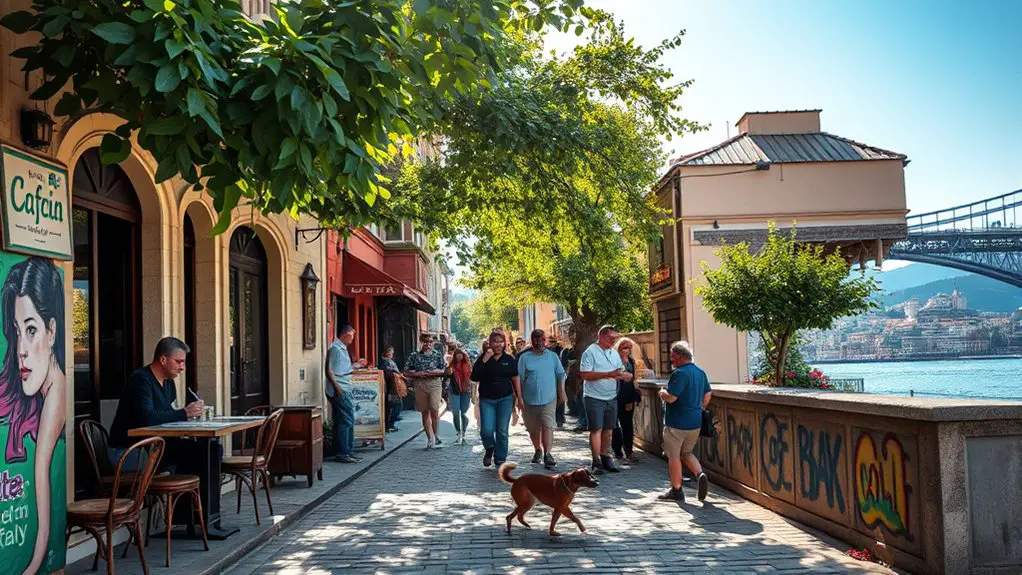
Cihangir’s visible architectural story is more specific than a simple mix of Ottoman, Byzantine, and modern buildings. The neighborhood is best known for its Ottoman religious heritage, registered historic structures, late-Ottoman and early-Republic apartment buildings, ornate balconies, bay windows, and newer additions fitted into a dense residential district.
You should not expect a route filled with major Byzantine monuments. Instead, the pleasure comes from noticing how different periods of urban life meet on the same steep streets: a historic mosque above the Bosphorus, aging apartment façades, restored homes, corner shops, contemporary murals, and everyday residential details.
Cihangir Mosque
The neighborhood’s central historic landmark is Cihangir Mosque, also known as Şehzade Cihangir Mosque. The first mosque was commissioned by Sultan Süleyman the Magnificent for his son Şehzade Cihangir and designed by Mimar Sinan. The building suffered repeated fires and reconstruction over the centuries. The present structure reflects later Ottoman rebuilding and was reopened after a major restoration in 2018, according to the Turkish Ministry of Culture and Tourism.
The mosque remains an active place of worship rather than a museum. Visit outside busy prayer periods when possible, dress respectfully, remove your shoes before entering the prayer area, speak quietly, and follow any instructions posted at the entrance. Access for sightseeing may be restricted during prayers, religious holidays, maintenance, or private events.
Note: Many of Cihangir’s most interesting buildings are private homes. Enjoy the façades from public streets, but do not enter courtyards, photograph through windows, or block residents’ doorways.
Must-Visit Cafés and Restaurants
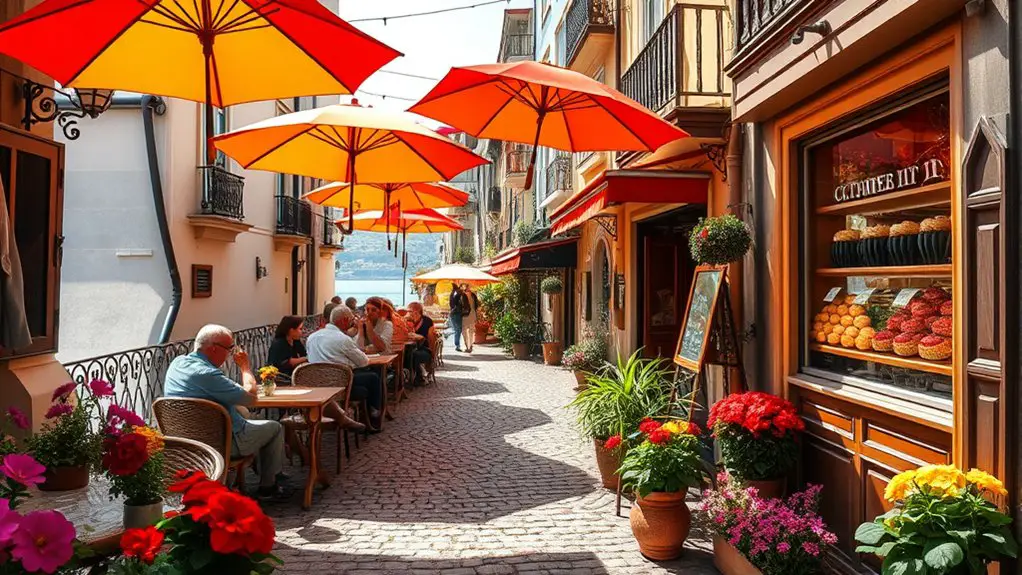
Cihangir has a strong café culture, but restaurant names, ownership, menus, prices, and opening hours change too quickly for an evergreen route to rely on a fixed list. A better approach is to choose a busy, well-reviewed place near Cihangir Caddesi, Akarsu Yokuşu, or the surrounding side streets and confirm its hours on the day of your walk.
For breakfast, look for a Turkish spread with bread, tomatoes, cucumbers, olives, cheese, eggs, preserves, and tea. Portions can be large, so check whether the listed breakfast is priced for one person or designed to be shared. A lighter stop might include simit, a pastry, Turkish coffee, tea, or a simple sandwich.
For lunch or dinner, you may find meze, grilled dishes, stuffed vegetables, soups, salads, seafood, and modern interpretations of Turkish or Mediterranean cooking. Rooftop or terrace seating may offer city or water views, but verify the view, reservation policy, minimum spend, smoking arrangement, and weather protection before committing.
Vegetarians can usually assemble a meal from breakfast dishes, vegetable meze, lentil soup, salads, and pastries. Vegan visitors should ask about butter, yogurt, cheese, eggs, meat stock, and honey because dishes that appear plant-based may contain animal products.
Hidden Art Galleries and Studios
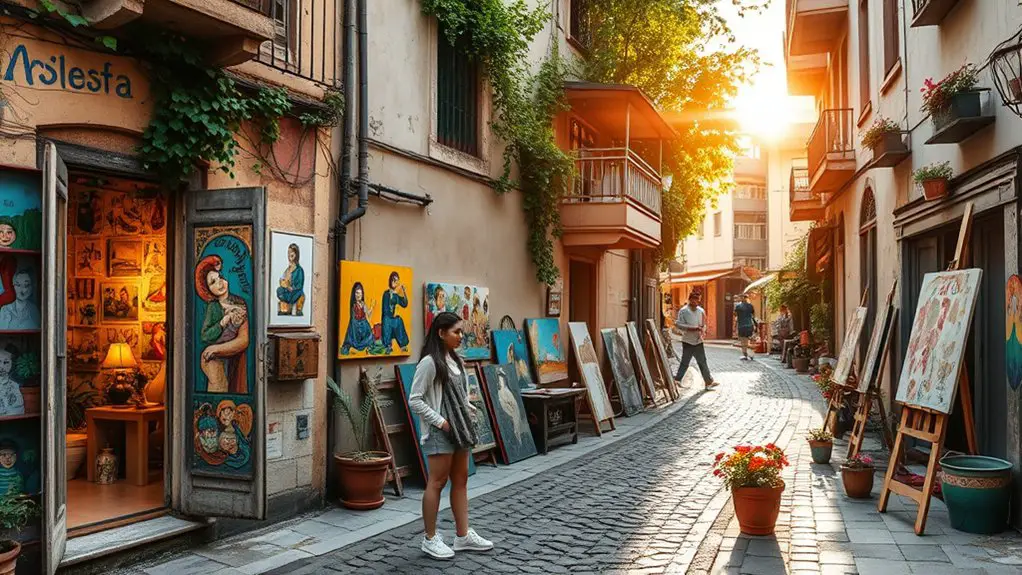
Cihangir’s cultural appeal extends into neighboring Çukurcuma, an area known for antique shops and galleries. The boundary between the two neighborhoods is easy to cross on foot, so most visitors treat them as one extended walking area. Türkiye’s official tourism platform also recommends Çukurcuma for antique stores and art galleries.
Gallery programs are temporary, and small spaces may keep limited hours or close between exhibitions. Check the venue’s own current page before building your entire route around one exhibition. This is more reliable than depending on an old “best galleries” list.
Orhan Kemal Museum
The Orhan Kemal Museum on Akarsu Yokuşu is a useful literary stop for readers interested in the Turkish novelist’s life and work. Its exhibits have included photographs, letters, books, personal items, and his writing room. Confirm the current opening days and admission details before walking there, especially on Sundays and public holidays.
Museum of Innocence
In Çukurcuma, the Museum of Innocence turns the world of Orhan Pamuk’s novel into displays of objects, memories, and scenes from Istanbul life. The museum’s official visitor page currently lists opening from Tuesday through Sunday, 10:00–18:00, with Monday closure. Recheck before visiting because holiday hours and temporary closures can change.
Pro Tip: Plan museum visits before choosing your meal stop. A long breakfast can easily leave too little time for a museum that stops selling tickets before its published closing time.
Scenic Viewpoints Overlooking the Bosphorus
Cihangir’s position above the waterfront creates framed views between buildings and broader panoramas from public terraces. The most dependable named viewpoint is Cihangir Sanatkarlar Parkı, often shortened by visitors to Cihangir Park. İstanbul Metropolitan Municipality identifies it as a public park beside the Cihangir social facilities.
The view can include parts of the Bosphorus, the historic peninsula, passing vessels, and the roofs below, depending on your exact position, foliage, construction, haze, and weather. Sunset can be attractive, but the terrace may become busy, and a clear horizon is never guaranteed.
You will also see water at the ends of several descending streets. Pause only where the sidewalk or public space is wide enough. Do not stand in the road for photographs, and avoid blocking building entrances or residents carrying groceries up the hill.
Cihangir’s best views often appear as brief openings between apartment buildings rather than as a single formal observation deck.
The Vibrant Local Markets and Small Shops
Cihangir does not need a large open-air market to feel lively. Its everyday food culture is found in small grocers, produce shops, bakeries, delicatessens, pickle shops, cafés, and neighborhood stores. Displays and opening hours vary by day, so treat shopping as part of the walk rather than expecting one permanent market complex.
Look for seasonal fruit, fresh bread, olives, cheeses, prepared foods, tea, coffee, sweets, and practical picnic supplies. Ask before photographing a shopkeeper or display, and do not handle unpackaged produce unless invited.
For decorative objects, old prints, lighting, furniture, ceramics, records, and collectibles, continue into Çukurcuma’s antique-shopping streets. Check an object’s condition, price, dimensions, and shipping restrictions before buying. Not every old-looking item is antique, and not every shop offers international delivery.
Picturesque Streets and Architecture
Cihangir rewards slow observation. Apartment façades, iron balconies, bay windows, shutters, plants, street cats, murals, signs, and glimpses of water create a layered streetscape. It is still a residential neighborhood, so the best experience comes from exploring without treating residents’ homes as a staged attraction.
Charming Cobblestone Pathways
Some lanes use stone or cobbled paving, while others are asphalt, concrete, steps, or a patchwork of repaired surfaces. The uneven texture adds character but can be difficult for wheelchairs, strollers, rolling luggage, sandals, and anyone with limited balance.
Walk slowly on descents, use handrails where available, and give vehicles space on narrow streets. After rain, polished stone, painted curbs, metal covers, and fallen leaves may be slippery.
Colorful Historic Buildings
The neighborhood’s apartment buildings display different periods of Istanbul’s urban growth. Look for projecting bays, decorative window surrounds, iron balconies, cornices, vintage doors, tiled entrances, and later renovations. Some façades have been carefully restored, while others show age, repairs, or incompatible additions.
A weathered building is not necessarily abandoned, and an ornate doorway does not imply public access. View architectural details from the street and respect signs, gates, and residents’ privacy.
Vibrant Street Art
Street art in Cihangir is temporary by nature. You may encounter murals, stickers, stencils, painted shutters, paste-ups, and small interventions, but no individual work is guaranteed to remain. Walls can be repainted, shops can change, and new pieces can appear between visits.
Photograph from public space without touching the work or stepping into traffic. Avoid presenting graffiti on a private residence as an officially commissioned attraction unless a reliable source confirms it.
Cultural Events and Festivals
Cihangir and the wider Beyoğlu district host exhibitions, screenings, talks, workshops, music, theater, and community events. However, programs change throughout the year, and there is no dependable permanent schedule for performances on Cihangir’s streets.
Before your visit, check the Beyoğlu Municipality culture calendar and the İBB Culture and Arts calendar. Confirm the venue because an event advertised as “Beyoğlu” may be several kilometers from Cihangir.
Local Art Exhibitions
Small galleries may host rotating exhibitions, openings, artist talks, and workshops, while museums maintain more predictable collections. Check the date, language, admission policy, accessibility, and photography rules directly with the venue. Avoid relying on an old article that does not link to the organizer.
Street Performances Schedule
There is no fixed official Cihangir street-performance schedule. You may encounter musicians or other performers spontaneously, especially when walking toward Taksim and İstiklal Avenue, but a performance should be treated as a bonus rather than a planned tour stop.
If a crowd forms, keep bags closed and leave room for residents and traffic. Tip only when you choose to, and ask permission before taking a close-up photograph of a performer.
Seasonal Festivals Overview
Do not plan a trip around a named Cihangir festival unless its current date and organizer are confirmed. Instead, use this three-step check:
- Search the official calendars: Filter Beyoğlu Municipality and İBB listings by date, venue, and event type.
- Verify with the venue: Confirm the event on the museum, gallery, theater, or organizer’s own current page.
- Check access details: Review ticket requirements, language, age limits, weather plans, and last-entry times.
Note: Social-media posts and old festival pages often remain online after an event ends. Confirm the year before adding anything to your itinerary.
Recommended Walking Routes
The most comfortable route begins at the higher Taksim end and finishes near the waterfront. The full walk is approximately 2.5–3.5 kilometers, depending on detours, and normally takes two to four hours with stops. The distance is modest, but the slopes make it feel longer.
Half-Day Taksim-to-Waterfront Route
- Start at Taksim Square: Arrive by M2 metro, F1 funicular, bus, taxi, or on foot. Open your offline map before leaving the square.
- Walk south along Sıraselviler Caddesi: This busy approach gives you access to the upper edge of Cihangir. Watch for turning vehicles and crowded pavements.
- Enter the Akarsu Yokuşu and Cihangir Caddesi area: Pause for coffee or breakfast and notice the neighborhood’s apartment architecture and small shops.
- Add the Orhan Kemal Museum: Visit only after confirming that it is open. Allow roughly 30–60 minutes, depending on your interest in Turkish literature.
- Continue into Çukurcuma: Browse antique shops and, if time permits, visit the Museum of Innocence. Allow at least an hour for the museum itself.
- Return toward Cihangir Mosque: Approach respectfully and visit outside prayer periods when public access is available.
- Pause at Cihangir Sanatkarlar Parkı: Rest, enjoy the Bosphorus-facing outlook, and decide whether to end the walk or continue downhill.
- Finish at Fındıklı or Kabataş: Descend carefully to the waterfront for the T1 tram, F1 funicular connection, ferries, buses, or a waterfront walk.
Pro Tip: Save the waterfront for the end. Starting at Taksim turns the steepest part of the route into a descent and gives you several transport choices when you are tired.
Short Cihangir Loop
For a 60–90-minute walk, start at Taksim, follow Sıraselviler into the Akarsu Yokuşu area, continue to Cihangir Mosque and Cihangir Sanatkarlar Parkı, then either return to Taksim or descend to Kabataş. Skip Çukurcuma and the museums unless you have extra time.
Rainy-Day Version
On a wet day, shorten the outdoor sections and choose one museum plus a café. Avoid the steepest stone lanes, use main roads with wider pavements, and consider a licensed taxi or ride service between Taksim, Çukurcuma, and Kabataş. Check museum closures before leaving your accommodation.
Tips for Navigating Cihangir
Cihangir is compact, but its winding slopes, similar-looking apartment streets, and irregular sidewalks can make a short distance feel confusing. Save your key stops before the walk and use major landmarks rather than relying on an assumed straight route.
Public Transport Options
Cihangir’s interior is mainly explored on foot. Rail and ferry connections sit around its edges:
- Taksim: A practical high-level starting point served by the M2 metro and the F1 funicular.
- Kabataş: A lower-level transport hub with the F1 funicular, T1 tram, buses, and sea connections.
- Fındıklı: A useful T1 tram stop near the waterfront and a steep walk below Cihangir.
The official F1 Taksim–Kabataş funicular connects the upper and lower ends in about 2.5 minutes. The T1 Kabataş–Bağcılar tram provides onward connections along the historic peninsula. Check Metro İstanbul for current operating hours, disruptions, and station information.
The F1 funicular covers the steep Taksim–Kabataş connection in roughly 2.5 minutes, making it useful when you do not want to climb back up through Cihangir.
You can pay for rail travel with İstanbulkart products available through official sales channels and ticket machines. Fares and visitor-card options change, so check the official İstanbulkart information before deciding which product suits your stay.
Best Walking Routes
Download an offline map because mobile signals can weaken inside buildings and international data may fail. Search with Turkish characters when possible: “Cihangir Camii,” “Cihangir Sanatkarlar Parkı,” “Orhan Kemal Müzesi,” “Masumiyet Müzesi,” “Fındıklı,” and “Kabataş.”
Do not assume the shortest mapped route is the easiest. A shortcut may include long stairs, a very steep descent, construction, or a lane without a usable sidewalk. When in doubt, remain on a wider street even if it adds several minutes.
Local Landmarks Navigation
Use these practical reference points:
- Taksim Square: High-level start and major transport connection
- Akarsu Yokuşu: Café and literary-museum area
- Çukurcuma: Antique shops, galleries, and the Museum of Innocence
- Cihangir Mosque: Main historic landmark
- Cihangir Sanatkarlar Parkı: Scenic rest stop
- Fındıklı and Kabataş: Waterfront finish points with onward transport
Galata Tower and Çiçek Pasajı are useful landmarks elsewhere in central Beyoğlu, but they are not precise guides for finding Cihangir’s interior streets.
Accessibility and Restroom Planning
The complete walking route is not reliably wheelchair-friendly or step-free. Expect steep grades, uneven paving, curbs, narrow sidewalks, parked vehicles, and occasional stairs. Metro İstanbul provides accessibility information for its stations, but accessible transit does not make every surrounding street accessible.
Travelers with limited mobility may have a better experience by taking a vehicle to a specific café, museum, mosque-area viewpoint, or park entrance rather than attempting the full route. Contact individual venues about steps, lifts, accessible toilets, and seating.
Public restrooms are not guaranteed on every block. Plan around museums, larger cafés or restaurants, and transport facilities. Some businesses reserve toilets for customers, and facilities may be closed, paid, upstairs, or inaccessible.
Mosque and Neighborhood Etiquette
- Cover shoulders and knees when entering the mosque, and carry a light scarf when appropriate.
- Remove shoes before stepping onto a carpeted prayer area.
- Avoid entering during congregational prayer unless you are attending respectfully.
- Keep voices low and silence your phone.
- Ask before photographing worshippers, shopkeepers, performers, or residents.
- Do not feed street animals unsuitable food or leave packaging behind.
- Keep doorways, pavements, and narrow roads clear.
Warning: Taksim, transit vehicles, and crowded visitor areas can attract opportunistic theft. Keep your phone and wallet secure, close your bag, decline unwanted assistance politely, and verify taxi details before entering a vehicle.
Best Times to Visit Cihangir
Spring and fall often provide comfortable walking conditions, but Istanbul weather can change quickly. Summer may be hot, humid, sunny, and crowded around nearby Taksim, while winter can bring rain, wind, cold pavement, and occasional snow or ice.
Check the Turkish State Meteorological Service forecast shortly before leaving. Bring sun protection and water in warm weather, and use a compact raincoat rather than a large umbrella on narrow pavements.
Early morning is best for quieter streets and easier photography. Late afternoon can provide attractive light over the water, but it may also bring heavier café traffic and busier viewpoints. Museum opening days matter more than the season if cultural stops are central to your route.
Frequently Asked Questions
Is Cihangir safe for solo travelers?
Cihangir is a busy residential and café neighborhood commonly explored by solo visitors, but no urban area is risk-free. Stay aware around Taksim and public transport, secure valuables, use well-lit routes after dark, and avoid isolated steep lanes when streets are quiet. Review the current Türkiye travel advisory and guidance issued by your own government before travel.
Are there public restrooms available in Cihangir?
Do not assume a public restroom will be available on every street. Plan to use facilities at museums, larger cafés or restaurants, and transport hubs. Access may require a purchase or admission ticket, and some toilets may be upstairs or temporarily closed.
What is the best way to get to Cihangir?
For the easiest walking route, arrive at Taksim by M2 metro, F1 funicular, bus, or taxi and walk downhill. You can also arrive at Fındıklı or Kabataş by T1 tram, ferry, bus, or F1 funicular, but reaching central Cihangir from the waterfront involves a steep uphill walk.
Can I find vegan or vegetarian options in Cihangir?
Yes. Vegetarian choices commonly include breakfast plates, vegetable meze, salads, soups, pastries, and stuffed vegetables. Vegan diners should ask whether dishes contain butter, yogurt, cheese, eggs, honey, or meat stock. Check current menus because ingredients and kitchen practices vary.
Are guided tours available in Cihangir?
Commercial neighborhood, food, art, and private walking tours may include Cihangir and Çukurcuma. Availability changes, so compare the exact route, duration, language, group size, inclusions, cancellation terms, and recent reviews. You can use the TUREB guide database when you want to verify a professional guide.
How long does a Cihangir walking tour take?
A short loop takes about 60–90 minutes. Allow two to four hours for the main route with viewpoints, café stops, and antique browsing. Visiting both literary museums or eating a full meal can turn the walk into a half-day outing.
Is the Cihangir walking route suitable for wheelchairs or strollers?
The complete route is difficult for many wheelchair and stroller users because of steep slopes, uneven surfaces, curbs, stairs, narrow sidewalks, and parked vehicles. A shorter point-to-point visit using taxis or accessible public transport may be more practical. Contact each museum or restaurant directly about step-free access and toilets.
Conclusion
A well-planned Cihangir walking tour combines neighborhood life with a manageable set of verified stops. Begin at Taksim, explore the café streets and literary sites around Akarsu Yokuşu and Çukurcuma, visit Cihangir Mosque respectfully, rest at Cihangir Sanatkarlar Parkı, and finish near the waterfront. Leave room for unplanned discoveries, but confirm museum hours, events, transport conditions, and weather before you set out.
Sources
- GoTürkiye: Five-Day Autumn Route in Istanbul — supports Cihangir walking and Çukurcuma’s antique shops and galleries.
- Turkish Ministry of Culture and Tourism: Cihangir Mosque Restoration — supports the mosque’s history, rebuilding, and restoration.
- İstanbul Metropolitan Municipality: Cihangir Sanatkarlar Parkı — confirms the official park name and municipal project.
- Metro İstanbul F1 Funicular and T1 Tram — support the Taksim, Kabataş, and waterfront transport guidance.
- Museum of Innocence: Official Visitor Information — supports current visiting-day and opening-hour guidance.
- U.S. Department of State: Türkiye Travel Advisory — supports the recommendation to review current official safety guidance.
