
Last Updated on July 27, 2026 by Daniel Globe
Trekking and hiking both involve exploring places on foot, and the terms often overlap. The useful difference is not a strict rule but the type of trip you are planning. Trekking usually suggests a longer, more demanding journey that may involve several days, remote terrain, overnight stays, and more complicated logistics. Hiking is the broader term and can describe anything from an easy nature trail to a strenuous backcountry route.
Quick Answer
Trekking and hiking overlap, but trekking usually describes longer, more demanding journeys on foot, often over multiple days and in remote terrain. Hiking is the broader term and can range from easy day walks to strenuous backcountry trips. Choose based on route length, terrain, remoteness, overnight needs, and your experience—not the label alone.
Key Takeaways
- Trekking usually means a longer or more expedition-like walking journey, but there is no universal rule that every trek must last several days.
- Hiking can be easy or extremely strenuous, and it can take place on maintained trails, rough backcountry routes, or even multi-day itineraries.
- Mileage, elevation gain, altitude, terrain, weather, pack weight, and remoteness tell you more about difficulty than the activity’s name.
- A day hike still requires proper safety equipment, while overnight travel adds shelter, sleeping, food-storage, water-treatment, and camping needs.
- Permits, guides, reservations, and camping rules depend on the destination, so check the land manager’s current requirements before leaving.
Disclosure: As an Amazon Associate I earn from qualifying purchases. Some links on this page are affiliate links, at no extra cost to you.
Trekking vs Hiking at a Glance
| Factor | Hiking | Trekking |
| Typical duration | From short walks to full-day or multi-day routes | Often long-distance and commonly multi-day |
| Terrain | Anything from paved paths to difficult backcountry terrain | Often mountain, rural, remote, or rugged terrain |
| Overnight stays | Optional | Common but not required by the definition |
| Gear load | Usually lighter for a day trip | Often heavier because of overnight or remote-travel supplies |
| Planning | Varies from simple to extensive | Often includes accommodation, camping, food, transport, permits, or guides |
| Difficulty | Easy to extremely difficult | Often demanding because of distance, terrain, altitude, or consecutive days |
Note: These are common usage patterns, not official classifications. Different countries, guide companies, parks, and outdoor communities may use “hiking,” “trekking,” “walking,” and “backpacking” differently.
The label matters less than the trip profile: distance, elevation, terrain, weather, remoteness, pack weight, and overnight needs determine how much preparation you need.
Duration and Difficulty
Duration is one of the most noticeable differences between typical trekking and hiking trips, but it is not an absolute dividing line. Many hikes last only a few hours, while others cover an entire day or continue for several days. Trekking more often describes longer journeys completed over consecutive days.
The classic Inca Trail shows how the term is commonly used. Peru’s SERNANP lists its principal Route 1 at 33.7 km, or about 20.9 miles, with a recommended duration of four days and three nights. Other authorized Inca Trail routes have different distances and schedules.
At the same time, a one-day hike can be far from easy. Angels Landing in Zion National Park is a 5.4-mile round trip with about 1,488 feet of elevation gain. The National Park Service describes it as strenuous, and most hikers take around four hours. A permit is required for the chained section beyond Scout Lookout.
This is why “trekking is difficult and hiking is easy” is not a reliable rule. When comparing routes, look at:
- Total distance
- Elevation gain and loss
- Maximum altitude
- Trail surface and exposure
- Weather and seasonal conditions
- Number of consecutive walking days
- Pack weight
- Availability of water, shelter, and emergency help
Terrain and Environment
Trekking is often associated with mountain regions, rural landscapes, wilderness, and remote routes. A trek may cross passes, forests, valleys, deserts, rivers, or high-altitude areas and may link several settlements or camps over many days.
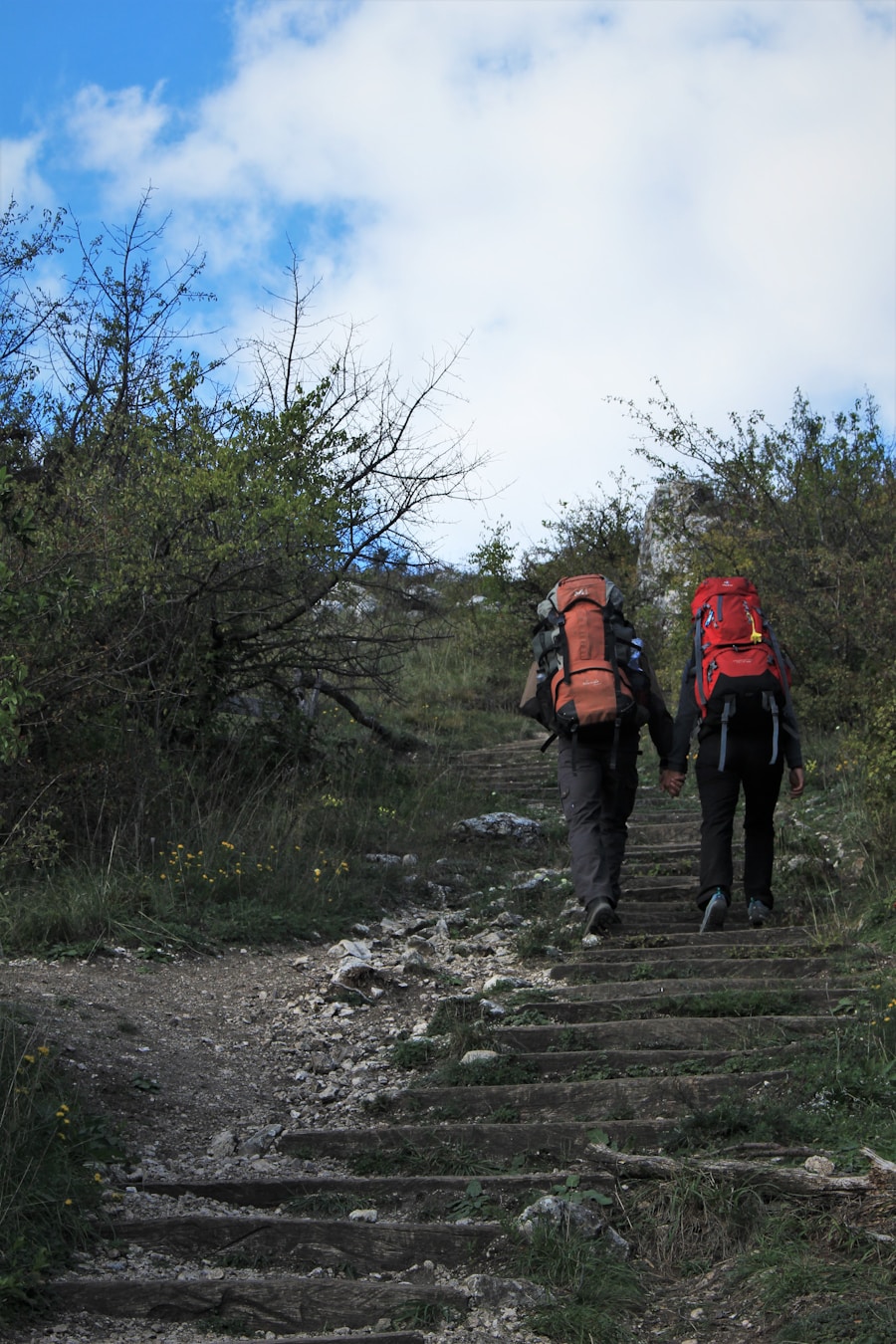
That does not mean hiking is restricted to maintained trails. Hikes range from accessible park paths to rough backcountry travel where the route may be faint, rocky, snowy, steep, or difficult to follow. In some wilderness areas, hikers may travel cross-country with few established trails.
The environment therefore matters more than the name of the activity. A five-mile alpine hike with snow, exposure, and difficult navigation may require more skill than a much longer trek on an established valley route.
Pro Tip: Read the route description and current conditions instead of judging difficulty from distance alone. A shorter trail can become a serious undertaking when it includes steep elevation gain, heat, snow, river crossings, exposed ledges, or poor navigation.
Gear and Equipment
Gear requirements should match the route rather than whether someone calls the outing a hike or trek. A simple local hike may need relatively little equipment, while a remote day hike can require navigation tools, emergency insulation, extra food, and substantial water.
The National Park Service Ten Essentials provide a useful starting point for outdoor trips. They cover navigation, sun protection, insulation, illumination, first aid, fire, repair tools, food, hydration, and emergency shelter.
Typical Day-Hiking Gear
- Weather-appropriate hiking shoes or boots
- Small backpack or daypack
- Water and a way to carry it securely
- Food plus extra emergency food on longer routes
- Navigation appropriate to the area
- Sun protection
- Rain layer and extra insulation when conditions require it
- Headlamp or flashlight
- First-aid supplies
- Emergency shelter and other route-specific essentials
Typical Multi-Day Trekking Gear
A self-supported multi-day trek adds equipment for sleeping, shelter, meals, and longer periods away from services. Depending on the itinerary, that can include:
- A backpack sized for the load
- Tent, bivy, hut reservation, or other planned shelter
- Sleeping bag or quilt and sleeping pad
- Cooking equipment when meals are not provided
- Additional food
- Water treatment when safe drinking water is not supplied
- Extra clothing and weather protection
- Navigation and emergency communication equipment appropriate to the destination
- Food-storage equipment where wildlife regulations require it
- Trekking poles when useful for balance, steep terrain, or carrying a heavier pack
Trekking poles are helpful for many people but are not mandatory. The same is true of heavy hiking boots. Some walkers prefer supportive boots, while others use lighter hiking or trail shoes. Fit, traction, weather protection, terrain, ankle stability, and carried weight should guide the choice.
Cultural and Experiential Differences
Trekking can create opportunities for cultural interaction because some long-distance routes pass through villages, working landscapes, historic sites, and locally managed accommodation. However, cultural immersion is not a defining feature of trekking.
Some multi-day treks remain almost entirely within wilderness areas, while a short hike can pass through an Indigenous cultural landscape, historic district, pilgrimage route, or traditional community. What you experience depends on the destination and how the trip is organized.
Travelers should treat communities along a route as places where people live rather than as attractions. Follow local rules, ask permission before photographing people, respect sacred or restricted areas, and use locally authorized guides when required.
Planning, Permits, and Logistics
Longer trekking trips usually involve more logistical planning because each additional day creates requirements for food, water, accommodation, transportation, weather contingencies, and emergency planning. Yet some popular day hikes also have permit systems and strict access rules.
Before either activity, check the managing agency’s current information for:
- Trail closures and seasonal restrictions
- Day-use or overnight permits
- Required reservations
- Guide requirements
- Camping rules and designated campsites
- Food-storage regulations
- Water availability and treatment needs
- Transportation or shuttle schedules
- Current fire restrictions
- Weather, snow, flooding, or wildlife advisories
For example, permits are currently required for the section of Angels Landing beyond Scout Lookout. In Peru, access to the Inca Trail Network is regulated and visitors use authorized travel and tourism agencies. These requirements can change, which is why current official information matters more than an old blog itinerary.
Is Trekking the Same as Backpacking?
The terms overlap, especially when people carry their own camping equipment. In U.S. outdoor usage, “backpacking” usually means hiking while carrying equipment for one or more overnight stays. The National Park Service, for example, describes guided backpacking in Denali as hiking and camping in a different location each night.
A trek does not always require backpacking, however. Some trekking routes use huts, lodges, teahouses, staffed camps, porters, or baggage-transfer services, so participants may carry only a daypack.
Safety Considerations
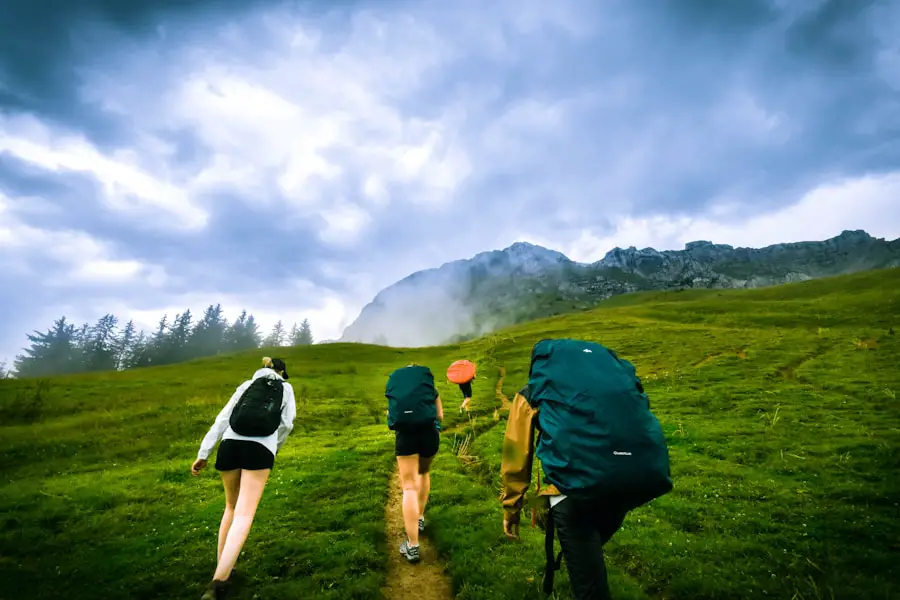
Both hiking and trekking can involve serious hazards. The important variables are the route, weather, terrain, altitude, remoteness, and your ability to respond when something goes wrong.
Warning: Do not assume a day hike is automatically low-risk. Remote trails may have no cell service, long rescue times, sudden weather changes, difficult navigation, extreme temperatures, or limited water. Carry appropriate emergency equipment and leave your route and expected return time with someone you trust.
Day-Hiking Safety
Before a day hike, review the route, elevation profile, weather, daylight, water sources, and current trail conditions. Carry appropriate essentials even when you expect to return before dark. A headlamp, extra insulation, emergency shelter, navigation, food, and first-aid supplies can become important when an injury, navigation mistake, or delay turns a short outing into a long one.
Do not depend entirely on your phone. Batteries die, devices break, maps may not be downloaded, and remote areas can lack service.
Multi-Day and Remote Trekking Safety
Long trips require additional planning for water treatment, food, overnight temperatures, navigation, injuries, delayed transportation, and route changes. Build some flexibility into the itinerary instead of assuming every planned mile must be completed.
High altitude adds another concern. According to the CDC Yellow Book, unacclimatized travelers can develop altitude illness when sleeping at high elevations. Risk depends heavily on how high and how quickly a person ascends.
Above about 3,000 meters or 9,800 feet, CDC guidance emphasizes gradual increases in sleeping altitude and additional acclimatization time. Headache with symptoms such as nausea, dizziness, or unusual fatigue after ascent can indicate acute mountain sickness. Do not continue sleeping higher when altitude-illness symptoms are present, and descend if symptoms worsen despite rest.
Health Benefits
Both hiking and trekking are forms of physical activity that can support cardiovascular fitness, muscular endurance, balance, and mental well-being. Hills and uneven surfaces also challenge the legs and stabilizing muscles more than level walking often does.
The CDC reports that regular physical activity can lower the risk of heart disease, stroke, type 2 diabetes, depression, and unhealthy weight gain. Physical activity also supports bone health, sleep, balance, and coordination.
The health effect depends on your pace, terrain, duration, fitness, and how regularly you are active. Trekking is not automatically “better exercise” simply because the journey is longer. A steep day hike may involve greater intensity than an easy trekking day.
People who are new to hiking or who have health concerns should build distance and elevation gradually and choose routes appropriate to their abilities.
Choosing the Right Activity for You
Choose your trip based on what you want to experience and what you are prepared to handle rather than worrying too much about whether it is officially a hike or trek.
Hiking May Suit You If…
- You want an outing that fits into a few hours or one day.
- You are building outdoor fitness and experience.
- You prefer carrying a lighter pack.
- You want to return to the same lodging or home after the walk.
- You want more flexibility to change plans at short notice.
Trekking May Suit You If…
- You enjoy traveling through a landscape over several days.
- You are comfortable walking on consecutive days.
- You are prepared for more logistics and variable conditions.
- You want to reach places that cannot easily be visited on a short outing.
- You enjoy an expedition-style journey as much as the final destination.
Beginners interested in trekking do not need to start with a week-long mountain expedition. Build up with longer day hikes, practice carrying the equipment you expect to use, and try a simple overnight route before committing to a remote multi-day itinerary.
If you are interested in exploring the great outdoors, the most useful question is not simply whether a route counts as trekking or hiking. Check how far you will walk, how much elevation you will gain, what terrain and weather you may encounter, where you will sleep, how you will obtain water, what permits are required, and how you would handle an unexpected delay.
Frequently Asked Questions
What is trekking?
Trekking generally means recreational walking over a substantial distance, often as part of a longer journey. Treks commonly last several days and may involve remote terrain or overnight stays, but there is no universal rule requiring every trek to be multi-day.
What is hiking?
Hiking is recreational walking outdoors. It can range from an easy walk on a maintained trail to a strenuous backcountry journey involving steep elevation, rough terrain, navigation, and significant physical effort.
What are the main differences between trekking and hiking?
Trekking usually suggests a longer, more journey-oriented outing with more complex logistics and often several walking days. Hiking is a broader term covering short, long, easy, difficult, day, and backcountry routes. The terms overlap rather than having a strict boundary.
Can hiking be a multi-day activity?
Yes. Multi-day hiking is common. When hikers carry camping and sleeping equipment between overnight camps, the activity is often called backpacking in the United States.
Is trekking always harder than hiking?
No. Trekking often demands more endurance because of its duration, but a steep, exposed, high-altitude, or technically difficult day hike may be harder than a gentle multi-day trek. Compare mileage, elevation, terrain, weather, altitude, and pack weight instead of relying on the label.
What equipment is needed for trekking and hiking?
Both require footwear, clothing, water, food, navigation, and emergency equipment appropriate to the route. Overnight trekking may also require shelter, a sleeping system, cooking equipment, additional food, water treatment, and other camping supplies unless these services are provided along the route.
Do you need trekking poles or heavy boots for trekking?
Not always. Trekking poles can improve stability and may help on steep terrain or when carrying a pack, but they are optional. Footwear should be chosen for fit, traction, weather, terrain, carried weight, and personal comfort rather than simply because a trip is called a trek.
Can trekking and hiking be done in the same locations?
Yes. A mountain or national park can offer short hikes, strenuous day routes, overnight backpacking trips, and multi-day treks within the same region. The difference depends on the specific itinerary rather than the destination alone.
Sources
- SERNANP — Historic Sanctuary of Machupicchu — official Inca Trail routes, distances, durations, and access requirements.
- National Park Service — Angels Landing Permits & Hiking — official distance, elevation gain, difficulty, hiking time, and permit information.
- National Park Service — Ten Essentials — recommended outdoor emergency and safety equipment.
- National Park Service — Overnight Hiking and Backcountry Camping — distinction and requirements for overnight hiking and backpacking.
- CDC — Health Benefits of Physical Activity for Adults — evidence-based physical and mental health benefits of regular activity.
- CDC Yellow Book — High-Altitude Travel and Altitude Illness — acclimatization, altitude-illness risks, symptoms, and prevention guidance.

