

Last Updated on July 24, 2026 by Daniel Globe
A criminal conviction does not always prevent travel to Japan, but the word felony is not the legal test Japan uses. What matters most is the offense, the sentence imposed, and whether a specific ground in Japan’s Immigration Control and Refugee Recognition Act applies. Check your position before paying for nonrefundable flights or hotels.
Quick Answer
Some people with felony convictions can travel to Japan, but Article 5 generally requires refusal of landing for a sentence of one year or more, except a political offense, and for covered drug convictions that resulted in a penalty. A visa does not guarantee entry. Immigration authorities decide landing when you arrive.
Key Takeaways
- Japan does not use the U.S. felony or misdemeanor label as its main legal test.
- Article 5(1)(iv) covers a custodial sentence of one year or more, or an equivalent penalty, with an exception for political offenses.
- Article 5(1)(v) covers specified drug-control convictions that resulted in a penalty and does not state a one-year minimum.
- Visa issuance and landing permission are separate. A visa is not a promise that Japan will admit you.
- Answer every criminal-history question truthfully and keep certified case records ready.
- Special permission exists in limited cases, but it is discretionary and is not a routine tourist waiver.
What’s in This Article
- How Japan’s Article 5 Rules Apply
- Obtaining a Visa with a Felony Conviction
- Disclosing Your Criminal Record to Japanese Authorities
- Documents to Gather Before Travel
- What Happens If Japan Denies Your Entry
- When to Hire an Immigration Attorney
- Navigating Entry and Exit Procedures at Japanese Airports
- Special Permission and Exceptional Cases
- Considering Your Options Before Attempting Entry
- How to Prepare for Your Trip with a Conviction
- Frequently Asked Questions
- Sources
Disclosure: As an Amazon Associate I earn from qualifying purchases. Some links on this page are affiliate links, at no extra cost to you.
How Japan’s Article 5 Rules Apply to Criminal Convictions
The official English translation of Article 5 of Japan’s Immigration Control and Refugee Recognition Act lists several grounds for denial of landing. The two most relevant to a past criminal conviction are:
- Article 5(1)(iv): A conviction under Japanese or foreign law followed by a sentence of imprisonment for one year or more, or an equivalent penalty. The law states an exception for a political offense.
- Article 5(1)(v): A conviction under Japanese or foreign law relating to narcotics, marijuana, opium, stimulants, or psychotropic substances, followed by a penalty.
The sentence imposed matters more than whether your home country calls the offense a felony. A non-drug felony with a sentence below one year may not fall under these two paragraphs, but other Article 5 grounds can still matter. A drug conviction can create a problem even when the sentence was shorter than one year.
Note: Japan’s official visa form tells applicants to answer “Yes” to the one-year sentence and drug-offense questions even when the sentence was suspended. Do not assume a suspended sentence, pardon, sealed record, or similar relief removes every disclosure or admissibility issue. Get case-specific advice.
Japan reported 8,546 refusals of landing in 2025. Of those, 505 involved statutory refusal grounds, including cases involving custodial sentences of one year or more. This shows that Article 5 is actively enforced.
Obtaining a Visa with a Felony Conviction
First, find out whether you need a visa. That depends on your nationality, passport, place of residence, purpose of travel, and length of stay. Some short-term visitors may use a visa-exemption arrangement, while work, study, paid activity, and many long stays require a visa or other advance process. Check the current rules on the Ministry of Foreign Affairs visa portal.
If you need a visa, use the category that matches your real purpose. Do not apply as a tourist when you intend to work or carry out another activity that requires a different status. The Ministry of Foreign Affairs states that visa applicants generally must meet all issuance criteria, including not falling under Article 5.
The official visa application form asks whether you have ever been convicted of a crime, sentenced to imprisonment for one year or more, deported or removed, convicted and sentenced for a covered drug offense, engaged in prostitution-related activity, or committed or assisted human trafficking. It also asks for relevant details after a “Yes” answer.
Warning: A visa is only one condition for landing. The Ministry of Foreign Affairs states that holding a visa does not guarantee entry. Immigration officers examine admissibility at the airport or seaport.
Requirements vary by visa type and by the embassy or consulate handling the case. You may be asked for court records, arrest records, a written explanation, or certified translations. Submit complete and accurate documents. Do not rely on character letters or proof of rehabilitation as if they cancel an Article 5 ground. They may provide context when an authority or attorney asks for them, but they do not guarantee a visa or landing permission.
Disclosing Your Criminal Record to Japanese Authorities
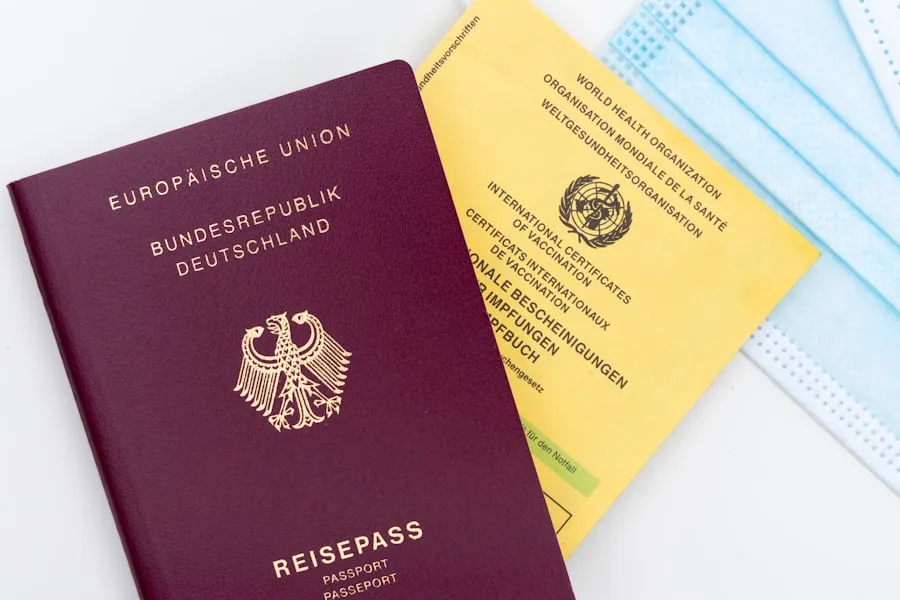
Answer the exact questions on your visa application, arrival declaration, and immigration interview truthfully. Do not guess, minimize the sentence, or hide a case because it is old. If you do not understand how a foreign judgment maps to Japanese law, ask a qualified attorney before submitting the form.
A clear disclosure normally identifies:
- The offense and the law or statute involved.
- The court, date, and final disposition.
- The full sentence imposed, including suspended portions.
- Time served, probation, parole, fines, or other penalties.
- The date all sentence conditions were completed.
- Any later court order, pardon, record sealing, or similar relief.
Do not claim that a record was erased unless your documents support that statement and your lawyer confirms how it should be described. Later relief may change the legal record, but you should not assume that it changes how every Japanese form must be answered.
Pro Tip: Request certified records as early as possible. Court processing and certified translation times vary, so there is no reliable universal six-to-eight-week rule.
Documents to Gather Before Travel
Bring originals or certified copies when available, plus clear English or Japanese translations if the embassy, consulate, immigration authority, or your attorney requests them. A useful file may include:
- Final court disposition: Shows the charge, result, and sentence.
- Sentencing order: Confirms the exact custodial term and other penalties.
- Proof of completion: Shows the end of custody, probation, parole, or payment obligations.
- Later court orders: Covers a pardon, expungement, sealing, vacatur, or sentence change when applicable.
- Written case summary: Gives a short, factual timeline that matches the official records.
- Travel evidence: Includes your itinerary, lodging, return or onward ticket, and proof that your planned activity matches your requested status.
- Professional advice: Keep a written opinion or preparation notes from a Japan-qualified immigration lawyer when your case is complex.
Carry the most important records in your hand luggage, not only in checked baggage. Keep secure digital copies as a backup, but be ready to show original or certified documents if requested.
What Happens If Japan Denies Your Entry
| Stage or consequence | What it means |
|---|---|
| Additional examination | An immigration officer may refer the case for further review if the normal landing requirements do not appear to be met. |
| Oral hearing | A special inquiry officer can review the finding. The traveler may present records and explain why the refusal ground does not apply. |
| Objection and ministerial review | The Act provides a further objection route. In an exceptional case, the Minister of Justice may grant special permission for landing under Article 12. |
| Order to depart | If refusal is upheld and no special permission is granted, the traveler is ordered to leave Japan, normally using arrangements involving the carrier that brought the traveler. |
| Financial loss | The traveler may lose airfare, lodging, tour, or connection costs, depending on the booking terms and insurance exclusions. |
Traveling to Japan with a conviction can therefore end with a refusal of landing and a return trip without entering the country. A border refusal is not always the same legal process as deportation after a person has already entered Japan.
If someone gains landing permission through false statements or documents, Japan can revoke the person’s status of residence and begin departure or deportation procedures. This is why honest disclosure matters even when a traveler believes the conviction will be difficult to verify.
Warning: Do not book a nonrefundable trip while your admissibility is uncertain. Travel insurance may exclude losses caused by immigration refusal, so read the policy wording before purchase.
When to Hire an Immigration Attorney
Speak with an attorney experienced in Japanese immigration law before booking when any of these applies:
- Your sentence was one year or more, including a suspended sentence.
- The case involved drugs, controlled substances, weapons, prostitution-related activity, trafficking, or prior removal.
- The conviction, sentence, pardon, expungement, or sealing order is difficult to interpret.
- Your records are incomplete, inconsistent, or written in a language that needs certified translation.
- You previously gave a different answer on a visa or immigration form.
- You need a work, study, family, or long-term status rather than a short tourist visit.
A lawyer can compare the exact judgment with Article 5, identify which documents matter, help you write a consistent disclosure, and explain whether an exceptional process may be relevant. No lawyer can guarantee that a visa or landing permission will be granted.
Navigating Entry and Exit Procedures at Japanese Airports

Immigration Inspection on Arrival
Present your passport, visa when required, arrival information, and supporting travel documents. Immigration officers decide whether you meet the landing requirements. They may ask about your purpose, length of stay, accommodation, return plans, and criminal-history answers.
Stay calm and answer only with accurate facts. Ask for an interpreter if you cannot understand an important question. Do not sign a statement you do not understand. Keep your court documents organized so you can find the relevant page quickly.
If You Are Referred for Further Review
A referral does not by itself mean the final decision has been made. Follow instructions, provide requested records, and avoid arguing or offering information that conflicts with your forms. Ask whether you may contact legal counsel or your country’s embassy or consulate if the matter becomes serious.
Exit Procedures and Criminal History
For most admitted visitors, departure is a routine exit-control process. A past foreign conviction is mainly an admission issue, not a normal departure requirement. Extra questions may arise if you are under investigation, have violated your status, overstayed, or are involved in an immigration enforcement process.
Preparation Is Key
Know the facts of your case, keep your documents accessible, and use the same accurate explanation in every application and interview. Politeness helps communication, but it does not change a statutory refusal ground.
Special Permission and Exceptional Cases
Japan has more than one exceptional legal mechanism, and they should not be confused:
- Article 5-2: Allows the Minister of Justice, in cases defined by regulation, to decide that certain Article 5 grounds will not by themselves cause refusal. The enforcement rules include situations involving re-entry permission and certain cases where a Certificate of Eligibility or visa was issued after consultation with the Minister of Justice.
- Article 12 special permission for landing: Can be granted during the landing-review process after an adverse finding and objection when the Minister finds circumstances that justify special permission.
Neither route is a simple online waiver for a tourist with a conviction. They are discretionary, fact-specific, and uncommon. Contact the Japanese embassy or consulate that serves your place of residence and the Immigration Services Agency before travel. A Japan-qualified attorney can help determine whether either provision is realistically relevant.
Note: Consular staff handle visas, while the Immigration Services Agency handles landing decisions. Asking one office a general question does not create advance approval or bind the officer who examines you at arrival.
Considering Your Options Before Attempting Entry
Visiting South Korea, Taiwan, or another country first does not change Japan’s Article 5 rules. A clean travel history may show that you followed another country’s laws, but it does not erase the conviction, shorten the sentence, or create a right to enter Japan.
Warning: Do not use another country as a trial run for Japan’s border. Each country applies its own law, and admission elsewhere does not predict Japan’s decision.
A guided tour can help with hotels, transport, and language support, but a tour operator cannot override immigration law or promise admission. Be cautious of any company that claims to have contacts who can bypass Article 5.
If the risk of refusal remains high, consider postponing the trip, choosing a destination with rules that clearly allow your circumstances, or waiting until you have obtained complete legal advice and records. This is often safer than testing the issue after a long and expensive flight.
How to Prepare for Your Trip with a Conviction
- Get the exact judgment and sentence. Do not rely on memory or a basic background-check summary.
- Compare the case with Article 5. Pay close attention to sentence length and any drug-related offense.
- Check whether you need a visa. Use the rules for your nationality, residence, purpose, and length of stay.
- Contact the correct Japanese office. Ask the embassy or consulate about visa documents and the Immigration Services Agency about landing concerns.
- Get legal advice when the answer is uncertain. Use a lawyer who understands Japanese immigration law and foreign criminal judgments.
- Complete every form consistently. Make sure dates, charges, and sentences match your certified records.
- Use flexible bookings. Prefer refundable airfare and lodging until the risk is understood.
- Carry a document set. Keep certified records, translations, itinerary, lodging details, and onward travel evidence in your hand luggage.
- Prepare a short factual explanation. Avoid excuses, speculation, or conflicting versions of the case.
- Follow all rules after admission. Obey the permitted period and activity limits of your status of residence.
Respectful behavior and knowledge of Japanese customs can make communication smoother. However, courtesy is not a substitute for legal eligibility, truthful forms, or complete records.
Frequently Asked Questions
Can a person with a felony conviction travel to Japan?
Possibly. Japan does not decide the issue only by the word “felony.” Article 5 generally requires refusal when a person received a custodial sentence of one year or more, except for a political offense, or received a penalty for a covered drug conviction. Other refusal grounds may also apply.
Does the one-year rule refer to the sentence or the time actually served?
Article 5 refers to the sentence imposed, not simply the number of days actually spent in custody. Obtain the complete sentencing order because credit for time served, early release, probation, and suspension can make a record difficult to interpret.
Do suspended sentences have to be disclosed?
The official Japanese visa form says to answer “Yes” to its one-year sentence and drug-offense questions even if the sentence was suspended. The legal effect of a suspended sentence can depend on the judgment and later history, so obtain case-specific advice.
Does a drug conviction need a one-year sentence to trigger Article 5?
No. Article 5(1)(v) does not state a one-year minimum. It covers convictions under laws controlling listed drugs when the person was sentenced to a penalty. The exact substance, offense, judgment, and penalty should be reviewed.
Does a Japanese visa guarantee that immigration will admit you?
No. A visa is one requirement for applying for landing. Immigration authorities make a separate decision at the airport or seaport after checking the passport, visa when required, purpose of travel, planned stay, and Article 5 grounds.
What is the process for Special Permission for Landing with a criminal record?
There is no routine tourist waiver application. Article 12 allows the Minister of Justice to grant special permission during the landing-review and objection process in exceptional circumstances. Article 5-2 is a separate mechanism for defined cases. Both are discretionary and require case-specific guidance.
What should you do before planning a trip to Japan with a conviction?
Get certified court and sentencing records, check whether Article 5 may apply, confirm whether you need a visa, contact the Japanese office responsible for your residence, and consult a Japan-qualified immigration attorney when the sentence or offense creates uncertainty.
Legal Disclaimer: This article provides general information and is not legal advice. Immigration outcomes depend on the exact judgment, sentence, travel purpose, current law, and official review. Consult a qualified Japanese immigration attorney and the appropriate Japanese authorities before making travel decisions.
Knowing your legal position before booking is the best way to reduce the risk of refusal. Gather the complete record, give consistent and truthful answers, and do not rely on travel agents, online anecdotes, or a visa alone as proof that Japan will admit you.
Sources
- Immigration Control and Refugee Recognition Act — Article 5 denial grounds, Article 5-2 special cases, and Article 12 special permission for landing.
- Ministry of Foreign Affairs: Criteria of Visa Issuance — general visa issuance requirements, including Article 5 eligibility.
- Ministry of Foreign Affairs: Visas and Landing Permission — explains that a visa does not guarantee entry.
- Ministry of Foreign Affairs: Visa Application Form to Enter Japan — official criminal-history questions and suspended-sentence instruction.
- Consulate-General of Japan in Seattle: Traveling to Japan Quick Facts — current guidance for travelers with criminal records and Immigration Services Agency contact information.
- Immigration Services Agency: Refusals of Landing in 2025 — current refusal totals and reasons.

