
Last Updated on September 10, 2026 by Daniel Globe
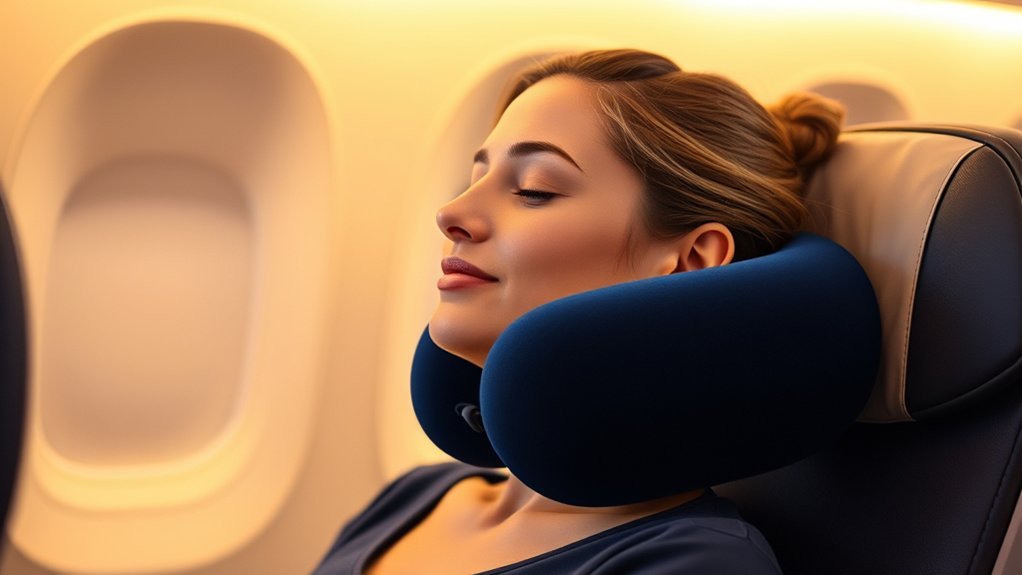
Ergonomic travel pillows are engineered to cradle your neck, offering structured support that maintains healthy spinal alignment during long flights, train rides, and road trips. Featuring high-density memory foam, internal support frames, and adjustable locking straps, these pillows help reduce cervical muscle strain by stabilizing the head in an upright position. Lightweight and travel-friendly, a properly selected ergonomic pillow prevents painful head-bobbing, minimizes fatigue, and helps you arrive at your destination refreshed.
Quick Answer
An ergonomic travel pillow supports the natural C-spine curve (cervical lordosis) to prevent head tilt and muscle fatigue during upright seating. Unlike flat or basic U-shaped pillows, ergonomic designs use contouring memory foam or internal wrap supports to stabilize the head, reducing neck strain and promoting uninterrupted sleep during transit.
Key Takeaways
- Spinal Alignment: Ergonomic support prevents lateral neck bending and forward chin-drops, easing pressure on cervical vertebrae.
- Material Differences: High-density viscoelastic memory foam offers superior contouring, while wrap-style supports provide maximum rigidity in a compact footprint.
- Proper Care: Always wash removable covers regularly, but never submerge memory foam cores in water.
At a Glance
| Primary Function | Cervical spine stabilization and head tilt prevention during upright rest |
| Best Materials | Viscoelastic memory foam, breathable fleece wraps, non-toxic TPU bladders |
| Key Features | Adjustable chin straps, internal rib support, compression travel sacks |
| Lifespan | 2 to 5 years with proper cover washing and core maintenance |
Disclosure: As an Amazon Associate I earn from qualifying purchases. Some links on this page are affiliate links, at no extra cost to you.
What’s the Deal With Ergonomic Travel Pillow Design?
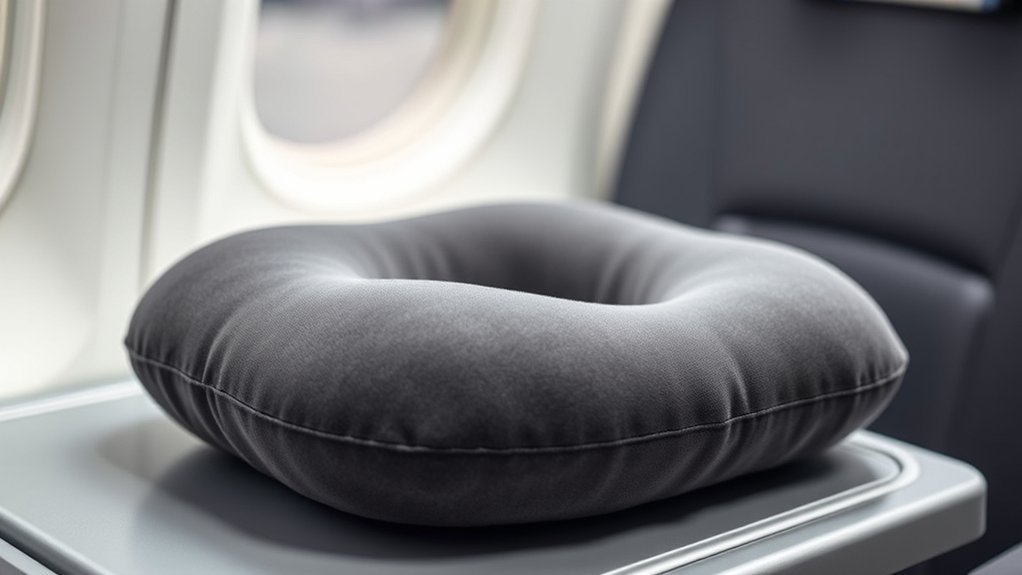
Traditional horseshoe-shaped travel pillows often fail because they push your head forward or let your neck flop sideways once your muscles relax during sleep. Modern ergonomic travel pillows address this by prioritizing anatomical posture. Rather than relying on simple padding, advanced designs incorporate anatomical contours or internal rib structures to keep your neck centered over your shoulders.
For instance, wrap-style supports (such as the Trtl pillow) hold the head in an upright position by transferring weight directly to the shoulder mantle. Meanwhile, contoured memory foam options feature raised lateral side-bolsters to support the jawline. According to research on cervical posture and spinal mechanics published in biomechanical literature, keeping the cervical vertebrae aligned reduces strain on the trapezius and sternocleidomastoid muscles, preventing the stiffness and headaches commonly caused by long trips.
Essential Features for Choosing Ergonomic Travel Pillows
Selecting the right travel pillow requires matching your primary sleeping posture with key structural features. Consider these essential elements before buying:
- Adjustable Fastenings: Look for front toggles, Velcro wraps, or snap straps. These allow you to secure the pillow snugly around your neck, preventing it from shifting when aircraft or vehicle motion changes.
- Contoured Ergonomic Profile: A flat rear cushion prevents your head from being pushed unnaturally forward against airliner headrests, while raised sides cradle your jaw.
- High-Density Viscoelastic Foam: High-density foam conforms to your unique neck contours without collapsing under the weight of your head.
- Portability & Attachment Options: Compact pillows that compress into snap-tight travel sacks easily attach to your carry-on bag, saving interior luggage space.
Note: TSA screening guidelines allow all types of travel pillows on commercial flights. Utilizing external compression clips on your backpack keeps your personal item light and compliant with overhead or under-seat size limits.
The Benefits of Using an Ergonomic Travel Pillow
Upgrading to a structured ergonomic support pillow offers noticeable physical benefits over standard inflatable cushions:
“Proper cervical support during upright rest limits extreme lateral flexion, preventing muscle spasm and joint compression in the neck.”
Studies highlighted by the Sleep Foundation indicate that proper neck alignment significantly decreases micro-arousals—the sudden awakenings caused when your head drops forward during deep sleep phases. By stabilizing your head, ergonomic pillows allow for deeper sleep cycles on long-haul flights. Additionally, limiting unnatural neck bending reduces pressure on sensitive cervical nerve roots, helping you avoid post-travel stiffness.
Material Comparisons for Ergonomic Travel Pillows
Each travel pillow material offers distinct advantages and trade-offs depending on your travel environment and priorities:
- Memory Foam: Offers unmatched pressure relief and custom contouring. However, lower-grade memory foam can retain body heat unless equipped with cooling gel layers or ventilated airflow channels.
- Internal Frame Wraps: Utilize lightweight plastic internal ribs wrapped in soft fleece. They provide rigid upright support with minimal weight, making them ideal for minimalist backpackers.
- Inflatable Cores: Exceptionally compact and lightweight, allowing you to adjust firmness through an air valve. While easy to pack, they lack the soft pressure distribution of foam options.
- Microbead Fillings: Lightweight and flexible, but microbeads flatten over time and offer limited structural support for severe neck pain sufferers.
Tips for Using and Caring for Your Ergonomic Travel Pillow
To maximize support, place the thickest part of the bolster directly beneath the side your head leans toward. If you tend to drop your chin forward while resting, wear a horseshoe-style pillow backward—positioning the thick, cushioned bridge beneath your chin.
Pro Tip: When using a wrap-style neck support, align the internal plastic rib along your collarbone and lower jaw, then wrap the fleece scarf firmly to secure it in place before reclining your seat.
Warning: Never submerge a viscoelastic memory foam core in water or put it in a washing machine. Water breaks down the foam’s cellular structure, causing it to lose its shape and support. Machine wash only the removable fabric cover, and spot-clean the internal foam core with a damp cloth if needed.
Keep your pillow stored in a cool, well-ventilated compression sack when traveling. Adding a silica gel packet inside the storage bag prevents moisture accumulation and keeps fabrics fresh between journeys.
Frequently Asked Questions
Can ergonomic travel pillows be used for activities other than travel?
Yes. Ergonomic travel pillows provide comfortable neck support while reading, watching television, or working in high-backed office chairs. They are also useful for individuals recovering from minor neck strain who need upright head support while relaxing at home.
How do I clean my ergonomic travel pillow effectively?
Unzip and remove the fabric cover, then machine wash it on a gentle cycle using mild detergent and cold water. For the foam core, spot-clean using a damp cloth with mild soap, and air-dry it completely away from direct sunlight before reassembling.
Are there specific ergonomic travel pillows designed for children?
Yes. Children’s travel pillows feature smaller circumferences, softer foam densities, and specialized chin support straps to fit smaller proportions, preventing head slumping in car seats or airplane seats.
How long should an ergonomic travel pillow last?
A high-density memory foam or internal-frame travel pillow typically lasts between 2 and 5 years with proper care. Replace your pillow if the foam fails to spring back, becomes permanently compressed, or shows visible wear on internal supports.
Do ergonomic travel pillows come with a warranty or guarantee?
Most major manufacturers offer a 1-year limited warranty covering manufacturing defects, stitching failures, or defective foam cores. Always check the manufacturer’s specific terms prior to purchase.
Conclusion
An ergonomic travel pillow is a valuable investment for any traveler looking to improve rest quality and prevent neck strain during long trips. By choosing a design that aligns your cervical spine—whether through contoured memory foam or rigid internal wraps—you can arrive at your destination ready to explore without stiffness or fatigue. Prioritize adjustable fastenings, durable materials, and removable covers to ensure your pillow delivers comfort and support for years to come.
Sources
- National Center for Biotechnology Information (NCBI) — Biomechanical studies on cervical spine alignment and posture support.
- Sleep Foundation — Clinical research on posture ergonomics and travel sleep hygiene.
- Cleveland Clinic — Orthopedic guidance on cervical pillows and spinal neck support.
- Transportation Security Administration (TSA) — Smart screening rules and carry-on baggage guidelines.
