
Last Updated on July 25, 2026 by Caleb Warren
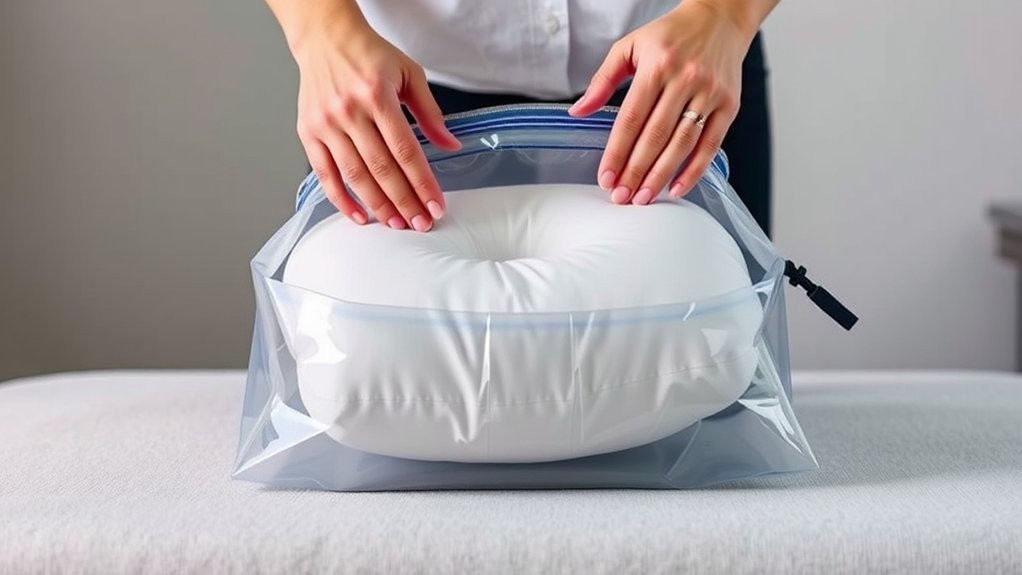
A travel pillow compression bag reduces bulky neck pillows and cushions to a fraction of their original volume by utilizing an integrated one-way air valve. By sealing your pillow inside and rolling the heavy-duty bag, trapped air escapes through the valve without re-entering, allowing you to fit soft travel items into compact carry-on luggage or backpacks.
Quick Answer
To use a travel pillow compression bag, place your folded pillow inside, align the double-track zipper, and seal it shut using the provided sliding clip. Next, roll the bag firmly from the zipped top toward the bottom valve to expel trapped air. The one-way valve automatically closes when rolling stops, locking in a 40% to 50% reduction in volume without requiring a vacuum pump.
Key Takeaways
- One-Way Valve Technology: Manual pressure expels air through the bottom valve while automatically preventing ambient air backflow.
- Double Zip Seal: Running the sliding clip twice across the zipper track prevents slow air leaks during transit.
- 70-Micron Material Shield: Heavy-duty polyethylene and polyamide (PE+PA) film protects pillows against moisture, dirt, and airport baggage wear.
- Memory Foam Safety: Compress foam pillows only while traveling, and unpack them immediately upon arrival to preserve cellular springback.
At a Glance
| Time Required | 2 to 3 minutes per pillow |
| Difficulty | Beginner (No pump or vacuum required) |
| Tools Needed | Travel Pillow Compression Bag, Zip Sealing Clip |
| Cost | $12 – $20 (Multi-bag travel kit) |
Disclosure: As an Amazon Associate I earn from qualifying purchases. Some links on this page are affiliate links, at no extra cost to you.
Understanding Travel Pillow Compression Bags: What You Need to Know
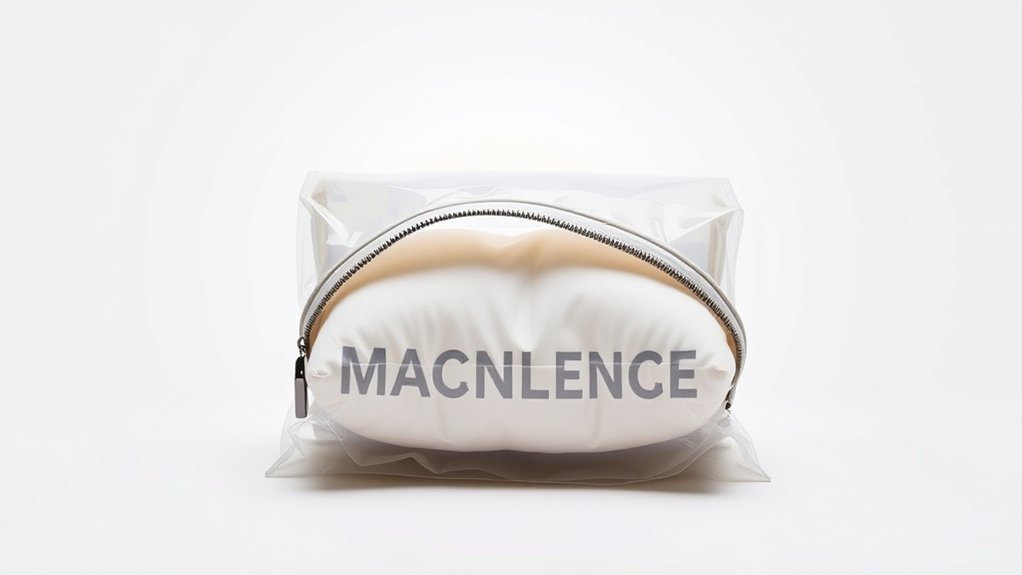
Bulky U-shaped neck pillows and travel cushions occupy significant luggage volume. A travel pillow compression bag solves this space issue by removing air locked within fiberfill, microbead, or foam padding. Unlike household vacuum storage bags that require an electric pump or vacuum hose, travel-focused space saver bags operate entirely by manual compression.
High-quality compression bags—such as Acrodo space saver bags—utilize a one-way check valve built into the bottom seam. When you compress the bag, internal air pressure forces open the flexible valve membrane, allowing air to escape. As soon as compression stops, external atmospheric pressure flattens the valve membrane shut, preventing air from re-entering.
Made from multi-layer polymers like Polyethylene and Polyamide (PE+PA), these bags provide high tear resistance and an airtight seal, keeping your travel pillow compact, dry, and protected throughout long flights and transit delays.
Step-by-Step Guide to Packing Your Travel Pillow
Follow this 4-step manual procedure to pack your travel pillow efficiently without damaging the zipper seal or blocking the air valve.
| Step | Action | Key Technique |
|---|---|---|
| 1. Select & Inspect Bag | Choose the appropriate bag size for your pillow type. | Verify the internal surface and zipper track are clean and dry. |
| 2. Fold & Position Pillow | Neatly fold or roll your neck pillow. | Leave a 1 to 2-inch clearance below the zipper track and valve area. |
| 3. Seal Zipper Tracks | Align the double interlocking tracks at the top. | Slide the plastic zip clip firmly across the tracks twice. |
| 4. Roll & Expel Air | Roll the bag tightly from top zipper down toward the bottom. | Apply steady downward body weight to push air out through the valve. |
Pro Tip: For extra thick memory foam neck pillows, kneel or press down with your forearms on the rolled bag to maximize air evacuation before laying it flat inside your carry-on luggage.
Sealing Your Compression Bag: Best Practices
An airtight top seal is essential to prevent slow reinflation during travel. Even a micro-gap in the zipper mechanism allows air to creep back into the bag over several hours.
Start by aligning the dual interlocking grooves at the top edge of the bag. Pinch the tracks together at one end, then slide the zipper clip firmly along the entire length. For complete seal security, run the clip back and forth a second time while applying light pressure with your thumb and forefinger.
Before rolling, visually inspect the track to ensure no fabric threads, pillow casing, or dust particles are trapped between the grooves. Maintaining a clear gap between your pillow and the top zipper ensures that internal pressure during rolling does not burst the sealed track open.
Pillow Material Care & Compression Safety
Different travel pillow fills react differently to high pressure. Understanding your pillow’s interior material prevents permanent deformation or loss of neck support.
- Memory Foam (Viscoelastic): Highly compressible up to 50%–60%. Compress memory foam only for the duration of transit. Unpack it immediately upon arriving at your destination to allow open-cell recovery.
- Microbead (Polystyrene): Microbead pillows compress easily as air shifts between beads. Avoid applying excessive sharp force, as micro-punctures can release tiny foam beads.
- Polyester Fiberfill & Down: Highly resilient fill materials that can remain compressed for longer trips without structural damage. A quick fluffing after unpacking restores loft quickly.
Warning: Never leave memory foam travel pillows compressed in long-term home storage for more than 30 consecutive days. Prolonged mechanical pressure breaks down cellular foam walls, permanently diminishing elastic recovery.
How the Air Valve Makes Compression Easier
The core innovation of travel space saver bags is the engineered bottom check valve. This flap valve allows air to flow in only one direction when internal pressure exceeds outside atmospheric pressure.
| Bag Feature | Material / Tech Standard | Travel Benefit |
|---|---|---|
| One-Way Flap Valve | Flex-silicone inner membrane | Expels air manually without vacuum pumps |
| 70-Micron Thickness | Heavy-duty PE+PA polymer blend | Resists punctures, abrasion, and seam splits |
| Hermetic Moisture Barrier | Waterproof film enclosure | Shields pillows from moisture, spills, and dirt |
By rolling the bag from top to bottom, trapped air is channeled directly toward the bottom valve channels. Once you stop rolling, internal pressure drops, and the valve seals flat automatically.
Common Mistakes to Avoid When Using Compression Bags
Avoiding a few simple packing mistakes ensures your compression bags stay airtight and reusable for many trips.
Overpacking The Bags
Stuffing a bag beyond its physical capacity creates excess internal tension. When you attempt to roll an overpacked bag, air pressure forces open the top zipper rather than escaping through the bottom valve. Always leave at least 2 inches of empty space between the pillow and the zipper track.
Ignoring Sealing Techniques and Track Debris
Failing to use the sliding clip properly is the primary cause of air leakage. Always run the clip twice across the tracks. Additionally, ensure that lint or small debris from your pillow cover is cleaned off the zipper track, as tiny particles create micro-channels that ruin the airtight seal.
Note: If your compressed bag slowly inflates over 24 hours, unseal the top zipper, wipe the inner track with a dry microfiber cloth, reseal, and roll again.
Benefits of Travel Pillow Compression Bags
Incorporating compression bags into your packing routine provides several practical advantages for frequent travelers:
- Maximizes Carry-On Space: Reclaims up to 50% of the space bulky neck pillows normally occupy, helping you stay within strict carry-on bag dimensions mandated by major airlines.
- Moisture & Cleanliness Shield: Protects your personal sleeping gear from damp luggage holds, airport floor dust, and hotel surface germs.
- Organized Packing System: Keeps soft travel items condensed and separate from shoes, toiletries, and hard gear inside your suitcase.
Protecting Your Pillow From Moisture During Transit
Travel conditions expose luggage to rain, tarmac humidity, and accidental liquid spills inside suitcases. Heavy-duty 70-micron PE+PA composite film creates an impermeable barrier against external moisture.
Compared to standard 50-micron economy storage bags, 70-micron bags feature higher tensile strength and tear resistance. This added durability ensures that damp clothes or unexpected rainstorms do not compromise your clean, dry travel pillow.
Frequently Asked Questions
Can I use travel pillow compression bags for other items?
Yes. Roll-up compression bags work exceptionally well for soft, bulky garments such as puffy jackets, sweaters, extra blankets, and spare clothing, helping optimize space across all your travel gear.
How much space can I realistically save using a roll-up compression bag?
Manual roll-up compression bags typically reduce soft item volume by 40% to 50%. While electric vacuum suction bags can achieve up to 70% to 75% reduction, roll-up bags are far more practical for travel because they require no pumps or electricity.
Are compression bags reusable for multiple trips?
Yes, high-quality 70-micron PE+PA compression bags are designed for repeated travel use. As long as you keep the zipper track clean and avoid sharp object punctures, they maintain their airtight sealing capabilities across many journeys.
Are compression bags safe for memory foam travel pillows?
Yes, compression bags are safe for temporary memory foam compression during flight or road transit. However, you should unpack memory foam immediately upon arrival and avoid storing it compressed for longer than 30 consecutive days.
What should I do if my compression bag leaks air after rolling?
If air leaks back into the bag, unseal the top zipper and wipe both tracks clean using a lint-free cloth. Re-align the zipper, slide the sealing clip across twice, and check that no fabric is caught in the valve before re-rolling.
Conclusion
Using a travel pillow compression bag is one of the most effective ways to save space and protect your personal sleeping gear on long journeys. By mastering proper zipper sealing techniques and using the natural rolling movement to purge trapped air through the one-way valve, you can reduce pillow volume by up to 50% while safeguarding against moisture and dirt. Pack smart, protect your gear, and enjoy hassle-free travel on every trip!
Sources
- Transportation Security Administration (TSA) — Carry-On Baggage & Packing Security Guidelines
- ASTM International Packaging Standards — Standard Test Method for Flex Durability of Flexible Barrier Materials
- Sleep Foundation — Pillow Material Care, Memory Foam Maintenance & Storage Guidelines
