
Last Updated on August 26, 2026 by Daniel Globe
June is one of the most appealing months for traveling across the United States, but the best destination depends on the kind of trip you want. High-elevation national parks are opening into summer, waterfalls can still be strong from snowmelt, and many coastal destinations are entering their busiest beach season. At the same time, June can bring intense desert heat, cool Pacific water, afternoon thunderstorms, crowds, and the start of Atlantic hurricane season, so choosing the right place matters.
Quick Answer
Some of the best places to travel in the US in June include Yellowstone and Yosemite for scenery and hiking, Grand Canyon for rim views, and Maui, Clearwater Beach, Miami, Cape Cod, and Southern California for coastal trips. Choose by weather, crowd level, water temperature, and the outdoor activities you actually plan to do.
Key Takeaways
- June is a strong month for Yellowstone and Yosemite, but high-elevation weather can still change quickly.
- Yosemite’s snowmelt-fed waterfalls are often impressive in June, although peak flow can occur in May or June depending on the waterfall and snowpack.
- Grand Canyon offers excellent rim sightseeing in June, but extreme inner-canyon heat makes strenuous midday hiking dangerous.
- Warm-water beach trips favor destinations such as Miami, Clearwater, Maui, and Waikiki, while much of the California and Pacific Northwest coast stays cooler.
- Reservations, permits, tropical-weather forecasts, rip-current alerts, wildfire conditions, and park closures should all be checked shortly before departure.
Disclosure: As an Amazon Associate I earn from qualifying purchases. Some links on this page are affiliate links, at no extra cost to you.
The Beauty of National Parks in June
June often sits between spring runoff and full summer conditions in many US national parks. At higher elevations, snow can linger while lower valleys are green and increasingly accessible. Wildflowers, waterfalls, longer daylight hours, ranger programs, scenic drives, hiking, wildlife watching, and camping can all make June rewarding.
Conditions vary sharply by elevation. Yellowstone can still receive snow at higher elevations in June, while desert parks such as Grand Canyon can already experience dangerous heat far below the rim. Yosemite Valley can be warm while higher sections of the Sierra remain much cooler.
Wildlife activity also varies by species rather than following one simple seasonal pattern. In Yellowstone, for example, June can coincide with elk, bighorn sheep, and mountain-goat calving, while bears may become less visible as they move toward higher elevations. Travelers should observe all wildlife from the distances required by the park and never approach an animal for a photograph.
Note: “Summer” does not mean the same conditions everywhere. Pack for elevation as well as season, and check the National Park Service page for your specific park before leaving.
Products Worth Considering

Introduce kids 3 and older to the wonder of Grand Canyon National Park and the joy of hiking with pretend play hiking belt and gear designed for kids and their imaginations
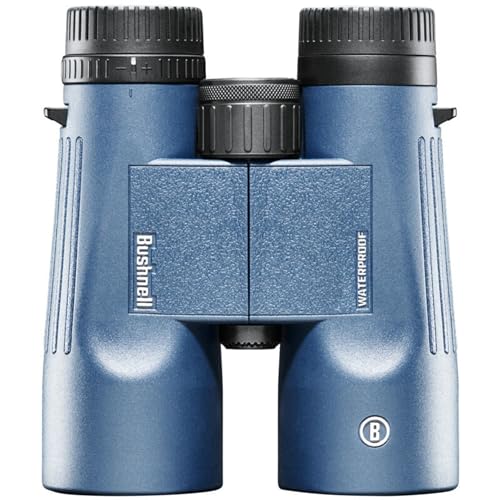
Leading Optics Brand: Trusted by outdoor and wildlife enthusiasts for over 70 years, Bushnell binoculars are designed for clarity and reliability. These 8x42 binoculars offer exceptional image brightness and performance and are perfect for hunting, boating, and outdoor adventures.

PERFECT BINOCULARS FOR CHILDREN Designed with young adventurers in mind, these binoculars have a textured top plus thumb indents for a sturdy grip, a large central focusing knob that is easy for kids to turn, an adjustable hinge for proper eye distance and soft eyecups for extra comfort.
Top National Parks to Visit in June
Yellowstone National Park
Yellowstone is one of the strongest June choices for travelers who want a mix of geothermal scenery, wildlife, waterfalls, and hiking. Most park roads are typically open by this point in the season, although snow can still occur at higher elevations and high water can affect some backcountry areas.
June is also an active wildlife month. Visitors may see bison, elk and their calves, bighorn sheep, birds, and other wildlife while exploring places such as Lamar Valley and Hayden Valley. Old Faithful, the park’s colorful hot springs, Yellowstone Lake, and major waterfalls add variety for travelers who do not want every day to revolve around long hikes.
Because June is busy, start early and build extra time into scenic drives. Check Yellowstone’s official seasonal conditions before the trip.
Yosemite National Park
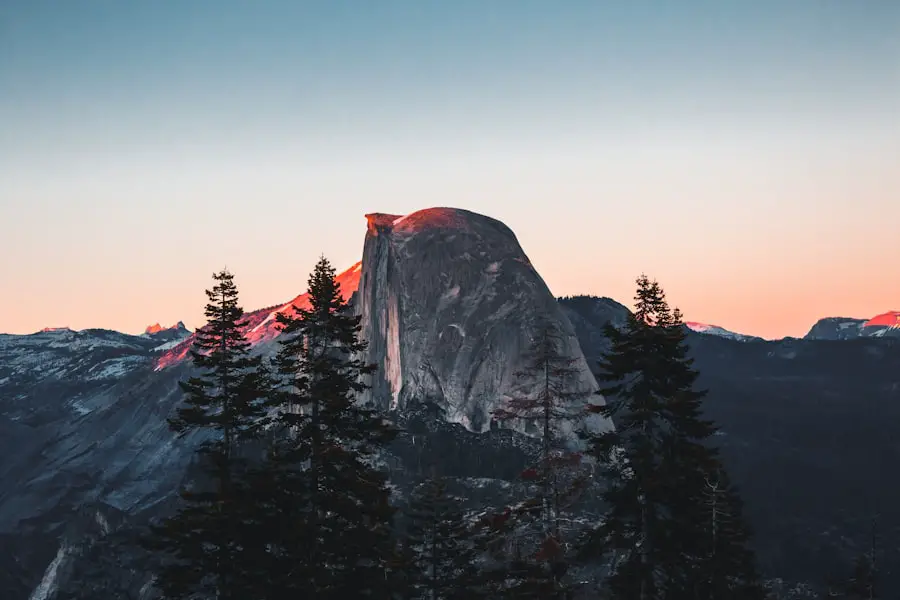
Yosemite is especially attractive in late spring and early summer because snowmelt feeds its famous waterfalls. According to the National Park Service, peak runoff typically occurs in May or June, while Yosemite Falls itself commonly reaches peak flow in May. Flow depends heavily on the year’s snowpack and melt timing.
June travelers can combine Yosemite Valley viewpoints with hiking, granite scenery, giant sequoias, and higher-elevation areas as seasonal roads and trails become accessible. Conditions can range from hot afternoons in Yosemite Valley to much colder temperatures in the high country.
For 2026, Yosemite does not require an entrance reservation. That does not mean every activity is reservation-free: campground and lodging bookings are important, wilderness permits are required for overnight backcountry trips, and Half Dome requires a permit when the cables are up. Future-year rules can change, so verify them before traveling.
Grand Canyon National Park
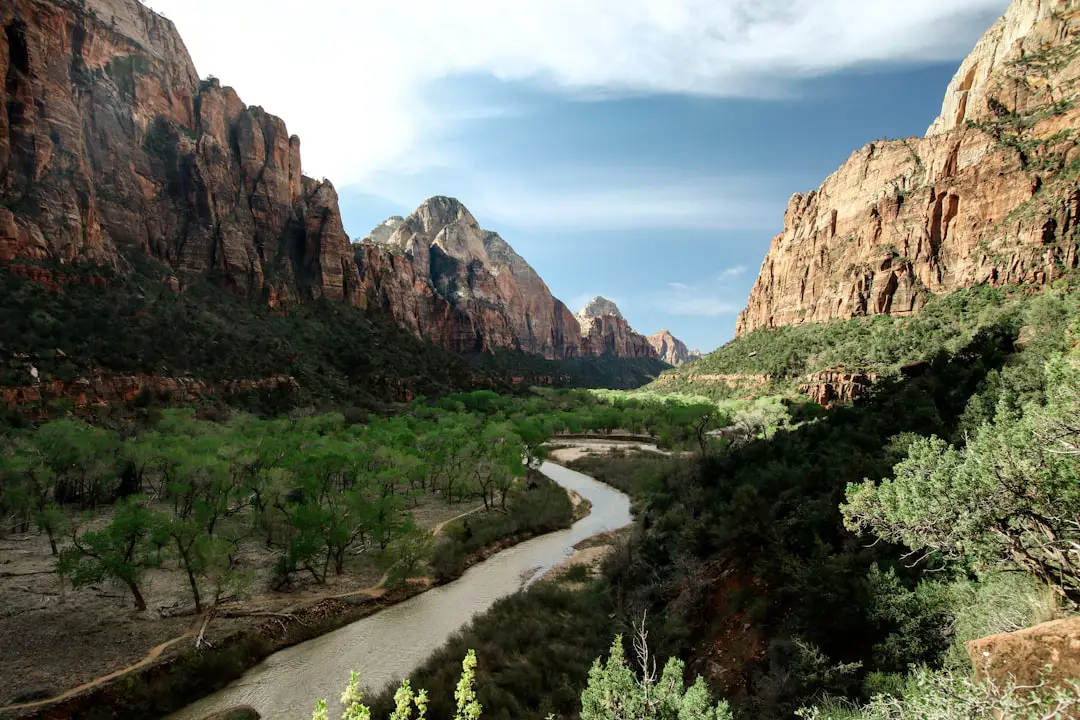
Grand Canyon can be spectacular in June, especially for sunrise, sunset, scenic drives, photography, and rim walks. It is not, however, a destination where visitors should casually treat a long inner-canyon hike as a normal summer activity.
Warning: The National Park Service advises summer hikers to avoid strenuous inner-canyon hiking during the hottest part of the day, particularly from 10 a.m. to 4 p.m. Inner-canyon temperatures can exceed 100°F. Check current heat risk, drinking-water availability, trail closures, and weather before descending below the rim.
For a lower-risk June visit, focus on South Rim overlooks, the Rim Trail, shuttle-accessible viewpoints, sunrise, and evening sightseeing. The North Rim normally has a shorter operating season and can have different services and closures, so check the current North Rim status before driving there.
Exploring US Beaches in June
US beaches offer very different experiences in June. Florida and Hawaii generally appeal to travelers looking for warmer swimming conditions, while much of the California and Oregon coast can feel cooler even when the air is pleasant. Humidity, wind, surf, marine clouds, afternoon thunderstorms, and local currents can matter as much as the daytime temperature.
| Beach Name | Location | June Water Feel | Typical June Planning Note |
|---|---|---|---|
| Malibu Beach | California | Cool to mild | Pleasant coastal weather is possible, but Pacific water remains much cooler than Florida or Hawaii. |
| Miami Beach | Florida | Warm | Expect heat, humidity, strong sun, and the possibility of showers or thunderstorms. |
| Waikiki Beach | Hawaii | Warm | A good option for swimming, beginner-friendly beach activities, and an urban resort atmosphere. |
On the East Coast, Miami Beach offers a lively city-and-beach combination, while Cape Cod and the Outer Banks provide a more relaxed coastal feel. Myrtle Beach appeals to families looking for entertainment beyond the sand.
On the West Coast, Malibu and Santa Monica combine beach time with easy access to Southern California attractions. Farther north, Cannon Beach in Oregon is better known for dramatic scenery, sea stacks, and coastal walks than for warm-water swimming.
Pro Tip: Do not choose a beach based on air temperature alone. Check the local surf forecast, water conditions, rip-current risk, and whether lifeguards are present before deciding where and when to swim.
Products Worth Considering


INCREASED SAFETY:Our top handle with high quality feel is nailed through the fabric at both ends, which is more secure and firm. This extended handle strap fits all sizes of palms. And the belly of this dog life vest is supported and connected to the upper half of the body. High density one line woven belt connected to the handle, more wear-resistant and reliable. Oxford thread sewing is more firm. And the reflective strips at the splice are safer at night.
Best Beach Destinations in the US for June Travel
Products Worth Considering

Watertight Protection: A strong, plastic, watertight shell that protects valuable small objects when submerged underwater.

KEEP YOUR VALUABLES DRY & INTACT: Whether we're talking about snorkeling, Swimming at the beach, or even diving in the depth up to 32 Feet. this waterproof pouch with Three Ultimate Seals promises to keep your valuables items safe & dry!
![Underwater Phone Case for Snorkeling, [50ft/15M] Waterproof Diving Case](https://m.media-amazon.com/images/I/519SFBPw7CL._SL500_.jpg)
Hard-Shell Protection: The waterproof phone case adapts durable hard-shell construction, which has passed IPX8 and 15M/50Ft underwater pressure testing. Protecting your phone from water, water pressure, sea, dust, suitable for scuba diving, snorkeling, and water sports
Maui, Hawaii
Maui remains an appealing option for travelers who want warm-weather beach time combined with scenery and outdoor activities. Depending on current access and local conditions, visitors can combine beaches with snorkeling, scenic drives, hikes, and Hawaiian cultural experiences.
Molokini is a well-known snorkeling area, while the Road to Hana is a famous scenic route. Always check current local access information before setting out because road, ocean, and weather conditions can change.
Clearwater Beach, Florida
Clearwater Beach works particularly well for families and travelers who want a classic Gulf Coast beach vacation. The soft sand, generally warm seasonal conditions, restaurants, and nearby attractions make it easy to build a trip that does not depend entirely on swimming.
Paddleboarding, boat trips, and other water activities are widely available in the area. Because June is part of Florida’s warm and increasingly storm-prone season, keep outdoor plans flexible around thunderstorms and tropical-weather forecasts.
Which June Beach Fits Your Trip?
| Destination | Best For | Keep in Mind |
|---|---|---|
| Maui | Scenery, snorkeling, couples, outdoor activities | Check local access and ocean conditions. |
| Clearwater Beach | Families and warm-water beach trips | Heat, humidity, and thunderstorms can affect plans. |
| Miami Beach | Nightlife, restaurants, warm swimming conditions | Expect heat, humidity, crowds, and strong sun. |
| Waikiki | First-time Hawaii visitors and urban beach convenience | Popular areas can be busy. |
| Cape Cod | Coastal towns, seafood, scenic drives | Water is cooler than Florida or Hawaii. |
| Outer Banks | Families, beach houses, wide stretches of coast | Monitor surf and tropical-weather forecasts. |
| Myrtle Beach | Family entertainment and boardwalk-style attractions | Peak-season crowds increase as summer progresses. |
| Santa Monica and Malibu | California road trips and city-plus-beach travel | Pacific water can feel cool even on warm days. |
| Cannon Beach | Photography, coastal scenery, walking | Better for scenery than warm-water swimming. |
Tips for Planning a June Trip to National Parks and Beaches
Reserve the Parts of the Trip That Actually Require Reservations
June is a popular travel period, especially once schools begin summer break. Lodging and campgrounds near famous parks and beaches can sell out well in advance, but entry rules vary by destination.
Do not assume that a park entrance reservation, campground reservation, wilderness permit, and activity permit are the same thing. Yosemite, for example, does not require an entrance reservation in 2026, but lodging and campground bookings are still strongly recommended, wilderness permits are required for overnight backcountry trips, and Half Dome has its own permit system.
Check official park pages before booking because reservation systems can change between seasons and years.
Pack for Regional and Elevation Changes
Layering is one of the safest strategies for a June road trip. Yellowstone and high-elevation Yosemite locations can be cold in the morning even when afternoon temperatures are comfortable. Grand Canyon can be pleasant on the rim while the inner canyon is dangerously hot.
For parks, bring sun protection, adequate water capacity, suitable footwear, rain protection, and warmer layers where elevation warrants them. For beaches, add reef- or destination-appropriate sun protection, a hat, drinking water, and footwear suitable for hot sand or rocky shorelines.
Check Fire, Smoke, Weather, and Road Conditions
Western parks can experience wildfire or smoke impacts during the warmer months, while mountain weather can produce thunderstorms and rapid temperature changes. Coastal destinations can face rough surf, rip currents, lightning, or heavy rain.
Check park alerts, National Weather Service forecasts, local emergency information, and road conditions shortly before departure rather than relying only on the seasonal averages you saw when booking the trip months earlier.
Remember That Atlantic Hurricane Season Begins in June
The official Atlantic hurricane season runs from June 1 through November 30. June is not normally the statistical peak of the season, but tropical systems can still affect Florida, the Southeast, Gulf Coast destinations, and Atlantic beach trips.
Travelers heading to places such as Miami, Clearwater, or the Outer Banks should review the National Hurricane Center’s tropical cyclone information and consider flexible cancellation policies when practical.
Take Rip Currents Seriously
Rip currents can carry swimmers away from shore even when the beach looks inviting. Follow posted flags and lifeguard instructions, avoid swimming alone, and favor guarded swimming areas when available. The National Weather Service provides current rip-current safety guidance.
Warning: Never treat calm-looking water, clear skies, or a popular trail as proof that conditions are safe. Heat advisories, thunderstorms, high surf, rip currents, wildfire smoke, road closures, and water outages can develop or change quickly.
Activities and Events in National Parks and Beaches in June
Long daylight hours make June well suited to scenic drives, hiking, ranger programs, wildlife watching, photography, paddling, snorkeling, and beach walks. The safest schedule often depends on the climate: early starts are useful for popular parks and hot areas, while beach activities may need to work around surf, thunderstorms, tides, or strong afternoon sun.
National parks frequently expand ranger-led programming as summer visitation increases. Rather than assuming a particular event happens every June, check the official calendar for the park you plan to visit because ranger programs, trail openings, road access, and special activities change by year and location.
June can also coincide with major city festivals. For example, CMA Fest took place in Nashville from June 4–7 in 2026, while the San Francisco Pride Parade was held June 28, 2026. Event dates change annually, so confirm them before buying flights or hotels. Travelers can check the official CMA Fest website and local San Francisco event notices for current dates.
The Albuquerque International Balloon Fiesta should not be listed as a June festival. In 2026, the event is scheduled for October 3–11. Travelers specifically interested in it should use the official Balloon Fiesta schedule rather than planning an Albuquerque trip around a June date.
Conclusion and Final Thoughts on June Travel Destinations in the US
June offers an unusually broad mix of US travel options. Yellowstone combines wildlife and geothermal scenery, Yosemite can still have strong snowmelt-fed waterfalls, and Grand Canyon delivers spectacular views if visitors respect its extreme summer heat. Along the coasts, Maui, Clearwater, Miami, Waikiki, Cape Cod, the Outer Banks, Myrtle Beach, Malibu, Santa Monica, and Cannon Beach each offer a different balance of water temperature, scenery, activities, and crowds.
The best June destination is therefore not simply the place with the warmest forecast. Match the trip to your priorities, verify park and weather conditions shortly before departure, reserve high-demand lodging early, and stay flexible when heat, storms, surf, smoke, or crowds affect the original plan. With those precautions, June can be one of the most versatile months for exploring the United States.
If you are planning a longer June trip, keeping phones and navigation devices charged can be especially useful during long sightseeing days. See this guide to the best power bank for international travel. Organizing clothing and outdoor gear can also make multi-stop trips easier; these packing cube recommendations can help keep luggage separated and easier to manage.
Frequently Asked Questions
What are some popular destinations to travel to in the US in June?
Popular June choices include Yellowstone and Yosemite for national-park scenery, Grand Canyon for rim sightseeing, Maui and Waikiki for Hawaii beach trips, Clearwater and Miami for warm-weather Florida travel, and Cape Cod, the Outer Banks, Myrtle Beach, Santa Monica, and Malibu for different coastal experiences.
What is the weather like in the US in June?
June weather varies dramatically by region and elevation. Northern and mountain destinations can have cool mornings or lingering high-elevation snow, the Southwest can experience dangerous heat, Florida is typically hot and humid, and parts of the Pacific coast can remain mild with cool ocean water and marine clouds.
Are there special events or festivals in the US in June?
Yes. Major events can include CMA Fest in Nashville and San Francisco Pride, although exact dates change each year. The Albuquerque International Balloon Fiesta is not a June event; in 2026 it runs October 3–11.
What outdoor activities are popular in the US in June?
Popular June activities include hiking, scenic drives, wildlife watching, ranger programs, camping, beach walks, snorkeling, kayaking, paddleboarding, and photography. Choose activities around local hazards such as heat, thunderstorms, high water, rough surf, and rip currents.
Are there travel restrictions or special considerations for June travel in the US?
The most useful checks are destination-specific. Review national-park alerts and permit rules, weather advisories, wildfire and smoke conditions, road closures, beach warnings, and tropical-weather forecasts. Requirements can change, so use current official information rather than relying on old COVID-era travel guidance.
Is June a crowded month for US national parks?
Many famous parks become busy in June, especially after schools begin summer vacation. Enter popular areas early, reserve lodging or camping when required, and check each park’s current entry and permit rules because reservation systems differ by destination and year.
Is June a good month for a US beach vacation?
Yes, but choose the coast carefully. Florida and Hawaii usually suit travelers who want warmer swimming conditions, while California and the Pacific Northwest can have cooler water. June also begins Atlantic hurricane season, and rip-current or surf warnings should always be checked before swimming.
Sources
- National Park Service — Yellowstone Seasons — June weather, access, wildlife, and seasonal activities.
- National Park Service — Yosemite Waterfalls — snowmelt, waterfall season, and peak-flow timing.
- National Park Service — Yosemite Permits and Reservations — current entrance, camping, wilderness, and Half Dome requirements.
- National Park Service — Grand Canyon Summer Hiking — extreme-heat hazards and summer hiking guidance.
- National Weather Service — Rip Current Safety — beach and swimming safety guidance.
- National Hurricane Center — Tropical Cyclone Climatology — Atlantic hurricane-season timing and tropical-weather context.
