

Last Updated on August 26, 2026 by Daniel Globe
Embarking on a long-distance road trip offers unmatched freedom and adventure, but hitting the highway without proper vehicle preparation can quickly turn an exciting journey into a stressful roadside emergency. Long stretches of sustained highway speeds, extreme temperatures, and heavy cargo place severe stress on your engine, transmission, brakes, and tires. Conducting a meticulous multi-point inspection before departing ensures optimal fuel economy, peak vehicle performance, and peace of mind for every passenger on board.
Quick Answer
To properly prepare your car for a road trip, inspect all essential fluids (engine oil, coolant, brake, transmission, and washer fluid), test tire pressures and tread depth (minimum 2/32″), verify battery voltage (12.4V+), check brake pads and exterior lights, and assemble an emergency roadside kit containing jumper cables, tools, water, and first aid supplies.
Key Takeaways
- Tires and Fluids: Inspect cold tire inflation against the door-jamb placard, verify tread depth via the penny test, and top off all five vital engine fluids.
- Battery and Electrical: Test your 12V starter battery voltage and clean corroded terminals, as battery failures cause a large portion of highway breakdowns.
- Safety Recalls: Run your vehicle identification number (VIN) through the official NHTSA database to identify open safety recalls before traveling.
- Emergency Preparedness: Pack a dedicated roadside safety kit including jumper cables or a lithium booster, high-visibility reflectors, tools, and ample drinking water.
- Parking and Transit Security: Secure your vehicle with physical anti-theft devices and evaluate secure airport or long-term storage when combining road trips with flight transit.
At a Glance: Pre-Road Trip Inspection
| Time Required | 45 to 90 minutes (DIY Inspection) or 1 business day (Professional Service) |
| Difficulty | Beginner to Intermediate |
| Tools Needed | Tire pressure gauge, multimeter/battery tester, flashlight, clean rags, penny or tread depth gauge |
| Estimated Cost | $0 – $150 (DIY fluids and consumable top-offs vs. professional multi-point service) |
Disclosure: As an Amazon Associate I earn from qualifying purchases. Some links on this page are affiliate links, at no extra cost to you.
Essential Pre-Trip Mechanical Inspection
According to roadside assistance statistics compiled by the AAA Automotive Division, flat tires, dead starter batteries, and engine overheating represent the primary reasons millions of drivers require highway rescue each year. Performing a systematic mechanical assessment one to two weeks before your departure date gives you sufficient lead time to repair worn components and prevent costly delays.
Products Worth Considering

TRANSFER FLUID SMOOTHLY - Thorstone syringe style fluid evacuator comes with 0.24" OD and 0.32" OD extension tubes, up to 40 cm when connected, long enough to reach hard-to-reach locations for extracting and changing transmission fluid, power steering fluid, gear oil, anti-freeze and brake fluid.

LONGER REACH - Equipped with two 12-inch extension hard tubes and a 23-inch flexible silicone hose, this oil syringe tool extends over 50 inches, making it effortless to access tight spots in cars, trucks, and motorcycles

REACH HARD-TO-ACCESS SERVICE POINTS: Some maintenance jobs are difficult because fill ports are hidden or located in tight spaces. FOUR UNCLES Fluid Transfer Syringe with flexible hose helps you reach challenging areas while making fluid extraction and refilling easier and cleaner.
1. Engine Oil and Essential Fluid Levels
Engine oil lubricates internal moving parts, dissipates thermal buildup, and collects microscopic debris. Check the dipstick with the car parked on level ground and the engine cool. The oil level must sit between the minimum and maximum indicator marks. Fresh motor oil appears amber or light brown; dark, opaque, or gritty oil should be replaced along with an OEM oil filter prior to leaving.
Beyond motor oil, inspect the vehicle’s additional four fluid reservoirs:
- Engine Coolant / Antifreeze: Ensure the coolant reservoir is between the “Cold” and “Hot” fill lines. Inspect the fluid for clarity; rust-colored or sludge-filled coolant requires a system flush to avoid highway overheating.
- Brake Fluid: Check the master cylinder reservoir. Brake fluid should be clear to light golden. A dark brown or black tint signifies moisture contamination, which drastically reduces braking efficiency during sustained mountain descents.
- Transmission Fluid: For vehicles with a serviceable dipstick, check the fluid level while idling in park. Healthy fluid is bright red or pink; a burnt odor or dark brown color indicates severe degradation.
- Power Steering & Windshield Washer Fluid: Fill the washer reservoir with bug-remover fluid in summer or freeze-resistant de-icing fluid in winter.
Pro Tip: Never open a radiator cap or pressurized coolant expansion tank on a warm or recently operated engine. Pressurized steam and boiling fluid can cause severe thermal burns. Always allow the engine to cool down completely for at least one hour before servicing.
2. Tire Pressure, Tread Depth, and Spare Inspection
Tires are your vehicle’s sole physical contact with the roadway. Driving on underinflated tires increases rolling resistance, elevates tread temperatures, harms fuel economy, and dramatically escalates the risk of a high-speed catastrophic blowout. Use a reliable digital tire pressure gauge to measure cold tire inflation (after the car has sat stationary for at least three hours).
“Set your tire pressure strictly to the manufacturer specifications printed on the driver’s side door jamb placard—never inflate to the maximum pressure stamped on the tire sidewall.”
Inspect tread depth using the Lincoln penny test recommended by the National Highway Traffic Safety Administration (NHTSA). Insert an upside-down penny into the tread grooves; if the top of Lincoln’s head remains entirely visible, your tread is under 2/32 of an inch and the tires must be replaced immediately. Also, inspect the spare tire in the trunk or undercarriage—ensure it is inflated to its rated specification (often 60 PSI for compact temporary spares) and verify that your jack, lug wrench, and wheel lock keys are present.
3. Battery Health and Electrical Charging System
Automotive 12-volt lead-acid starter batteries average a service lifespan of three to five years. Sustained highway heat accelerates internal electrolyte evaporation and terminal corrosion. Use a digital multimeter to measure resting voltage across the terminals with the ignition off; a fully charged battery reads between 12.4V and 12.7V. A reading below 12.2V indicates a weak battery nearing end-of-life. With the engine running, the alternator charging output should read between 13.7V and 14.7V. Clean away white or green powdery oxidation from terminal posts using a wire brush and a mixture of baking soda and water.
4. Braking System and Pad Thickness
Braking performance is vital when navigating unfamiliar highway interchanges, steep grades, and heavy traffic. Visually inspect the brake pads through the wheel spokes. Brake friction material must have a minimum thickness of 3 to 4 millimeters. If you experience squealing, grinding sounds, steering wheel vibration, or a soft brake pedal during deceleration, have your rotors turned or replaced and new pads installed before your trip.
Warning: If your brake pad friction lining measures below 2 millimeters or the brake pedal feels spongy, do not drive on the highway. Thin pads can cause catastrophic rotor damage, caliper seizure, and sudden loss of stopping power under hard braking conditions.
5. Exterior Lights, Wiper Blades, and Belts
Turn on the vehicle’s electrical accessories to confirm that high beams, low beams, brake lamps, reverse lights, and turn signals function properly. Replace cloudy or burned-out bulbs immediately. Inspect rubber windshield wiper blades for tears, chattering, or streaking; wiper blades typically require replacement every 6 to 12 months. Finally, visually inspect the engine serpentine drive belt for longitudinal cracking, fraying, or dry rot, and squeeze radiator hoses to ensure they feel firm rather than brittle or spongy.
6. Safety Recalls and Diagnostic Checks
Before leaving on an extended journey, perform an open recall lookup. You can enter your 17-character Vehicle Identification Number (VIN) on the official NHTSA Recalls Database to confirm whether your car requires free safety repairs at an authorized dealership.
Packing Essentials for Long-Distance Travel
Careful cargo packing prevents vehicle overload, optimizes vehicle handling dynamics, and ensures passenger comfort throughout long hours on the road. Organize heavier gear at the bottom of the trunk forward of the rear axle to maintain proper center of gravity.
- Climate-Appropriate Clothing: Pack breathable, layered garments and sturdy walking shoes. Layering allows easy adjustment as you cross changing geographic and temperature zones.
- Hydration and Sustained Nutrition: Keep a hard-sided or insulated cooler in the back seat filled with cold water, electrolyte drinks, and fresh fruit. Store non-perishable high-protein snacks such as almonds, roasted seeds, and whole-grain granola bars within easy reach of the front console.
- Navigation and Travel Documentation: Ensure your driver’s license, active vehicle registration, proof of insurance, and roadside assistance membership cards are stored in the glove compartment. Download offline maps via Google Maps or Apple Maps to maintain navigation capability in remote rural corridors with poor cellular reception.
- Electronics and Portable Power: Keep heavy-duty charging cables and high-wattage 12V USB car adapters accessible. For camping stops or outdoor excursions away from the car, carrying a reliable travel charger such as the best solar charger for backpacking ensures your GPS receivers, mobile phones, and headlamps remain fully charged even without access to standard wall outlets.
Emergency Roadside Kit Checklist
No matter how thoroughly you inspect your vehicle, unexpected road hazards—such as debris punctures, sudden electrical shorts, or severe weather delays—can happen. Preparing a comprehensive emergency kit following the guidelines established by Ready.gov Vehicle Safety keeps you protected and self-sufficient.
| Item | Recommended Quantity | Practical Purpose |
|---|---|---|
| Drinking Water | 1 Gallon per person per day | Emergency hydration and minor radiator top-offs in urgent breakdowns. |
| Shelf-Stable Rations | 3-day supply per traveler | Calorie-dense nutrition (protein bars, trail mix, dried fruit, meal bars). |
| Jumper Cables / Lithium Jump Pack | 1 Set (12-foot, 6-gauge min) | Jump-starting a discharged battery without needing a secondary vehicle. |
| High-Lumen Flashlight / Headlamp | 2 Units with extra lithium batteries | Hands-free illumination during nighttime tire changes and engine checks. |
| OSHA/ANSI First Aid Kit | 1 Fully stocked kit | Sterile gauze, antiseptic wipes, burn gel, bandages, scissors, and medications. |
| Reflective Triangles / LED Flares | 3 Collapsible triangles or beacons | Alerting oncoming high-speed highway traffic during shoulder breakdowns. |
| Thermal Mylar Blankets | 1 per passenger | Retaining body heat if stranded in sub-freezing winter mountain conditions. |
| Tire Inflator & Plug Kit | 1 Portable 12V compressor + repair kit | Repairing simple tread punctures and adjusting PSI on the go. |
Products Worth Considering
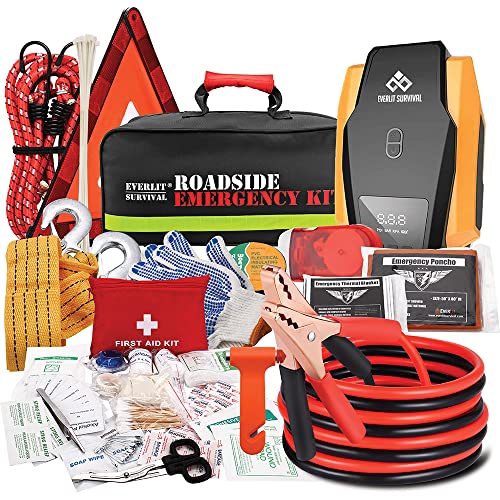
The Road Guardian- The portable roadside assistance kit is designed and hand picked by a group of experienced veterans and experts to provide every essential tools you need in roadside emergencies. The automotive safety bag contains accessories such as repair cable ties, bungee cords, electrical tape, space blanket, rain poncho, reflective warning triangle, glass breaker, seatbelt cutter, safety gloves, tow rope and more to get your vehicle back on the road and continue your travel.

Pink car emergency kit: This tool set comes with all the most useful and necessary roadside assistance tools. It includes a pink jumper cable, auto tool set, tow rope, safety hammer, reflective triangle and vest, deer whistles, snow shovel, tire pressure gauge, anti-skid gloves, 3 in 1 whistle, raincoat, fully equipped first aid kit, and portable pink storage bag

【Things you may need】: This roadside assistance packages is a perfect gift.Contain the necessary roadside kits, snow shovel, flashing lights, reflective triangle warning signs, advanced jumpers (8.2 foot), powerful towing rope, safety hammer and seat belt cutters, life blankets, raincoats, compasses and more!
Regular Maintenance Schedule and Prevention

Adhering to a proactive maintenance schedule prevents sudden mechanical failures that result in expensive towing and repair fees in unfamiliar towns. While conventional petroleum oils historically required service every 3,000 to 5,000 miles, modern full-synthetic motor oils routinely protect engines for 7,500 to 10,000 miles. Always align your maintenance schedule with the severe-service recommendations outlined in your owner’s manual if your road trip involves towing trailers, traversing steep mountain passes, or enduring intense desert heat.
Furthermore, engine air filters and cabin air filters should be replaced every 15,000 to 30,000 miles. A clean engine air filter ensures optimal combustion efficiency and throttle responsiveness, while a fresh cabin filter prevents road dust, allergens, and exhaust fumes from polluting the interior cabin during long drives.
Products Worth Considering

Compatible with Toyota 4Runner (2010-2024), Avalon (2005-2018), Camry (2007-2017), Corolla (2009-2019), Corolla iM (2017-2018), Highlander (2008-2019), Land Cruiser (2008-2021), Matrix (2009-2014), Mirai (2016-2020), Prius (2010-2015), Prius C (2012-2021), Prius Plug-In (2012-2015), Prius V (2012-2018), RAV4 (2006-2018), Sequoia (2008-2022), Sienna (2011-2020), Tundra (2007-2021), Venza (2009-2016), Yaris (2006-2019), Yaris R (2016-2018), Hiace (2006-2019), Hilux (2004-2016)
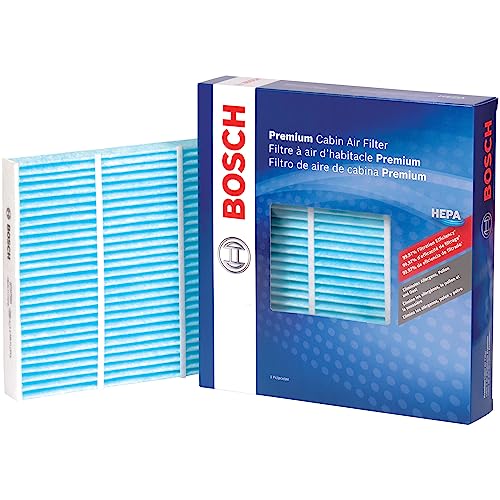
Bosch High Efficiency Cabin Air Filters are designed to provide your vehicle with the ultimate in clean, fresh, odor-free air for you and your family

Equipped with long media in the non-woven material/compound media in order to help capture particles while increasing air flow
Fueling Up, Charging, and Maximizing Mileage

Choosing the Right Fuel for Your Vehicle
Fuel selection directly impacts internal engine health, emissions, and combustion timing. Consult the fuel door label or manual for your vehicle’s octane requirement. While modern engine control units (ECUs) can retard ignition timing to prevent engine knock when lower-grade fuel is used, vehicles with turbocharged or high-compression powertrains require premium fuel (91+ octane) to achieve full rated horsepower and prevent long-term engine stress. Whenever possible, purchase fuel from certified Top Tier detergent gasoline stations, which contain advanced additives that prevent intake valve and injector carbon buildup.
Optimizing Fuel Efficiency on the Highway
Aerodynamic drag and aggressive driving habits significantly reduce highway fuel economy. Rapid acceleration, hard braking, and driving at speeds above 65 mph (105 km/h) dramatically increase aerodynamic resistance, driving down fuel efficiency by 15% to 30%. Utilize cruise control on flat, open highways to maintain steady throttle positions, and remove unnecessary roof racks, cargo boxes, and heavy dead weight when not in use to reduce wind drag and rolling resistance.
Planning Refueling and EV Charging Stops
Plan your fuel and charging stops strategically across your route. In remote western corridors or rural highway stretches, filling stations can be 50 to 100 miles apart. Adopt the “quarter-tank rule”—never let your fuel gauge drop below a quarter tank before locating a reliable station. For electric vehicle (EV) drivers, utilize routing platforms like A Better Routeplanner (ABRP) or PlugShare to verify DC fast-charging stall availability, charging speeds, and network reliability along your highway corridor.
Safe Driving Practices on Long-Distance Trips
Safe driving practices protect you, your passengers, and fellow motorists. Driver fatigue represents one of the most dangerous risks during extended road trips. Plan to take a mandatory 15-minute rest break every two hours or 100 miles to walk, stretch, and maintain cognitive alertness.
- Eliminate In-Cabin Distractions: Set your navigation destination, playlist, and climate controls before shifting into drive. Always use hands-free voice commands or have a designated passenger handle mobile phone duties.
- Maintain Safe Following Distance: Maintain a minimum three-to-four-second following distance behind other vehicles, extending that gap to six seconds during rainstorms, fog, or icy road conditions.
- Defensive Maneuvering: Check your rearview and side mirrors every 5 to 8 seconds. Always scan blind spots over your shoulder before executing lane changes, and signal at least 100 feet in advance.
Parking, Vehicle Security, and Storage Options
Protecting your vehicle and its contents when parking in unfamiliar cities, trailheads, or hotels requires constant diligence. Always park in well-lit, high-traffic areas monitored by security cameras or parking attendants. Never leave laptops, bags, or visible electronics on the seats; store all valuables securely in the trunk before arriving at your destination to avoid catching the attention of potential thieves.
If your travel itinerary combines a long-distance road trip with air or rail travel where you must leave your car behind for an extended period, evaluate safe car storage solutions such as airport parking facilities, off-site long-term garages, or park-and-fly hotel partnerships to keep your car monitored and sheltered while you are away.
Handling On-Road Troubles and Breakdowns
If you encounter an unexpected mechanical failure, tire blowout, or warning light while driving, staying calm and following an established safety protocol will keep you out of harm’s way:
- Signal and Pull Over Safely: Carefully guide your car to the right shoulder, moving as far away from active traffic lanes as possible. If near an exit, leave the highway entirely to find a level parking lot.
- Activate Hazard Lights: Immediately turn on your four-way emergency flashers to alert oncoming traffic, especially at dusk, night, or during severe weather.
- Deploy Warning Devices: Set up reflective warning triangles or LED flares 100 to 200 feet behind your vehicle to give approaching highway traffic ample notice to move over.
- Stay in the Vehicle or Behind Guardrails: Never stand in an active traffic lane or between vehicles. If changing a tire on the traffic side of the vehicle poses danger, remain buckled inside the vehicle or stand safely behind highway guardrails while contacting emergency roadside dispatch.
Frequently Asked Questions
How far in advance should I get my car inspected before a road trip?
It is recommended to inspect your vehicle one to two weeks before your departure date. This provides sufficient time to order replacement parts, replace worn brake pads or tires, and address potential fluid leaks without rushing before your trip.
What are the options for storing my car when I travel?
When traveling, car storage options include airport long-term terminal lots, secure off-site parking facilities with shuttle transit, valet parking services, long-term hotel parking programs (often bundled with a room stay), and private climate-controlled vehicle storage garages.
What are the benefits of using airport parking?
On-site airport parking provides maximum convenience by allowing you to park directly within terminal garages or adjacent economy lots, eliminating long third-party shuttle transfers and allowing immediate access to your car upon return.
What are the benefits of using off-site parking facilities?
Off-site parking lots typically charge 30% to 60% less than official on-airport garages. Many off-site facilities offer 24/7 guarded security, continuous shuttle service directly to your departure gate, luggage assistance, and optional car wash or detailing services.
What are the benefits of using valet parking services?
Valet parking services offer curbside vehicle handoff right at the departure terminal. Attendants park and retrieve your vehicle, eliminating the time and hassle of searching for an open stall in crowded lots, which is ideal for tight travel schedules.
Can I leave my car at a hotel while I travel?
Many airport and metropolitan hotels offer “Park, Stay, and Fly” packages. These packages allow guests who book a room for one night to leave their vehicle safely parked on hotel property for one to two weeks at discounted rates, often including complimentary airport shuttle service.
What should I consider when choosing a parking option for my car?
Key considerations include total daily pricing, facility security (fencing, 24-hour lighting, security cameras, gated access), proximity to your departure terminal, shuttle frequency, weather protection (covered vs. open lot), and customer reviews regarding vehicle safety.
Sources
- National Highway Traffic Safety Administration (NHTSA) — Consumer advisory on pre-trip vehicle safety, tire tread benchmarks, and preventative maintenance standards.
- AAA Automotive Research — Comprehensive guidelines on pre-trip fluid checks, starter battery diagnostics, and roadside breakdown causes.
- Ready.gov Vehicle Emergency Preparation — Official Federal Emergency Management Agency (FEMA) emergency car kit recommendations and safety protocols.
- NHTSA Vehicle Identification Number (VIN) Safety Recall Database — Official safety defect and recall verification database.
