
Last Updated on July 25, 2026 by Daniel Globe
Hotels that seem to have no 13th floor usually have not removed a physical story from the building. Instead, the elevator and room-numbering system may jump from 12 to 14 or use a label such as 12A. The main reason is cultural: some guests associate the number 13 with bad luck, so some hotels avoid the label to reduce discomfort.
Quick Answer
Hotels skip the 13th floor mainly because the number 13 is considered unlucky in parts of Western culture. The physical floor normally still exists; the hotel simply labels it 14, 12A, or something similar. The practice is meant to avoid making superstitious guests uncomfortable and is not followed by every hotel.
Key Takeaways
- A hotel that jumps from floor 12 to 14 normally still has the physical 13th story; only the public-facing number changes.
- The practice comes from cultural superstition surrounding the number 13, not from an architectural or safety problem with the floor.
- The exact historical origin of “unlucky 13” is uncertain, and several popular origin stories are later folklore rather than established fact.
- Not every hotel skips 13, and other cultures may avoid different numbers, including 4 in some East Asian settings.
- Research shows that unlucky-number beliefs can affect guest preferences and business decisions even though the number itself does not make a hotel floor more dangerous.
Where the Fear of the Number 13 Comes From
The fear of the number 13 is known as triskaidekaphobia. However, there is no single proven event that explains why 13 became unlucky in parts of Western culture. Historical research instead points to several traditions that became mixed together over time.
One familiar explanation involves the Last Supper, where Christian tradition places Jesus with his 12 apostles, creating a group of 13. Judas Iscariot later betrayed Jesus, which helped connect a meal of 13 people with misfortune in later folklore. However, the Bible does not say Judas was the 13th person to arrive or the 13th person to sit down.
Another popular story says the Norse god Loki became an uninvited 13th guest at a banquet and caused the death of Baldr. According to a 2024 Library of Congress review of Friday-the-13th folklore, the primary Norse sources describing Baldr’s death do not include the famous 13-person dinner. That version appears to be a later origin story rather than an ancient account of why 13 is unlucky.
The specific belief that Friday the 13th is unlucky is also newer than many people assume. Library of Congress research has identified clear references in 19th-century French literature, while popular explanations linking the date directly to medieval events such as the arrest of the Knights Templar lack strong historical evidence.
Note: Fear of the number 13 and fear of Friday the 13th are related ideas, but they are not exactly the same superstition. A hotel can avoid floor 13 even though the date has nothing to do with the building.
Cultural Beliefs and Superstitions
The meaning attached to a number depends heavily on culture. Thirteen has negative associations in many Western settings, but the same pattern does not apply everywhere.
Italy provides a useful example. The Italian expression fare tredici became associated with winning the top prize in the Totocalcio football pools and can be used figuratively for a stroke of good fortune, according to Treccani. At the same time, Italian superstition is complex, and Friday the 17th is traditionally better known as an unlucky date there than Friday the 13th.
Hotel numbering can also reflect East Asian traditions. A peer-reviewed study of Hong Kong hotels found that culturally unlucky numbers were often omitted from floor numbering. In Chinese culture, the number 4 can be avoided because its pronunciation is associated with the word for death in several East Asian languages and dialects.
These differences are important because there is no universal list of “unlucky” hotel floors. A number that feels uncomfortable to one guest may be completely ordinary to another.
What Actually Happens to a Hotel’s 13th Floor?
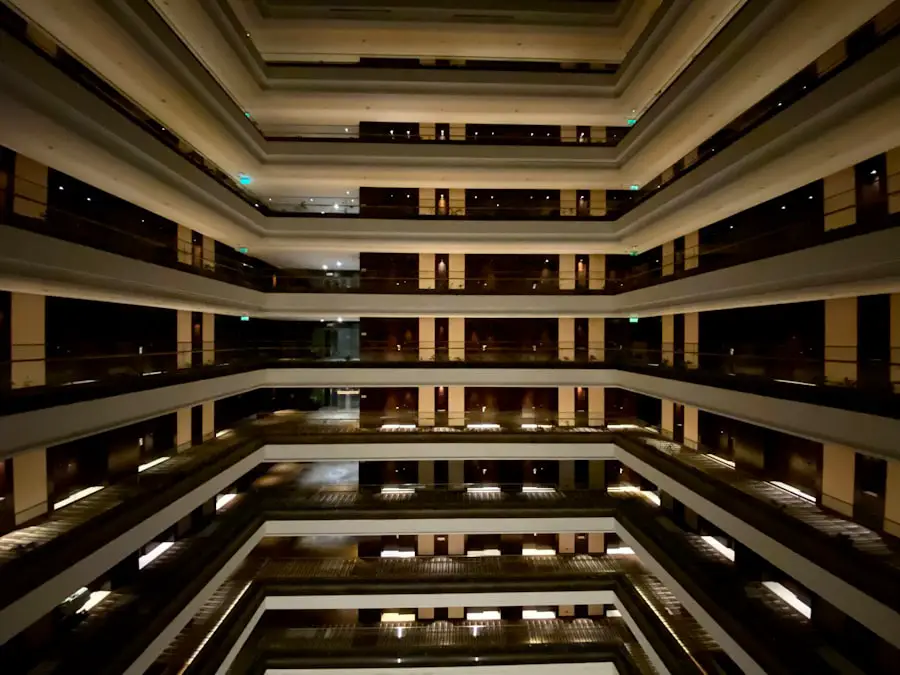
In most cases, a hotel does not physically remove a floor from the building. It changes the numbering guests see.
A building may have a physical sequence that goes lobby, 2, 3, and so on through the thirteenth story, but the elevator panel may show 12 followed by 14. Some properties use alternatives such as 12A. Rooms on that level may then receive numbers beginning with 14 instead of 13.
Pratt and Kwan’s 2019 hospitality study specifically describes Western hotels in which the actual 13th floor is numbered 14 or designated 12A. Their research also found that number avoidance can be more common in floor numbering than in individual hotel-room numbers.
Pro Tip: When a hotel elevator jumps from 12 to 14, do not assume there is a sealed or inaccessible floor between them. In most cases, the level labeled 14 is simply the next physical story.
Products Worth Considering

Dual-sided Efficiency: this dual-sided floor sign improves navigation in hallways, elevators, and stairwells by serving multiple directions simultaneously; Its strong adhesive withstands daily impacts, keeping the floor number sign securely applied; This supports smooth traffic flow and reduces directional confusion in busy areas

ADA COMPLIANT FLOOR IDENTIFICATION | Clearly marked elevator jamb plate with raised “2” numeral and tactile braille supports accessible navigation and code-ready wayfinding.
Why Hotels Bother Skipping the Number
For a hotel, floor numbers are part of the guest experience. Even when managers do not share a superstition themselves, they may prefer a numbering system that avoids unnecessary complaints, room-change requests, or discomfort.
A study published in the International Journal of Hospitality Management examined how Chinese and Western hotel guests responded to supposedly unlucky floors and room numbers. The researchers found that cultural background and individual beliefs affected whether guests felt uncomfortable or wanted a different room. Chinese respondents were more likely than the Western group to report superstitious reactions to unlucky numbers.
This does not mean most travelers refuse unlucky-numbered rooms. In the study, roughly nine in ten Western respondents were not concerned about being placed on an unlucky floor or in an unlucky room. The business reason for changing the number is therefore less about a universal fear and more about avoiding a preventable problem for the smaller group of guests who care strongly about it.
Hotel floor numbering shows how a belief does not need to be universal to influence business decisions. If changing one elevator label removes a possible source of guest discomfort, some properties decide it is worth doing.
Products Worth Considering
ADA COMPLIANT FLOOR IDENTIFICATION | Clearly marked elevator jamb plate with raised “3” numeral and tactile elevator jamb braille supports accessibility standards and elevator jamb braille ADA requirements.

Ensure Inclusivity And Accessibility With Our Braille And Tacticle Sign Install It Adjacent To The Door Handle, Positioned 4860 Inches From The Floor

Dual-sided Efficiency: this dual-sided floor sign improves navigation in hallways, elevators, and stairwells by serving multiple directions simultaneously; Its strong adhesive withstands daily impacts, keeping the floor number sign securely applied; This supports smooth traffic flow and reduces directional confusion in busy areas
The Psychological Impact of Triskaidekaphobia
For many people, calling 13 unlucky is simply a tradition or joke. A stronger fear can be different. The National Institute of Mental Health explains that phobias can involve fear that is out of proportion to the actual danger, active avoidance, and intense anxiety when the feared object or situation is encountered.
| Possible Response | What It Can Look Like |
|---|---|
| Anticipatory worry | Feeling anxious before staying in room 13, visiting a 13th floor, or approaching a date associated with the number. |
| Avoidance | Requesting another room or avoiding situations where the number appears. |
| Immediate anxiety | Experiencing strong fear or distress after encountering the feared number or situation. |
| Interference | Changing ordinary plans or activities because the fear has become difficult to manage. |
Simply disliking the number 13 does not by itself mean someone has a mental-health disorder. When a specific fear causes significant distress or interferes with everyday life, a qualified health professional can determine whether treatment would be useful. NIMH notes that cognitive behavioral therapy and exposure therapy are established approaches for specific phobias.
The Influence on Business and Real Estate
Number superstition can affect more than hotel elevator buttons. Developers and property managers have a financial reason to consider how potential guests, tenants, or buyers react to a floor number.
Research using apartment sales in St. Petersburg found a negative demand effect associated with apartments on the 13th floor when researchers compared otherwise similar floors. The real-estate study provides evidence that number superstition can influence actual buying behavior rather than existing only as folklore.
Hotels face a similar practical calculation. Changing a floor label is relatively easy, while persuading a strongly superstitious guest to accept a room they dislike may be harder. That helps explain why some owners continue the tradition even when most guests are indifferent.
Modern-Day Repercussions
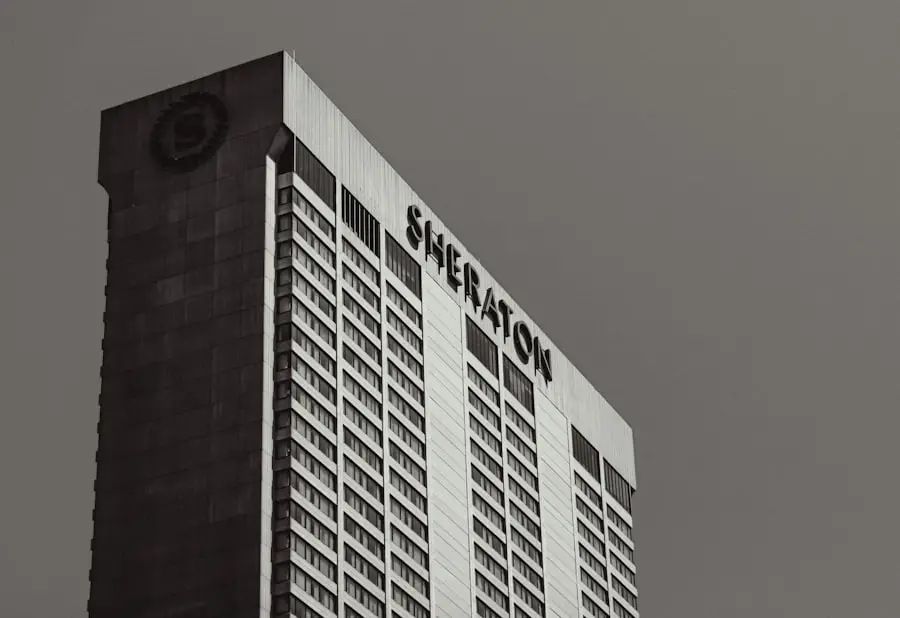
The number 13 still carries a strong cultural image. Friday the 13th appears throughout movies, books, television, and everyday jokes, which keeps the association between 13 and bad luck familiar even to people who do not believe the superstition.
That cultural familiarity helps explain why the missing hotel floor remains noticeable. A guest may never have worried about 13 personally but still recognize immediately why an elevator jumps from 12 to 14.
At the same time, there is no universal hotel-industry rule requiring a property to skip 13. Some hotels label their 13th floor normally, while others adapt their numbering to the traditions of the market and guests they serve.
Is the 13th Floor Actually Unlucky?
There is no physical reason that a hotel’s 13th story should become more dangerous because of its number. Changing the sign from 13 to 14 does not alter the structure, height, fire protection, or ordinary operation of that level.
Hotel-specific research also fails to show that an unlucky number creates bad outcomes. In a five-year analysis of accidents and complaints at an upscale Hong Kong hotel, Pratt and Kwan found no significant difference between supposedly unlucky rooms or floors and other rooms or floors.
A 2019 hotel study found no significant difference in accidents or complaints between supposedly unlucky rooms and floors and the comparison areas in its case-study property.
This does not mean superstition has no effect at all. Beliefs can change behavior, which can affect room requests, purchasing choices, and business decisions. What the evidence does not show is that the number itself creates misfortune.
Products Worth Considering

Complete Number Set - Includes 1 door number plate and 14 numbers: 0 0 1 1 2 2 3 3 4 5 6 7 8 9

Customized Steps:① Click on "Customize Now";② Select the style you like;③ Select the size;④ type in 1-5 number or letter
Custom vintage door number sign made of Acrylic material, attractive and durable. Size: 20*10 cm/7.8*3.9 inch, there are digits 3-5 characters to custom according to your house, it have a protective plastic film when you receive it
Why Some Hotels Keep the 13th Floor
Some hotels simply use 13 in their normal numbering sequence. There is no requirement that every property follow the superstition, and many travelers do not care which number appears outside their room.
Hotels may therefore make different decisions based on local customs, guest expectations, building history, brand standards, and operational preferences. In one market, skipping 13 may feel routine. In another, avoiding 4 or another culturally sensitive number may matter more.
Using the number 13 can also make the numbering system easier to understand because the floor label matches the physical sequence of the building. For guests who are not superstitious, a normally labeled 13th floor is simply another place to stay.
Note: If a floor number matters to you, ask the hotel before arrival. The front desk can tell you how the building is numbered and, when availability allows, may be able to place you on a different floor.
TakeTravelInfo’s Terms and Conditions explain the site’s policies. They are separate from the historical, psychological, and hospitality research used as factual sources for this article.
Sources
- Library of Congress — On the Possible Origins of Friday the Thirteenth — historical evidence and evaluation of the Last Supper, Norse, Knights Templar, and Friday-the-13th origin stories.
- Library of Congress — Who’s Afraid of Friday the Thirteenth? — cultural differences in unlucky-number traditions, including Italy.
- Pratt & Kwan, International Journal of Culture, Tourism and Hospitality Research — hotel floor numbering and analysis of accidents and complaints on supposedly unlucky floors.
- Pratt & Kirillova, International Journal of Hospitality Management — hotel guest reactions to unlucky floor and room assignments.
- National Institute of Mental Health — Phobias and Phobia-Related Disorders — symptoms, avoidance behavior, and treatment principles for specific phobias.
- Antipov & Pokryshevskaya — Apartment-market superstition study — evidence that the 13th-floor label can affect real-estate demand.
Frequently Asked Questions
Why do hotels skip the 13th floor?
Hotels may skip the number 13 because it is considered unlucky in parts of Western culture. Avoiding the label can prevent discomfort or room-change requests from superstitious guests. It is a business and guest-experience choice rather than an architectural requirement.
What is triskaidekaphobia?
Triskaidekaphobia means fear of the number 13. For some people it is little more than a superstition, while a severe fear may involve anxiety and avoidance. Merely preferring not to use the number does not by itself establish a clinical phobia.
Do all hotels skip the 13th floor?
No. Many hotels use a normal 13th-floor label. The decision depends on the property, local culture, brand practices, and expected guest preferences.
Is the floor labeled 14 actually the 13th physical story?
Often, yes. When an elevator goes directly from 12 to 14, the level labeled 14 is commonly the next physical story. The hotel has skipped the number in its public-facing numbering rather than removed a story from the building.
Are there reasons besides superstition for skipping the 13th floor?
The superstition is the underlying reason, but the practical motivation is usually guest satisfaction and business. A hotel may prefer to change a floor label rather than risk complaints or requests from guests who strongly dislike the number.
Is skipping the 13th floor common in other types of buildings?
Yes. The same numbering practice can appear in apartment buildings, condominiums, and office towers. Research also suggests that superstition about a 13th-floor address can influence some real-estate buyers.
Do hotels in other countries skip different floor numbers?
Yes. Number superstitions vary by culture. Some hotels serving East Asian markets avoid the number 4 or numbers containing 4, while Italian superstition is more strongly associated with 17 than with 13. Hotel numbering therefore varies from place to place.
