
Last Updated on July 25, 2026 by Daniel Globe
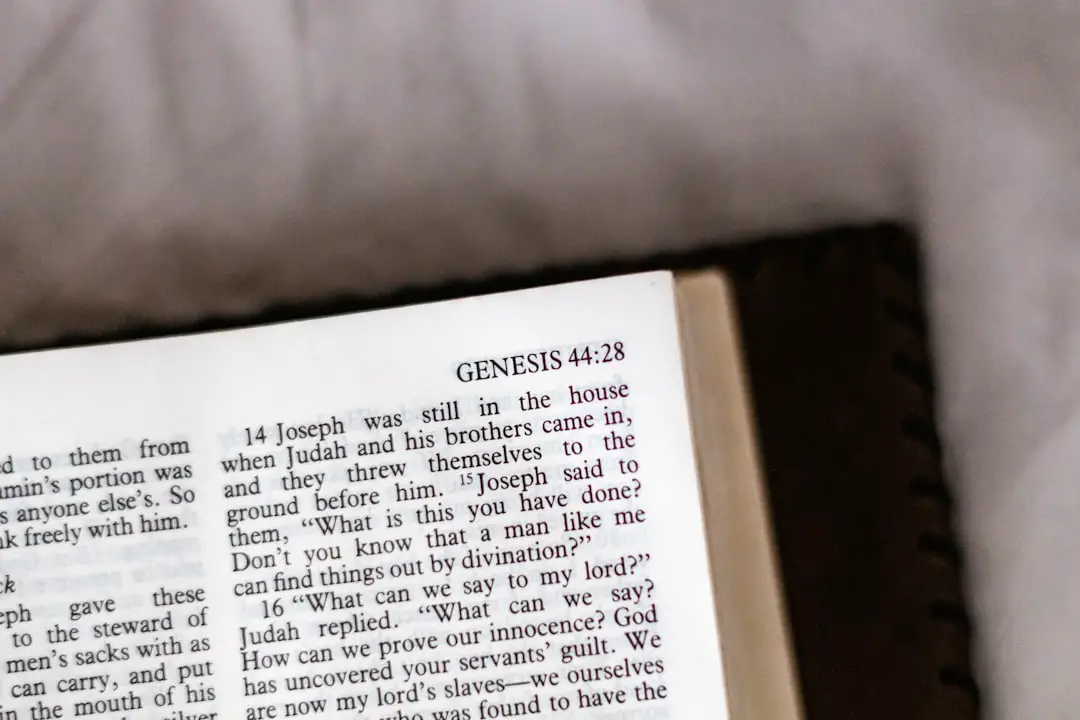
Finding a Bible in a hotel nightstand is not a legal requirement or a standard amenity purchased by every hotel. The custom grew from a Christian outreach program that began placing complimentary Bibles in hotel rooms in 1908. Today, each hotel or brand can decide whether to provide a Bible, another religious text, a digital option, or no religious material.
Quick Answer
Hotel rooms have Bibles mainly because The Gideons International began offering complimentary copies to hotels in 1908. Hotels voluntarily accepted them so travelers could read scripture during a stay. The practice is not required by law, and a modern property may provide a Bible, another religious text, a digital option, or no religious material.
Key Takeaways
- The Gideons International was founded in 1899, but its hotel Bible program began in 1908.
- The first order covered 25 Bibles for the Superior Hotel in Superior, Montana.
- Gideon Bibles are generally offered to participating hotels as complimentary placements.
- No general law requires a privately operated hotel to keep a Bible or any other religious text in a room.
- Policies now vary by hotel, brand, country, and guest demand.
Disclosure: As an Amazon Associate I earn from qualifying purchases. Some links on this page are affiliate links, at no extra cost to you.
How the Hotel Bible Tradition Started
The Gideons International was founded in 1899 by Christian business and professional men. Its members often traveled for work, so hotels became a natural place for the organization’s outreach.
The hotel-room program did not begin until 1908. According to the organization’s official history, Gideon member Archie Bailey asked to place a Bible at the desk of the Superior Hotel in Superior, Montana. The hotel’s proprietor, Edna Wilkinson, suggested putting a copy in every guest room instead.
On November 9, 1908, the first order was placed for 25 hotel Bibles for the Superior Hotel in Superior, Montana.
That first order established the model that later became familiar to travelers: a religious organization supplied the books, and a hotel agreed to make them available to guests. The practice eventually spread to hotels and motels in many countries.
Who Puts Bibles in Hotel Rooms and Who Pays?
Many hotel-room Bibles are supplied by The Gideons International rather than purchased as a normal room amenity. The organization says its members place complimentary copies in participating hotels and other facilities.
A hotel must agree to the placement. Gideon members do not have a legal right to enter a property and stock its rooms without permission. A hotel owner, management company, franchise operator, or brand may accept the books, decline them, keep them at the front desk, or follow another policy.
Churches and individual supporters help fund the Gideons’ wider scripture-distribution work. Because arrangements differ, guests should not assume that every religious book found in a room is owned, funded, or supplied in the same way.
Pro Tip: If having a Bible or another religious text matters to your stay, contact the property directly before arrival. Brand-wide information may not reflect the policy of a specific franchised hotel.
Why Hotels Historically Accepted Bibles
Early hotel owners could accept the books at little or no direct cost while offering guests additional reading material. The arrangement also matched the beliefs of owners who saw Christian scripture as a source of comfort, reflection, or moral guidance.
For the Gideons, the purpose was openly religious. The organization viewed hotels as places where one book could be read by many travelers over time. Hotel rooms also offered private, quiet settings where a guest could choose to read without attending a religious service.
The Bible was usually kept in a bedside table or dresser drawer. That location made it accessible while allowing guests to ignore it if they were not interested.
Why Some Guests Find Hotel Bibles Comforting
Travel can separate people from familiar routines, communities, and places of worship. Some Christian guests use a hotel Bible for prayer, study, reassurance, or quiet reflection. A physical book may also feel more familiar than reading from a phone.
Other guests may see the book simply as part of an older hospitality tradition. Its presence does not mean every traveler will read it or feel comforted by it.
Reactions can differ widely. One guest may appreciate immediate access to scripture, while another may prefer a religiously neutral room. A balanced hotel policy recognizes that both responses are possible.
Religious and Cultural Diversity in Hotel Rooms
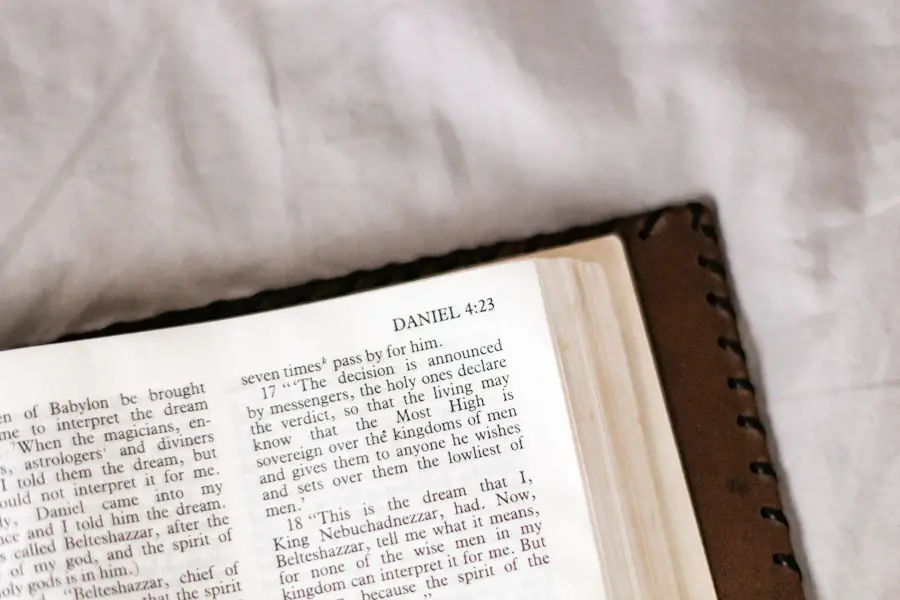
Hotels serve guests from many countries, religions, and cultural backgrounds. That makes a single in-room religious text more complicated than it may have seemed when the Gideon program began.
In the United States, the Pew Research Center’s 2023–24 Religious Landscape Study found that 62% of adults identified as Christian, 29% were religiously unaffiliated, and about 7% belonged to religions other than Christianity. International hotels may serve an even wider mixture of faiths and beliefs.
Depending on the location and ownership, a property may provide another sacred text, keep several texts at reception, offer materials only when requested, or leave religious literature out of the room. None of these approaches is universal.
Controversies Surrounding Hotel-Room Bibles
| Issue | What Is Accurate | Practical Response |
|---|---|---|
| Religious neutrality | Some guests welcome a Bible, while others prefer a room without religious material. | Hotels can make materials optional, available on request, or easy to remove. |
| Different faiths | A Bible represents Christianity and does not meet every guest’s religious needs. | A property may offer multiple texts, digital access, or no in-room books. |
| Church and state | The First Amendment generally restricts government action, not the independent choices of a purely private hotel. | Treat private hotel policy and constitutional questions as separate issues. |
Most disagreement is about hospitality, inclusion, branding, and guest comfort rather than a rule that applies to every hotel. Critics may view an in-room Bible as an unwanted religious message. Supporters may see it as an optional resource that guests remain free to ignore.
The legal language requires care. Cornell Law School’s explanation of the state action requirement notes that a purely private party generally cannot violate the First Amendment. A privately operated hotel therefore does not automatically violate the Establishment Clause by keeping a Bible in a drawer.
Note: Government-owned lodging, public institutions, contractual requirements, or unusual local laws may involve different legal questions. This article provides general information and is not legal advice.
How Technology Has Changed Access to Religious Texts
A physical hotel Bible is no longer the only convenient way to read scripture while traveling. Guests can use websites, e-readers, audiobooks, and mobile apps in many languages and translations.
The Gideons itself now offers a Bible app containing the Old and New Testaments, notes, verse tools, and audio options in more than 2,200 language translations. This gives travelers access even when a printed copy is not available in the room.
Digital access can also help a hotel serve guests without selecting one book for every room. A property might provide Wi-Fi and allow travelers to use their preferred religious or nonreligious material on their own devices.
That does not mean printed Bibles have become useless. Some guests prefer a book because it requires no battery, account, internet connection, or screen.
Products Worth Considering

Complete KJV Bible Audio Preloaded with the complete King James Version (KJV) Bible, including both the Old and New Testaments. Enjoy offline listening anytime without Wi-Fi, apps, Bluetooth, or a smartphone.

WONDER BIBLE AUDIO PLAYER The audio Bible you can listen to anytime, anywhere! Letters, gospels, psalms, prophecies, & more!

KJV Audio Bible Player – Preloaded with the complete King James Version (KJV) Bible, including both the Old and New Testaments for daily listening.
The Future of Bibles in Hotel Rooms

The custom is unlikely to disappear everywhere or remain unchanged everywhere. Hotels operate under different brands, ownership structures, local customs, and guest expectations.
Some properties may continue placing a Bible in each room. Others may keep religious texts at reception, provide several traditions, offer digital information, or remove in-room books as part of a simpler room design.
Sustainability may also affect the choice. Hotels that want to reduce printed materials may favor reusable books, on-request distribution, or digital access. At the same time, donated books may remain attractive to properties whose guests value them.
The most workable approach is flexibility: make useful material available without assuming that every guest shares the same belief.
Products Worth Considering
Ellie Claire Gifts
Ellie Claire Gifts

Wall Art Set: Consists of 9 packs of canvas wall art, each measuring 8 x 10 inches, which can be decorated anywhere you want to bring a warm atmosphere to your living space.
Alternatives to Bibles in Hotel Rooms
Hotels that do not stock Bibles may provide other forms of reading or reflection. Possible alternatives include:
- Religious texts available from the front desk upon request
- Digital links to scriptures or spiritual resources
- Books about local history, culture, architecture, or nature
- Mindfulness or meditation guides
- Local magazines and independent travel guides
- A clearly communicated policy allowing guests to request that room materials be removed
These choices can create a sense of place while leaving guests free to select material that matches their interests and beliefs.
Products Worth Considering

[Cultivate Presence & Calm] – Practice 52 unique mindfulness exercises to fully ground yourself and engage with the present moment, helping to reduce mental clutter, stress, and anxiety.

🌟 100 MINDFULNESS EXERCISES 🌟 This graphic packed mindfulness deck contains 100 cards designed for stress management, anxiety relief, self care, relaxation, equanimity, calmness, self love, wellness, mental fortitude, spiritual connection, mood enhancement, positive psychology, emotional awareness, & more. BUILD YOUR OWN MINDFULNESS PRACTICE!

STRESS RELIEF: unlock the secrets of relaxation with our Meditation Cards – perfect meditation accessories for women seeking stress relief and positive affirmations; Gift a journey to mindful well-being;
Do Hotels Still Have Bibles?
Some do, and some do not. There is no universal hotel rule, and a Bible’s presence can vary even among properties carrying the same broader brand name.
Traditional hotels, roadside motels, and properties with long-standing relationships with the Gideons may be more likely to retain printed copies. Newer, urban, boutique, or minimalist properties may omit books from rooms or make them available only on request.
Because policies change, the most reliable way to know is to ask the specific property. A listing of standard amenities may not mention religious materials.
Can You Take a Bible From a Hotel Room?
Do not assume that every Bible or religious text is free to take. A Gideon copy may have been donated for guest use, but the hotel still controls the contents of its rooms and may follow its own replacement or inventory policy.
The safest approach is to call or visit the front desk and ask. Staff may allow you to take the copy, offer a separate complimentary copy, or ask that the room copy remain for the next guest.
The same advice applies to a Book of Mormon, Quran, Bhagavad Gita, meditation book, or any other publication found in the room.
The Significance of Hotel Bibles for Guests
For some travelers, a hotel Bible remains a meaningful connection to faith while they are away from home. It may support prayer, reflection, study, or a familiar routine during a stressful trip.
For others, it is simply an old custom, an unwanted message, or a book they never notice. Both reactions help explain why modern hotel policies vary.
The tradition began with a specific Christian mission, not a hotel law. More than a century later, its future depends on voluntary property decisions, local culture, technology, and the preferences of increasingly diverse guests.
Frequently Asked Questions
Why do hotel rooms have Bibles?
The custom became widespread after The Gideons International began offering complimentary Bibles to hotels in 1908. Participating properties placed them in guest rooms so travelers could read scripture during their stay.
Who supplies and pays for hotel Bibles?
Many are supplied as complimentary placements by The Gideons International, whose work is supported by churches and individual donors. Other religious texts may be supplied by different organizations or purchased by the property.
Is it mandatory for hotels to have Bibles in their rooms?
No. There is no general law requiring privately operated hotels to provide Bibles. The decision normally depends on the property, its ownership, its brand standards, and local practice.
Are there religious reasons for putting Bibles in hotel rooms?
Yes. The Gideons’ purpose is Christian evangelism and scripture distribution. Some hotel owners have also viewed the Bible as a source of comfort or a courtesy for Christian guests.
Do all hotels provide Bibles?
No. Some hotels place a Bible in every room, some keep religious materials at the front desk, and others provide no religious texts. Policies may differ between properties within the same hotel group.
Can I take the Bible from my hotel room?
Ask the front desk first. Some donated copies may be available for guests to keep, but the hotel may want the room copy left in place or may offer a separate replacement copy.
Can I ask the hotel to remove a Bible from my room?
Yes. Contact the front desk or housekeeping and politely ask for the book to be removed during your stay. Most properties can handle a simple room preference of this kind.
Are there alternatives to Bibles in hotel rooms?
Yes. A hotel may offer other sacred texts, make religious materials available on request, provide digital access, or stock books about local culture, mindfulness, history, and travel.
Sources
- The Gideons International: About and History — founding date and official organizational timeline
- The Hotel Bible Placement That Made History — the first 25-Bible order in Superior, Montana
- The Gideons International: Scripture Placements and Bible App — complimentary facility placements and digital access
- Cornell Legal Information Institute: State Action Requirement — why First Amendment claims generally require government action
- Pew Research Center: 2023–24 Religious Landscape Study — current U.S. religious-affiliation data
