
Last Updated on July 25, 2026 by Daniel Globe
Why are there Bibles in hotel rooms? In most cases, a Christian organization has offered the hotel complimentary copies for travelers to read. The best-known provider is The Gideons International, which began placing Bibles in U.S. hotels in 1908. The practice is voluntary, so what you find today depends on the hotel, brand, owner, and country.
Quick Answer
Hotels have Bibles mainly because Christian organizations—especially The Gideons International—offer complimentary copies for guest rooms. The custom began in the United States in 1908 as an outreach to travelers. It is not required by law, and modern hotel policies vary: some keep a Bible in each room, some offer religious texts on request, and others provide none.
Key Takeaways
- The modern hotel-Bible tradition is closely tied to The Gideons International, founded in 1899 by Christian traveling businessmen.
- The first Gideon hotel-Bible order was placed in 1908 for the Superior Hotel in Superior, Montana.
- Hotels generally receive Gideon Bibles at no charge; donations support their printing and placement.
- No general law requires private hotels to place Bibles or other religious books in guest rooms.
- Current practices vary. A hotel may provide a Bible in the room, keep religious texts at the front desk, offer digital options, or provide no religious material.
Disclosure: As an Amazon Associate I earn from qualifying purchases. Some links on this page are affiliate links, at no extra cost to you.
Why Hotels Put Bibles in Guest Rooms
The original purpose was religious outreach. Christian traveling businessmen often spent long periods away from their homes and churches, so The Gideons International sought to make Scripture available where travelers stayed. Hotels agreed to accept the books because they cost the property nothing and could serve guests who wanted spiritual reading.
The Bible is not a required hotel amenity like a smoke alarm or an emergency-exit notice. It is an optional item supplied through a relationship between a hotel and a religious organization, or through a decision made by the brand, owner, or property manager.
Note: Finding a Bible in a hotel room does not mean the hotel is religiously affiliated. Many independent and chain hotels have accepted complimentary copies simply as an optional guest resource.
The Origin and History of Bibles in Hotels
The Gideons International was organized in 1899 by Christian traveling businessmen. The group initially focused on fellowship and support for men who spent much of their working lives on the road.
The hotel-room project began several years later. According to the organization’s historical record, an order for 25 Bibles was placed on November 9, 1908, for the Superior Hotel in Superior, Montana. That event—not a placement in Iron Mountain, Michigan—marked the start of the well-known hotel-Bible program.
The familiar Bible in a nightstand drawer grew from a 1908 outreach project aimed at making Scripture available to travelers away from home.
As hotels and motels expanded across the United States during the 20th century, Gideon members continued offering Bibles to lodging properties. The practice later spread internationally, although local customs, hotel policies, and religious traditions have always shaped where the books appear.
Who Provides the Bibles, and Who Pays for Them?
The Gideons are the best-known source, but they are not the only possible provider. A hotel may also receive books from another ministry, a local church, a faith-based owner, or a corporate brand program.
The Gideons state that members place complimentary Bibles in hotels and other facilities. Donations fund the organization’s printing and distribution work, so participating hotels generally do not buy the copies placed through that program.
Hotel employees or Gideon volunteers may periodically check whether copies are damaged or missing. Replacement practices vary by property and provider.
The Impact of Bibles in Hotels on Guests
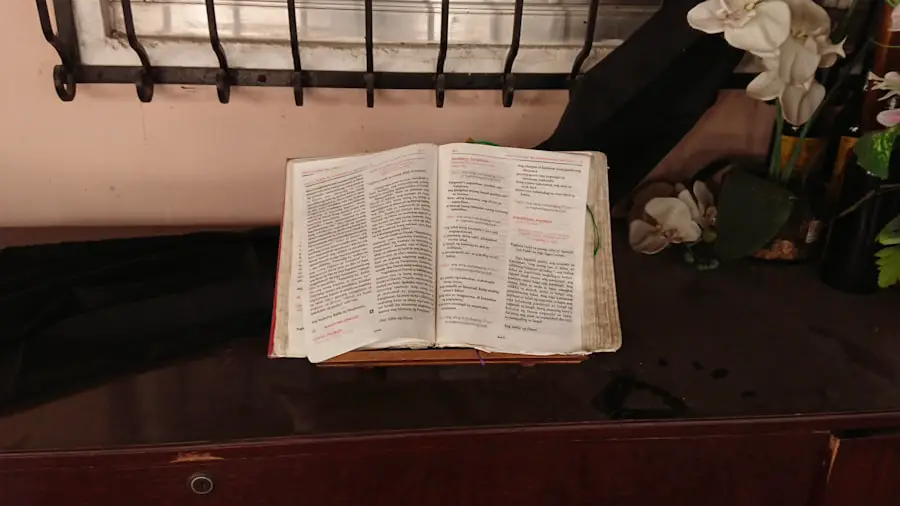
For some guests, a hotel-room Bible offers familiar reading during a stressful, lonely, or uncertain trip. A traveler may use it for prayer, reflection, or comfort. Other guests may ignore it completely, and some may prefer not to have a religious text in the room.
These reactions are personal. It is more accurate to say that a Bible may provide comfort than to claim that it has a universally positive effect. Hotels serve people with many beliefs, including guests who follow other religions and guests who are not religious.
The most guest-friendly approach is choice: make resources available without pressuring anyone to use them, and respond politely when a guest asks for a book to be removed or requests a different resource.
Controversies Surrounding Bibles in Hotels
The main debate is about inclusion. Supporters see an optional Bible as a traditional courtesy and a source of comfort. Critics may view an in-room Christian text as an unnecessary preference for one faith, especially when no comparable resources are available for other beliefs.
There is no reliable basis for claiming that Hilton, Marriott, or Best Western universally removed Bibles and then adopted the same front-desk policy. Large hotel groups include managed, franchised, independent, and region-specific properties, so practices can differ within a single brand family.
| Common policy | What it means for guests |
| Bible placed in each room | A physical copy is normally stored in a drawer or on a shelf. |
| Religious texts available on request | Guests ask the front desk for an available book. |
| Digital resources | The hotel may rely on apps, e-books, or guests’ own devices instead of printed texts. |
| No religious material | The property chooses a neutral room setup and may or may not help with a request. |
Does the Separation of Church and State Apply?
In the United States, the First Amendment’s Establishment Clause limits government establishment of religion. The U.S. Courts’ explanation of the First Amendment describes it as a restriction on government, not a general ban on religious expression by private businesses.
Therefore, a privately operated hotel does not normally violate the separation of church and state merely by accepting or displaying a Bible. Questions involving a government-owned lodging facility, public funding, discrimination, or local law could be more complex, but those situations are different from an ordinary private hotel room.
The Evolution of Bibles in Hotels
Hotel rooms have changed since the early 1900s. Guests now travel with smartphones, tablets, and instant access to religious texts in many languages. The Gideons, for example, offers a Bible app and online reading options in addition to printed books.
Hotels have also become more aware of cultural and religious diversity. Some properties keep the traditional Bible, some add other texts, some make resources available only on request, and some remove printed religious material from rooms altogether. These choices may reflect brand design, local expectations, guest feedback, storage needs, or a desire for a more neutral room.
Pro Tip: When a particular religious text matters to your stay, contact the hotel before arrival. Ask whether it is available in the room, at the front desk, or in digital form rather than assuming every property follows the same policy.
The Future of Bibles in Hotels
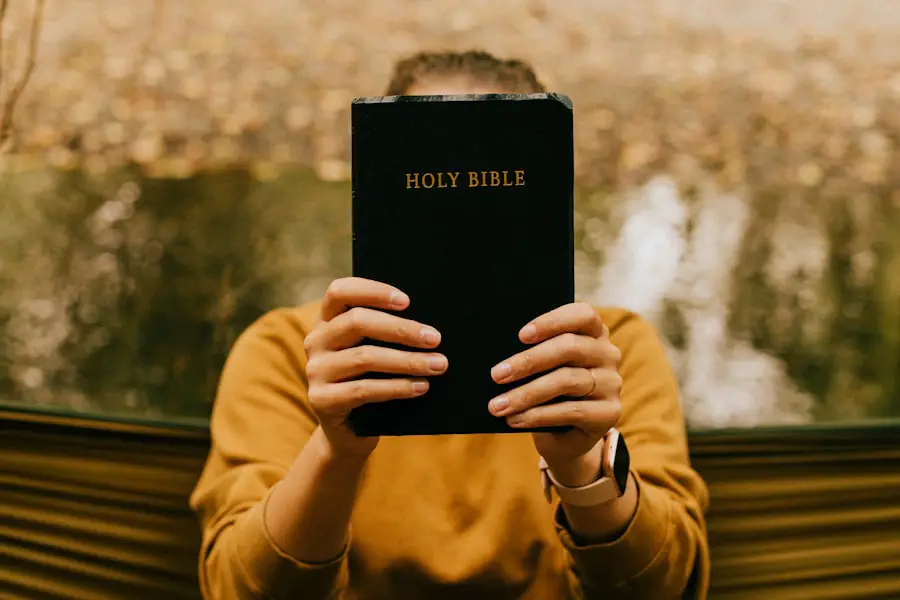
The Bible is unlikely to disappear from every hotel, but a single industry-wide practice is also unlikely. Traditional properties and faith-connected owners may continue placing printed copies in rooms. Other hotels may prefer request-only service, multiple faith resources, or digital access.
The clearest trend is toward property-level choice. Guests should expect differences between brands, countries, and even two hotels carrying the same flag. A neutral and respectful policy can serve both guests who value spiritual resources and guests who do not want them in their rooms.
The Role of Bibles in Hotels in Different Cultures and Countries
Religious amenities often reflect the place where a hotel operates. In a predominantly Christian market, a Bible may be familiar. In a predominantly Muslim market, a hotel may provide a Quran, prayer mat, or information about prayer direction. In religiously diverse or highly secular destinations, a property may offer several resources on request or none at all.
These are broad patterns, not universal rules. International chains often adapt to local law, ownership, culture, and guest expectations. Travelers should check directly with the property when they need a specific text or accommodation.
The Significance of Bibles in Hotels
The hotel-room Bible is significant because it sits at the meeting point of religion, travel, hospitality, and changing social expectations. Its original purpose was clear: make Christian Scripture available to travelers. More than a century later, the same object can feel comforting to one guest, irrelevant to another, and exclusionary to someone else.
Understanding the history helps remove much of the mystery. The books are usually there because an organization offered them and a hotel chose to accept them—not because hotels are legally required to provide them. As hospitality becomes more global, the strongest approach is simple: offer choice, avoid pressure, and respect each guest’s beliefs.
Frequently Asked Questions
What is the reason for having Bibles in hotel rooms?
The main reason is religious outreach. Organizations such as The Gideons International provide complimentary Bibles so travelers can read Scripture during their stay. A hotel chooses whether to accept and place them.
Which hotels typically have Bibles in their rooms?
There is no dependable list that applies to every property. Traditional full-service hotels, independently owned hotels, and properties that work with Bible-placement groups may provide them, but practices vary by brand, franchise owner, country, and individual hotel.
Are there different versions of the Bible in hotel rooms?
Yes. The version depends on the provider, language, country, and date of placement. Guests may encounter different English translations or a Bible in a local language. The Gideons’ digital resources currently include the King James Version and English Standard Version, along with many language options.
Are there other religious texts available in hotel rooms?
Sometimes. A hotel may provide a Quran, Book of Mormon, another sacred text, or a selection available through the front desk. Other properties provide only a Bible or no religious material. Availability depends on local culture and hotel policy.
Can guests request to have the Bible removed from their room?
Yes, you can ask the front desk or housekeeping to remove or store it during your stay. Hotels generally try to handle reasonable room requests, although the exact procedure depends on the property.
Are hotels required by law to keep Bibles in rooms?
No general U.S. law requires private hotels to provide a Bible. It is a voluntary amenity or outreach arrangement. Requirements and legal issues may differ in unusual settings or other countries, but an ordinary hotel normally decides its own policy.
Can you take a Bible from a hotel room?
Do not assume the book is a take-home gift. Some providers expect missing copies to be replaced, but the hotel may still treat the Bible as room property. Ask the front desk before taking it. Staff can tell you whether it is free to keep or help you obtain a personal copy.
Sources
- The Gideons International: About — founding date and the 1908 Superior Hotel milestone.
- The Hotel Bible Placement That Made History — details of the first 25-Bible hotel order.
- The Gideons International: Need Bibles? — complimentary placement in hotels and other facilities.
- The Gideons International: Read the Bible — digital Bible versions and language resources.
- United States Courts: First Amendment and Religion — the Establishment Clause’s focus on government action.
