

Last Updated on July 25, 2026 by Daniel Globe
“Hotel California” by Eagles is famous partly because it never gives listeners one simple answer. The song first appeared on the band’s Hotel California album in December 1976 and became a major single in 1977. Its strange hotel, glamorous setting, uneasy narrator, and sense of being trapped have inspired decades of debate about what the song really means.
Quick Answer
The meaning of “Hotel California” is broader than a story about a literal hotel. Don Henley has described it as a journey from innocence to experience and a look at the darker side of the American Dream, including excess, narcissism and the music business. Addiction is a popular interpretation, but not the song’s only meaning.
Key Takeaways
- Don Henley has linked “Hotel California” to America, the dark side of the American Dream, excess, narcissism and the music business.
- The hotel works as a symbol of something attractive that gradually becomes confining and difficult to escape.
- Addiction is a reasonable interpretation of the song, but the songwriters did not define it as only an addiction allegory.
- The mysterious hotel in the story is not a confirmed real hotel. The Beverly Hills Hotel appears on the album cover, but that does not make it the literal setting of the song.
- Don Felder, Don Henley and Glenn Frey are the credited songwriters, and the title track later won the GRAMMY for Record of the Year.
What Does “Hotel California” Mean?
The strongest starting point is the explanation given by Don Henley himself. In a CBS News interview, Henley described the song as a journey from innocence to experience. He said it was not really about California alone, but about America, excess, narcissism, the darker side of the American Dream and the music business.
That explanation is wider than many popular theories. The song can certainly remind a listener of addiction, toxic relationships or being trapped by fame, but those are interpretations of the central metaphor rather than the only official answer.
The central idea is a journey from attractive possibilities toward excess, disillusionment and the loss of innocence.
Note: There is no need to choose one narrow interpretation. Henley has acknowledged that the song can support many readings, which is one reason listeners continue to debate it.
Who Wrote “Hotel California”?
“Hotel California” is credited to Don Felder, Don Henley and Glenn Frey. The Recording Academy’s 20th Annual GRAMMY Awards record lists all three as the songwriters.
Felder developed the musical foundation that became the song, while Henley and Frey helped shape the lyrics and narrative. In a GRAMMY interview with Felder, he recalled that the long, unusual track did not initially seem like an obvious radio single. Its length, extended introduction and famous guitar ending made its eventual success all the more striking.
Analyzing the Story and Lyrics
The song follows a traveler who approaches an inviting place and gradually realizes that something is wrong. What first appears luxurious and welcoming becomes restrictive. That change drives the entire story.
The narrator does not simply encounter an obvious villain. Instead, he enters the setting willingly. That is why the idea of a “prison of our own device” is so important: the danger comes partly from choices, desires and temptations that appeared attractive at first.
This structure explains why the song works so well as a metaphor. Fame, wealth, pleasure, status or addictive behavior can all promise freedom before creating new forms of dependence.
However, the song does not tell readers to translate each character or object into one fixed real-world equivalent. Its dreamlike story is intentionally open enough to carry several related meanings.
Unraveling the Symbolism in the Song
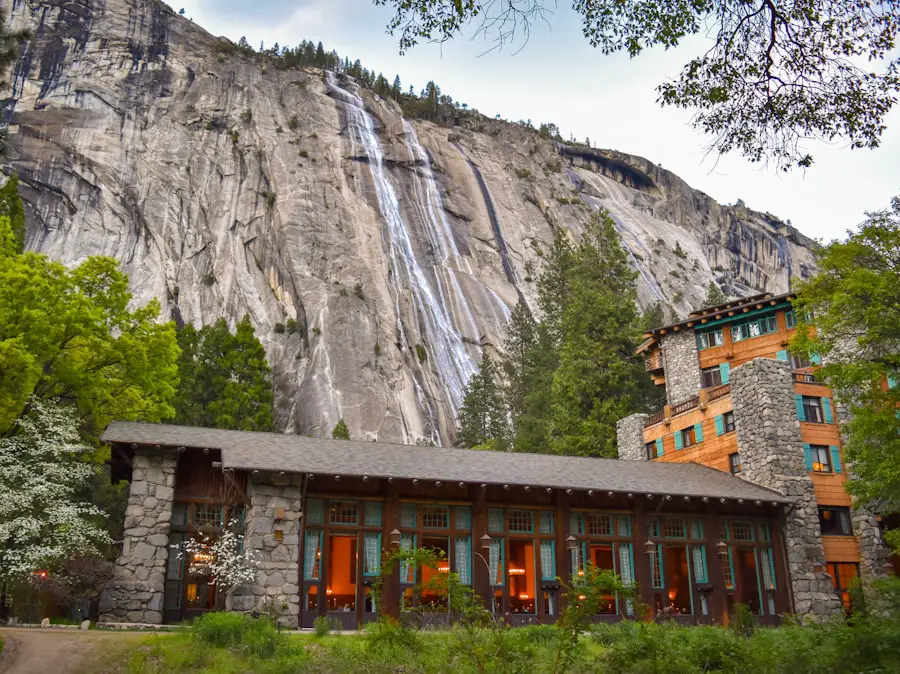
The hotel is the song’s central symbol. It offers comfort, beauty and pleasure, yet the traveler increasingly senses that the welcome comes with a price.
That makes the hotel a useful symbol for the darker side of success. The same place can look like paradise from the outside and feel like a prison from within. In Henley’s broader explanation, this connects with the American Dream: ambition and opportunity can turn into excess when possessions, pleasure or status become ends in themselves.
The hotel can also represent the music business. Fame promises attention, money and access, but success can create pressure, isolation and expectations that are difficult to escape. Henley has specifically identified the music business as one part of the song’s meaning, although not the whole meaning.
Paradise and Prison
The song repeatedly places attractive images beside unsettling ones. That contrast matters more than any single object. The traveler is drawn inward before realizing that leaving may be far harder than arriving.
This is why addiction interpretations remain popular. Addiction follows a similar pattern: something that initially offers pleasure or relief can gradually limit a person’s freedom. The comparison fits the story, but it should still be described as an interpretation rather than a confirmed one-to-one explanation.
The Dark Side of “Hotel California”: Major Themes
| Theme | How It Functions in the Song |
|---|---|
| Excess | Luxury and pleasure become signs of overindulgence rather than lasting satisfaction. |
| Entrapment | The narrator enters voluntarily but gradually feels unable to escape what he has entered. |
| Loss of innocence | An exciting new world turns darker as the narrator learns what lies beneath its surface. |
| Materialism | Status and abundance are presented as seductive but unable to provide genuine freedom. |
| Disillusionment | The fantasy of glamour gives way to unease when the narrator sees its hidden cost. |
Taken together, these themes make the song a cautionary tale about desire without limits. The traveler appears to have reached a place associated with pleasure and success, yet neither gives him the freedom he expected.
The song therefore works on both personal and cultural levels. A listener can hear a story about addiction or a destructive relationship, while another can hear a criticism of celebrity culture, materialism or the entertainment industry.
The Influence of the 1970s California Lifestyle
The Eagles were closely connected with the Southern California music world of the 1970s. Los Angeles offered artists fame, money, creative opportunity and a powerful image of success. At the same time, the era became associated with celebrity excess, drugs, intense competition and the pressures that accompanied rapid success.
That background helps explain why California works so well as the song’s setting. It represented a destination people traveled toward with expectations already shaped by movies, music and popular culture.
But Henley’s explanation makes an important distinction: the subject is larger than California. The state becomes a stage on which a broader American story can unfold—a dream of opportunity that can become an experience of excess and disillusionment.
The Rock & Roll Hall of Fame’s historical essay on Eagles likewise describes the title track as a powerful metaphor for the decadent mood of 1970s America and connects the album with a movement from innocence toward experience and disillusionment.
Is Hotel California a Real Place?
There is no verified real hotel that serves as the literal Hotel California described by the song’s narrator. The setting works primarily as a fictional and symbolic place.
That does not mean no real hotel is connected with the album. The building pictured on the famous front cover is the Beverly Hills Hotel. The cover image and the song’s fictional setting are separate things, and confusing the two has helped fuel decades of “real Hotel California” theories.
Various other buildings have also been claimed to be the mysterious hotel over the years. Those stories are interesting pieces of pop-culture folklore, but they should not be presented as established explanations of the song.
Theories and Speculations About the True Meaning

“Hotel California” attracts theories because its narrative is specific enough to feel meaningful but open enough to resist one literal explanation.
The Addiction Interpretation
One of the most common interpretations is addiction. Under this reading, the hotel represents a pleasurable experience that becomes difficult to leave. The narrator’s increasing lack of control fits the emotional pattern of dependency.
This interpretation is reasonable, especially because excess is part of Henley’s own description of the song. Still, no strong evidence shows that every character and image was designed as a code for a particular drug or stage of addiction.
The Music Industry Interpretation
This theory has stronger direct support. Henley has explicitly named the music business as one of the subjects behind the song.
The idea also fits the structure: a glamorous environment promises creative success, wealth and status, but the people who enter it may discover commercial pressure and a loss of personal freedom.
Even here, however, the song should not be reduced to “the music industry.” Henley’s explanation includes American culture and the American Dream more broadly.
Satanism, Psychiatric Hospitals and Other Myths
Over the decades, listeners have proposed much more literal explanations involving Satanism, secret cults, psychiatric hospitals and specific buildings. These stories have become part of the song’s folklore, but they lack convincing evidence from the songwriters.
Warning: Do not treat viral “hidden meaning” theories as established history unless they can be tied to a credible statement from the songwriters or another primary source.
What Does “Colitas” Mean?
“Colitas” is another detail that has generated debate. In Spanish, colita is a diminutive of cola, commonly meaning a small or little tail. In discussions of “Hotel California,” the word has also long been interpreted as a reference to cannabis buds.
That drug-related reading fits the atmosphere of 1970s excess that surrounds the song, but it does not prove that the entire song is about marijuana or addiction. It is better understood as one image within a much larger narrative.
Impact and Legacy of “Hotel California”
The song’s legacy is much easier to document than its many fan theories. “Hotel California” won Record of the Year at the 20th Annual GRAMMY Awards. The Recording Academy later inducted the song into the GRAMMY Hall of Fame in 2003 and the Hotel California album in 2008.
Eagles were also inducted into the Rock & Roll Hall of Fame in 1998, with “Hotel California” remaining one of the defining recordings in the band’s catalog.
The album has also continued to grow commercially. According to the Recording Industry Association of America, Hotel California reached 28 million certified U.S. album units on January 22, 2026.
Those milestones help explain why discussion of the song has lasted for decades. It is not simply a famous recording with a memorable guitar ending. Its story is ambiguous enough that each generation can recognize something different in the hotel.
The Enduring Enigma of the Song
The mystery of “Hotel California” survives because the song works without a strict decoder key. Its hotel can represent fame, material success, excess, the music industry or the broader American Dream. On a personal level, listeners may also recognize addiction, unhealthy relationships or other situations that become harder to leave than they were to enter.
The safest interpretation begins with what Henley actually said: the song describes a movement from innocence toward experience and examines the darker side of American ambition and excess. From there, the symbols remain open enough for listeners to find additional meanings.
That balance between a clear central theme and unresolved details is the song’s greatest strength. The hotel feels real while remaining symbolic, and its promise of pleasure gradually becomes a warning about what happens when desire, status and consumption begin to control the person pursuing them.
Despite its title, “Hotel California” is a song analysis rather than practical hotel or travel advice. Readers looking for literal travel-safety ideas can separately read this guide to a scarf with a hidden pocket for travel; it is not evidence for any interpretation of the Eagles song.
Frequently Asked Questions
What is the song “Hotel California” about?
Don Henley has described it as a journey from innocence to experience and a look at America, the dark side of the American Dream, excess, narcissism and the music business. The song deliberately leaves room for additional interpretations.
Is the Hotel California a real place?
No specific real hotel has been verified as the literal hotel in the song. The setting is primarily symbolic. The Beverly Hills Hotel appears on the album cover, but the cover location should not be confused with the fictional hotel in the lyrics.
What does the song’s idea that the traveler cannot truly leave mean?
It reinforces the theme of entrapment. Something that initially appears attractive can become controlling. That idea can apply to fame, excess, materialism, addiction or other choices that gradually reduce personal freedom.
What is the significance of “colitas” in “Hotel California”?
Colitas literally comes from the Spanish word for “tail” in diminutive form. In the context of the song, it has long been interpreted as cannabis-related slang. That interpretation fits the theme of excess, but it does not establish that the whole song is about drugs.
Who wrote “Hotel California”?
The credited songwriters are Don Felder, Don Henley and Glenn Frey. Felder developed the musical foundation, while Henley and Frey were central to shaping the lyrics and story.
Was “Hotel California” released in 1976 or 1977?
Both years appear because they refer to different stages of the release. The Hotel California album arrived in December 1976. The title track became a major single and No. 1 U.S. hit in 1977.
What is the cultural impact of “Hotel California”?
The song won the GRAMMY for Record of the Year and entered the GRAMMY Hall of Fame in 2003. The album entered the Hall of Fame in 2008 and reached 28 million certified U.S. album units according to the RIAA in January 2026.
Sources
- CBS News — Don Henley on the meaning of “Hotel California” — supports the songwriter’s explanation involving innocence, experience, America, excess, narcissism and the music business.
- Recording Academy — 20th Annual GRAMMY Awards — confirms the Record of the Year award and songwriter credits.
- Recording Academy — GRAMMY Hall of Fame Inspirations: Don Felder — supports the song’s creation history and GRAMMY Hall of Fame dates.
- Rock & Roll Hall of Fame — Eagles — supports the band’s 1998 induction and historical significance.
- Recording Industry Association of America — Gold & Platinum — supports the album’s January 22, 2026 certification at 28 million U.S. units.
