
Last Updated on September 10, 2026 by Daniel Globe
Hiking can support mental health because it combines physical activity, time in nature, a break from everyday demands, and—when you hike with others—social connection. Research does not show that every hike will prevent or treat a mental health condition, but it does support a more careful conclusion: walking and nature-based activities can reduce short-term stress and anxiety, improve mood, and help some people manage depressive symptoms.
Quick Answer
Hiking may improve mental health by combining exercise, nature exposure, focused attention, and a sense of progress. Studies on walking and nature-based activities report improvements in stress, anxiety, mood, and depressive symptoms. Hiking is best viewed as a supportive wellness habit or add-on to treatment—not a replacement for professional mental health care.
Key Takeaways
- Physical activity can reduce short-term feelings of anxiety and supports long-term brain and physical health.
- Nature exposure may add restorative benefits, including lower perceived stress and less rumination.
- Evidence is strongest for walking and nature-based activity in general; fewer studies test ordinary recreational hiking by itself.
- Group hiking can add social connection, while solo hiking can provide quiet time for reflection when done safely.
- Start with an easy, realistic route and treat hiking as one part of a broader mental health routine.
Disclosure: As an Amazon Associate I earn from qualifying purchases. Some links on this page are affiliate links, at no extra cost to you.
Why Nature and Movement Can Affect Mental Health
The relationship between nature and mental health has received growing research attention. A large 2026 review of nature-based interventions found overall reductions in anxiety, depressive symptoms, negative affect, and other negative outcomes compared with control conditions. The authors also warned that study methods and comparison groups varied widely, so the results should not be read as proof that one specific outdoor activity works the same way for everyone. The 2026 Nature Human Behaviour review provides the broadest recent summary.
Natural environments may help by giving attention a break from traffic, screens, work demands, and other sources of mental load. Trees, water, wildlife, changing light, wind, and other sensory details can also make it easier to focus on what is happening in the present moment. The “biophilia” idea proposes that humans have an affinity for living systems and natural settings, but it is best treated as a hypothesis rather than a complete explanation for the mental health effects of nature.
Exercise adds a second pathway. The U.S. Centers for Disease Control and Prevention notes that a single session of moderate-to-vigorous physical activity can reduce feelings of anxiety, while regular activity has broader benefits for brain health, sleep, cardiovascular health, muscles, and bones. Exercise affects many brain and body systems; describing the benefit as simply an “endorphin rush” is an oversimplification.
The Physical and Psychological Benefits of Exercise
Hiking is a form of physical activity that can range from a gentle walk on a level path to sustained climbing on steep terrain. It can challenge the heart, lungs, legs, balance, and coordination while also providing a goal to work toward. Finishing a route, reaching a viewpoint, or simply keeping a planned appointment with yourself can create a useful sense of accomplishment.
Walking research also supports mental health benefits. A 2024 systematic review and meta-analysis included 75 randomized controlled trials with 8,636 participants. Compared with inactive controls, walking was associated with lower depressive and anxiety symptoms in adults. The review did not find a clear advantage over other active control conditions, which is an important reminder that part of the benefit may come from being physically active rather than from hiking alone. Read the 2024 walking meta-analysis.
The best-supported message is not that hiking “cures” anxiety or depression, but that movement and nature can be useful, low-cost supports for mood and stress management.
The Impact of Nature on Stress Reduction
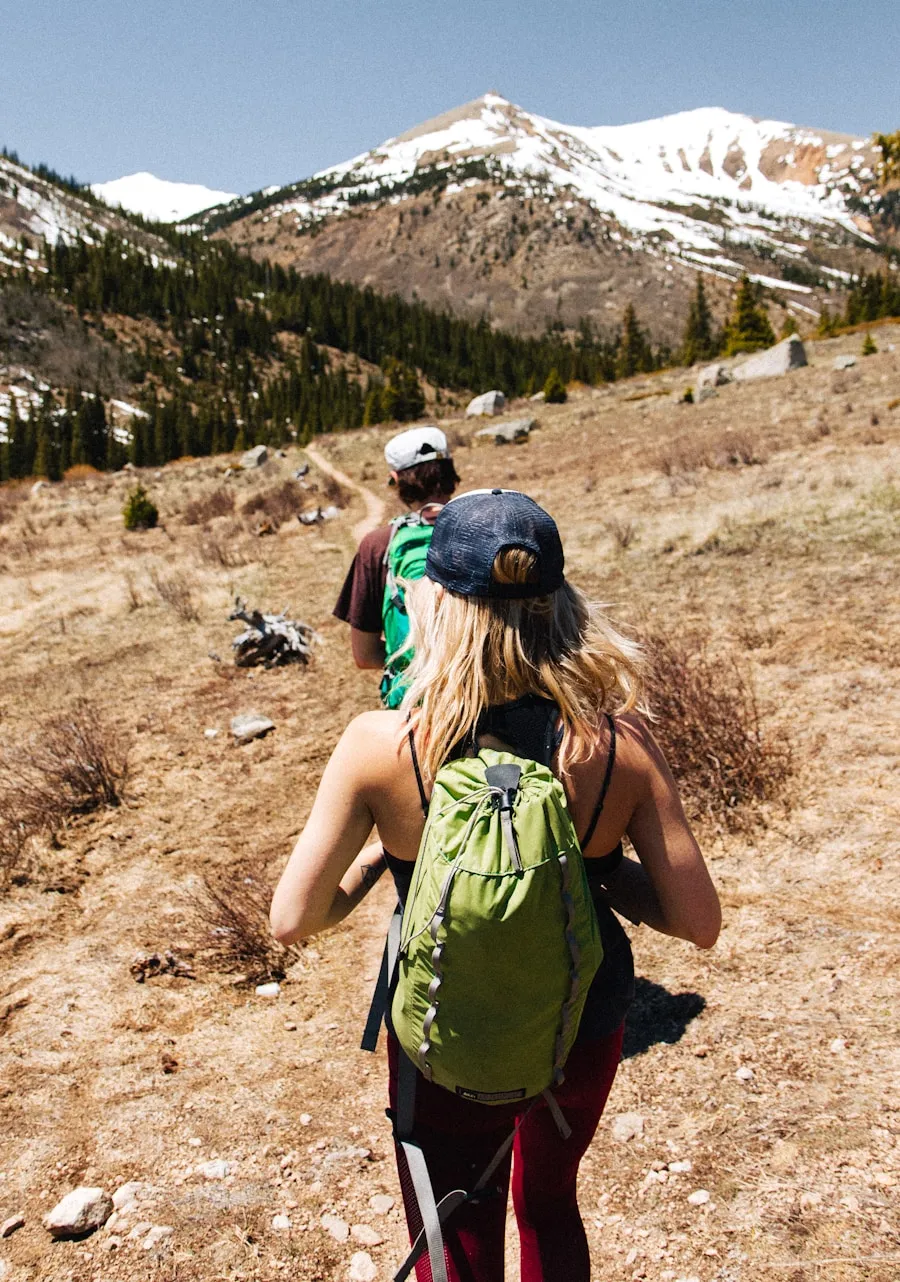
Nature exposure can be calming, but the evidence is more nuanced than saying that green space always lowers the stress hormone cortisol. Reviews of cortisol research have found promising results alongside substantial differences in study design, timing, setting, and measurement. A 2021 scoping review of green-space interventions and cortisol concluded that nature-based interventions may support stress relief, while calling for more rigorous research.
What people notice more consistently is a change in perceived stress or emotional state. A quieter trail can provide distance from deadlines, alerts, traffic, and other demands. That pause may make it easier to slow breathing, notice surroundings, and interrupt repetitive thought patterns.
Hiking and Its Effect on Anxiety and Depression
The original evidence table overstated what several named studies showed. The corrected table below uses research that can be verified and distinguishes walking, nature walking, and broader nature-based interventions from recreational hiking itself.
| Study | Sample | Anxiety Finding | Depression Finding |
|---|---|---|---|
| Grassini systematic review and meta-analysis (2022) | 7 eligible nature-walk studies; 6 experiments used in the pooled analysis | Nature-walk interventions improved anxiety outcomes overall. | Nature-walk interventions improved depressive symptoms overall, although the evidence base was small. |
| Xu et al. walking meta-analysis (2024) | 75 randomized trials; 8,636 participants | Walking reduced anxiety symptoms versus inactive controls; results were similar to active controls. | Walking reduced depressive symptoms versus inactive controls; results were similar to active controls. |
| Saeedy Robat et al. umbrella review (2026) | 116 systematic reviews; 30 reviews in the second-order meta-analysis | Nature-based interventions reduced anxiety versus controls overall. | Nature-based interventions reduced depressive symptoms versus controls overall; varied methods limit claims about any single activity. |
A well-known Stanford experiment is also useful, but it should be described accurately. In 2015, researchers randomly assigned 38 healthy adults to a 90-minute walk in either a natural or urban environment. The nature group reported lower rumination and showed lower activity in a brain region studied in relation to repetitive negative thinking. The study did not show that a 90-minute hike treated diagnosed depression or anxiety. See the original PNAS study.
More directly, a 2022 randomized study of 37 psychiatric outpatients with major depressive disorder found that a single 60-minute nature walk produced lower overall negative affect than an urban walk, although positive affect did not differ between groups. This supports the idea that nature walking can be a useful addition to care, while also showing why claims should stay specific to the outcomes actually measured. Read the randomized nature-walk study.
Note: Hiking can support well-being, but it is not a substitute for diagnosis or treatment. The National Institute of Mental Health lists psychotherapy, medication, or both as common treatments for depression. If symptoms persist, worsen, or interfere with daily life, talk with a qualified health professional.
The Role of Hiking in Improving Mood and Well-Being
Hiking can improve mood through several overlapping experiences: movement, fresh surroundings, a defined goal, changes in scenery, and time away from routine stressors. Some people also find that navigating hills or completing a route strengthens self-efficacy—the sense that they can take action and handle a challenge.
That feeling of progress can be useful when daily life feels repetitive or overwhelming. A short nature walk may offer an achievable goal, while a longer hike can provide a larger challenge for someone who already has the fitness and experience for it. The mental health value is not tied to reaching a summit. A flat park path, accessible greenway, or slow forest walk can provide many of the same ingredients.
Claims about major gains in creativity or cognitive function should be kept modest. Nature breaks and walking may support attention and give people space to think, but those effects vary by person and task. The more reliable benefits in the current evidence are lower stress, better mood, and reductions in some anxiety and depressive symptoms.
The Social Benefits of Hiking
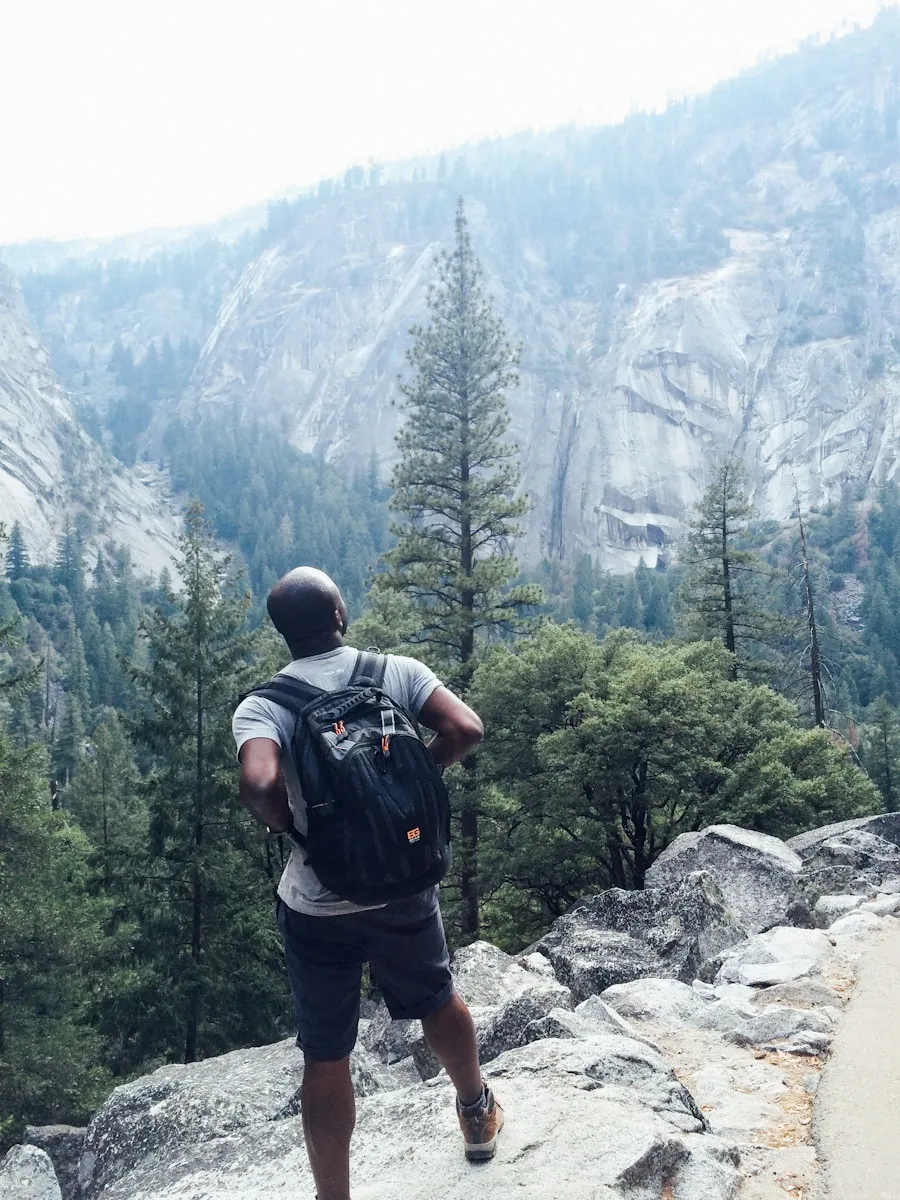
Hiking is not only a solitary activity. Walking with a friend, family member, club, or community group can create regular social contact while giving everyone something to do together. That can make conversation feel easier than a face-to-face meeting and can help people stay accountable to a plan.
Group hiking may be especially appealing to someone who wants connection and encouragement. Solo hiking, on the other hand, can provide quiet reflection and independence. Neither option is automatically better for mental health. The best choice depends on personality, trail conditions, safety, and what the person needs that day.
Shared outdoor experiences can also build memories and a sense of belonging. Still, hiking should not be framed as a treatment for loneliness, grief, trauma, or another specific condition without context. It may be one supportive activity within a larger plan that includes trusted relationships and, when needed, professional care.
Mindfulness and Hiking
Mindfulness means paying attention to the present moment without immediately judging what you notice. Hiking naturally provides sensory cues that can support this practice: footsteps, breathing, birds, wind, changing light, tree bark, water, or the feel of the trail underfoot.
You do not need to meditate for the entire hike. Try a simple five-minute reset: put away nonessential notifications, slow your pace, notice five things you can see, four things you can hear, and the physical sensation of each step. If your mind wanders, return attention to breathing and the trail.
Pro Tip: Choose one short stretch of the hike to be deliberately phone-free while keeping your device available for navigation or emergencies. A few focused minutes are more realistic than trying to force a perfectly mindful hike.
How Much Hiking Is Needed for Mental Health Benefits?
There is no clinically established hiking “dose” that guarantees a mental health benefit. Studies vary from single 30- to 90-minute nature walks to multiweek programs, and people respond differently. That means a practical routine should be based on consistency, safety, and enjoyment rather than chasing a precise mileage target.
For a beginner, a 20- to 30-minute walk on an easy, familiar route can be enough to test how outdoor movement affects mood and stress. If that feels good, gradually add time, terrain, or frequency. For general physical health, hiking can also count toward the broader weekly activity goals in the Physical Activity Guidelines for Americans.
Tips for Incorporating Hiking Into a Mental Health Routine
The most useful routine is one you can repeat without turning it into another source of pressure. Start small and make the plan specific.
- Pick an easy starting route. Choose a nearby park, greenway, or trail that matches your current fitness and mobility.
- Set a realistic frequency. One dependable walk each week is more useful than an ambitious schedule you quickly abandon.
- Use a comfortable pace. You do not need a strenuous climb to get mental health benefits from movement or nature.
- Add one mindful pause. Stop briefly to notice sounds, light, temperature, breathing, or the view.
- Track how you feel. Before and after the hike, rate stress or mood from 0 to 10. Over several weeks, look for patterns rather than judging a single outing.
- Invite someone when connection would help. A friend or hiking group can add conversation, motivation, and practical safety.
- Adjust instead of quitting. On low-energy days, use a shorter route or an accessible local path rather than forcing a difficult hike.
Choose the Right Environment
A restorative hike does not have to be remote. City parks, river paths, beaches, botanical gardens, wooded neighborhoods, and accessible trails can all provide outdoor movement and sensory variety. Some people prefer quiet forest settings; others feel safer and more relaxed on popular, well-marked routes.
Weather and climate also affect the experience. Heat, humidity, heavy rain, smoke, ice, or severe weather can turn a calming outing into a stressful or unsafe one. If hiking is part of a trip, plan around local conditions. For example, our seasonal guide to Singapore can help travelers think about weather timing; the same principle applies when planning outdoor activities in destinations such as Cancun or Hawaii.
Hiking Safety Matters for Mental Well-Being
A hike is unlikely to feel restorative if you are lost, dehydrated, caught in severe weather, or pushed beyond your ability. The National Park Service Hike Smart guidance recommends choosing a route that fits your abilities, checking weather and alerts, leaving a trip plan, and carrying appropriate essentials.
Warning: Do not use a difficult or remote hike as a substitute for urgent mental health care. If you feel unable to keep yourself safe, are in immediate danger, or are having thoughts of self-harm, seek immediate local emergency or crisis support rather than going out alone.
For routine hikes, carry water, food appropriate to the outing, navigation, weather protection, and a light source when conditions call for them. Tell someone where you are going on remote routes. People with medical conditions, limited mobility, or little hiking experience should choose routes that match their needs and consider discussing strenuous plans with a health professional.
What Hiking Can—and Cannot—Do for Mental Health
Hiking can be a useful self-care tool because it combines several behaviors that are already associated with well-being: movement, time outdoors, focused attention, goal-setting, and social connection. It may reduce stress in the moment and make it easier to maintain an active routine.
What it cannot do is guarantee recovery from anxiety, depression, trauma, grief, or another mental health condition. Symptoms can have biological, psychological, social, and medical causes that require individualized care. Hiking can sit alongside therapy, medication, sleep, social support, and other evidence-based care rather than competing with them.
Frequently Asked Questions
What is hiking?
Hiking is outdoor walking on trails, paths, or natural terrain. It can range from an easy park walk to a long, steep mountain route, so intensity and accessibility vary widely.
How does hiking improve mental health?
Hiking combines physical activity, nature exposure, focused attention, and a sense of progress. Research on walking and nature-based activities suggests these factors can reduce stress and anxiety, improve mood, and support people experiencing depressive symptoms.
What are the psychological benefits of hiking?
Possible benefits include lower perceived stress, improved mood, less repetitive negative thinking, greater self-efficacy, social connection, and time for reflection. Claims about large improvements in creativity or cognition are less certain and should not be treated as guaranteed effects.
How does hiking affect stress levels?
A hike can reduce perceived stress by combining movement with time away from everyday demands. Some nature studies also report changes in physiological stress markers such as cortisol, but those findings vary by study and should not be presented as universal.
Can hiking help with anxiety and depression?
It can help some people manage symptoms. Meta-analyses of walking, nature walks, and broader nature-based interventions report benefits for anxiety and depressive symptoms. Hiking should be used as a supportive habit or treatment add-on, not as a guaranteed cure or a replacement for professional care.
Which mental health conditions may benefit from hiking?
Research most often examines stress, anxiety, depressive symptoms, mood, or broader well-being. Structured hiking has also been studied as an add-on in some clinical populations. Evidence is not strong enough to say that ordinary hiking treats every condition, including trauma- or grief-related problems.
How long should I hike for mental health benefits?
There is no single proven minimum. Studies have used outings from roughly 30 to 90 minutes as well as multiweek programs. Beginners can start with a short, easy walk and build gradually based on fitness, safety, and enjoyment.
Is hiking better alone or with other people?
Both can be useful. Solo hiking may provide quiet and reflection, while group hiking adds social contact and accountability. Safety should guide the choice, especially on remote or difficult routes.
Sources
- Nature Human Behaviour (2026): systematic overview and second-order meta-analysis of nature-based interventions — supports the latest broad evidence on anxiety, depressive symptoms, stress, and study limitations.
- JMIR Public Health and Surveillance (2024): walking, depression, and anxiety meta-analysis — supports the effects of walking versus inactive and active controls.
- Journal of Clinical Medicine (2022): nature-walk meta-analysis — supports nature walking as a mental health intervention while showing the small evidence base.
- PNAS (2015): Stanford nature walk and rumination study — supports the corrected 38-participant, 90-minute nature-walk finding.
- National Institute of Mental Health: Depression — supports treatment and self-care guidance.
- National Park Service: Hike Smart — supports trail planning and hiking-safety guidance.

