
Last Updated on September 10, 2026 by Daniel Globe
Singapore is warm, humid, and rainy in every month, so the best time to visit depends on what matters most to you. Late February through March usually offers the best balance of lower rainfall and strong sunshine, while major festivals, the Formula 1 race, and year-end celebrations can make other dates more appealing.
Quick Answer
For the best weather balance, visit Singapore from late February through March. February is the driest month in the long-term climate record, while March has abundant sunshine. Rain is still possible at any time, so pack a small umbrella. For festivals or Formula 1, plan around the event calendar instead.
Key Takeaways
- Singapore has no true dry season; hot, humid weather and sudden rain are possible year-round.
- Late February through March is usually the best weather window for sightseeing and outdoor plans.
- November through January is generally wetter, with December recording the highest long-term monthly rainfall.
- Major holidays and events can raise hotel prices and crowd levels, even during months that are otherwise quieter.
- Plan outdoor activities for early morning or late afternoon, and check rain, UV, heat-stress, and haze updates before leaving.
At a Glance
| Best Overall Weather | Late February through March |
| Driest Month | February, based on 1991–2020 climate normals |
| Wetter Period | November through January |
| Best Time of Day Outdoors | Early morning or late afternoon |
| Major Event Periods | Chinese New Year, National Day, Formula 1, and Christmas/New Year |
| Essential Packing | Compact umbrella, breathable clothes, SPF 30+ sunscreen, water bottle, and comfortable shoes |
Disclosure: As an Amazon Associate I earn from qualifying purchases. Some links on this page are affiliate links, at no extra cost to you.
Understanding Singapore’s Weather
Singapore sits near the equator and has a tropical climate with abundant rain, high humidity, and little month-to-month temperature change. The Meteorological Service Singapore reports typical nighttime lows of about 23°C to 25°C (73°F to 77°F) and daytime highs of about 31°C to 33°C (88°F to 91°F).
Singapore averages about 171 rain days a year and 2,113.3 mm of annual rainfall, based on the 1991–2020 climate record.
There is no distinct wet or dry season. Instead, Singapore has two monsoon seasons separated by two inter-monsoon periods. These patterns affect when rain is most likely, how long it may last, and whether thunderstorms arrive in the afternoon or before sunrise.
Northeast Monsoon: December to Early March
The early Northeast Monsoon, usually from December to early January, is the wetter phase. Monsoon surges can bring widespread rain that lasts much longer than a brief tropical shower. Late January through early March is generally drier and windier, with February standing out as the driest month in the long-term record.
First Inter-Monsoon Period: Late March to May
Winds become lighter and more variable. Hot afternoons are common, and thunderstorms can develop in the afternoon or early evening. April and May are suitable for travel, but they often feel hotter than February and March.
Southwest Monsoon: June to September
This period often brings short afternoon showers and occasional Sumatra squalls, which can arrive from before dawn through midday with strong wind and heavy rain. July through September generally receives less rain than November and December, but the Southwest Monsoon also carries a greater risk of regional haze.
Second Inter-Monsoon Period: October to November
Afternoon and early-evening thunderstorms become common again. This inter-monsoon period is usually wetter than the one in April and May, and November can be both wet and very warm.
Best Time to Visit Singapore Overall
Late February through March is the strongest all-around choice for most visitors. February has the lowest long-term average rainfall, while February and March have the highest average sunshine hours. This window works well for walking tours, gardens, waterfront areas, and day trips that depend on outdoor time.
That does not mean the weather will stay dry. Singapore can receive a heavy shower in any month, and afternoon heat remains a factor. A flexible plan with nearby indoor alternatives is more useful than trying to find a rain-free week.
Pro Tip: Schedule your most weather-sensitive activity for the first full morning of your trip. If rain disrupts it, you still have time to move it to another day.
Singapore Month-by-Month Weather Guide
The rainfall figures below are monthly climate normals from Singapore’s Changi climate station for 1991–2020. They are planning averages, not forecasts for a specific trip.
| Month | Average Rainfall | What to Expect |
| January | 221.6 mm | Wetter and slightly cooler; monsoon surges may bring prolonged rain. |
| February | 105.1 mm | The driest month on average and one of the best for outdoor sightseeing. |
| March | 151.7 mm | Sunny and increasingly hot, with growing afternoon storm chances. |
| April | 164.3 mm | Hot inter-monsoon weather with afternoon and evening thunderstorms. |
| May | 164.3 mm | The warmest month by 24-hour mean temperature; plan frequent indoor breaks. |
| June | 135.3 mm | Southwest Monsoon begins; short showers and early-day squalls are possible. |
| July | 146.6 mm | Warm and breezy at times; watch for squalls and regional haze updates. |
| August | 146.9 mm | Good for National Day events, with brief showers and possible haze. |
| September | 124.9 mm | Relatively low rainfall on average, though event dates and haze can affect plans. |
| October | 168.3 mm | Stormier inter-monsoon weather; Formula 1 can increase demand in race week. |
| November | 252.3 mm | One of the wetter months, with frequent thunderstorms and occasional intense heat. |
| December | 331.9 mm | The wettest month on average, with festive crowds and possible prolonged rain. |
Best Time to Visit for Festivals and Events
Singapore’s multicultural calendar can be a better reason to choose travel dates than the weather alone. Religious and lunar festivals move from year to year, so always check the official calendar before booking.
Chinese New Year
Chinese New Year usually falls in January or February. Chinatown fills with lights, seasonal markets, performances, and festive food. In 2026, the public holidays were February 17 and 18; in 2027, they fall on February 6 and 7. Accommodation demand may rise around the holiday and major celebrations.
Hari Raya Aidilfitri
Hari Raya Aidilfitri, also called Hari Raya Puasa in Singapore, marks the end of Ramadan. Geylang Serai is known for festive lights, bazaars, food, and cultural activity in the weeks leading up to the holiday. The date moves earlier each solar year: it fell on March 21 in 2026 and is listed for March 10 in 2027 on Singapore’s official public-holiday calendar.
National Day
Singapore celebrates National Day on August 9. Fireworks, flags, rehearsals, and public events create a lively atmosphere around Marina Bay and other parts of the city. Expect heavier demand near major viewing areas.
Singapore Grand Prix
The Singapore Grand Prix is one of the city’s largest annual events. The 2026 Formula 1 Singapore Grand Prix is scheduled for October 9–11. Hotels near Marina Bay and the race circuit can become expensive or sell out well before race weekend.
Singapore Food Festival and Other Events
The Singapore Food Festival showcases local chefs, heritage dishes, and modern Singaporean cuisine, but its timing has changed across different years. Check the official Singapore Tourism Board event page rather than assuming it will take place in July. Deepavali, Christmas light-ups, arts events, and concerts can also shape crowd levels and hotel rates.
Ideal Weather for Outdoor Activities
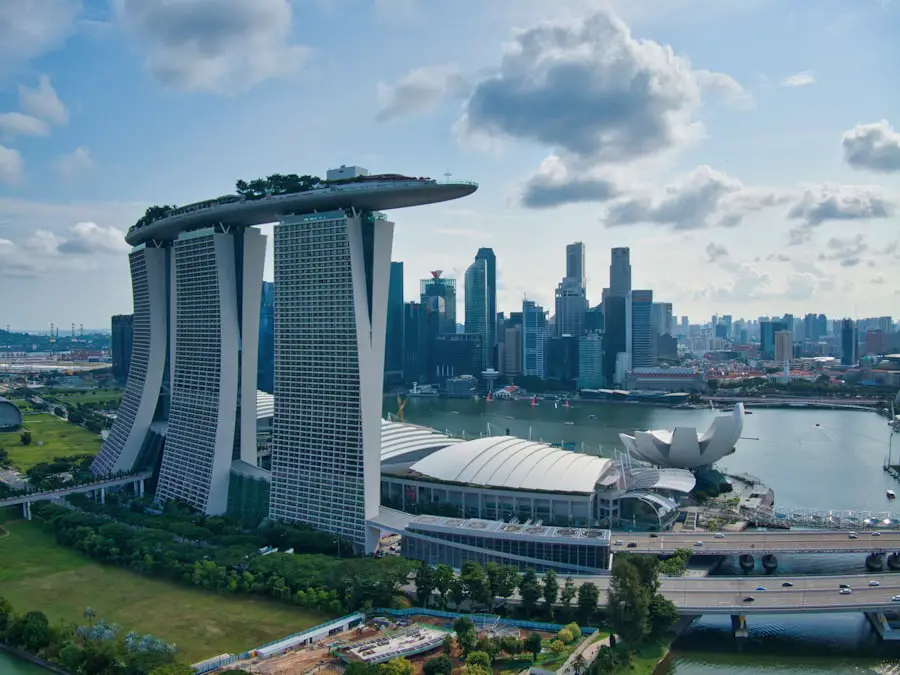
Singapore offers many outdoor experiences, including cycling at East Coast Park, walking in the Singapore Botanic Gardens, exploring Bukit Timah Nature Reserve, and visiting the waterfront around Marina Bay. Late February and March give you the best chance of combining lower rainfall with strong sunshine, but early starts matter in every season.
Best Time of Day
Plan longer walks and nature visits for early morning. Late afternoon and evening can also be comfortable, although thunderstorms often develop later in the day during the inter-monsoon periods. Midday is better for museums, malls, indoor gardens, and meals.
Build a Rain Backup Into Each Day
Keep one nearby indoor option for every major outdoor stop. For example, pair Marina Bay with an indoor attraction or shopping center, and combine a garden visit with a conservatory or museum. A short shower may pass quickly, but Northeast Monsoon surges can produce rain that lasts much longer.
Warning: Do not continue a hike, cycle ride, beach visit, or rooftop activity during a thunderstorm. Move into a substantial building, check the official forecast, and wait until conditions improve.
Off-Peak Travel for Budget-Friendly Options
Singapore does not have one guaranteed low-cost season. Prices change around school holidays, public holidays, concerts, conventions, Formula 1, and year-end celebrations. Flexible weekday dates outside major event periods usually offer a better chance of finding value than choosing a month based on weather alone.
| Transportation or Booking Type | What Off-Peak Travel Really Changes |
| Bus and MRT | Standard fares are mainly distance-based, not season-based. Traveling outside weekday commute periods can mean less crowding and an easier ride. |
| Flights | Airfares may be lower outside public holidays, school breaks, and major event weekends, but prices depend on your route and booking date. |
| Hotels | Rates can rise sharply during Formula 1, Chinese New Year, major conventions, and the Christmas/New Year period. Compare several nearby date combinations. |
| Car Rental | Rental rates vary, but most visitors do not need a car because public transport is extensive. Parking, road charges, and city traffic can add cost and complexity. |
To save money, compare hotel prices before buying flights, avoid checking in on a major event weekend, and consider neighborhoods one or two MRT stops away from the busiest tourist zones. Hawker centers, public gardens, and efficient transit make it possible to enjoy Singapore without a luxury budget.
Traveling During Singapore’s Busiest Periods
Crowds are often heavier around Chinese New Year, the June and December school-holiday periods, National Day events, Formula 1, Christmas, and New Year. The exact pattern changes each year because event dates move and large conventions or concerts can affect a specific weekend.
Busy periods can still be excellent times to visit because the city adds decorations, performances, special menus, and public celebrations. The trade-off is higher demand for central hotels, popular restaurants, and timed-entry attractions.
Pro Tip: Reserve a refundable hotel rate early for a major event, then check prices again before the cancellation deadline. You may be able to rebook at a better rate if inventory changes.
Special Considerations for Traveling with Children
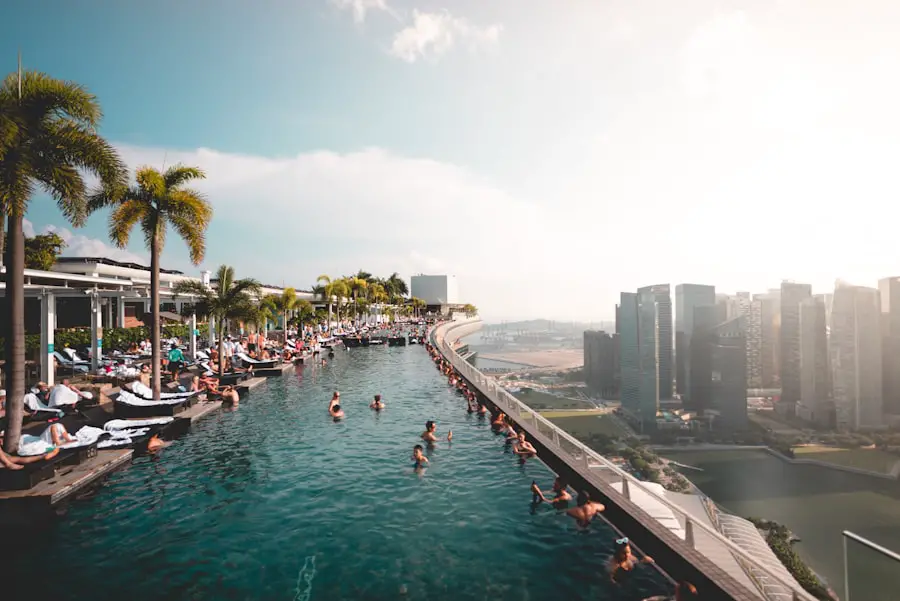
Singapore is well suited to family trips, but heat, UV exposure, and sudden rain can tire young children quickly. Carry water, use sun protection, and alternate outdoor attractions with air-conditioned stops. The Singapore Zoo, Singapore Oceanarium, Science Centre Singapore, indoor play spaces, and the conservatories at Gardens by the Bay make it easy to adjust a day when the weather changes.
The public transport system is stroller-friendly. The Land Transport Authority states that public buses and trains are wheelchair accessible, train stations and bus interchanges have barrier-free routes, and open strollers that meet the size rules may be brought on board. Use lifts instead of escalators with a stroller, engage the brakes, and keep aisles and doors clear.
Note: Children may need more breaks than expected in Singapore’s humidity. A shorter morning activity followed by lunch and an indoor stop is often easier than a full day outdoors.
Tips for Beating the Heat and Humidity
- Start early: Visit parks, gardens, and outdoor viewpoints in the morning before the strongest heat builds.
- Avoid peak UV hours: Singapore’s National Environment Agency says UV levels are usually highest from 11 a.m. to 3 p.m. Use at least SPF 30 sunscreen, seek shade, and wear a hat and UV-blocking sunglasses.
- Drink water regularly: Carry a refillable bottle and take extra breaks during long walks.
- Wear breathable clothing: Lightweight, quick-drying clothes are more comfortable than heavy fabrics.
- Use air-conditioned breaks: Malls, museums, MRT stations, and indoor attractions provide relief without ending your sightseeing day.
- Check current conditions: Review the rain forecast, UV Index, heat-stress information, and air-quality readings before outdoor exercise.
Note: Haze is more likely during the Southwest Monsoon from June to September, although it does not occur every year. Use official PSI and PM2.5 readings to decide whether to shorten strenuous outdoor activities.
What to Pack for Singapore
- A compact umbrella or lightweight rain jacket
- Breathable, quick-drying shirts and shorts or trousers
- Comfortable walking shoes with good grip for wet pavement
- SPF 30 or higher sunscreen, a hat, and sunglasses
- A refillable water bottle
- A light layer for strongly air-conditioned indoor spaces
- A small waterproof pouch for your phone and documents
- A power bank for maps, tickets, photos, and transport apps
A dependable battery is especially useful on long sightseeing days. This guide to 3 portable phone chargers you need for your next getaway can help you choose one before your trip.
Making the Most of Your Singapore Trip
The best time to visit Singapore is not a single fixed season. Late February through March offers the most reliable weather balance, while festival lovers may prefer Chinese New Year, Hari Raya, National Day, Formula 1, or the year-end celebrations. Budget travelers should focus on event-free weekdays and flexible hotel dates rather than assuming one month is always cheapest.
Whatever dates you choose, expect heat, humidity, and at least some chance of rain. Start outdoor days early, keep an indoor backup nearby, and check official weather and event updates. With that simple preparation, Singapore remains easy to explore in every month of the year.
Frequently Asked Questions
What is the best time to visit Singapore?
Late February through March is usually the best time for a balance of lower rainfall and strong sunshine. February is the driest month in the 1991–2020 climate record, but rain can still occur.
Does Singapore have a dry season?
No. Singapore receives rain throughout the year and has no distinct dry season. February is the driest month on average, while November through January is generally wetter.
What is the rainiest month in Singapore?
December is the rainiest month in the 1991–2020 Changi climate normals, with average monthly rainfall of 331.9 mm. Monsoon surges can also bring prolonged rain in December and January.
Is September a good month to visit Singapore?
September has relatively low average rainfall, so it can be a good month for sightseeing. However, Southwest Monsoon squalls and regional haze are possible, and major event dates may affect hotel prices.
When is the cheapest time to visit Singapore?
There is no guaranteed cheapest month. Look for weekday stays outside public holidays, school breaks, Formula 1, major conventions, and Christmas/New Year. Compare hotel prices across several nearby date combinations.
When is the Singapore Grand Prix in 2026?
The 2026 Formula 1 Singapore Grand Prix is scheduled for October 9–11. Book accommodation early if you want to stay near Marina Bay or the street circuit.
What should I wear in Singapore?
Wear lightweight, breathable clothing and comfortable walking shoes. Carry a small umbrella, sunscreen, sunglasses, and a light layer for heavily air-conditioned indoor spaces.
Sources
- Meteorological Service Singapore: Climate of Singapore — monsoon timing, temperature, humidity, rainfall, rain days, and monthly climate normals
- Singapore Ministry of Manpower: Public Holidays — official 2026 and 2027 holiday dates
- Formula 1: Singapore Grand Prix 2026 — official 2026 race dates
- National Environment Agency: Ultraviolet Index — UV timing and sun-protection advice
- HealthHub Singapore: How to Protect Yourself Against the Haze — Southwest Monsoon haze risk and activity guidance
- Land Transport Authority: An Inclusive Public Transport System — stroller access and barrier-free public transport


1 Comment
Pingback: The Mental Health Benefits Of Hiking