

Last Updated on July 31, 2026 by Daniel Globe
Few rock songs have inspired as much debate as the Eagles’ “Hotel California.” Its story follows a tired traveler who enters an attractive but unsettling hotel and slowly realizes that leaving may not be easy. The setting is fictional and symbolic, allowing the song to examine ambition, excess, temptation, disillusionment, and the loss of innocence.
Quick Answer
The Eagles’ “Hotel California” is best understood as an allegory about the darker side of the American dream: glamour, excess, narcissism, the music business, and lost innocence. Don Henley has said it is not literally about California or one real hotel, and its symbols intentionally allow more than one interpretation.
Key Takeaways
- Don Henley described the song as a journey from innocence to experience and an exploration of the darker side of the American dream.
- The hotel is a fictional symbol, not a confirmed real property.
- Fame, materialism, addiction, and the music industry are valid interpretations, but no single one explains every image.
- The narrator is attracted by luxury before recognizing that the same environment has become a trap.
- The song’s ambiguity is intentional and is a major reason listeners continue to debate it.
What the Eagles Said “Hotel California” Means
The most reliable starting point is Don Henley’s own explanation. In a CBS News interview, Henley called the song a “journey from innocence to experience.” He said it was not really about California alone but about America, including excess, narcissism, the music business, and the darker side of the American dream.
That explanation is broader than the claim that the song is only about drugs, fame, Satanism, a mental hospital, or a particular hotel. Those theories may focus on individual images, but the songwriters built a flexible allegory rather than a literal report about one place or event.
The hotel works as both a place in the story and a symbol of a dream that becomes difficult to escape.
The Story on the Surface
The song begins with a traveler moving through a dark and unfamiliar landscape. Tired and uncertain, he notices signs of shelter and decides to stop. At first, the hotel appears welcoming, elegant, and full of pleasure. Its residents seem to have everything they could want.
The mood gradually changes. The traveler notices strange behavior, ritual-like scenes, and signs that the guests are controlled by their appetites. By the end, he wants to leave but learns that entering the hotel has consequences. The narrative therefore moves through three clear stages:
- Attraction: The traveler is drawn toward comfort, beauty, and belonging.
- Recognition: He begins to see fear, emptiness, and loss of control beneath the luxury.
- Entrapment: He discovers that rejecting the lifestyle is harder than entering it.
The Dark Side of Fame and Success
One of the strongest interpretations connects the hotel with fame and the entertainment industry. Success initially appears exciting: the traveler receives attention, enters an exclusive setting, and is surrounded by luxury. Yet the environment demands something from him in return.
Under this reading, the hotel represents a system that rewards image, ambition, and appetite while limiting personal freedom. A successful person may appear able to leave at any time but can remain tied to contracts, expectations, reputation, money, or a carefully maintained public identity.
This interpretation matches Henley’s reference to the music business, but the song is not limited to musicians. The same pattern can apply to wealth, social status, corporate power, celebrity culture, or any goal that becomes an identity rather than a tool.
The Illusion of Paradise
The hotel first appears to be a paradise. It promises rest, beauty, pleasure, and escape from the uncertainty outside. The traveler’s experience soon shows that an attractive surface can hide a harmful reality.
This contrast is central to the song’s meaning. The hotel is persuasive because it does not look like a prison. It looks like the fulfillment of a dream. Only after the traveler becomes part of it does he recognize the cost.

The paradise interpretation also reflects the broader American-dream theme. Ambition can produce opportunity and achievement, but it can become destructive when success is measured only by access, admiration, consumption, or control.
The Allure of Materialism
Luxury is one of the hotel’s main attractions. The setting suggests expensive surroundings, abundant entertainment, and people who can satisfy almost any immediate desire. Yet none of those comforts gives the residents lasting peace.
The song therefore does not simply condemn possessions. Its sharper criticism is aimed at endless appetite—the belief that one more pleasure, purchase, relationship, achievement, or status symbol will finally provide fulfillment.
| Theme | What the Hotel Symbolizes |
| Fame | Recognition that becomes pressure, isolation, or dependence on public approval |
| Materialism | Luxury that creates temporary pleasure without lasting contentment |
| Addiction | A cycle in which relief or pleasure gradually reduces freedom |
| The American dream | Ambition and opportunity distorted by greed, vanity, or excess |
| Loss of innocence | The change from hopeful newcomer to someone who understands the hidden cost |
The Trappings of Addiction
Many listeners interpret the hotel as a metaphor for addiction. This reading can include substance use, but it can also apply to attention, wealth, sex, status, work, or any repeated pleasure that begins to control the person pursuing it.
The connection comes from the pattern of attraction followed by dependence. The residents continue chasing satisfaction even though their behavior no longer seems to make them free or happy. The environment offers another experience, another celebration, and another reason to remain.
Note: The addiction reading is a reasonable interpretation, not a confirmed statement that the entire song is specifically about drugs.
This distinction matters because the song’s metaphor is intentionally broad. Addiction is one example of a larger idea: people can become trapped by the very things they once believed would liberate them.
The Loss of Innocence
The narrator enters the hotel as an outsider. He is curious, tired, and open to what he finds. As the story develops, he learns that beauty and danger can exist in the same place.
This change supports Henley’s description of a journey from innocence to experience. The narrator does not merely discover that one building is strange. He gains a darker understanding of ambition, pleasure, and human desire.
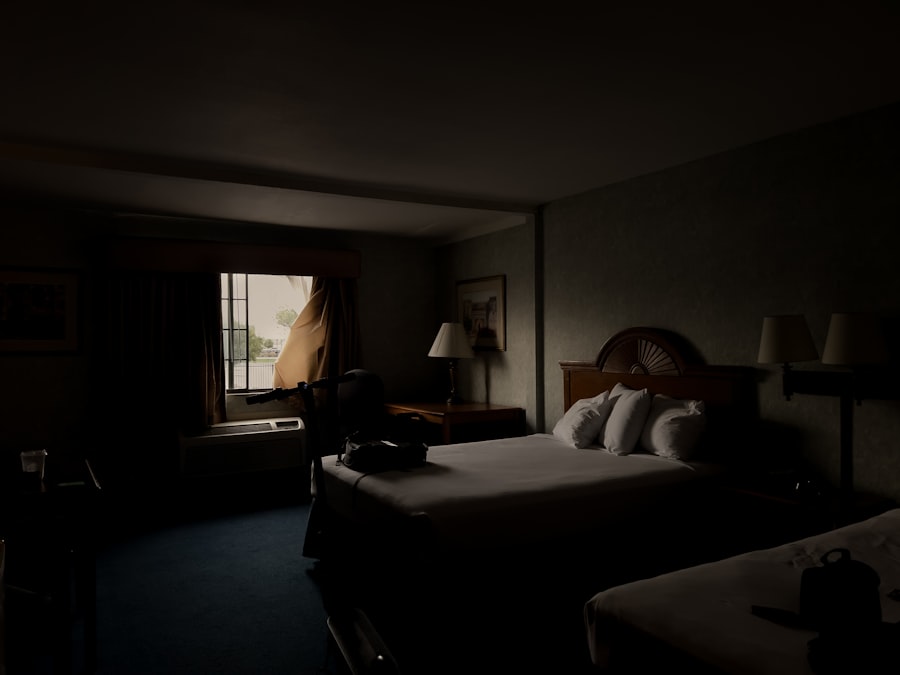
California also works well as the symbolic setting for that journey. For generations, the state has represented reinvention, entertainment, beauty, wealth, and the promise of a new life. The song turns that promise into a mirage: the dream is real enough to attract people, but it does not always deliver what they expected.
The Quest for Redemption and Escape
The original article’s redemption theme needs a cautious reading. The narrator clearly reaches a point of self-awareness and wants to leave. Recognizing the trap is important, but the song does not show him successfully escaping or rebuilding his life.
For that reason, the ending is better understood as a warning than a promise of redemption. A person may realize that a lifestyle is harmful while still remaining tied to its rewards, habits, relationships, or consequences.
The unresolved ending also strengthens the song. A clear rescue would turn it into a simple moral tale. Instead, listeners are left with a harder question: How much freedom remains after a person has built an identity around the thing that is trapping them?
Pro Tip: Read the hotel’s images as parts of one emotional pattern—attraction, excess, recognition, and confinement—rather than as clues to a single secret location.
Is “Hotel California” Based on a Real Hotel?
No specific hotel has been confirmed as the literal setting of the song. Henley’s statement that it is not really about California strongly supports a symbolic reading rather than a one-to-one description of a property.
Theories have connected the song with the Beverly Hills Hotel, a hotel in Baja California, Camarillo State Mental Hospital, and several other locations. These claims are popular, but they should not be presented as established fact.
The hotel is more effective as a fictional place because it can represent many seductive environments. It is exclusive yet imprisoning, comforting yet threatening, and beautiful yet empty. Assigning it to one address would narrow the metaphor.
Is the Song About Satanism?
There is no reliable statement from the songwriters confirming a Satanic meaning. That rumor grew from the song’s ominous atmosphere, surreal images, and listeners’ attempts to decode every detail literally. The band-supported explanation centers instead on excess, the American dream, narcissism, innocence, and the music business.
Who Wrote “Hotel California”?
“Hotel California” is credited to Don Felder, Glenn Frey, and Don Henley. The Recording Academy lists all three as its writers.
Felder developed the musical foundation, while Henley and Frey developed the lyrical story and concept. Associated Press reporting on the surviving handwritten drafts describes Henley writing early ideas with input from Frey, including the contrast between a luxurious surface and ominous undertones.
The recording also benefits from the guitar interplay between Felder and Joe Walsh. Its extended closing guitar section adds to the sense that the listener is being pulled deeper into the hotel rather than receiving a quick resolution.
Why the Song Has So Many Interpretations
The song avoids naming a specific institution, person, or event. Instead, it uses familiar symbols: a road, a light in the distance, an inviting entrance, mirrors, a feast, crowded rooms, and a failed attempt to leave.
Those images can apply to different experiences without losing their emotional meaning. A musician may hear a warning about fame. Someone recovering from addiction may hear dependence. A critic of consumer culture may hear materialism. Another listener may focus on lost innocence or the distance between the American dream and reality.
This flexibility does not mean every theory is equally credible. Interpretations are strongest when they fit the song as a whole and remain consistent with what the writers have said.
The Enduring Legacy of “Hotel California”
The song’s legacy rests on more than mystery. It combines a cinematic narrative, memorable vocal arrangement, and distinctive guitar work with a subject broad enough to remain relevant.
According to the Recording Academy, “Hotel California” reached No. 1 on the Billboard Hot 100 in 1977, won Record of the Year at the 1978 Grammy Awards, and entered the Grammy Hall of Fame in 2003.
The song came from the Eagles’ 1976 album of the same name, listed in the band’s official release catalog. In 2026, the Eagles announced that the album had been recertified 28-times Platinum by the Recording Industry Association of America. That certification applies to the full album rather than the individual track.
Its continued appeal comes from a balance of clarity and mystery. Listeners understand the emotional movement from promise to entrapment, even when they disagree about exactly what each image represents. The song remains a cautionary story about dreams that demand more than they first appear to cost.
Frequently Asked Questions
What is the main meaning of “Hotel California”?
The song is an allegory about the darker side of the American dream. It examines excess, narcissism, temptation, the music business, and the movement from innocence to experience.
Is “Hotel California” based on a real hotel?
No individual hotel has been confirmed as the literal subject. The setting functions primarily as a fictional symbol of attraction, excess, and entrapment.
Is the song specifically about the music industry?
The music business is part of the meaning, according to Don Henley, but the song is broader. It also addresses American excess, ambition, narcissism, and lost innocence.
Is “Hotel California” about addiction?
Addiction is a common interpretation because the story shows pleasure becoming dependence and confinement. However, the band has not identified drug addiction as the song’s only or definitive meaning.
Who wrote “Hotel California”?
The song is credited to Don Felder, Glenn Frey, and Don Henley. Felder created its musical foundation, while Henley and Frey developed the lyrical concept and narrative.
Which images are most important to the song’s meaning?
The road, distant light, luxurious rooms, mirrors, feast, restless guests, and blocked departure create a progression from attraction to recognition and entrapment.
What does the ending of “Hotel California” mean?
The ending suggests that entering a seductive lifestyle can create lasting obligations, habits, or psychological ties. A person may recognize the trap without being able to leave it easily.
What is the legacy of “Hotel California”?
The song topped the Billboard Hot 100 in 1977, won the 1978 Grammy for Record of the Year, and entered the Grammy Hall of Fame in 2003. Its ambiguous story and guitar arrangement have helped it remain one of the Eagles’ best-known recordings.
Sources
- CBS News interview with Don Henley — Henley’s explanation of the song’s meaning and themes
- Recording Academy: 20th Annual Grammy Awards — songwriting credits, chart performance, Record of the Year, and Grammy Hall of Fame information
- Eagles official release catalog — the 1976 album release
- Eagles official 2026 announcement — the album’s updated 28-times-Platinum RIAA certification
- Associated Press reporting on the handwritten lyrics — documented details about the song’s drafting process and imagery
