
Last Updated on July 27, 2026 by Daniel Globe
Hiking Machu Picchu can range from a moderately demanding day of walking to a strenuous multi-day mountain trek. The difficulty depends heavily on how you reach the site, your fitness, how well you handle altitude, the weather, and the amount of climbing and descending in your itinerary. Even travelers who arrive by train and bus should expect uneven stone surfaces and plenty of steps once they enter the archaeological site.
Quick Answer
Hiking Machu Picchu ranges from moderate to strenuous. A standard visit involves uneven stone paths and many steps at 2,430 m (7,972 ft), while multi-day Inca Trail and alternative treks add steep climbs, long hiking days, and much higher elevations. Fitness helps with the hiking, but acclimatization is equally important.
Key Takeaways
- Visiting Machu Picchu itself is far easier than completing a multi-day trek to the site.
- Steep climbs, long stone stairways, uneven footing, rain, and altitude create most of the difficulty.
- Machu Picchu sits at 2,430 m (7,972 ft), while Cusco is about 3,350 m (11,000 ft) and some trekking routes climb much higher.
- Physical fitness improves hiking performance, but being fit does not protect you from altitude illness.
- Inca Trail access is regulated, capacity-limited, and subject to route closures and maintenance.
- Training on hills and stairs for several weeks before the trip can make climbs and long descents much more manageable.
- Check official weather, route status, ticket requirements, and your operator’s instructions before departure.
At a Glance
| Time Required | A few hours for a standard archaeological-site visit; multiple days for longer Inca Trail and mountain trekking routes. |
| Difficulty | Moderate for a normal site visit; moderate-to-strenuous or strenuous for multi-day treks. |
| Tools Needed | Supportive footwear, rain shell, layers, sun protection, water, food where permitted, personal medication, navigation/emergency gear for trekking, and an appropriately sized pack. |
| Altitude | Machu Picchu: 2,430 m (7,972 ft). Cusco: about 3,350 m (11,000 ft). Trekking routes can climb higher. |
| Cost | Varies substantially between a ticket-only visit and a guided multi-day trek; route, season, transport, and operator services affect the final price. |
Disclosure: As an Amazon Associate I earn from qualifying purchases. Some links on this page are affiliate links, at no extra cost to you.
How Hard Is Hiking Machu Picchu?
The phrase “hiking Machu Picchu” can describe very different experiences. Someone who rides the train to Machu Picchu Pueblo and takes transport to the archaeological site faces a much smaller physical challenge than someone walking for several days through the Andes.
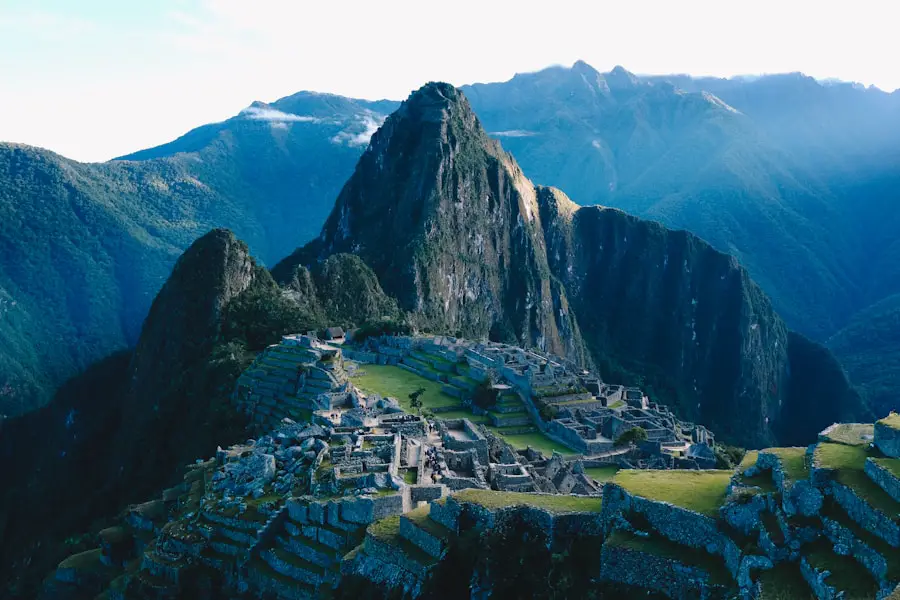
The UNESCO World Heritage Centre places Machu Picchu at 2,430 m (7,972 ft) above sea level. That elevation is lower than Cusco, which the CDC Yellow Book lists at about 3,350 m (11,000 ft). As a result, some travelers actually encounter their highest sleeping elevation before reaching Machu Picchu.
Machu Picchu itself is at 2,430 m (7,972 ft), but Cusco is about 3,350 m (11,000 ft), so altitude can become a challenge before the trek even begins.
Difficulty by Type of Visit
| Option | Typical Difficulty | Why It Feels Hard |
|---|---|---|
| Machu Picchu archaeological site only | Moderate | Stone steps, uneven paths, elevation, sun, rain, and sustained walking. |
| Short Inca Trail / Route 5 approach | Moderate to hard | A concentrated hiking day with climbing, stone steps, archaeological sites, and mountain weather. |
| Longer Inca Trail routes | Strenuous | Several hiking days, repeated climbs and descents, high passes, camping, and cumulative fatigue. |
| Salkantay-linked high-mountain trekking | Strenuous to very strenuous | Higher mountain terrain, longer efforts, cold conditions, and greater altitude exposure depending on the itinerary. |
The official Machu Picchu Inca Trail portal lists multiple authorized routes, including approaches from Piskacucho, Qoriwayrachina, Salkantay, Chachabamba, and Paukarcancha. The government does not assign a single universal “easy,” “moderate,” or “hard” grade, so difficulty should be judged from the exact itinerary, elevation profile, number of hiking days, and your own conditioning.
Altitude Sickness and Acclimatization
Altitude is one of the most important reasons a Machu Picchu trek can feel harder than a similar-distance hike near sea level. Lower atmospheric pressure at elevation reduces the amount of oxygen available with each breath. Symptoms of acute mountain sickness can include headache, nausea, dizziness, fatigue, poor appetite, and vomiting.
The body’s first response to altitude includes faster breathing and other adjustments that improve oxygenation. According to the CDC, the most important acute acclimatization changes occur over roughly the first three to five days. Increased red-blood-cell production is not what protects a traveler during those first few days.
Current guidance is also more specific than the often-repeated “1,000 feet per day” rule. Once above 3,000 m (about 9,850 ft), the CDC cites guidance to increase sleeping altitude by no more than about 500 m (1,600 ft) per night and to add an extra acclimatization night for every additional 1,000 m (3,300 ft) gained.
Warning: Do not continue ascending to a higher sleeping altitude if you develop symptoms of altitude illness. Descend if symptoms worsen despite rest at the same elevation. Confusion, loss of coordination, severe weakness, or breathing difficulty at rest can signal a serious high-altitude emergency that needs immediate medical attention and descent when feasible.
Fitness does not make someone immune to altitude illness. A well-trained athlete can still develop symptoms, while a less athletic traveler may acclimatize normally. Staying normally hydrated, eating enough, pacing yourself, and avoiding excessive exertion during the first days at altitude can support overall comfort, but they do not replace gradual acclimatization.
Acetazolamide can help speed acclimatization or reduce altitude-illness risk in appropriate travelers, but it is a prescription medication. Anyone considering it should discuss personal risks, dosing, allergies, interactions, and other health conditions with a qualified healthcare professional before traveling.
Weather and Terrain Challenges
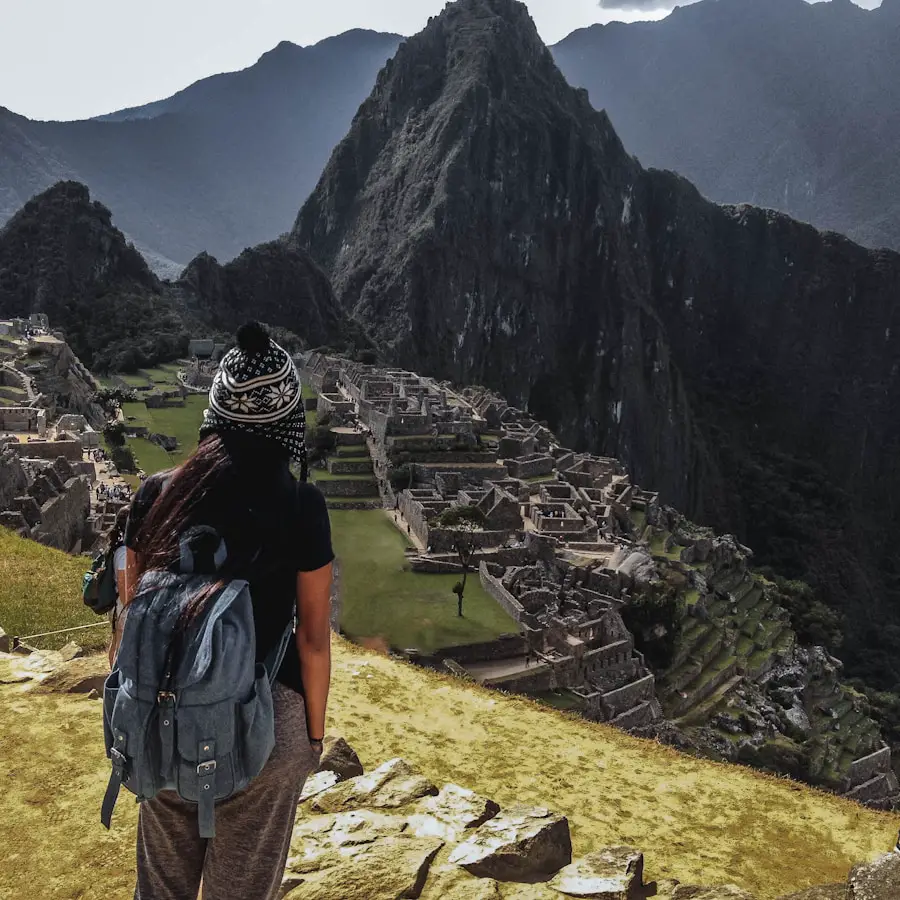
The terrain around Machu Picchu is a major part of the challenge. Expect stone stairs, irregular surfaces, steep climbs, sustained descents, narrow sections, and wet or slippery footing after rain. Descending can be especially tiring on the quadriceps, knees, and ankles even when your cardiovascular fitness is good.
Machu Picchu also lies in a mountain environment where weather can shift quickly. Peru’s SENAMHI weather and climate service should be checked close to travel. Historical climate data for the region show a much wetter part of the year and a drier winter period, but rain can occur outside a neat seasonal schedule.
Rain is not merely an inconvenience. Heavy precipitation can trigger landslides, damage trail infrastructure, reduce visibility, and force authorities to temporarily alter or close routes. Official Inca Trail notices in recent years have documented exactly these kinds of disruptions.
Pro Tip: Train for downhill walking as well as climbing. Long stone descents can be more punishing on tired legs than the uphill sections. Practice controlled descents on stairs or hills instead of focusing only on cardio.
How to Train for a Machu Picchu Hike
You do not need to be an elite athlete, but multi-day trekking is much more enjoyable when your legs, lungs, and feet are already accustomed to several hours of movement. A practical preparation period for many recreational hikers is about six to eight weeks, although beginners may benefit from more time.
Weeks 1–2: Build a Base
- Do moderate aerobic exercise three times per week for roughly 30–45 minutes.
- Add two basic strength sessions focused on squats, step-ups, lunges, calf raises, core stability, and upper-back strength.
- Walk regularly in the footwear you plan to use.
Weeks 3–4: Add Hills and Stairs
- Include one hill or stair workout each week.
- Extend one weekly walk or hike to two or three hours.
- Begin carrying a light pack so your shoulders and back adapt gradually.
Weeks 5–6: Practice Longer Hiking Days
- Complete a longer hike on terrain with meaningful climbing and descending.
- Occasionally hike on two consecutive days to experience walking with tired legs.
- Practice eating, drinking, layering clothing, and managing your pack while moving.
Weeks 7–8: Peak and Taper
- Complete your longest training hike before the final week.
- Use the footwear, socks, and pack you expect to use in Peru.
- Reduce training volume during the final several days so you start the trip rested rather than sore.
Note: Training prepares your muscles and cardiovascular system for hiking, but it does not acclimatize you to high altitude unless the training itself occurs at comparable elevations.
What to Pack for the Hike
Your exact packing list depends on whether you are making a short visit or completing a supported multi-day trek, but the basics should help you manage weather changes, uneven terrain, and unexpected delays.
- Supportive footwear: Use hiking shoes or boots that are already broken in and have dependable traction.
- Rain protection: Carry a waterproof shell even when the morning forecast looks favorable.
- Warm layers: Temperatures can change quickly with elevation, clouds, wind, and time of day.
- Sun protection: Bring a hat, sunglasses, sunscreen, and protective clothing.
- Water: Carry enough for the route and follow your operator’s instructions regarding refill points and water treatment.
- Food: Bring permitted snacks or trekking food appropriate to the itinerary.
- Basic first aid: Include blister care and any personal medication.
- Navigation and communication: Longer or remote hikes require appropriate navigation and emergency-communication planning.
- Headlamp: Useful if a trekking day begins before sunrise or runs longer than expected.
The U.S. National Park Service’s Ten Essentials framework is a useful general checklist for navigation, sun protection, insulation, illumination, first aid, fire, repair tools, nutrition, hydration, and emergency shelter. Always follow Peru’s local site and operator rules where they differ.
Planning and Permits for 2026
Effective planning matters as much as physical conditioning. The Inca Trail network is regulated to protect archaeological resources and control visitor numbers. Entry is not simply a matter of arriving at the trailhead and deciding to hike.
For 2026, Peru’s Ministry of Culture opened reservations and payment for the Inca Trail network and Machu Picchu in November 2025. Official Machu Picchu tickets are handled through the Ministry’s Tu Boleto platform. Under the current system, visitors arriving through the Inca Trail network are linked to Machu Picchu Circuit 3B, with trail access handled under the applicable authorized-agency reservation system.
Current Inca Trail Carrying Capacity
| Official Route | 2026 Regulatory Capacity | General Route Context |
|---|---|---|
| Routes 1–4 | 500 users per day per current regulation | Includes longer approaches through the official Inca Trail network. |
| Route 5 — Chachabamba / km 104 | 250 users per day | Shorter Inca Trail approach through Wiñaywayna to Machu Picchu. |
| Route 6 | 100 users per day | Paukarcancha–Wayllabamba–Qoriwayrachina route under the current network plan. |
The regulation uses the term “users.” Regulatory carrying capacity should not be interpreted as guaranteed tourist-ticket inventory; actual availability can be lower or affected by conservation and operating conditions.
The Inca Trail network also undergoes conservation work. In 2026, it reopened on March 1 after maintenance during February. Temporary weather or infrastructure closures can happen at other times as well.
Current Route Note — July 27, 2026: The Cusco cultural authority has announced that Inca Trail Route 5 is scheduled to reopen on August 1, 2026 after maintenance and rehabilitation work. Because trail status can change, check the latest official notice and your authorized operator’s instructions immediately before travel.
Beyond permits, create an itinerary that accounts for hiking time, altitude adjustment, meals, transport, overnight stops, and realistic rest periods. Leave your itinerary and expected return time with someone who is not on the trek.
Cultural and Historical Significance
A Machu Picchu trek is more than a mountain workout. The Historic Sanctuary of Machu Picchu is a UNESCO World Heritage property recognized for both cultural and natural significance. The Inca city, surrounding archaeological remains, road systems, terraces, forests, and mountain landscape form one connected heritage area.
The official Inca Trail network includes archaeological sites and sections of pre-Hispanic road rather than being merely a modern recreational footpath. Walk on designated routes, follow guide and ranger instructions, and avoid climbing on or touching structures where access is restricted.
Taking time to understand sites such as Wiñaywayna and the broader Inca road system makes the trek more meaningful. It also explains why visitor numbers, campsites, trail routes, and access are tightly managed.
Environmental Impact and Conservation
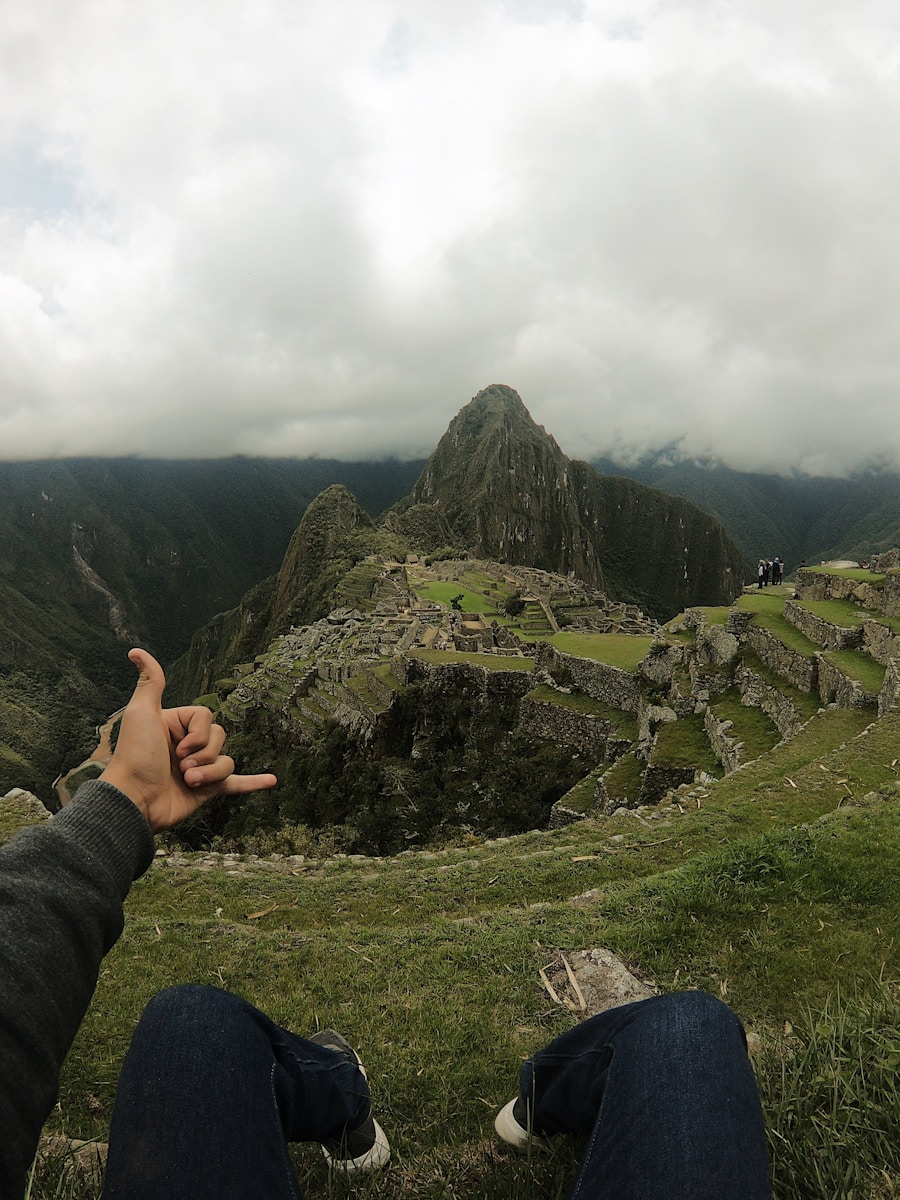
Heavy trail use can contribute to erosion, vegetation damage, litter, and pressure on fragile archaeological and natural areas. Regulations inside the Historic Sanctuary therefore take priority over ordinary hiking habits.
Good low-impact practices include staying on authorized routes, carrying out personal trash, avoiding shortcuts, leaving archaeological and natural objects where they are, and observing wildlife without approaching or feeding it. The general Leave No Trace principles provide a useful framework, but visitors should always follow local Peruvian conservation rules first.
Conservation work is one reason sections of the Inca Trail can close temporarily. Maintenance crews repair trail surfaces, drainage, retaining walls, bridges, railings, campsites, and archaeological structures so that continued tourism does not destroy the resource people have traveled to experience.
Safety and Emergency Preparedness
Accidents are more likely when fatigue, altitude, wet stone, poor footwear, and changing weather occur together. Slow down on uneven steps and steep descents rather than trying to maintain a fixed pace.
For longer treks, carry or have access to the essentials appropriate for the itinerary: first aid supplies, water, food, rain protection, warm clothing, sun protection, a headlamp, and emergency communication. Know which equipment is supplied by your trekking operator and what you are personally responsible for carrying.
Navigation should not depend on a phone alone in remote terrain. Batteries fail, devices get wet, and service may be unavailable. On a guided regulated trek, follow your guide’s route and emergency procedures rather than leaving the trail to seek a shortcut.
Warning: A headache after gaining altitude should not automatically be dismissed as dehydration or fatigue. If it occurs with nausea, dizziness, unusual fatigue, or other altitude-illness symptoms, stop further ascent and tell your guide or travel companion.
Mental and Emotional Challenges
Multi-day trekking can become mentally difficult when poor sleep, rain, sore legs, altitude, or a long climb makes progress feel slow. This does not necessarily mean you are failing; mountain travel often requires a deliberately slower pace.
Break a demanding day into smaller goals such as reaching the next rest point rather than thinking about the entire distance. Eat before you become depleted, drink regularly, adjust layers early, and communicate discomfort before it becomes a bigger problem.
Hiking with a supportive group can also make difficult sections easier. Good guides and trekking partners encourage a sustainable pace instead of turning every climb into a race. The goal is to arrive safely with enough energy to appreciate Machu Picchu when you get there.
For practical clothing organization during the trip, you may also find this guide to the best travel pants with hidden pockets useful. Comfortable clothing, secure storage, and easy access to essentials can make long travel and hiking days less frustrating.
Love travel? Join Our Facebook Community For More Tips.
Sources
- CDC Yellow Book — High-Altitude Travel and Altitude Illness — altitude risk, acclimatization, symptoms, acetazolamide, and descent guidance.
- Peru Ministry of Culture — 2026 Machu Picchu and Inca Trail Ticket Sales — current reservation and ticketing information.
- Peru Ministry of Culture Resolution 294-2025-MC — current Inca Trail route carrying capacities.
- Official Machu Picchu — Inca Trail Network — authorized routes through the sanctuary.
- UNESCO — Historic Sanctuary of Machu Picchu — elevation, cultural importance, landscape, and World Heritage status.
- SENAMHI Cusco Climate Information — official regional weather and climate information for trip planning.
Frequently Asked Questions
What is the difficulty level of hiking Machu Picchu?
A normal visit to the Machu Picchu archaeological site is usually moderate because of the stone steps, uneven ground, and elevation. Multi-day Inca Trail and higher mountain treks are much harder and can be strenuous because they combine long walking days, repeated climbs and descents, mountain weather, and greater altitude exposure.
What factors make hiking to Machu Picchu difficult?
The biggest factors are altitude, steep climbs, long stone stairways, uneven footing, sustained descents, changing weather, the weight of your pack, and cumulative fatigue over several days. Route choice can dramatically change the difficulty.
What fitness level is required for hiking Machu Picchu?
A standard site visit does not require elite fitness, but you should be comfortable walking on steps and uneven ground. Multi-day treks are better suited to people who can walk for several hours, climb hills or stairs, and repeat that effort on consecutive days. Cardiovascular fitness, leg strength, balance, and comfortable footwear all help.
Does being physically fit prevent altitude sickness?
No. Fitness helps you handle the physical workload, but the CDC notes that physical fitness does not determine your risk of altitude illness. Your rate of ascent, sleeping altitude, prior response to altitude, and individual susceptibility are more important.
Are there age restrictions for hiking Machu Picchu?
Do not rely on a blanket age rule. Entry regulations and tour-operator policies can change, and some trekking itineraries may be unsuitable for young children or travelers with particular health or mobility limitations. Children can develop altitude illness just as adults can, so route difficulty, health, acclimatization, and current operator requirements matter more than age alone.
How should I prepare physically for a Machu Picchu trek?
Spend several weeks building aerobic endurance and leg strength. Add hills or stairs, gradually lengthen your hikes, practice descending, and carry the pack you expect to use. Complete some back-to-back hiking days before the trip so your body learns to walk while mildly fatigued.
Do I need a permit to hike the Inca Trail to Machu Picchu?
Yes, access to the regulated Inca Trail network is capacity-controlled. For 2026, the Ministry of Culture uses advance reservations and authorized-agency arrangements for Inca Trail access, while official Machu Picchu ticket sales are handled through the government’s Tu Boleto system. Availability can change, so travelers should use current official information when booking.

