

Last Updated on July 27, 2026 by Daniel Globe
Thailand’s climate is characterized by a tropical monsoon system, which significantly influences weather patterns across its varied geographical regions throughout the year. Understanding the country’s three distinct seasons—the cool season, the hot season, and the rainy season—is essential for planning an unforgettable itinerary, whether you seek sunny beach days, vibrant cultural festivals, or budget-friendly outdoor adventures.
Quick Answer
The best time to visit Thailand is during the cool and dry season from November to February, when temperatures average 20°C to 30°C (68°F–86°F) and sunshine is abundant. This peak period is ideal for island hopping, sightseeing, and outdoor activities. Budget travelers can opt for the shoulder season (March–May) or rainy season (June–October) for lower prices and fewer crowds.
Key Takeaways
- Peak Season (November–February): Offers comfortable temperatures and low humidity, making it ideal for exploring cities and beaches.
- Shoulder Season (March–May): Features intense heat, soaring above 35°C (95°F), but hosts Thailand’s famous Songkran Water Festival in April.
- Off-Peak Season (June–October): Brings monsoon rainfall and high humidity, accompanied by heavily discounted accommodations and lush green scenery.
- Regional Microclimates: The Gulf Coast (Koh Samui) and Andaman Coast (Phuket) experience peak monsoon rains in different months.
Disclosure: As an Amazon Associate I earn from qualifying purchases. Some links on this page are affiliate links, at no extra cost to you.
Thailand Climate Overview
The hot season typically spans from March to May, with temperatures often soaring above 35°C (95°F). During this period, the sun shines relentlessly, making it essential for travelers to stay hydrated and seek shade during the peak hours of sunlight. The heat can be particularly intense in central regions like Bangkok and Ayutthaya, where urban heat islands exacerbate high temperatures.
The rainy season, which lasts from June to October, brings a dramatic shift in weather patterns. Monsoon rains sweep across the country, with heavy downpours often occurring in short afternoon or evening bursts. While this season can deter some tourists due to localized flooding and travel disruptions, it also offers a unique perspective on Thailand’s lush landscapes. The countryside becomes vibrant and green, and waterfalls swell, creating picturesque scenes often missed during drier months.
The cool season, from November to February, is arguably the most pleasant time to visit. Temperatures drop to a comfortable range of 20°C to 30°C (68°F to 86°F), making outdoor activities enjoyable. Marked by clear skies and lower humidity levels, this period provides ideal conditions for exploring both urban landmarks and rural attractions.
Peak Tourist Seasons (November to February)
The peak tourist season in Thailand aligns with the cool season. During these months, the country experiences an influx of international visitors seeking temperate weather and rich cultural events. Major cities like Bangkok and Chiang Mai see a significant rise in hotel bookings and flight reservations as tourists flock to popular attractions such as the Grand Palace, Wat Pho, and regional night markets.
This period is characterized by bustling streets, lively outdoor festivals, and ideal conditions for beach destinations along the southern peninsulas. Several key holidays and events occur during peak season, including Christmas and New Year celebrations featuring fireworks, street parties, and light displays across major cities.
Pro Tip: Because accommodations charge premium rates during peak season, book flights, hotels, and popular guided tours at least 3 to 6 months in advance to secure availability and lower prices.
Off-Peak Tourist Seasons (June to October)
The off-peak tourist season generally coincides with the south-west monsoon rainy season. While concerns about heavy rainfall keep high visitor numbers at bay, traveling during these months offers major financial and practical advantages for budget-conscious adventurers.

During these months, visitor numbers drop significantly, leading to steep discounts on accommodations, domestic flights, and tour packages. Popular historical sites like Ayutthaya or Sukhothai can be enjoyed peacefully without long queues or crowded photo spots. Downpours are frequently brief and predictable, leaving plenty of daylight for sightseeing.
Note on Coastal Differences: The Andaman Sea coast (Phuket, Krabi, Koh Lanta) experiences its heaviest rainfall from September to October. Conversely, the Gulf of Thailand coast (Koh Samui, Koh Phangan, Koh Tao) receives its primary rainfall later, from October through November.
Major Thai Festivals and Cultural Events
Thailand is renowned for its vibrant traditional festivals that highlight its spiritual heritage and local community customs throughout the year.
| Event Name | Primary Location | Timing | Key Highlights |
|---|---|---|---|
| Songkran | Nationwide (Chiang Mai, Bangkok) | Mid-April (Apr 13–15) | Thai New Year nationwide water fights and temple rituals |
| Loy Krathong | Nationwide (Rivers & Lakes) | November (Full Moon) | Releasing floating leaf baskets to honor water spirits |
| Yi Peng | Chiang Mai & Northern Thailand | November (Full Moon) | Mass release of thousands of illuminated sky lanterns |
| Phi Ta Khon | Dan Sai, Loei Province | June / July | Ghost festival featuring colorful hand-painted masks & parades |
One of the most famous celebrations is Songkran, marking the Thai New Year in mid-April. This festival features massive street water fights where locals and tourists splash water on one another to symbolize cleansing and renewal. Traditional rituals include visiting temples and pouring scented water over Buddha statues for blessings.
Another enchanting event is Loy Krathong, celebrated on the full moon of the twelfth lunar month in November. People craft intricate krathongs (small floating baskets made of banana leaves and flowers) and release them onto rivers to let go of past misfortunes. In northern Thailand, this coincides with Yi Peng, where thousands of paper lanterns illuminate the night sky.
Outdoor Activities and Adventure Sports
Thailand’s diverse geography supports a wide array of activities for adventure sports enthusiasts and outdoor lovers alike:
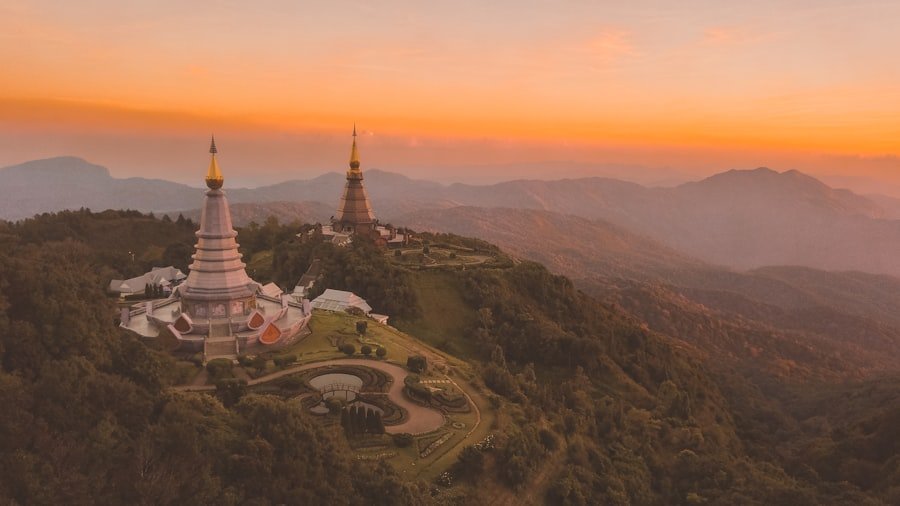
- Jungle Trekking & Hiking: Northern parks like Doi Inthanon National Park offer scenic trails surrounding Thailand’s highest peak, passing through mountain forests, waterfalls, and hill-tribe communities.
- Scuba Diving & Snorkeling: The islands of Phuket, Koh Phi Phi, and Koh Lanta offer access to clear tropical waters teeming with coral reefs, sea turtles, and seasonal whale sharks.
- Limestone Kayaking: Paddling through hidden lagoons and cave systems in Phang Nga Bay or Ang Thong National Marine Park offers memorable coastal exploration.
- Rock Climbing: Railay Beach and Tonsai in Krabi are world-famous destinations for rock climbing along dramatic limestone cliffs rising directly above the ocean.
Cultural and Historical Sightseeing
Thailand preserves a rich cultural history reflected across its historic capitals, royal palaces, and sacred temples.
In Bangkok, the historic center features the iconic Grand Palace complex and Wat Phra Kaew (Temple of the Emerald Buddha), renowned for detailed Thai murals and royal architecture. Nearby, Wat Pho houses the monumental Reclining Buddha.
In northern Thailand, Chiang Mai preserves Lanna-style temple heritage, including Wat Chedi Luang and Wat Phra Singh within its historic walled city center. Further south, the ancient ruins at Ayutthaya—a former capital of the Kingdom of Siam—display vast historic temple complexes best explored by bicycle.
Budget Travel Tips
Navigating Thailand on a budget is easy with practical choices:
- Use Public Transit: In Bangkok, utilize the Skytrain (BTS), MRT subway, and public river boats. For intercity journeys, overnight trains and long-distance buses offer economical transportation.
- Savor Street Food: Local night markets and street stalls serve fresh Pad Thai, Som Tam (papaya salad), and Mango Sticky Rice safely at low costs.
- Choose Local Guesthouses: Opting for locally operated guesthouses or homestays provides affordable lodging while directly supporting local community tourism.
Safety and Health Considerations
While Thailand is a welcoming and generally safe destination, keeping basic safety and health precautions in mind ensures a smooth trip.
Warning: Avoid drinking tap water in Thailand; stick strictly to sealed bottled or filtered water. Use mosquito repellent containing DEET or Picaridin to protect against mosquito-borne infections like Dengue fever, especially during the rainy season.
Always maintain general awareness against petty theft or transport scams in busy tourist hubs. Ensure routine vaccinations are up to date and obtain comprehensive travel insurance covering emergency medical care and outdoor activities prior to departure.
Frequently Asked Questions
What is the overall best time to travel to Thailand?
The best time to visit Thailand is during the cool and dry season from November to February. Weather during these months is mild and dry, creating ideal conditions for sightseeing, island hopping, and outdoor adventures.
When is the rainy season in Thailand?
The rainy season generally spans from June to October across most of Thailand. Rain usually falls in heavy, brief tropical showers during the late afternoon or evening rather than all day long.
What are the peak tourist seasons in Thailand?
Peak tourist season occurs between November and February, when weather conditions are clearest. A secondary peak in visitor arrivals occurs around mid-April during the Songkran (Thai New Year) national holiday.
What are the shoulder seasons in Thailand?
The shoulder seasons are March through May (hot season) and shoulder transitions in May/October. These months present a balance between lower hotel rates, fewer crowds, and accessible travel options.
Are there specific festivals to consider when planning a trip?
Yes. Key national celebrations include Songkran (Thai New Year water festival) in mid-April and Loy Krathong / Yi Peng (Festival of Lights & Lanterns) in November. Booking well ahead is essential if visiting during these festival periods.
Sources
- Tourism Authority of Thailand (TAT) — Official national travel and seasonal guides.
- Thai Meteorological Department — Official climate statistics and seasonal monsoon tracking.
- UNESCO World Heritage Centre — Historic City of Ayutthaya designation details.
- World Health Organization (WHO) — International travel health & vector-borne safety guidelines.
